Table of Contents >> Show >> Hide
- What You’ll Need Before You Start
- 12 Steps to Perfect Pasta with Jar Alfredo Sauce
- Step 1: Choose the Right Pasta and Sauce
- Step 2: Salt and Boil the Pasta Water Generously
- Step 3: Cook the Pasta to Al Dente
- Step 4: Reserve Pasta Water, Then Drain
- Step 5: Start a Simple Flavor Base
- Step 6: Add and Gently Warm the Alfredo Sauce
- Step 7: Upgrade the Flavor Like a Pro
- Step 8: Adjust the Sauce Consistency
- Step 9: Toss the Pasta with the Sauce
- Step 10: Add Proteins and Veggies (Optional but Excellent)
- Step 11: Taste, Adjust, and Finish
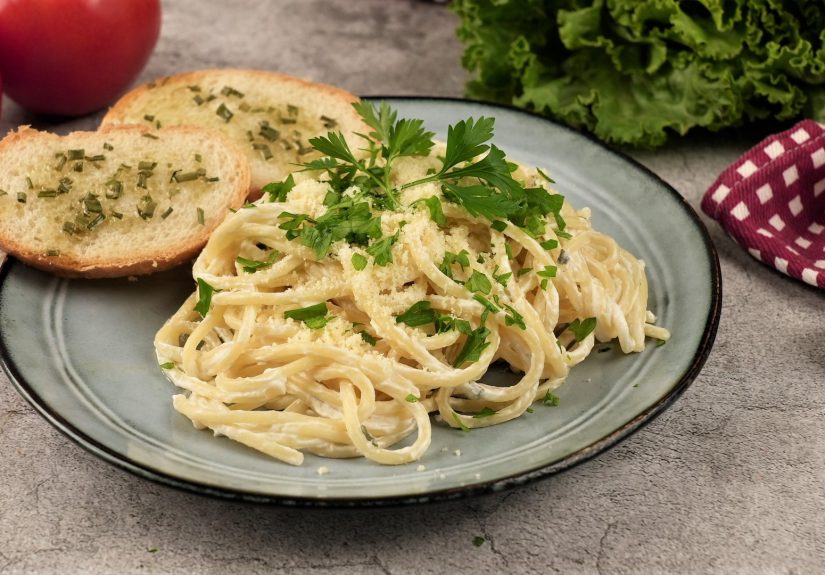
- Step 12: Plate, Garnish, and Serve Immediately
- Common Mistakes with Jar Alfredo (and How to Avoid Them)
- Fun Variations on Jar Alfredo Pasta
- Real-World Experiences and Extra Tips (About of Wisdom)
- Conclusion
Store-bought Alfredo sauce gets a bad rap. People picture a sad jar lurking at the back of the pantry,
waiting to turn perfectly good pasta into a heavy, bland brick. But with a few smart moves, that jar of
Alfredo can become a creamy, restaurant-style dinner that tastes intentionalnot like “I gave up and
opened a jar.”
In this guide, you’ll learn exactly how to make pasta with Alfredo sauce from a jar in 12 easy steps:
from properly cooking the pasta, to gently heating the sauce, to upgrading the flavor so it tastes closer
to homemade. We’ll also walk through common mistakes to avoid and real-world tips from home cooks who’ve
transformed weeknight dinners with a single jar and a bag of pasta.
What You’ll Need Before You Start
Basic Ingredients
- 1 pound (16 oz) of pasta (fettuccine, linguine, penne, or your favorite shape)
- 1 jar (about 14–24 oz) of Alfredo sauce
- Salt for the pasta water (about 1 tablespoon per 3 quarts of water)
- 1–2 tablespoons butter (optional, for extra richness)
- 1–2 cloves garlic, minced (or 1/2 teaspoon garlic powder)
- Freshly ground black pepper
- Grated Parmesan or Romano cheese
- Chopped parsley or basil for garnish (optional)
Optional Add-Ins
- Cooked chicken, shrimp, or sausage
- Steamed or sautéed broccoli, peas, spinach, or mushrooms
- Red pepper flakes for a subtle kick
- A spoonful of pesto or cream cheese for extra flavor
Equipment
- Large pot for boiling pasta
- Colander for draining
- Large skillet or saucepan for the Alfredo sauce
- Tongs or a large spoon for tossing the pasta
- Measuring cup to reserve pasta water
12 Steps to Perfect Pasta with Jar Alfredo Sauce
Step 1: Choose the Right Pasta and Sauce
Alfredo sauce loves long, flat noodles like fettuccine and linguine, but short shapes like penne or
rotini work well too because their ridges grab the sauce. Pick a good-quality jarred Alfredo sauce
you actually enjoysomething with real cream and cheese on the ingredient list, if possible. If this
is dinner for guests, this is not the time to test the cheapest jar on the shelf.Step 2: Salt and Boil the Pasta Water Generously
Fill a large pot with water and bring it to a rolling boil. Add plenty of saltabout 1 tablespoon per
3 quarts of waterso the water tastes pleasantly salty, like a mild broth. Chefs emphasize that
salting the water is the first and best chance to flavor the pasta itself, which keeps you from
drowning everything in extra cheese later.Step 3: Cook the Pasta to Al Dente
Add the pasta and stir for the first 30 seconds so it doesn’t clump. Check the package instructions,
but start tasting about 2 minutes before the “al dente” time. You’re aiming for tender pasta with a
slight bite in the center, not soggy noodles that collapse under a fork. Some cooks like to stop
cooking the pasta 1 minute early if they plan to finish it in the sauce.Step 4: Reserve Pasta Water, Then Drain
Before draining, scoop out about 1 cup of the starchy pasta water and set it aside. This water is
liquid goldits starch helps the Alfredo sauce cling to the pasta and lets you adjust the consistency
without thinning the flavor.Drain the pasta in a colander, but don’t rinse it. Rinsing removes the starch that helps the sauce
stick. If you need to hold the pasta for a minute or two, toss it with a small splash of olive oil so
it doesn’t glue itself together in one big noodle brick.Step 5: Start a Simple Flavor Base
In a large skillet or saucepan, melt 1–2 tablespoons of butter over medium-low heat. Add the minced
garlic and sauté for about 30–60 seconds, just until fragrant. Don’t let it brown or burnburned
garlic tastes bitter and will overpower the sauce. Many recipes for improving jarred Alfredo start
exactly this way, because fresh garlic and butter add richness and depth that jarred sauce often
lacks.Step 6: Add and Gently Warm the Alfredo Sauce
Pour the Alfredo sauce from the jar into the skillet with the butter and garlic. Use a bit of milk or
a splash of pasta water to rinse out the jar so you don’t waste a drop. Stir to combine everything.Heat the sauce over low to medium-low heat, stirring frequently. Alfredo sauceespecially cream-based,
jarred versionscan break or separate if it’s heated too aggressively. Food experts recommend
reheating cream sauces “low and slow,” with a bit of extra liquid if needed, to keep them smooth and
velvety.Step 7: Upgrade the Flavor Like a Pro
This is where jar sauce stops being “jar sauce” and starts being “wow, what did you put in this?”
Add one or more of these flavor boosters:
- Roasted or fresh garlic: Deepens flavor and cuts through richness.
- Extra Parmesan or Romano: Adds nuttiness and umami. Grate it fresh if you can.
- Black pepper: A generous grind wakes up the sauce.
- Red pepper flakes: For gentle heat and balance.
- Pesto or herbs: A spoonful of pesto or chopped basil/parsley gives color and brightness.
- Butter or cream cheese: A tablespoon or two of butter (a popular hack even for tomato sauces) or a small spoonful of cream cheese makes the sauce richer and silkier.
Add small amounts, taste, and adjust. Jar sauces are often already salty, so let the cheese and
butter do their thing before you reach for the salt shaker.Step 8: Adjust the Sauce Consistency
If the sauce seems too thick, whisk in a splash of warm pasta water or milk, a little at a time, until
it coats the spoon but still flows easily. If it’s too thin, let it simmer gently for a few minutes,
stirring often, or add a bit more grated Parmesan. Some Alfredo guides specifically recommend using
pasta water to tweak the texture and to help the sauce cling better to the noodles.Step 9: Toss the Pasta with the Sauce
Add the drained pasta directly into the skillet of hot Alfredo sauce. Toss with tongs or stir until
every strand or piece is coated. If things look a bit dry, add a tablespoon or two of the reserved
pasta water, toss again, and watch the sauce loosen and wrap around the pasta.Many brands and recipes recommend combining hot pasta with hot sauce this way rather than ladling
sauce on top, because it helps the flavors soak in and keeps each bite evenly sauced.Step 10: Add Proteins and Veggies (Optional but Excellent)
If you’re using add-ins like chicken, shrimp, or veggies, fold them in now so they can warm through
in the sauce:- Chicken Alfredo: Stir in sliced cooked chicken breast or rotisserie chicken.
- Shrimp Alfredo: Quickly sauté shrimp in butter and garlic, then add to the pasta.
- Veggie Alfredo: Toss in steamed broccoli, peas, or sautéed mushrooms for color and nutrition.
Many jar-sauce-based recipes build full meals this way, turning a simple pasta into a skillet dinner
with protein and vegetables in one pan.Step 11: Taste, Adjust, and Finish
Taste a forkful of pasta and sauce together, not just the sauce on its own. Ask:
- Does it need a pinch of salt or more pepper?
- Would a squeeze of lemon brighten it up?
- Is it rich enough, or could it use a final sprinkle of Parmesan?
Finish with chopped parsley or basil for a pop of color and freshness. A little greenery instantly
makes jar Alfredo look like it just stepped out of a restaurant kitchen.Step 12: Plate, Garnish, and Serve Immediately
Alfredo pasta is at its best right after it’s finished. Plate it in warm bowls if you can, top with a
bit more Parmesan and pepper, and serve right away.If you have leftovers, store the pasta and extra sauce separately when possible. When reheating, add
a splash of water or milk and warm gently on the stove or in the microwave in short bursts, stirring
often to keep the sauce from separating.
Common Mistakes with Jar Alfredo (and How to Avoid Them)
1. Boiling the Sauce
High heat is the enemy of cream sauces. Boiling can cause the fats to separate, leaving you with a
grainy, oily mess. Keep the heat at low to medium-low, and if you see aggressive bubbling, turn it down
immediately and stir in a splash of milk or pasta water to bring it back together.
2. Under-Salting the Pasta Water
Jarred Alfredo may be salty, but your pasta still needs seasoning from the inside out. If the pasta
itself tastes bland, you’ll end up leaning on the sauce to carry all the flavor, and it can feel heavy
and one-dimensional. Well-salted water is the key to pasta that tastes good even before the sauce hits
the pan.
3. Skipping Fresh Ingredients
Jar Alfredo is designed to be shelf-stable, which means flavors can feel flat. Fresh garlic, herbs, or a
squeeze of lemon are simple additions that wake everything up without turning dinner into a two-hour
cooking project.
4. Forgetting the Pasta Water
Tossing dry pasta with thick sauce can create a heavy, clumpy dish. That reserved pasta water is your
adjustable wrenchit loosens the sauce while helping it cling to each noodle. Home cooks and pros alike
swear by this step for silky Alfredo.
5. Overloading with Add-Ins
Chicken, bacon, broccoli, and mushrooms are all greatjust not all at once in huge amounts. Too many
add-ins overpower the sauce and make it hard to coat everything evenly. Aim for a balanced ratio where
the pasta and Alfredo remain the stars of the plate.
Fun Variations on Jar Alfredo Pasta
- Creamy Pesto Alfredo: Stir a spoonful or two of pesto into the sauce for an herby,
green twist that’s fantastic with chicken or shrimp. - Alfredo Primavera: Toss in a mix of steamed or sautéed vegetablesbroccoli, peas,
carrots, bell peppersfor a colorful, lighter-feeling bowl. - Spicy Cajun Alfredo: Add Cajun seasoning, red pepper flakes, and sliced sausage for a
smoky, spicy spin. - Baked Alfredo Pasta: Mix pasta and sauce, top with mozzarella and Parmesan, and bake
at 375°F (190°C) until bubbly and golden on top for a cozy casserole-style dinner.
Real-World Experiences and Extra Tips (About of Wisdom)
If you ask around, you’ll find that almost every home cook has a “jar Alfredo story.” For some, it’s the
meal they pulled off in a tiny apartment kitchen with one pot, one pan, and a dream. For others, it’s
the dish they relied on for late-night study sessions, new-baby chaos, or “I forgot to thaw anything and
everyone’s hungry now” emergencies. Over time, people figure out little tricks that turn this pantry
staple into a small victory on a plate.
One common discovery is how much difference the pasta water makes. Many beginners used to drain their
pasta completely, dump it in a bowl, and pour cold Alfredo straight from the jar over the top. The result
was clumpy pasta and streaky sauce that slid off in patches. Once they started reserving a cup of starchy
water and tossing the hot pasta directly in the pan with warm sauce, things changed. The sauce clung
better, the texture felt smoother, and the dish suddenly tasted more like something you’d get at a
restaurant than something you microwaved at midnight.
Another “aha” moment for a lot of cooks is realizing that Alfredo doesn’t have to be overpoweringly rich.
When you first taste some jarred sauces, they can feel heavy and one-note. Home cooks often experiment by
adding a small squeeze of lemon juice or a spoonful of fresh herbs at the end. That tiny bit of acidity
or freshness cuts through the cream and makes each bite feel lighter and more balanced. It’s the same
idea behind serving a side salad with a bright vinaigrette alongside a creamy pastathe contrast keeps
your palate interested instead of overwhelmed.
Many people also learn the hard way that high heat is not their friend. Maybe they got distracted, the
sauce boiled, and the beautiful cream split into oily puddles and tiny curds. After one or two of these
experiences, careful cooks start treating Alfredo more like a delicate soup than a tough tomato sauce.
They heat it gently, stir while it warms, and add small splashes of milk or pasta water if it starts to
tighten up. Once that habit forms, broken sauces become rare, and confidence in cooking with cream
skyrockets.
Then there are the customization stories. Someone might start with plain jar Alfredo and, over time,
build “their” version: maybe it’s always got roasted garlic, a pinch of nutmeg, and a handful of spinach;
or maybe it’s the family’s “chicken and broccoli Alfredo night” where kids know they’re getting veggies
but don’t complain because everything is wrapped in cheese and cream. These little signatures turn a
generic product from the grocery store into something that feels personal and comforting.
Finally, there’s the emotional side: jar Alfredo can be a gentle entry point for nervous beginners. It
lets someone who has never whisked a roux or reduced cream still put a creamy, satisfying pasta on the
table. Once that win is under their belt, they’re more likely to try making a sauce from scratch or
experimenting with other dishes. In that sense, the humble jar is doing more than coating noodlesit’s
building kitchen confidence, one easy dinner at a time.
Conclusion
Making pasta with Alfredo sauce from a jar doesn’t have to be a compromise. With good pasta, properly
salted water, gentle heat, a few flavor boosters, and the magic of reserved pasta water, you can turn a
simple jar into a creamy, crowd-pleasing meal. The 12 steps in this guide are designed to help you avoid
the common pitfallsbroken sauce, bland pasta, and gloppy textureand instead serve a dish that feels
comforting, satisfying, and just a little bit special.
The next time you see that jar of Alfredo in your pantry, don’t think “backup plan.” Think “shortcut with
potential.” Add a little care, a few smart tweaks, and you’ll have a bowl of pasta that tastes
weeknight-easy but impressively close to homemade.