Table of Contents >> Show >> Hide
- Start With a “Backpack Identity Check”
- Quick Wins: Unique Without the Commitment
- Patches: The Classic “Cool Backpack” Upgrade
- Pins, Buttons, and BadgesYes, But Make Them Practical
- Fabric Paint and Markers: Turn Your Backpack Into a Canvas
- Embroidery and Stitching: Unique, Durable, and Quietly Impressive
- Heat-Transfer Vinyl (HTV): Crisp Graphics With a “Store-Bought” Finish
- Visible Mending: Turn Scuffs and Holes Into a Design Feature
- Safety, Comfort, and “Don’t Make It Worse” Rules
- Keep It Looking Fresh: Cleaning and Care After Customizing
- Style “Recipes”: Pick a Look and Build Around It
- Conclusion: Make It Yours, Make It Last
- Real-World Experiences: What Actually Holds Up (and What Doesn’t)
Backpacks are like fingerprints: everyone has one, and somehow they all look the same the moment you set them down in a crowded classroom, airport, or coffee shop.
The good news? You don’t need a fashion degree (or a glue gun addiction) to make your backpack instantly recognizable and unmistakably you.
With a few smart, low-effort upgradesand a couple of “commitment-level: medium” DIY ideasyou can turn a plain bag into a signature piece that stands out
without falling apart by Tuesday.
This guide walks through practical, durable ways to customize your backpackwhether it’s a school backpack, commuter pack, hiking daypack, or carry-on companion.
You’ll get ideas that range from removable accessories (safe, easy, reversible) to more permanent options like stitching, paint, patches, and heat-transfer vinyl.
We’ll also talk about what actually lasts on different materials (canvas vs. nylon vs. polyester), and how to keep your bag clean and functional
while it looks cooler than it did when you bought it.
Start With a “Backpack Identity Check”
Before you decorate anything, take two minutes to decide what you want your backpack to do besides carry your stuff. A unique backpack can be:
(1) easier to spot, (2) more organized, (3) more comfortable, (4) safer in low light, and (5) more expressive. You can hit all fivejust not by stapling a
thousand random trinkets to the zipper like it’s a middle-school craft fair.
Ask yourself three questions
- Where do you use it most? School, work, travel, outdoors, gym?
- What material is it? Canvas/cotton is easy-mode; nylon/polyester takes more strategy; leather needs gentle methods.
- How reversible do you want this? Removable accessories vs. sewn/painted designs.
Pro tip: take a quick photo of your backpack from the front. If you squint and it still looks like every other backpack on Earth, you’re in the right place.
Quick Wins: Unique Without the Commitment
If you want a noticeable change with minimal effort (and minimal regret), start here. These options are removable, swap-friendly, and usually don’t risk
damaging coatings or fabric.
1) Zipper pulls that scream “that one’s mine”
Swapping zipper pulls is one of the fastest upgrades. Use paracord knots, leather cords, silicone pulls, or small carabiners. Color-code them: one color for
your laptop pocket, another for snacks, another for the “mystery compartment” where pens go to disappear.
2) Bag charms, keychains, and mini carabiners (but be strategic)
A single bold charm or two smaller ones can add personality without turning your backpack into a wind chime. Choose something high-contrast (bright, reflective,
or uniquely shaped) so it’s easy to spot from across a room. Keep it near the top handle so it’s visible even when the bag is under a desk.
3) Luggage tags and ID windowsfunctional personalization
A luggage tag with a fun design (or a nickname) is subtle but effective. If your backpack has a clear ID window, slide in a custom card with a pattern, doodle,
or quote. It’s personalization with zero adhesive and zero risk.
4) A bandana or scarf handle-wrap
Wrap a bandana around the top handle and tie it off neatly. It adds color, texture, and instant recognitionand you can swap it seasonally. Bonus: it gives you a
quick cloth for wiping off rain or coffee mishaps (because life).
Patches: The Classic “Cool Backpack” Upgrade
Patches are popular for a reason: they’re visible, customizable, and they can look intentionallike your backpack has a story to tell instead of just a collection
of receipts and crushed granola bars.
Choose the right patch type
- Sew-on patches: Most durable. Best for canvas and thicker fabrics.
- Iron-on patches: Quick, but not always ideal for nylon/polyester (heat can be tricky).
- Adhesive patches: Great for temporary placement; longevity depends on surface and use.
Placement tips that make patches look “designed,” not “random”
- Work in clusters: Two to five patches in one area can look more intentional than scattered singles.
- Use visual anchors: Seams, pockets, and corners help “frame” a patch.
- Think about wear zones: Bottom corners and strap edges get rubbedsave those spots for sturdier stitching or reinforced patches.
If your backpack is nylon or polyester, be cautious with high heat. When heat-transfer methods are used, it’s smart to test in an inconspicuous area first and
follow product guidance for temperature, pressure, and curing time.
How to make iron-on styles last longer (without drama)
Iron-on methods can work well when applied correctly, but the “secret sauce” is patience: prep the surface, apply the right heat and pressure, and wait before
washing or heavy use. Many heat-transfer products recommend allowing a full day before washing so the bond can set.
Pins, Buttons, and BadgesYes, But Make Them Practical
Pins are fun because they’re tiny billboards for your personality. The downside? They can snag, pop off, or poke you at exactly the wrong time. So use them with
a plan:
Smart pin placement
- Use front panels (not strap areas that flex and rub).
- Avoid laptop zones where pin backs might scratch devices.
- Lock them in with locking pin backs if you’re rough on your gear.
If you love the pin look but want zero poke-risk, consider sewing pins onto a small patch of fabric first, then stitching that fabric onto your backpack. It’s like
giving your pins a tiny seatbelt.
Fabric Paint and Markers: Turn Your Backpack Into a Canvas
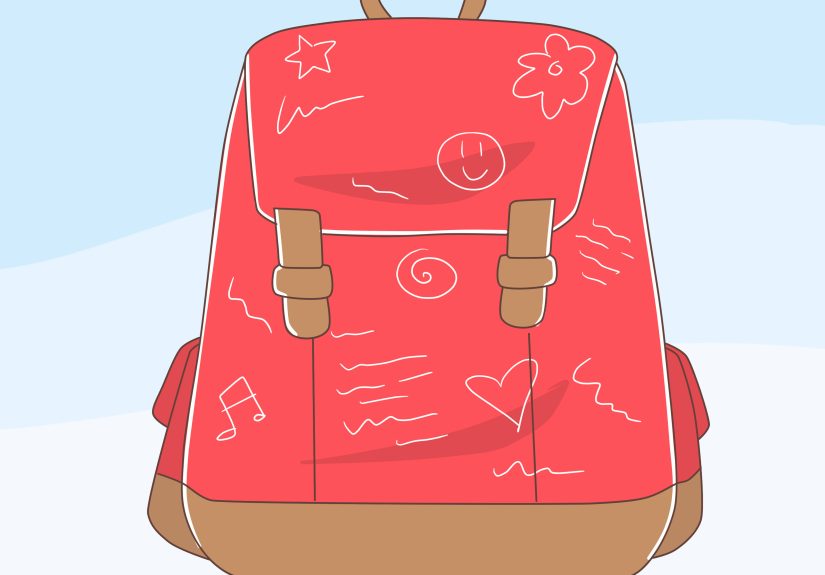
Painting is one of the most personal ways to customize a backpackbecause no one else will have your exact doodles, color blocks, or mini mural. But different
backpack fabrics behave differently, so match the method to the material.
What works best on canvas vs. nylon/polyester
- Canvas/cotton: Easier to paint. Absorbs color well. Great for fabric markers and fabric paint.
- Nylon/polyester: Often harder for paint to adhere to and can crack or peel if the surface is slick or coated.
A simple, durable painting process
- Clean the surface: Wipe off dirt and oils so paint bonds better.
- Insert cardboard inside: Prevent bleed-through into the lining.
- Test first: Try your paint/marker in a hidden spot (inside flap, bottom edge).
- Paint in thin layers: Thin layers flex better than one thick layer.
- Let it cure fully: Give it real drying time before stuffing the bag and bending it.
If you’re using acrylic paint, mixing it with a fabric medium helps keep the design flexible and washable. Once your design is dry, heat-setting (following the
paint/marker instructions) can improve durability.
Design ideas that look good even if you’re “not an artist”
- Bold geometric blocks: Tape off triangles/stripes, paint, peel tape. Instant graphic design energy.
- Monochrome icons: Tiny repeated symbols (stars, lightning bolts, leaves) look intentional and modern.
- One big focal graphic: A single large shape is often cleaner than lots of small doodles.
- Topographic or grid patterns: Easy lines, big visual payoff.
Embroidery and Stitching: Unique, Durable, and Quietly Impressive
If you want customization that’s both tough and classy, stitching is your best friend. Even basic hand stitches can create a monogram, outline a shape, or add a
“signature motif” that looks custom-madebecause it is.
Beginner-friendly embroidery moves
- Monogram corner: Stitch your initials near the top pocket seam for a subtle “designer” feel.
- Outline patchwork: Add a stitched border around a fabric patch for contrast.
- Small filled shapes: Satin stitch can fill letters or simple shapes for a bold look.
For thicker backpacks, use a sturdy needle and consider a thimble (your fingers will thank you). If your bag has a slick coating, stitching can leave permanent
holesso place stitches where you’re okay committing.
Heat-Transfer Vinyl (HTV): Crisp Graphics With a “Store-Bought” Finish
Want your backpack to look like a limited-edition drop? Heat-transfer vinyl can give you sharp lettering and clean shapes. It’s popular for names, icons, and
bold minimalist designs.
Make HTV look professional
- Keep it simple: Big shapes and clean fonts last longer than tiny details.
- Test and follow heat guidance: Temperature and pressure matter, especially on nylon/polyester.
- Let it rest before washing: Many iron-on systems advise waiting about 24 hours before washing.
If your backpack material is polyester or nylon, look for HTV designed to flex with those fabrics. And always avoid steamsteam is basically the “plot twist” that
ruins adhesion when you least expect it.
Visible Mending: Turn Scuffs and Holes Into a Design Feature
Here’s a secret: the most unique backpacks often have a little history. Instead of hiding wear, you can highlight it with intentional mendingcontrast fabric,
bold stitching, or decorative reinforcement. It’s practical and stylish, and it makes your bag look like it has been places (even if those places are mostly “the
hallway”).
Easy visible-mending ideas
- Contrast patch over a worn corner: Square patch + thick stitch border = clean, modern look.
- Decorative stitch lines along stress zones: Add parallel lines where fabric creases.
- Mix textures: Canvas patch on nylon can look intentional when the colors are coordinated.
Safety, Comfort, and “Don’t Make It Worse” Rules
Unique shouldn’t mean inconvenient. A few quick checks keep your customization from becoming a daily annoyance:
- Don’t block zippers or pockets with bulky decorations.
- Avoid sharp or pokey add-ons where they could scratch you, others, or your laptop.
- Keep straps comfortable: Don’t add thick patches where straps sit on your shoulders.
- Think low-light visibility: Reflective elements can make you easier to see at night because they return light back toward the source.
Keep It Looking Fresh: Cleaning and Care After Customizing
Customization lasts longer when the backpack is cared for correctly. Many packs should be cleaned gently using mild soap and lukewarm water, and then air-dried
away from direct sunlight. Some guidance warns against washing machines and dryers because they can damage coatings, hardware, or fabric.
A practical cleaning routine
- Weekly mini-reset: Shake out crumbs, wipe straps, spot-clean scuffs.
- Monthly deep-ish clean: Empty everything, brush out grit, wipe interior, clean high-touch areas.
- After a spill: Clean sooner rather than laterstains and odors love procrastination.
If you added heat-transfer vinyl or adhesive decorations, be gentle around those areas. Turn the bag inside out where possible for washing (or focus on spot
cleaning) and avoid harsh chemicals. If your bag’s manufacturer provides a specific care label or page, follow it.
Style “Recipes”: Pick a Look and Build Around It
If you want your backpack to look intentional, not random, use a simple style recipelike building an outfit. Choose a base palette and repeat it 2–3 times.
Recipe 1: Minimalist + clean
- One monogram (embroidery or HTV)
- One zipper pull color
- One small patch cluster (2–3 patches max)
Recipe 2: Artsy + playful
- Painted geometric panel or doodle border
- Two charms (one bold, one small)
- A “gallery strip” of pins on the front pocket
Recipe 3: Outdoor + rugged
- Visible mending patches (contrast fabric)
- Paracord zipper pulls
- Reflective strip accents for night visibility
Conclusion: Make It Yours, Make It Last
The best backpack customization isn’t about doing the mostit’s about doing what fits your life. Start with quick, removable upgrades so your bag is
instantly recognizable. Then, if you want more, level up with patches, paint, embroidery, or clean heat-transfer graphics. Keep function in the driver’s seat:
comfortable straps, usable pockets, durable placement, and easy cleaning. That’s how you end up with a backpack that looks unique on day oneand still looks
awesome after real-world use.
Real-World Experiences: What Actually Holds Up (and What Doesn’t)
Let’s talk about the part nobody warns you about: the “honeymoon phase” of backpack customization is short. Everything looks perfect right after you finish.
Then reality shows uprain, desk corners, overstuffing, the bus floor, the gym locker, the luggage carousel, and that one friend who grabs the wrong bag like it
owes them money. So here’s a realistic way to think about backpack uniqueness based on common outcomes people notice after a few weeks of use.
Phase 1: The instant-win upgrades. Zipper pulls and a single bold charm tend to be the most satisfying early changes. They’re fast, visible, and
they don’t require a crafting setup that takes over your entire kitchen table. People also love them because they solve a real problem: finding the correct zipper
quickly. The biggest lesson here is “less but better.” One well-chosen charm looks intentional; five charms sound like you’re arriving with a tiny percussion band.
If you want multiple add-ons, keep them small and make sure they don’t slap your bag every time you walk.
Phase 2: The patch era. This is where most backpacks start looking truly unique. A couple of patches placed with intention can make even a basic
black backpack feel custom. The real-world discovery: placement matters more than patch price. Patches on high-rub zones (bottom corners, strap edges)
tend to fray or peel faster, while patches near seams and pockets often last longer because the fabric is more stable. Another common experience is that people
love patch clustersthey read like a “collection” instead of random stickers. Even two patches that share a color can look like a designed set.
Phase 3: Paint and marker reality check. On canvas backpacks, paint and markers can look amazing and stay that wayespecially when applied in thin
layers and allowed to cure fully. The tricky part is nylon and polyester. People often notice that slick, coated fabrics fight back: paint can crack in heavy-fold
areas, and detailed marker work can fade if it wasn’t set properly. A reliable approach is using paint for bold shapes (less cracking risk than thick, detailed
“full coverage” designs) and using fabric markers for accents instead of giant fills. A surprising win: simple borders or repeating mini-icons tend to age better
than one huge painted panel that gets folded every day.
Phase 4: The “I should have stitched this” moment. If someone relies only on adhesives, there’s often a moment a month later where they wish they
had added a few stitches. Not because glue can’t workbut because backpacks flex constantly. A quick stitch around patch edges can make the difference between
“still cute” and “peeling like a sunburn.” The people happiest long-term usually do a hybrid approach: align the patch with adhesive or heat, then reinforce with
stitching at corners or around the edge. Even minimal hand stitching can dramatically improve durability without changing the look.
Phase 5: The mature, functional glow-up. After a while, the best customized backpacks develop a theme: a consistent color palette, repeated
materials, and upgrades that make daily life easier. That might mean color-coded zipper pulls, a reflective accent that helps at night, a single monogram that
keeps the bag identifiable, and one cluster of patches that tells a story. The most common “wish I did this sooner” tip? Add uniqueness where you naturally look:
the top handle area, the front pocket panel, and the upper third of the bag. That’s where your eyes go when the backpack is sitting on the floor with a dozen
other backpacks that look like identical twins.
If you’re not sure where to start, do a simple two-step experiment: (1) swap zipper pulls and add one bold charm today, (2) plan one patch cluster or one
monogram next. You’ll get instant uniqueness now, and a more personal, durable statement piece soonwithout waking up to regret and a sticky zipper.