Table of Contents >> Show >> Hide
- What Counts as “Summer Squash”?
- Where and When to Plant Summer Squash
- Soil Prep for Big, Happy Plants
- Planting Summer Squash Step by Step
- Watering: The Secret to Tender Squash (and Fewer Problems)
- Mulch, Weeding, and General Care
- Fertilizing Summer Squash Without Overdoing It
- Pollination: Why You Might Have Flowers but No Squash
- Growing Summer Squash in Small Spaces
- Common Pests (and What to Do About Them)
- Common Diseases (and How to Prevent Them)
- Harvesting Summer Squash for the Best Flavor
- Storing Summer Squash
- Troubleshooting Quick Guide
- Conclusion: Your Summer Squash Game Plan
- Gardener Experiences: What It’s Really Like Growing Summer Squash (500+ Words)
Summer squash is the overachiever of the vegetable garden: easy to sprout, quick to grow, and wildly enthusiastic about producing fruitsometimes to the point where you’ll start “accidentally” leaving bags of zucchini on neighbors’ porches like a leafy-green vigilante. If you want a reliable, high-yield crop that rewards a little attention with a whole lot of harvest, learning how to plant and grow summer squash is a smart move.
In this guide, you’ll get an in-depth, practical plan for growing summer squash from seed to harvest: when to plant, how to prep soil, spacing, watering, pollination, pest and disease prevention, and the best harvesting habits for peak flavor. We’ll focus on common summer squash types like zucchini, yellow straightneck/crookneck, and pattypan.
What Counts as “Summer Squash”?
Summer squash are warm-season plants (usually in the Cucurbita pepo group) harvested youngwhen the skin is tender and seeds are still soft. Unlike winter squash, they’re not grown for long storage. You grow them fast, harvest them young, and eat them often.
Popular Types to Grow
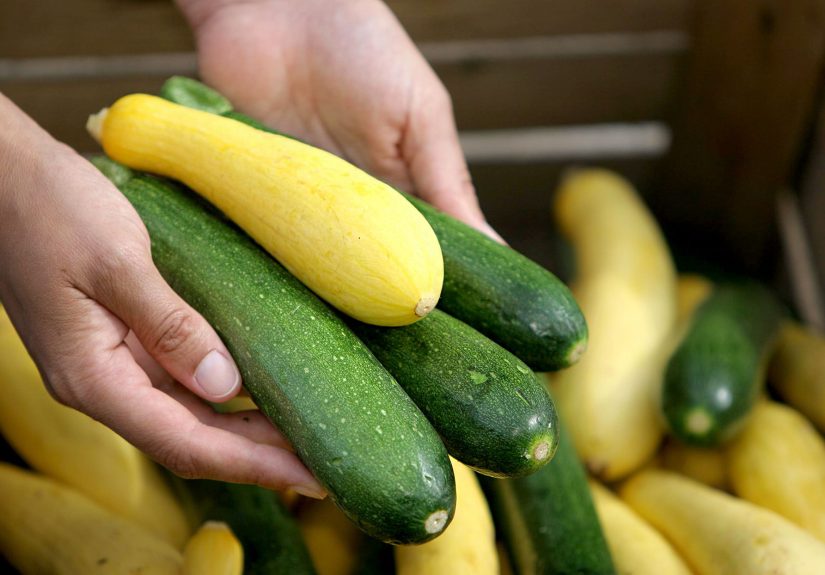
- Zucchini: classic, productive, versatile.
- Yellow straightneck or crookneck: buttery flavor; some varieties have bumpy skin.
- Pattypan (scallop squash): saucer-shaped; great grilled or stuffed.
- Specialty hybrids: striped, pale green, or two-tone fruits; some bred for disease resistance.
Where and When to Plant Summer Squash
Sunlight and Location
Give summer squash full sunaim for at least 6–8 hours daily. Good airflow matters, too, because crowded, shaded leaves invite fungal problems later in the season.
Timing: Soil Warmth Matters More Than Calendar Dates
Summer squash hates cold feet. Plant after your last frost and when the soil is warm. Many extension guides recommend waiting until the soil is at least around 60°F, and for best germination, closer to 70°F at about 2 inches deep. Cold soil can cause slow sprouting, weak seedlings, and a rough start that the plant never quite forgives.
A Quick Planting Rule You Can Actually Remember
- Direct sow outdoors: when nights are reliably mild and soil is warm.
- Start indoors (optional): only if your season is short; transplant carefully because squash roots are sensitive.
Soil Prep for Big, Happy Plants
Drainage and Texture
Summer squash prefers loose, well-drained soil. Heavy clay can work, but it needs help: compost, aged manure, and (if needed) raised beds to improve drainage.
Soil pH and Fertility
A slightly acidic to neutral pH is idealmany growing guides place summer squash comfortably around the 6.0–6.8 range. If you’ve never tested your soil, a basic soil test helps you avoid two classic mistakes: underfeeding (weak plants) and overfeeding with nitrogen (lush leaves, fewer fruits, more mildew).
Pre-Plant Checklist
- Work in 2–3 inches of compost where you’ll plant.
- If you use fertilizer, mix it in before planting (follow label rates).
- Keep the bed weed-freesquash seedlings don’t love competition.
Planting Summer Squash Step by Step
Option A: Direct Sow Seeds (Most Common and Very Effective)
- Make planting spots (either rows or “hills”/mounds). Hills warm up faster and drain well.
- Sow seeds about 1 inch deep (some guides suggest slightly shallower depending on soil texture).
- Plant 2–5 seeds per spot so you can thin later.
- Water gently to settle soil and keep evenly moist until germination.
- Thin seedlings to the strongest 1–2 plants per location once they’re a couple inches tall.
Option B: Transplants (Useful if You Need a Head Start)
If you start seeds indoors, do it 2–3 weeks before planting outnot earlier. Squash grows fast and can become root-bound quickly. Use biodegradable pots or be extra careful not to disturb roots when transplanting.
Spacing (AKA: The Part People Ignore and Then Regret)
Spacing affects airflow, disease pressure, ease of harvesting, and how many squash you can actually find before they become baseball bats. Here are practical spacing ranges used by many extension recommendations:
| Planting Style | Typical Spacing | Notes |
|---|---|---|
| Single plants in rows | About 2–3 ft between plants; 3–5 ft between rows | Improves airflow; easier to harvest |
| Hills (mounds) | Hills about 3–4 ft apart (often more for vining types) | Plant 2–3 plants per hill after thinning |
| Containers | One bush plant per 5–10+ gallon pot | Choose compact/bush varieties; stake if needed |
Watering: The Secret to Tender Squash (and Fewer Problems)
Summer squash needs consistent moisture, especially during flowering and fruit development. Irregular watering can stress plants, reduce production, and contribute to poor fruit quality.
How Much Water?
- A common target is about 1–2 inches of water per week (more in extreme heat or sandy soil).
- Water deeply so moisture reaches several inches down, encouraging strong roots.
Best Watering Practices
- Water early in the day so leaves dry faster.
- Water at the base (drip irrigation or a soaker hose is ideal).
- Avoid frequent light wateringit encourages shallow roots and grumpy plants.
Mulch, Weeding, and General Care
Mulch Like You Mean It
Add organic mulch (straw, shredded leaves, untreated grass clippings in thin layers) once soil is warm. Mulch helps retain moisture, suppress weeds, and keeps fruit cleaner.
Weed Control
Squash roots are relatively shallow. Weed with gentle hand pulling or shallow cultivation so you don’t damage roots.
Fertilizing Summer Squash Without Overdoing It
Summer squash is a moderate feeder. Compost-rich soil may need little else, but many gardens benefit from a light feeding plan.
A Simple Fertilizer Strategy
- Before planting: incorporate compost (and a balanced fertilizer if your soil test recommends it).
- Mid-season side-dress: when plants begin producing female flowers (the flowers with a tiny “baby squash” behind them), add compost around the root zone or apply a balanced/vegetable fertilizer per label directions.
Tip: Too much nitrogen can create a jungle of leaves with fewer fruitsand can increase shade and conditions that favor powdery mildew.
Pollination: Why You Might Have Flowers but No Squash
Summer squash plants make male and female flowers. If female flowers don’t get pollinated, the tiny fruit can shrivel and drop off. This can happen when:
- Pollinators are scarce (cool weather, rain, pesticide exposure, or low bee activity).
- Row covers are left on during flowering (they block bees).
- The plant is stressed (heat, drought, nutrient imbalance).
How to Hand-Pollinate (Easy and Slightly Magical)
- In the morning, find a male flower (thin stem, no baby fruit).
- Remove petals to expose pollen.
- Gently brush pollen onto the center of a female flower.
Growing Summer Squash in Small Spaces
Containers
Choose a bush variety and a large pot (often 5–10 gallons or larger) with drainage holes. Use a rich, well-draining potting mix and water more frequently than in-ground plants. Container squash can be surprisingly productivejust don’t skimp on pot size.
Trellising (Yes, Some Summer Squash Can Go Vertical)
Certain varieties can be trained upward with sturdy support. Trellising improves airflow, makes harvesting easier, and can reduce leaf wetnesshelpful for mildew-prone gardens. Use soft ties and support developing fruits if needed.
Common Pests (and What to Do About Them)
Summer squash can attract a lineup of garden villains. The key is early detection and simple, consistent management.
Squash Bugs
Squash bugs can weaken plants by feeding on sap and can build up quickly. Watch for bronze/brown adults, grayish nymphs, and clusters of coppery eggs on leaf undersides.
- Hand-pick adults and nymphs when numbers are low.
- Scrape or tape off egg clusters.
- Remove plant debris at season’s end to reduce overwintering sites.
Squash Vine Borers
These are notorious in many regions. Plants may look fine and then suddenly wilt like they just remembered an embarrassing middle-school memory. Vine borers tunnel inside stems.
- Use good sanitation: remove infested vines and end-of-season debris.
- Rotate planting locations year to year where possible.
- Row covers can help early, but remove them when flowering begins so bees can pollinate.
Cucumber Beetles and Other Cucurbit Pests
These can chew leaves and sometimes contribute to disease issues. Floating row covers early in the season plus prompt scouting can reduce damage in home gardens.
Common Diseases (and How to Prevent Them)
Powdery Mildew
Powdery mildew shows up as white, dusty patches on leavesoften later in the season. It thrives with moderate temperatures and can worsen with overcrowding and excess nitrogen.
- Space plants properly for airflow.
- Water at the base; avoid overhead watering when possible.
- Choose disease-resistant varieties if mildew is a yearly visitor.
- Rotate crops and remove badly infected foliage (don’t compost diseased leaves if your compost doesn’t heat thoroughly).
Wilts and Other Issues
Wilting can be from heat stress, drought, vine borers, or disease. If a plant wilts during the day but recovers at night, it may just need water or shade relief. If it stays wilted, inspect the stem and crown area closely for pest damage.
Harvesting Summer Squash for the Best Flavor
Summer squash quality is best when fruits are young, tender, and glossy. Once skin dulls and seeds harden, texture goes downhill fast.
When to Pick
- Zucchini: often best at about 6–8 inches long.
- Yellow squash: commonly 4–7 inches, depending on variety.
- Pattypan: delicious when smalloften 2–4 inches across.
How to Harvest
- Use pruners or a knife to cut fruit with a short stem attached.
- Harvest every 1–2 days once plants hit peak productionfruits can size up fast in warm weather.
- Remove oversized fruits, too. Leaving “giants” on the plant can slow new production.
Expected Yield (Realistic and Slightly Intimidating)
Under good conditions, summer squash can produce heavilysome guides estimate roughly 20–40 pounds per 10-foot row. Translation: plant thoughtfully unless you’re running a neighborhood squash distribution program.
Storing Summer Squash
Summer squash doesn’t store like winter squash. For best quality:
- Store unwashed fruit in a perforated plastic bag.
- Keep it cool; many kitchens are too warm for long storage, so the refrigerator crisper often works well for a few days.
- Plan to use it within 3–4 days for peak texture, though some fruit may last up to about a week depending on conditions.
Troubleshooting Quick Guide
“My plant has tons of flowers but no fruit!”
Likely pollination. Encourage pollinators, avoid spraying blooms, remove row covers during flowering, or hand-pollinate.
“Leaves have white powderhelp!”
Powdery mildew. Improve airflow, water at the base, avoid excess nitrogen, consider resistant varieties next season.
“My plant suddenly collapsed.”
Check for vine borer damage at the stem base. Also consider severe drought stress or disease if stems look healthy.
Conclusion: Your Summer Squash Game Plan
If you remember only a few things, make them these: plant summer squash in warm soil, give it full sun and room to breathe, water consistently, feed it moderately, and harvest often. Do those five things and your garden will reward you with tender, flavorful squash for weekspossibly monthsdepending on your season and pest pressure.
And if you do end up with an avalanche of zucchini, consider it a sign of success. Or a challenge. Or a mild warning from the universe that you are now the proud caretaker of a very enthusiastic plant.
Gardener Experiences: What It’s Really Like Growing Summer Squash (500+ Words)
Ask ten gardeners about summer squash and you’ll get ten different storiesplus at least three unsolicited zucchini bread recipes. Summer squash has a reputation for being “easy,” and that’s mostly true. But the day-to-day experience is where all the memorable lessons happen, usually right around the time you think, “Wow, this is going great,” and the garden replies, “Hold my compost.”
The first surprise is how fast everything happens. You plant seeds, and it feels like nothing is going on…until suddenly you’ve got a plant the size of a beach umbrella. Many gardeners learn (the fun way) that zucchini doesn’t do subtle. One week you’re admiring cute little leaves; the next week you’re trying to remember if you planted a vegetable or adopted a small shrub. This is where spacing becomes personal. If you planted too close, harvesting turns into a daily treasure hunt: “Is that a fruit, or just another leaf doing leaf things?”
Then come the flowersso many flowers. It’s common to see lots of blooms and still have a slow start on fruit. Gardeners often notice that male flowers show up first, and female flowers follow later. If pollinators are active, fruit set becomes a non-issue. But if it’s rainy, windy, unusually cool, or your neighborhood pollinators are taking the season off, you might see tiny baby squash start…then stall. Hand-pollination sounds fancy, but in practice it’s more like being a helpful matchmaker at a garden party: you introduce pollen to the right flower and then politely step away.
Watering is another “experience teacher.” Many gardeners start with good intentions, then a heat wave hits, and suddenly the squash looks dramatic at midday. The good news is squash can wilt in the afternoon heat and recover in the evening. The tricky part is learning the difference between “I’m warm and a little thirsty” and “Something is seriously wrong.” Over time, gardeners get a feel for the soil moisture and learn that deep, consistent watering during flowering and fruiting pays off in better texture and steadier production. You also learn quickly that overhead watering late in the day is basically sending a party invitation to fungal issues.
And yes, the pests show up. Squash bugs and vine borers are the two that get the most emotional reactions. Gardeners often develop a routine: morning coffee, quick garden walk, check leaf undersides for eggs, and mutter lightly under their breath. The gardeners who do best aren’t the ones who never get peststhey’re the ones who catch problems early. A small egg cluster removed today can save a plant later. It’s also common to learn that cleanup matters. Leaving old vines and debris can set you up for pest problems next year, so end-of-season sanitation becomes part of the “grown-up gardening” experience.
The biggest shared experience, though, is harvest overload. Summer squash can go from “not ready yet” to “why is this the size of a canoe?” in what feels like 48 hours. Gardeners often learn to harvest on a scheduleevery day or twobecause smaller fruits taste better and picking encourages more production. There’s a certain pride in catching them at the perfect size: glossy, tender, and just firm enough. There’s also a certain humility in missing one and discovering it later hiding under leaves like a vegetable jump-scare.
In the end, growing summer squash is a mix of easy wins and real-time learning. You’ll dial in your spacing, you’ll improve your watering rhythm, you’ll get better at spotting issues early, and you’ll probably become “that person” who says, “Please take some squash” with a cheerful smile that definitely contains a hint of desperation. And honestly? That’s part of the charm.