Table of Contents >> Show >> Hide
- Why Gardeners Love Viburnum
- Choose the Right Viburnum Before You Plant
- When and Where to Plant Viburnum
- How to Plant a Viburnum Bush Step by Step
- How to Grow Viburnum Successfully After Planting
- How to Get More Flowers and Berries
- Common Viburnum Problems and How to Handle Them
- Landscape Ideas for Viburnum Bushes
- Experiences Gardeners Commonly Have With Viburnum Bushes
- Conclusion
Viburnum is the kind of shrub that makes other landscape plants look like they forgot to prepare for the party. It can offer fragrant spring flowers, handsome foliage, colorful berries, strong fall color, and a shape that works in everything from foundation beds to privacy screens. In other words, viburnum is not just another green blob sitting politely in the yard. When you choose the right type and plant it well, it becomes one of the hardest-working shrubs in the landscape.
If you have ever wanted a shrub that looks expensive without acting high-maintenance, viburnum deserves a serious look. The genus includes deciduous and evergreen types, compact forms for smaller beds, and larger shrubs that can create screening without turning your yard into a hedge maze. Some are grown for fragrance, some for wildlife value, some for glossy leaves, and some because they perform like absolute champions with only moderate care.
The trick is simple: do not treat all viburnums like they are identical. They are not. Some like more sun, some tolerate more shade, some handle wetter soils better than others, and some need room to stretch instead of constant haircut-level pruning. Once you match the plant to the site, the rest becomes much easier. That is where good viburnum shrub care begins.
Why Gardeners Love Viburnum
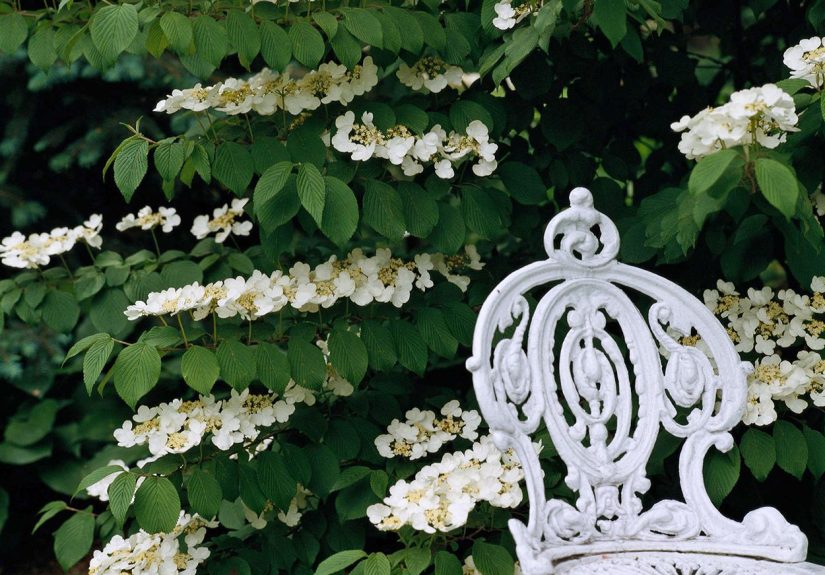
There are plenty of reasons gardeners keep coming back to viburnum. The flowers are often creamy white and showy in spring, many varieties have a lovely fragrance, and the berry display can be a big bonus in late summer and fall. Birds appreciate those fruits, and people appreciate not having to baby the plant every weekend. That is a rare win-win in landscaping.
Viburnum also plays well with different design styles. It can look polished in a formal border, natural in a woodland edge, and practical in a mixed privacy planting. A fragrant viburnum near a walkway makes a great first impression. A tough evergreen viburnum can anchor the corner of a house. A native viburnum can support wildlife while still looking tidy enough to keep the neighbors from whispering.
Best of all, growing viburnum bush is usually straightforward when you start with the basics: proper site selection, smart planting depth, steady watering during establishment, light mulching, and pruning at the right time.
Choose the Right Viburnum Before You Plant
Before you even pick up a shovel, choose a viburnum that matches your climate, available space, and landscape goals. This step saves a lot of future regret and unnecessary pruning.
Best viburnum types for fragrance
If scent is your priority, Korean spice viburnum and several related fragrant hybrids are favorites. These shrubs are loved for their spicy-sweet spring flowers and are often planted near patios, walkways, or entry areas where the fragrance can actually be enjoyed instead of wasted on the side yard beside the air-conditioning unit.
Best viburnum for berries and wildlife
Arrowwood viburnum, blackhaw viburnum, and other fruiting types are great choices if you want a wildlife-friendly shrub. Many viburnums produce heavier fruit displays when a compatible viburnum is planted nearby and blooms at the same time, so one lonely shrub may not give you the berry show you imagined from the nursery tag.
Best viburnum for hedges and screening
Sweet viburnum and certain evergreen or semi-evergreen types are often used for hedges and privacy planting in warmer regions. They grow quickly, fill in well, and create a dense screen when given adequate room. The key phrase there is “adequate room.” Plant a large viburnum too close to a wall and you will be pruning forever like you are trying to negotiate with a green octopus.
Best viburnum for shadier sites
Some viburnums handle partial shade better than others. Mapleleaf viburnum, for example, is often appreciated in more woodland-style settings. That makes it useful for gardeners who have bright morning light but not blazing afternoon sun.
Always check the plant tag for mature height, spread, and hardiness zone. Viburnums vary a lot, and the best way to grow a healthy viburnum bush is to stop forcing the wrong one into the wrong spot.
When and Where to Plant Viburnum
The best times to plant viburnum are usually spring and fall. These seasons give the roots time to settle in without the extra stress of peak summer heat. In warmer climates, fall planting is especially helpful because roots can begin establishing while the soil is still warm.
Light requirements
Most viburnum varieties grow best in full sun to partial shade. More sun usually means denser growth, stronger flowering, and often better fruiting. That said, some types appreciate protection from harsh afternoon heat in hotter southern climates, and a few species are better adapted to shadier conditions.
Soil needs
As a general rule, viburnum prefers moist, well-drained soil. Many do especially well in loamy soil with organic matter, and plenty tolerate a fairly broad range of soil textures once established. What viburnum generally dislikes is sitting in badly drained soil for long periods unless you have selected a species that is known to handle wetter conditions.
Spacing matters
Plant with mature size in mind. If the label says the shrub will eventually spread eight feet, believe it. Hope is not a pruning strategy. Proper spacing improves air circulation, lowers disease pressure, and helps the plant keep a more natural shape.
How to Plant a Viburnum Bush Step by Step
- Dig a broad hole, not a deep one. Make the planting hole about twice as wide as the root ball but no deeper than the root ball height.
- Check the root ball. If roots are circling inside the container, loosen them gently and trim badly circling roots if needed.
- Set the shrub at the correct level. The top of the root ball should sit level with the surrounding soil or just slightly above it if drainage is a concern.
- Backfill with native soil. Do not create a fancy little pocket of potting mix in the ground. Roots need to move into the surrounding native soil, not throw a tantrum because they found a luxury suite and do not want to leave.
- Water thoroughly after planting. This settles soil around the roots and removes air pockets.
- Add mulch. Apply a two- to three-inch layer of mulch over the root zone, but keep it pulled back from the base of the stems.
Do not do heavy pruning at planting time unless you are removing damaged growth. Let the shrub focus on root establishment first.
How to Grow Viburnum Successfully After Planting
Watering new viburnum shrubs
Newly planted viburnum needs consistent moisture while it gets established. Deep watering is better than frequent shallow sprinkles. A good early schedule is to water daily for the first week or two, then every two to three days for the following stretch, and eventually taper to weekly deep watering until the roots are established. After that, many viburnums become more drought tolerant, though performance is still better with occasional deep watering during dry spells.
Mulching for healthier roots
Mulch helps conserve soil moisture, moderate temperature swings, and reduce weed competition. Wood mulch works well. Keep it in a broad ring over the root area, but do not pile it against the stems. Volcano mulch is not stylish. It is just stem rot wearing a disguise.
Fertilizer and soil improvement
In reasonably healthy soil, viburnum usually does not need aggressive feeding. A light application of compost around the root zone or a balanced slow-release fertilizer in spring can help if growth is weak. Overfertilizing tends to encourage soft, overly vigorous growth, which is not a prize worth winning.
Pruning viburnum the smart way
Most spring-blooming viburnums should be pruned right after flowering. That timing protects next year’s flower buds, since many types bloom on old wood. If you wait too long and prune in late summer, fall, or winter, you may remove the very branches that were planning to put on next spring’s floral performance.
When pruning viburnum, focus on removing dead, damaged, or crossing branches first. Then shape lightly if needed. Older deciduous shrubs can often be renewed gradually by removing a portion of the oldest stems at ground level rather than shearing the whole plant into a green meatball.
How to Get More Flowers and Berries
If your viburnum grows leaves like a champion but flowers like it forgot the assignment, check a few things. First, make sure it is getting enough sun. Second, avoid pruning at the wrong time. Third, do not drown it in nitrogen-heavy fertilizer. And fourth, remember that many viburnums produce the best berry display when a second compatible plant is nearby for cross-pollination.
Flowering can also be reduced by late freezes, especially on varieties that bloom early. In colder climates, planting where the shrub gets some protection from winter wind and temperature swings can help preserve buds.
Common Viburnum Problems and How to Handle Them
Leggy or sparse growth
This usually points to too much shade, repeated shearing, or poor spacing. Give the plant more light if possible, and switch from constant clipping to selective thinning cuts. Viburnum generally looks better when it is allowed to keep a more natural branching habit.
Leaf damage from pests
One of the biggest pest concerns is viburnum leaf beetle, which can seriously damage susceptible species. If this pest is an issue in your region, inspect leafless twigs in the cool season for egg-laying damage, prune out infested twigs when practical, and choose less-susceptible viburnum types when planting new shrubs.
Disease issues
Most viburnums are fairly trouble-free when they are not stressed, but problems such as powdery mildew, cankers, and borer damage can show up more easily on plants that are crowded, weakened, or injured. Good site selection, steady watering during establishment, proper mulching, and thoughtful pruning go a long way toward prevention.
Few berries
If berries are the goal, lack of cross-pollination is often the reason for disappointment. Another issue can be too much shade. Birds may also eat the fruit quickly, which is wonderful for wildlife and mildly insulting for gardeners who were hoping to admire those berries another week or two.
Landscape Ideas for Viburnum Bushes
Viburnum is one of those rare shrubs that can be both beautiful and useful. Use a fragrant variety near an entrance. Plant a row of larger forms for screening. Mix native viburnums into a wildlife border with serviceberry, redtwig dogwood, or inkberry. Use compact cultivars in foundation beds where you want structure without a monster shrub staging a takeover.
If you want a four-season look, pair viburnum with bulbs for spring, perennials for summer, ornamental grasses for fall, and evergreens for winter backbone. Viburnum often acts as the “glue” that makes the whole planting feel intentional rather than like the garden center shopping cart just got a little too emotional.
Experiences Gardeners Commonly Have With Viburnum Bushes
One of the most common experiences gardeners share about viburnum is that it starts off looking modest and then gradually becomes one of the most useful plants in the yard. At planting time, a viburnum can seem almost too ordinary. The flowers are not neon, the leaves are not screaming for attention, and the tag rarely makes it sound like the star of the century. Then a few seasons pass, and suddenly that same shrub is blooming beautifully, holding its shape, feeding birds, and making the rest of the bed look organized.
Another frequent experience is learning the hard way that mature size really matters. A gardener buys a sweet little viburnum in a nursery pot, plants it three feet from the front window, and thinks, “This is going to be adorable.” Three years later, the shrub is practically introducing itself to people inside the living room. Viburnum is generous, but sometimes it is generously large. The happiest gardeners are usually the ones who gave the plant enough room from the start.
Many people also discover that fragrance is a bigger deal than expected. A scented viburnum near a path or porch can completely change how a garden feels in spring. Gardeners often talk about walking outside one morning, catching that spicy-sweet perfume in the air, and realizing the shrub has become part of the season’s identity. It is not just a plant anymore. It becomes that annual signal that winter is finally losing the argument.
There is also the classic watering lesson. Newly planted viburnum usually rewards consistent care, but it definitely does not appreciate being forgotten during the hottest stretch of summer. Gardeners often notice that the first year is all about establishment. The shrub may not explode with growth right away, and that can make people nervous. Then by the second or third season, once roots have spread, growth becomes stronger and the plant begins acting much more confident. Viburnum tends to play the long game.
Pruning is another area where experience teaches people quickly. Many gardeners prune at the wrong time once, lose the next season’s flowers, and never forget the lesson. After that, they become religious about trimming right after bloom instead of hacking away in fall. It is one of those gardening moments that stings just enough to become permanent wisdom.
Gardeners growing fruiting viburnums often mention the surprise joy of bird activity. At first, the berries are decorative. Then suddenly the shrub becomes a mini wildlife hotspot. Robins, cedar waxwings, and other birds can turn a quiet planting bed into a busy breakfast destination. For some people, that is the moment viburnum changes from “nice shrub” to “favorite shrub.”
And perhaps the most relatable experience of all is this: viburnum earns trust. Once gardeners grow one successfully, they often plant another. Then maybe another. One for fragrance, one for privacy, one for berries, one for the shadier corner. Before long, viburnum becomes the dependable friend in the landscape plan. Not flashy in a diva way, not fragile, not constantly demanding attention. Just reliable, adaptable, and good-looking through multiple seasons. In gardening, that kind of plant is pure gold.
Conclusion
If you want a shrub that delivers flowers, structure, berries, and strong landscape value without acting fussy, viburnum is a smart choice. The secret to success is choosing the right type for your climate and space, planting it at the correct depth, watering it well through establishment, mulching sensibly, and pruning it at the right time. Do that, and your viburnum bush can become one of the most rewarding plants in the yard. Not bad for a shrub that often starts with such a humble little nursery pot and such giant overachiever energy.