Table of Contents >> Show >> Hide
- Why Do Your Ears Need to Pop?
- Safe Methods to Pop Your Ears
- 1. Swallow Several Times
- 2. Yawn Like You Mean It
- 3. Chew Gum or Suck on Candy
- 4. Try the Valsalva Maneuver Gently
- 5. Use the Toynbee Maneuver
- 6. Move Your Jaw
- 7. Use Saline Spray for Congestion
- 8. Consider Allergy or Cold Treatment When Appropriate
- 9. Use Pressure-Regulating Earplugs for Flying
- 10. Help Babies and Children Swallow During Flights
- What Not to Do When Trying to Pop Your Ears
- Is It Ear Pressure, Earwax, or Something Else?
- How to Pop Your Ears on a Plane
- How to Pop Your Ears When You Have a Cold
- When Should You See a Doctor?
- Frequently Asked Questions
- Real-Life Experiences: What Ear Popping Usually Feels Like
- Conclusion
Few tiny body dramas feel as oddly urgent as ears that refuse to pop. One minute you are flying, driving through the mountains, fighting a cold, or simply minding your own business; the next, your ears feel like they are wrapped in bubble wrap and your voice sounds like it is broadcasting from inside a soup can.
The good news: in many cases, ear pressure is temporary and can be relieved with simple, safe methods such as swallowing, yawning, chewing gum, sipping water, or gently performing pressure-equalizing maneuvers. The not-so-good news: your ears are delicate equipment, not stubborn pickle jars. Forcing them, poking them, or trying internet “hacks” involving candles, sharp objects, or heroic nose-blowing can turn a small annoyance into a medical problem.
This guide explains how to pop your ears safely, why your ears feel clogged in the first place, what methods are worth trying, what to avoid, and when it is time to call a healthcare professional.
Why Do Your Ears Need to Pop?
The popping sensation usually involves your Eustachian tubes, small passages that connect the middle ear to the back of the nose and upper throat. Their job is surprisingly important: they help balance air pressure on both sides of the eardrum, allow fresh air into the middle ear, and help drain fluid.
Most of the time, these tubes open briefly when you swallow, yawn, chew, or move your jaw. That tiny click or pop is pressure equalizing. It is your ear’s way of saying, “All systems normal.”
When the Eustachian tubes are swollen, blocked, or slow to open, pressure can build up behind the eardrum. That may cause:
- A clogged or plugged feeling
- Muffled hearing
- Popping, clicking, or crackling sounds
- Mild ear discomfort or pressure
- A feeling of fullness in one or both ears
- Temporary balance changes in some cases
Common triggers include flying, elevator rides, mountain driving, scuba diving, colds, sinus congestion, allergies, ear infections, and sometimes earwax buildup. The trick is figuring out whether your clogged ear is caused by pressure behind the eardrum, wax in the ear canal, water trapped in the outer ear, or an infection. Each one needs a different approach.
Safe Methods to Pop Your Ears
Start gently. The safest methods are often the simplest. Your goal is to encourage the Eustachian tubes to open naturally, not to blast them open like a garage door in a storm.
1. Swallow Several Times
Swallowing activates muscles that help open the Eustachian tubes. This is why your ears often pop when you drink water during takeoff or landing on a plane.
Try taking small sips of water, swallowing deliberately, or repeating a few slow swallows. If your mouth is dry, water helps. If you are on an airplane, keep a bottle nearby and sip during ascent and descent. Airplane cabins are dry, and dry nasal passages can make congestion feel worse.
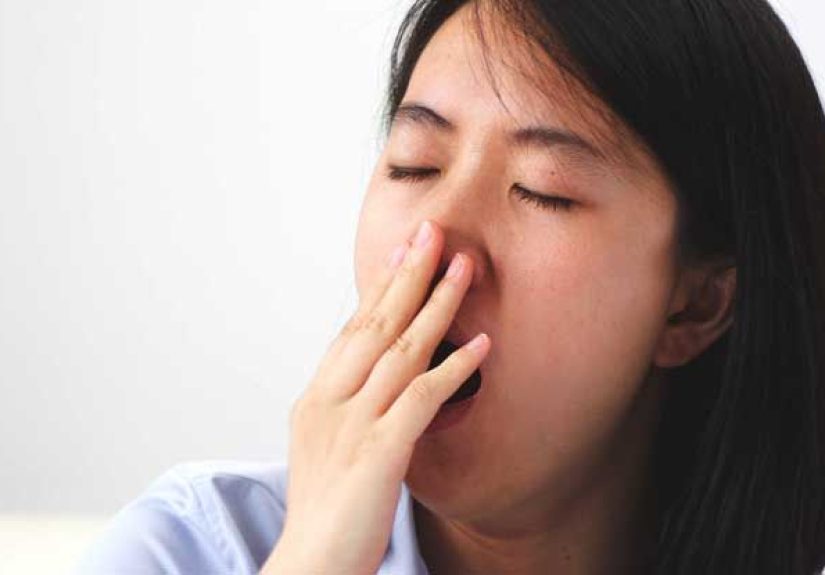
2. Yawn Like You Mean It
Yawning stretches the muscles around the Eustachian tubes and may help them open. A polite half-yawn might not do much, so go for the full theatrical version. You do not need an audience, but if your dog judges you, that is between you and your dog.
Open your mouth wide, move your jaw slightly, and repeat a few times. Do not force your jaw if you have temporomandibular joint pain or jaw problems.
3. Chew Gum or Suck on Candy
Chewing gum encourages frequent swallowing and jaw movement, both of which can help equalize pressure. Sucking on hard candy or lozenges can work similarly because it makes you swallow more often.
This is especially helpful while flying, riding in a fast elevator, or driving through altitude changes. Choose sugar-free gum if you chew often, and avoid hard candy for young children because of choking risk.
4. Try the Valsalva Maneuver Gently
The Valsalva maneuver is one of the most common ways to pop ears. Here is the safe version:
- Take a normal breath.
- Close your mouth.
- Pinch your nostrils shut.
- Gently blow as if you are trying to blow air through your nose.
- Stop as soon as you feel pressure shift or hear a soft pop.
The keyword is gently. Do not strain, blast, or turn red like you are trying to inflate a truck tire with your face. Too much force can irritate the ear or, rarely, contribute to injury, especially if you already have an ear infection, recent ear surgery, a perforated eardrum, severe congestion, or significant ear pain.
5. Use the Toynbee Maneuver
The Toynbee maneuver is another pressure-equalizing technique. It is often gentler than Valsalva for some people.
- Pinch your nose closed.
- Keep your mouth closed.
- Swallow.
This combines swallowing muscle action with a closed nose, which may help open the Eustachian tubes. Try it a few times, but stop if it causes pain.
6. Move Your Jaw
Jaw movement can help because chewing and swallowing muscles are connected to the area around the Eustachian tubes. Try gently moving your jaw side to side, opening and closing your mouth, or pretending to chew.
This works best for mild pressure changes. It may also help if your ear fullness is partly related to jaw tension. However, if you have jaw clicking, jaw pain, or a history of TMJ problems, keep the movements small and comfortable.
7. Use Saline Spray for Congestion
If your ears feel blocked during a cold or allergy flare, your nose may be part of the problem. The Eustachian tubes open near the back of the nose, so nasal swelling can make ear pressure worse.
A saline nasal spray or rinse can help loosen mucus and moisturize irritated nasal passages. Saline does not “pop” the ear directly, but it may reduce the congestion that keeps the Eustachian tubes from opening normally.
Use sterile or distilled water for nasal rinses, and follow product instructions carefully. This is not the time for freestyle plumbing.
8. Consider Allergy or Cold Treatment When Appropriate
When allergies, sinus congestion, or a cold are behind ear pressure, treating the underlying nasal inflammation may help. Options may include antihistamines, nasal steroid sprays, or short-term decongestants, depending on your health history.
However, decongestants are not right for everyone. People with high blood pressure, heart disease, thyroid disease, glaucoma, prostate issues, pregnancy, or certain medication interactions should ask a healthcare professional before using them. Nasal decongestant sprays should usually be used only for a short time, because overuse can cause rebound congestion.
9. Use Pressure-Regulating Earplugs for Flying
Special flight earplugs are designed to slow pressure changes during takeoff and landing. They do not magically cure ear problems, but some travelers find them useful, especially if they regularly get airplane ear.
Put them in before takeoff and before descent according to the product directions. Combine them with swallowing, sipping water, or chewing gum for best results.
10. Help Babies and Children Swallow During Flights
Young children may struggle with ear pressure because their Eustachian tubes are smaller and positioned differently than adults’. Babies cannot exactly say, “Excuse me, my middle-ear pressure is displeasing.” They cry, squirm, or tug at their ears instead.
During takeoff and landing, babies may benefit from breastfeeding, bottle-feeding, or using a pacifier. Older children can sip water, chew gum if age-appropriate, or suck on a safe candy if they are old enough. If your child has a history of severe ear pain during flights, ask a pediatrician about pain relievers or other preventive steps before traveling.
What Not to Do When Trying to Pop Your Ears
Some ear advice online should be placed gently into the nearest trash bin. Your ears are sensitive, and the wrong method can cause pain, wax impaction, infection, or eardrum injury.
Do Not Blow Too Hard
A gentle Valsalva maneuver may help. A forceful one is risky. If your ears do not pop after one or two gentle attempts, stop and try swallowing, yawning, steam from a warm shower, or congestion treatment instead.
Do Not Put Cotton Swabs Deep in Your Ear
Cotton swabs can push wax deeper, scratch the ear canal, or injure the eardrum. They are fine for cleaning the outer ear folds, but they do not belong deep inside the ear canal. The classic advice still wins: do not put anything smaller than your elbow in your ear. Conveniently, your elbow will not fit.
Do Not Use Ear Candles
Ear candling is not a safe or reliable way to clear ears. It can cause burns, deposit wax into the ear, block the ear canal, or damage the eardrum. It is one of those “natural remedies” that sounds soothing until you remember it involves fire next to your head.
Do Not Ignore Severe Symptoms
If your ear pressure comes with severe pain, drainage, bleeding, fever, sudden hearing loss, spinning dizziness, or symptoms after scuba diving, do not keep trying home maneuvers. Get medical advice promptly.
Is It Ear Pressure, Earwax, or Something Else?
Not every clogged ear needs popping. Sometimes the problem is not the Eustachian tube at all.
Eustachian Tube Pressure
This often feels like fullness, muffled hearing, popping, or pressure that changes with altitude, swallowing, or yawning. It may happen during flights, mountain driving, colds, allergies, or sinus congestion.
Earwax Blockage
Earwax blockage may cause fullness, reduced hearing, ringing, itching, or discomfort. Popping maneuvers usually will not fix wax because the blockage is in the outer ear canal, not behind the eardrum. Over-the-counter wax-softening drops may help some people, but you should avoid them if you have ear tubes, a perforated eardrum, ear drainage, recent ear surgery, or significant pain unless a clinician approves.
Water Trapped in the Ear
After swimming or showering, trapped water may cause a sloshy or blocked feeling. Tilting the head, gently pulling the outer ear, or lying on the affected side may help. Do not dig into the ear canal. If pain, itching, swelling, or discharge develops, it could be swimmer’s ear and may need treatment.
Ear Infection
An ear infection may cause ear pain, fever, fluid drainage, hearing changes, irritability in children, or trouble sleeping. If you suspect infection, especially in a child, it is better to seek medical advice rather than repeatedly trying to pop the ear.
How to Pop Your Ears on a Plane
Airplane ear happens when cabin pressure changes faster than your Eustachian tubes can adjust. It is most common during takeoff and landing, especially landing.
Before and during the flight, try these steps:
- Stay awake during takeoff and landing so you can swallow and yawn.
- Chew gum or suck on a lozenge during descent.
- Sip water regularly.
- Use pressure-regulating earplugs if you are prone to airplane ear.
- Try gentle Valsalva or Toynbee maneuvers if swallowing is not enough.
- Manage allergies or congestion before flying when medically appropriate.
If you have a severe cold, sinus infection, or active ear infection, flying may be more uncomfortable and may increase the risk of barotrauma. When travel is optional, postponing may be wise. When travel is unavoidable, ask a clinician what is safe for your situation.
How to Pop Your Ears When You Have a Cold
Colds can inflame the nose and throat, creating a traffic jam near the Eustachian tube openings. In this case, popping your ears may take longer because the tubes are swollen or sticky with mucus.
Try a layered approach:
- Drink fluids to keep mucus thinner.
- Use saline spray or a properly prepared nasal rinse.
- Take a warm shower or breathe warm, moist air for comfort.
- Try swallowing, yawning, or chewing gum.
- Use a gentle Valsalva only if it does not hurt.
- Ask a pharmacist or clinician about cold or allergy medicine if needed.
Do not repeatedly force your ears to pop when you are congested. If the Eustachian tubes are swollen shut, aggressive pressure can make things worse. Your ears may improve as the cold clears.
When Should You See a Doctor?
Most mild ear pressure improves on its own or with gentle home methods. However, some symptoms deserve professional evaluation.
Contact a healthcare professional if you have:
- Ear pressure or muffled hearing that lasts more than a few days
- Severe or worsening ear pain
- Fluid, pus, or blood draining from the ear
- Sudden hearing loss
- Ringing that is new, intense, or one-sided
- Dizziness, vertigo, or balance problems
- Fever or signs of infection
- Symptoms after scuba diving
- A history of ear surgery, ear tubes, or eardrum perforation
- Repeated airplane ear or chronic Eustachian tube dysfunction
A clinician can look at your ear canal and eardrum, check for wax, infection, fluid, or injury, and recommend the right treatment. Sometimes the best way to pop your ears is not to pop them at allit is to treat the condition keeping them blocked.
Frequently Asked Questions
Is it safe to pop your ears?
Yes, it is usually safe when done gently using swallowing, yawning, chewing, or mild pressure-equalizing techniques. It is not safe to use force, insert objects into the ear, or ignore pain and drainage.
Why do my ears crackle when I swallow?
Crackling may happen when the Eustachian tubes open and close, especially if there is mucus, allergy swelling, or pressure imbalance. Occasional crackling is common. Persistent symptoms should be checked.
Can allergies make my ears feel plugged?
Yes. Allergies can inflame nasal passages and the area around the Eustachian tubes, making it harder for pressure to equalize. Treating allergy symptoms may help relieve ear fullness.
Can earwax make my ears feel like they need to pop?
Yes, earwax blockage can create fullness and muffled hearing. However, popping maneuvers usually do not remove wax. Avoid digging with cotton swabs and ask a clinician about safe wax removal if symptoms persist.
Should I pop my ears if I have an ear infection?
Do not force your ears to pop if you suspect an infection. Ear pain, fever, drainage, or significant hearing changes should be evaluated by a healthcare professional.
Real-Life Experiences: What Ear Popping Usually Feels Like
Experience is often the best teacher, especially when the lesson happens at 30,000 feet and your left ear decides to become a sealed vault. Many people first learn about ear pressure during a flight. The plane begins descending, the cabin pressure changes, and suddenly one ear feels full, muffled, and stubborn. You swallow. Nothing. You yawn. Still nothing. Then you sip water, chew gum, and try one gentle nose-pinch blow. Pop. The sound returns, the pressure eases, and you briefly feel like a medical genius.
That common travel moment shows the most important rule: gentle persistence works better than panic. People often make ear pressure worse by trying too hard. They blow forcefully, repeat the maneuver every ten seconds, or dig around with a cotton swab because they assume “blocked” means “something is stuck.” In many cases, nothing is stuck. The Eustachian tube is simply slow to open because of pressure change, congestion, or inflammation.
A second common experience happens during a cold. Your nose is stuffy, your throat feels scratchy, and your ears join the group project by becoming muffled. Unlike airplane ear, cold-related ear pressure may not disappear with one dramatic pop. It may improve gradually as swelling goes down. In that situation, warm showers, hydration, saline spray, and rest can be more useful than repeatedly forcing the ears. Think of it like waiting for traffic to clear, not trying to honk your way through a closed tunnel.
Parents often notice ear pressure problems in children during flights or after upper respiratory infections. A baby may cry during landing because sucking and swallowing are harder to coordinate under pressure changes. Feeding, pacifiers, and sips of water for older children can help. The goal is not to make the child “pop” their ears on command, which is about as realistic as asking a toddler to calmly explain tax law. The goal is to encourage swallowing naturally and keep them comfortable.
Another real-world scenario involves swimmers. After a pool day, one ear feels clogged, and people assume it needs to pop. But water in the outer ear is different from pressure behind the eardrum. Swallowing may do nothing because the issue is in the ear canal. Tilting the head or lying on the affected side may help water drain. If pain or itching appears later, it could be swimmer’s ear, not simple pressure.
Finally, many adults learn the hard way that earwax can impersonate ear pressure. Muffled hearing, fullness, and ringing can feel like the ear needs to pop, but the cause may be wax. Cotton swabs often push wax deeper, making the blocked feeling worse. Professional removal may feel almost magical afterward, but it is not magic; it is safe technique and good lighting.
The practical takeaway from these experiences is simple: match the method to the cause. Pressure from altitude often responds to swallowing, chewing, yawning, and gentle maneuvers. Congestion needs patience and nasal care. Wax needs safe removal, not force. Pain, drainage, dizziness, or sudden hearing loss needs medical attention. Your ears are small, sensitive, and extremely useful, so treat them less like clogged plumbing and more like expensive audio equipment.
Conclusion
Knowing how to pop your ears safely can make flying, mountain driving, colds, and allergy seasons much less annoying. Start with low-risk methods: swallow, yawn, chew gum, sip water, or move your jaw. If needed, try a gentle Valsalva or Toynbee maneuver, but never force it. If congestion is the culprit, saline spray, hydration, allergy care, or appropriate cold treatment may help the Eustachian tubes work normally again.
The most important safety rule is to respect pain. A little pressure is common; sharp pain, drainage, fever, dizziness, sudden hearing loss, or symptoms that will not go away are not things to “power through.” When in doubt, let a healthcare professional look inside the ear. Your eardrum is thin, your hearing is precious, and no one has ever won a trophy for the most aggressive ear pop.
Note: This article is for general educational purposes and should not replace medical advice. People with severe symptoms, chronic ear problems, ear tubes, eardrum perforation, recent ear surgery, or symptoms after diving should seek professional care.