Table of Contents >> Show >> Hide
- Why Nuts and Bolts Get Rounded in the First Place
- 11 Clever Ways to Remove a Rounded Nut or Bolt
- 1) Upgrade to a 6-Point Socket (and Make It a Tight Fit)
- 2) Penetrating Oil + Patience + “Tap Therapy”
- 3) Locking Pliers (Vise-Grips) for the “I Need Teeth” Approach
- 4) Pipe Wrench or Water Pump Pliers for “Round-on-Round Combat”
- 5) Use Bolt Extractor Sockets (Reverse Spiral Flutes)
- 6) Impact Tools: Controlled Violence (the Helpful Kind)
- 7) Heat Cycling: Expand, Contract, Repeat
- 8) The “Candle Wax” Trick (Yes, Really)
- 9) Grind or File Two Flats for a Fresh Wrench Surface
- 10) Cut a Slot and Use a Big Flathead (or Manual Impact Driver)
- 11) Drill-Based Extractions (Left-Hand Bits, Extractors, or “Head Off, Then Out”)
- Advanced (But Brilliant): Weld a New Nut Onto the Rounded One
- How to Prevent a Rounded Bolt Head Next Time
- Real-World Experiences and Lessons (The 500-Word “Don’t Be Me” Section)
- Conclusion
A rounded nut or bolt is nature’s way of saying, “You didn’t want to finish that project today, right?” One minute you’re confidently turning a wrench. The next minute the bolt head looks like a shiny marble and your patience starts filing for divorce.
Don’t panic. You have optionsranging from polite persuasion (penetrating oil and a six-point socket) to the mechanical equivalent of calling a dragon (heat, welding, and drilling). Below are 11 clever, battle-tested ways to remove a rounded nut or bolt, written for real humans who sometimes use the wrong socket because it was “close enough.”
Why Nuts and Bolts Get Rounded in the First Place
The usual suspects
- Wrong tool fit: A slightly-too-big wrench or a worn socket slips and chews corners.
- 12-point heartbreak: On stubborn fasteners, a 12-point tool can round flats faster than you can say “just one more tug.”
- Rust and corrosion: Rust swells, binds threads, and turns “lefty-loosey” into “lefty-why-me.”
- Over-torque: Someone previously tightened it like they were sealing a submarine hatch.
- Limited access: If your wrench can only swing 3 degrees, slipping is practically guaranteed.
Quick triage before you start
- Safety first: Gloves, eye protection, and ventilationespecially with chemicals and heat.
- Confirm direction: Most fasteners loosen counterclockwise, but some are left-hand thread (common on certain specialty parts).
- Check the surroundings: Plastic, rubber, fuel lines, wiring, and painted surfaces hate torches and grinders.
- Plan for replacement: Assume the fastener won’t be reusable. Have a new nut/bolt ready.
11 Clever Ways to Remove a Rounded Nut or Bolt
1) Upgrade to a 6-Point Socket (and Make It a Tight Fit)
If you do nothing else, do this: switch to a 6-point socket. It grips the flats better than a 12-point and is less likely to slip.
How to do it
- Brush off rust and dirt so the socket can seat fully.
- Try the correct size firstthen consider a slightly smaller SAE/metric size if corrosion has “shrunk” the flats.
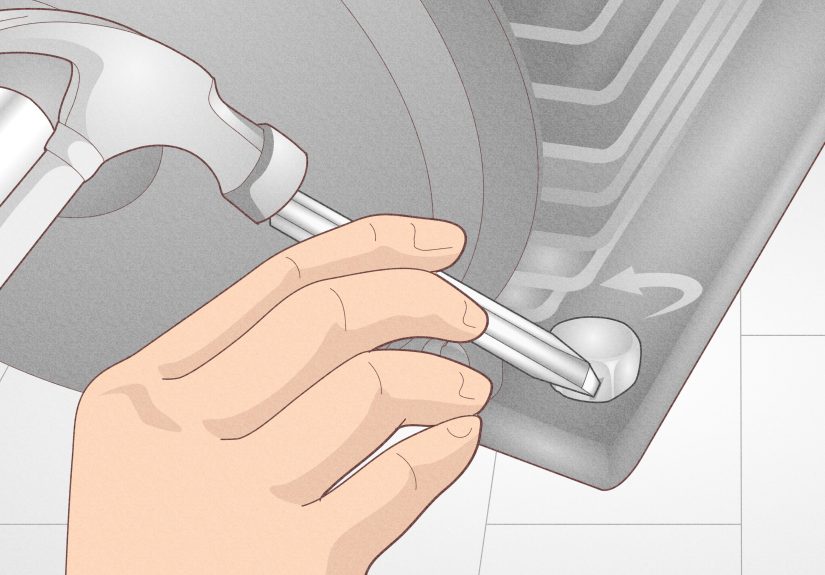
- Tap the socket onto the head with a hammer to seat it.
- Use a steady pull with a ratchet or breaker bar (no wild jerking yet).
Pro tip
Avoid angled force. Keep the socket square to the fastener so you don’t turn the head into modern art.
2) Penetrating Oil + Patience + “Tap Therapy”
Rounded fasteners are often also stuck fasteners. Penetrating oil helps creep into threads, and tapping helps break corrosion’s grip.
How to do it
- Spray penetrating oil at the base/threads (not just the head).
- Wait. Seriously. Give it timeminutes at minimum, longer if it’s crusty.
- Tap the bolt head and surrounding area with a hammer to send vibration through the joint.
- Try again with a 6-point socket or extractor method.
Pro tip
Reapply oil and repeat tapping. This is less “one magic trick” and more “gentle bullying over time.”
3) Locking Pliers (Vise-Grips) for the “I Need Teeth” Approach
If there’s enough head sticking out, locking pliers can clamp hard and give you a fresh grip point.
How to do it
- Adjust the pliers so they clamp extremely tightlooser than that is just decorative.
- Clamp on the bolt head as low as possible for maximum bite.
- Rock slightly back and forth, then commit to loosening.
When it works best
Bolt heads that are exposed and not recessed in a tight pocket.
4) Pipe Wrench or Water Pump Pliers for “Round-on-Round Combat”
A pipe wrench is designed to bite down harder as you apply forceperfect when flats are gone and you’ve got more “circle” than “hex.”
How to do it
- Set the wrench so the jaws have room to clamp down as you push.
- Position it so your turning force makes the jaws bite, not slip.
- Pull smoothly. If it slips, reposition and tighten the bite.
Pro tip
Pipe wrenches can be bulky. If clearance is tight, try aggressive water pump pliers with sharp teeth.
5) Use Bolt Extractor Sockets (Reverse Spiral Flutes)
This is the “buy once, brag forever” tool category. Bolt extractor sockets have reverse spiral flutes that bite into rounded heads as you turn counterclockwise.
How to do it
- Choose an extractor socket that fits snugly (often slightly smaller than the bolt head).
- Tap it on with a hammer so it seats firmly.
- Use a ratchet/breaker bar (or impact if rated) to turn counterclockwise.
Pro tip
If the extractor starts to slip, stop and re-seat it. Half-committed extractors make the problem worselike half-committed apologies.
6) Impact Tools: Controlled Violence (the Helpful Kind)
Impact tools work because shock loads can break rust bonds better than slow steady force. If you have an impact wrench or impact driver, this can be a game-changer.
How to do it
- Use a properly fitting 6-point or extractor socket.
- Start with short bursts. Let the tool “hammer” the fastener free.
- If it doesn’t move, switch tactics: oil, heat, then impact again.
Pro tip
If you’re working near delicate parts, go easyimpacts are persuasive, but they don’t know when to stop unless you tell them.
7) Heat Cycling: Expand, Contract, Repeat
Heat can expand metal and help crack corrosion. The magic is often in the heat-and-cool cycle, not just roasting the bolt like a marshmallow.
How to do it safely
- Clear away flammables and protect hoses/wires with heat shields if needed.
- Heat the area around the threads (often the nut or the housing) rather than only the bolt head.
- Let it cool slightly, then apply penetrating oil (expect smokeventilate).
- Try removal with an extractor socket, pipe wrench, or locking pliers.
Pro tip
Avoid overheating nearby seals and plastics. If you can’t confidently control the heat, skip to non-flame methods.
8) The “Candle Wax” Trick (Yes, Really)
After heating, wax can melt and wick into threadssimilar to penetrating oil but with a surprisingly clingy, creeping behavior. It’s an old-school mechanic move that feels like wizardry.
How to do it
- Heat the fastener area (carefully).
- Touch candle wax to the joint so it melts and seeps into the threads.
- Let it cool a bit, then attempt removal.
Pro tip
This works best on heavily rusted assemblies where threads are the real problemnot just a rounded head.
9) Grind or File Two Flats for a Fresh Wrench Surface
If you have access, grinding two opposite sides can turn a rounded head into something a wrench can actually understand.
How to do it
- Use a file, grinder, or Dremel to create two flat faces.
- Clamp a wrench or locking pliers on the new flats.
- Turn steadilythis method is all about clean contact.
Pro tip
Go slow. You’re sculpting grip, not carving a pumpkin.
10) Cut a Slot and Use a Big Flathead (or Manual Impact Driver)
For bolt heads you can reach from the top, cutting a slot gives you a new drive feature. Think of it as giving the bolt a new personality.
How to do it
- Cut a deep straight slot across the head with a hacksaw or rotary tool.
- Use a large flathead screwdriver or, better yet, a manual impact driver.
- Press down hard to keep the tool engaged and turn counterclockwise.
Pro tip
If the head is soft, a sharp smack on the driver can help seat it deeper and prevent cam-out.
11) Drill-Based Extractions (Left-Hand Bits, Extractors, or “Head Off, Then Out”)
When the head is toast or the bolt is snapped, drilling is often the cleanest way forward. Left-hand drill bits can sometimes back the fastener out while drilling. If not, you can step up to a screw/bolt extractor or drill the head off and remove the remaining stud.
Option A: Left-hand drill bit
- Center punch the bolt to keep the bit from wandering.
- Use a left-hand bit with the drill set to reverse.
- Drill slowly; sometimes the bit bites and spins the bolt out.
Option B: Spiral extractor
- Drill a pilot hole (use cutting oil, go straight).
- Tap in the extractor and turn counterclockwise slowly.
- If it feels like it’s about to snap, stopbroken extractors are extremely hard to drill.
Option C: Drill the head off (last resort, very effective)
- Drill until the head separates from the shank.
- Remove the part the bolt was clamping.
- Grab the exposed stud with locking pliers and back it out (often easier once tension is gone).
Bonus for rounded nuts: nut splitter
If it’s a nut (not a bolt head) and you can’t save it, a nut splitter cracks it so it releases without chewing up nearby threads.
Advanced (But Brilliant): Weld a New Nut Onto the Rounded One
If you have the skill and equipment, welding a nut onto a rounded bolt head is a two-for-one: you get a brand-new hex to turn and the heat helps break corrosion.
How to do it (high level)
- Clean the area with a wire brush or grinder for a solid weld.
- Place a nut over the rounded head and weld it securely.
- Let it cool briefly, then use a socket on the new nut and turn it out.
Safety note
Welding near fuels, vapors, or sensitive components can be dangerous. If you’re not comfortable, skip this method.
How to Prevent a Rounded Bolt Head Next Time
- Use 6-point sockets on tight or rusty fasteners.
- Seat the tool fullyclean dirt/rust first so you’re not gripping on a crusty “speed bump.”
- Use the correct size (and avoid adjustable wrenches for high-torque jobs).
- Add penetrant early and let it work before you apply maximum force.
- Break torque smart: steady pressure beats frantic yanks.
- Use anti-seize where appropriate (especially on exposed, high-heat, or corrosion-prone locations).
- Torque to spec when reassemblingyour future self will thank you.
Real-World Experiences and Lessons (The 500-Word “Don’t Be Me” Section)
If you spend enough time around DIY projects, you start collecting rounded-fastener stories the way people collect coffee mugs: too many, and somehow they keep multiplying. A common scene goes like this: you’re working on something “quick,” like swapping a battery terminal, changing a lawn mower blade, or replacing a thermostat housing. Everything is fine until you meet that one boltthe one that has fused itself to the universe through rust, heat cycles, and pure spite.
The first lesson people learn is that rounding usually isn’t caused by “a stubborn bolt” so much as “a slightly wrong tool choice made repeatedly.” Many rounded heads begin as a minor slip: a 12-point socket on a crusty hex, a worn-out wrench that’s seen better decades, or a socket that wasn’t fully seated because dirt was packed into the head. One small slip takes the corners off, the next slip takes more, and soon you’re gripping something that looks like a coin. The bolt didn’t betray youyou just gave it a makeover.
Another lesson: the best time to use penetrating oil is before you’ve destroyed the head. People often wait until they’re already angry. But penetrant works best when you still have good contact and can apply controlled torque. A helpful routine is “spray, wait, tap, try” instead of “try, slip, panic, spray, try harder.” The tapping part sounds silly until you’ve watched it work. Vibration helps break corrosion bonds, and it’s much kinder than swinging a breaker bar like you’re launching a satellite.
In real garages, extractor sockets are the hero tool that ends arguments. When someone finally switches to a reverse-flute extractor, the whole job often flips from impossible to boring (and boring is a compliment in bolt removal). The key is committing: pick the right size, hammer it on, and keep the tool straight. Half-seated extractors slip, and then you’re rounding the rounded thingwhich is like spilling your drink and then tripping over the spill.
Heat is where confidence and caution have to shake hands. People love the idea of “just add fire,” but the best results come from controlled heat cycling: warm the area, let it cool slightly, then reintroduce penetrant (or wax) and try again. It’s also where you learn to protect what you don’t want to melt. Hoses, wiring, and plastic clips can turn a bolt problem into a parts-shopping spree.
Finally, the “experience” most folks don’t expect: sometimes the cleanest win is admitting the fastener is sacrificial. Cutting a bolt head off or splitting a nut feels dramatic, but it can be faster, safer, and less damaging than hours of slipping tools. The real victory isn’t saving the old boltit’s saving the project (and your sanity). Replace the hardware, torque it properly, and walk away like a legend who definitely meant to do it that way all along.
Conclusion
Removing a rounded nut or bolt is part technique, part tool choice, and part emotional resilience. Start with the least destructive methodstight-fitting 6-point sockets, penetrating oil, and smart gripping toolsthen escalate to extractor sockets, impact, heat cycling, and drilling if needed. And if you’ve got the skills, welding a nut on can turn a “hopeless” fastener into a 30-second victory lap.
Most importantly: once you win, replace the fastener and prevent the sequel with proper sockets, good contact, and correct torque. The only thing worse than a rounded bolt is meeting the same rounded bolt again next weekend.