Table of Contents >> Show >> Hide
- The 15 Steps to Sell Your Car in Oregon
- Step 1: Pick your selling route (and your stress level)
- Step 2: Gather the essentials (so you don’t panic-search drawers later)
- Step 3: Handle any loan/lien first (Oregon is not into “surprise liens”)
- Step 4: Check open recalls (it’s free, and it builds trust)
- Step 5: Know the DEQ emissions reality (and don’t overpromise)
- Step 6: Price it like a pro (not like an optimist with feelings)
- Step 7: Spend 2 hours cleaning to earn $500 (yes, it’s that dramatic)
- Step 8: Take photos that don’t look like a Bigfoot sighting
- Step 9: Write an Oregon-smart listing (clear, honest, and searchable)
- Step 10: Screen buyers like you’re hiring a babysitter for your house
- Step 11: Do test drives safely (your car is not a free amusement ride)
- Step 12: Negotiate without getting emotionally adopted by the price
- Step 13: Get paid safely (and avoid “creative payment experiments”)
- Step 14: Complete Oregon title + odometer requirements correctly
- Step 15: Remove plates (optional, often wise) and notify Oregon DMV within 10 days
- Oregon Car Sale Paperwork Checklist
- Common Oregon Selling Mistakes (and how to dodge them)
- FAQ: Selling a Car in Oregon
- Final Thoughts
- Real-World Experiences: What It Actually Feels Like to Sell a Car in Oregon
Selling a car in Oregon is a lot like Oregon weather: mostly predictable, occasionally chaotic, and you’ll be happiest if you show up prepared. The good news? Once you know the Oregon DMV rules (hello, Notice of Sale) and a few real-world selling hacks (goodbye, “mysterious buyer” with a “mover coming at 2 a.m.”), the whole process is very doable.
This guide walks you through a clean, Oregon-specific, private-party salefrom pricing and photos to title, odometer rules, plates, DEQ considerations, and what to do after the car rolls away. (Not legal advice; always double-check current DMV/DEQ guidance.)
The 15 Steps to Sell Your Car in Oregon
Step 1: Pick your selling route (and your stress level)
You’ve got three common options: private party (usually the most money, the most effort), trade-in (fast and easy, typically less money), or instant cash offer/online buyer (somewhere in the middle).
If your priority is maximizing price, go private. If your priority is speed (or you hate strangers asking, “Is this still available?” at 1:12 a.m.), consider trade-in or an online offer. Oregon paperwork still matters either way, but private party is where the “15 steps” really shine.
Step 2: Gather the essentials (so you don’t panic-search drawers later)
Before you list anything, collect: your title, any lien payoff info (if applicable), maintenance records, spare key/fob, owner’s manual, and your current registration/insurance info. Buyers love paperwork because it suggests you’re a responsible adult, not a raccoon living in a glovebox.
If you can’t find your title and your vehicle is newer, you may need a replacement title before you can transfer itespecially if odometer disclosure is required.
Step 3: Handle any loan/lien first (Oregon is not into “surprise liens”)
If you still owe money on the car, don’t ignore it and hope the universe sorts it out. In Oregon, you generally can’t sell/donate/gift a vehicle if the loan isn’t paid offwork with your lienholder on payoff and release procedures.
Plan the payoff logistics: meet at the bank/credit union, confirm payoff amount, and get a signed lien release (or lienholder signature where required). Smooth lien handling turns a “maybe” buyer into a “take my money” buyer.
Step 4: Check open recalls (it’s free, and it builds trust)
Run a quick recall check using your VIN. If there’s an open safety recall, you can often have it repaired at no cost. Even if you don’t fix it before selling, disclosing it and showing you checked is a credibility booster.
Example: “VIN checked for recalls on Feb 21, 2026no open recalls found.” That one sentence can separate you from the sketchy listings with four blurry photos and a caption that just says “runs good.”
Step 5: Know the DEQ emissions reality (and don’t overpromise)
Oregon does not have a statewide safety inspection requirement for registration, but emissions testing is required for vehicles registered in certain areasmost notably the Portland Metro and Medford/Ashland areas.
You don’t always need to test just to sell, but the buyer may need emissions compliance to register (depending on where they live and what they’re registering). If you’re in a testing area, getting a fresh passing result can make your car easier to buy and easier to price confidently.
Step 6: Price it like a pro (not like an optimist with feelings)
Start with reputable pricing tools and market comps, then adjust for Oregon realities: Subarus are practically local currency, AWD matters, and a clean title with service records is worth real money.
Quick pricing method: find a realistic range, then set your list price slightly above your “walk-away” number to leave negotiation room.
Example: If your research suggests $11,000–$12,500, list at $12,450, expect offers around $11,500, and decide ahead of time what you’ll accept if someone shows up today with solid payment.
Step 7: Spend 2 hours cleaning to earn $500 (yes, it’s that dramatic)
Clean sells. Vacuum, wipe down plastics, clean windows inside/out, and remove personal items. A basic detail (or a DIY deep clean) often returns far more than it costs because it changes the buyer’s gut reaction from “project” to “proud purchase.”
Fix cheap wins: replace a dead headlight bulb, top fluids, and address obvious warning lights if it’s financially reasonable. Don’t sink money into major repairs unless you’re sure you’ll recover it.
Step 8: Take photos that don’t look like a Bigfoot sighting
Natural light, clean background, and consistent angles. Include: all four corners, front/rear, wheels/tires, interior front/rear, odometer, VIN plate (optional), and any flaws (rock chips, bumper scuffs). Honest flaw photos reduce drama later.
Tip: If it’s raining (so, Oregon), shoot under a bright carport or wait for a dry window. Water spots and gloomy lighting make even a great car look sad.
Step 9: Write an Oregon-smart listing (clear, honest, and searchable)
Include the basics buyers filter for: year/make/model/trim, mileage, title status, key features, maintenance highlights, and why you’re selling. Sprinkle naturally relevant terms like “AWD,” “clean title,” “maintenance records,” and your city/region (Portland, Eugene, Bend, Salem, Medford, etc.).
Mini template (not robotic): “2015 Honda CR-V EX AWD, 128k miles, clean title, new tires (Jan 2026), recent oil change, cold A/C, two keys, service records in hand. Selling because we upgraded.”
Step 10: Screen buyers like you’re hiring a babysitter for your house
Before meeting, ask a couple of quick questions: “Are you paying cash/financing?”, “When can you come see it?”, “Do you have a valid driver’s license for a test drive?” Real buyers answer clearly. Scammers usually don’t.
Red flags: overpayment offers, shipping agents, weird urgency, refusal to talk on the phone, and anyone who says, “My cousin will pick it up; I’m overseas,” as if that’s normal and not the plot of a scam novel.
Step 11: Do test drives safely (your car is not a free amusement ride)
Meet in a public place during daylight. Verify their driver’s license. Ideally, ride along. Choose a simple route that includes city streets and a short highway stretch. Keep your valuables out of the car and your paperwork out of sight.
Pro move: Have the buyer show proof of insurance (many people can pull it up on their phone). If they can’t drive legally, they can sit in the passenger seat and enjoy the scenic sound of you driving your own car.
Step 12: Negotiate without getting emotionally adopted by the price
Expect negotiation. It’s not personal; it’s a sport. Set your minimum acceptable number before anyone arrives. When someone lowballs, you can stay polite: “Thanksbased on condition and records, I’m staying near $X. If that works, come take a look.”
If a buyer points out real issues (tire wear, a cracked windshield, a warning light), adjust fairly or hold firm if you priced those issues in already.
Step 13: Get paid safely (and avoid “creative payment experiments”)
For private sales, safer options include cash (meet at a bank), a cashier’s check verified at the issuing bank, or a secure escrow-style transaction method if both parties trust the process. Avoid “extra money” checks, gift cards, and any scheme involving a “mover.”
Rule of thumb: Don’t sign over the title or hand over keys until you are confident the payment is legitimate and complete.
Step 14: Complete Oregon title + odometer requirements correctly
In Oregon, you’ll generally sign and date the back of the title (or a bill of sale). If there was a lien, ensure the lienholder has released interest properly.
Odometer disclosure matters: For many vehicles, Oregon requires an odometer disclosure completed by both seller and buyer. Oregon DMV guidance notes odometer disclosure can be done on the back of the title (or a secure odometer disclosure form). Certain vehicles are exempt (for example, older model years and other specific categories).
Practical tip: Fill everything out neatly in ink, double-check names and dates, and take photos/scans of the completed documents for your records.
Step 15: Remove plates (optional, often wise) and notify Oregon DMV within 10 days
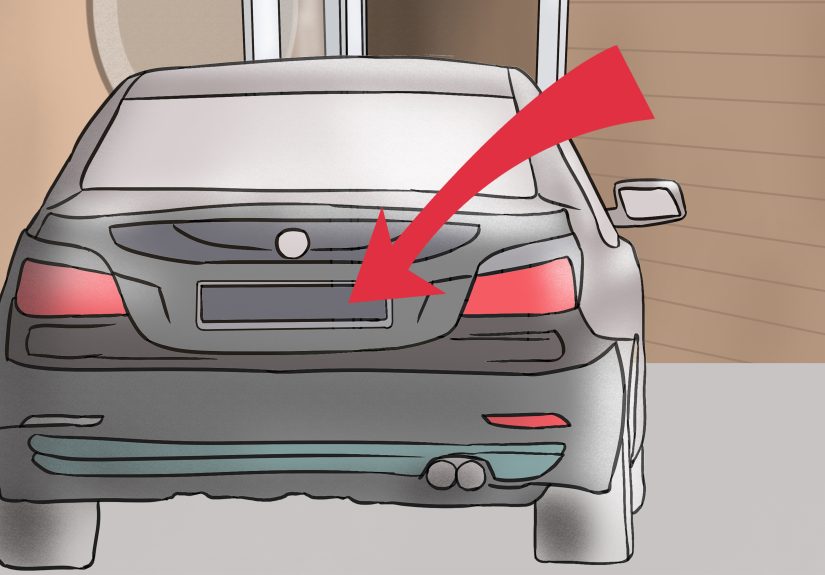
Oregon DMV states you may remove your license plates before selling. Many sellers remove plates to reduce the risk of tickets/tolls/parking surprises showing up in their life later. You may also be able to transfer plates to another vehicle under certain conditions.
Most importantly: notify the Oregon DMV of the sale within 10 days (often via DMV2U). This helps document that you sold iteven though DMV also notes that you can still appear as the owner on record until the buyer completes the title transfer.
After the sale, cancel or update your insurance, and keep your records (bill of sale, buyer info, confirmation of Notice of Sale) in a safe place.
Oregon Car Sale Paperwork Checklist
- Certificate of Title (signed/dated correctly)
- Lien release (if applicable)
- Odometer disclosure (when required)
- Notice of Sale submitted to Oregon DMV within 10 days
- Bill of Sale (often optional but highly recommended; good for records and buyer confidence)
- Maintenance records (optional, but valuable)
- Plate plan (remove/transfer as appropriate)
Common Oregon Selling Mistakes (and how to dodge them)
“I’ll do the DMV part later.”
Future-you is busy. Do the Notice of Sale promptly. It’s one of the best ways to protect yourself if the buyer takes their sweet time titling the vehicle.
“I didn’t know odometer disclosure mattered.”
It matters. Oregon has specific odometer disclosure requirements and exemptions. If you’re unsure, verify what applies to your vehicle before the buyer shows up with a pen.
“Sure, take it for a test drive alone.”
Hard pass. Verify license, set a route, and ride along whenever possible. You’re selling a car, not sponsoring a spontaneous road trip.
FAQ: Selling a Car in Oregon
Do I need a bill of sale in Oregon?
It’s often not strictly required for every private sale if the title is properly assigned, but it’s strongly recommended for documentation and clarity. Oregon provides a vehicle bill of sale form, and having one helps both parties prove the date, price, and vehicle details if questions come up later.
Does Oregon require emissions testing before selling?
Not always. Emissions testing is tied to registration requirements in certain areas (notably Portland Metro and Medford/Ashland). Buyers registering in a testing area may need the vehicle to pass emissions to complete registration. A recent passing test can make your listing more attractive.
Should I remove my license plates?
Oregon DMV says you may remove plates before selling. Many sellers do, especially for peace of mind. Plate transfer rules can vary based on ownership and plate type, so check what applies to your situation.
What’s the safest way to get paid?
Cash at a bank, or a cashier’s check verified at the issuing bank are common safer choices. Avoid overpayment scams and don’t hand over the title until payment is settled.
Final Thoughts
If you remember only three things: (1) handle liens and paperwork cleanly, (2) be smart about test drives and payment, and (3) file the Oregon Notice of Sale within 10 days. Do those, and selling your car in Oregon becomes a straightforward transactionnot a season-long drama series.
Real-World Experiences: What It Actually Feels Like to Sell a Car in Oregon
1) The Rainy Photo Shoot That Almost Ruined the Listing
In Oregon, the weather can turn your “quick photo session” into a cinematic tragedy. A common experience is taking photos right after a drizzleonly to upload them and realize every panel looks gray, streaky, and vaguely haunted. Sellers who get better results usually do one of two things: wait for a dry window (even a short one), or shoot under a bright carport/garage opening with the car angled toward natural light. The difference isn’t subtle. Buyers scroll fast, and clean, bright photos signal “well cared for” even before they read a single word. One seller described re-posting the same car after better photos and getting serious messages within hourssame vehicle, same price, totally different vibe.
2) The DEQ Question That Comes Up More Than You’d Think
Even when emissions testing isn’t required just to sell, buyers often ask about itespecially in Portland Metro or Medford/Ashland. The seller experience here is usually a judgment call: do you get a fresh emissions test to make the sale smoother, or do you price accordingly and let the buyer handle it? Many sellers who choose to test first say it reduces negotiation friction. They can confidently say, “It passed recently,” which calms anxious buyers. And the DEQ process can be surprisingly quickunless you go on a busy day. People who’ve done it a few times learn patterns: show up when lines are shorter, avoid peak times, and don’t treat it like an all-day event. Buyers appreciate the transparency, and sellers appreciate fewer “What if it fails?” conversations.
3) The “Too Easy” Buyer (Also Known as the Scam Speedrun)
Nearly every experienced private-party seller has a story about the buyer who is too excited. They offer full price (or more), ask almost no questions, and want to “arrange pickup.” This is where seasoned sellers go from friendly to firm. A healthy transaction includes normal human behavior: questions about maintenance, timing, and a test drive. The “I’m out of town but my agent will come” routine often leads into overpayment, fake checks, or pressure to hand over the title early. Sellers who avoid trouble typically insist on: local meet-up, verified payment at a bank, and no title handoff until funds are secure. The emotional experience is funny in hindsightbecause the scam pitch is often dramaticbut it’s stressful in the moment if you’re not expecting it.
4) The Surprisingly Awkward Part: The Hand-Off
The moment of exchange can feel weirdly intense: keys, paperwork, money, plates, photos of IDs (if you choose), and everyone suddenly forgets how pens work. People who’ve had smooth sales usually prep a simple “handoff kit”: printed bill of sale, a folder with records, and a checklist. They also take quick photos of the signed title/bill of sale for their own records. Another common experience is realizing you left something in the cargarage remote, sunglasses, that one phone charger you swore you didn’t care aboutright after the buyer drives away. The best prevention is doing a final sweep like you’re moving out of an apartment: center console, door pockets, trunk, under seats, and the glovebox. It’s a small ritual that saves a lot of “Can you meet again?” messages later.
5) The Peace-of-Mind Move: Filing the Notice of Sale Right Away
Sellers often say the biggest emotional relief comes after submitting the Notice of Sale to the Oregon DMV. Before that, there’s a lingering worry: “What if the buyer doesn’t title it quickly?” Oregon notes that you may still be listed as the owner on record until the buyer transfers the title, which is exactly why sellers love having proof they notified DMV. It feels like clicking “send” on the one email that protects your sanity. Many people do it the same daybecause once the car is gone, you want the paperwork trail to be as real as your empty driveway.