Table of Contents >> Show >> Hide
- Why Shoulder Training Works for Some Rats
- Before You Start: Set Up for Success
- Step 1: Build Basic Trust First
- Step 2: Teach Your Rat to Climb onto Your Arm
- Step 3: Move from Arm to Shoulder While Seated
- Step 4: Add a Cue for Climbing Up
- Step 5: Teach Calm Staying, Not Just Climbing
- Step 6: Practice Safe Returns
- Step 7: Only Then Add Standing and Walking
- Common Mistakes That Slow Training Down
- How to Tell If Your Rat Actually Likes Shoulder Time
- Safety Rules You Should Never Ignore
- What to Do If Your Rat Jumps or Slips
- Experience-Based Notes: What Shoulder Training Feels Like in Real Life
- Conclusion
If you have ever looked at your pet rat and thought, “You know what would make this friendship even better? If you rode around on my shoulder like a tiny furry manager,” you are not alone. Shoulder training is one of the most charming things a pet rat can learn. It looks impressive, feels sweetly old-school, and gives your rat a front-row seat to your day. But it is not a magic trick you force into existence with one sunflower seed and a dream.
Shoulder training works best when it grows out of trust. Rats are smart, social, curious animals, but they are also small prey animals with opinions, moods, and a very reasonable fear of falling off a giant moving human. The goal is not to make your rat stay put like a decorative pirate accessory. The goal is to teach your rat that your shoulder is a safe, rewarding, comfortable place to visit and, eventually, to rest.
This guide walks through the full process: how to build trust first, how to move from hand to arm to shoulder, what mistakes to avoid, and how to tell whether your rat actually enjoys the routine. By the end, you will have a training plan that is safer, kinder, and much more realistic than simply plopping your rat on your shoulder and hoping for the best.
Why Shoulder Training Works for Some Rats
Pet rats are highly interactive and often love exploring their people. Many rats learn recall, simple cues, and tricks through short, reward-based sessions. Shoulder riding is really just a more advanced version of that same learning process. Your rat is not memorizing a complicated speech. Your rat is learning a simple chain: climb up, stay calm, get rewarded, come back safely, repeat.
That said, not every rat is born to be a shoulder rat. Some are natural climbers who treat your sweatshirt like a luxury tree. Others prefer laps, sleeves, hoodie pockets, or the dramatic freedom of a couch expedition. Training can improve confidence, but personality still matters. A confident, curious rat may take to shoulder work quickly. A skittish or newly adopted rat may need far more time, and some may never truly enjoy the height or movement.
Before You Start: Set Up for Success
Choose the right training environment
Start in a quiet, familiar room. Not the kitchen while pans are clanging. Not near a barking dog. Not while your cousin’s toddler is doing surprise acrobatics nearby. A rat that feels startled or cornered is not learning; it is surviving the moment. A bedroom, office, or calm living room is usually a better choice.
Rat-proof the area first
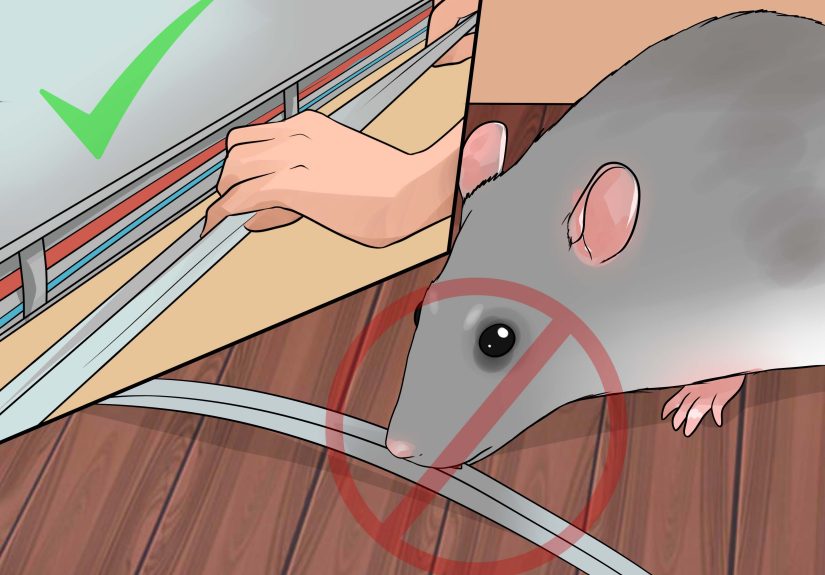
Before any shoulder training session, make the room safe. Cover gaps, block dangerous drop zones, remove toxic plants, hide electrical cords, and make sure other pets are nowhere near the session. If your rat decides your shoulder is merely a launch platform, you want the landing area to be boring, safe, and easy to manage.
Use tiny, high-value rewards
Training rewards should be tiny enough that your rat can eat them quickly and stay engaged. Think micro-treats, not a seven-course tasting menu. Tiny bits of banana, blueberry, pasta, or another vet-approved favorite usually work well. The reward should say, “Nice job,” not, “Session over, I need a nap.”
Start with a healthy, comfortable rat
If your rat is sneezing, lethargic, losing weight, breathing noisily, or just acting off, training can wait. Shoulder work requires balance, coordination, and confidence. If something feels wrong, prioritize a check-in with an experienced exotics veterinarian before asking your rat to practice climbing drills.
Step 1: Build Basic Trust First
Shoulder training begins long before the shoulder. First, your rat should be comfortable with your voice, your hands, and being picked up properly. A good starting sign is this: your rat willingly approaches you, accepts treats, and stays relatively relaxed when you scoop and support the body.
Use daily handling sessions that are short and gentle. Scoop from underneath or support from the sides, with the back feet supported as well. Never pick a rat up by the tail. Speak before you touch your rat so you do not startle them. Many rats relax faster when they can predict what is about to happen.
If your rat is nervous, spend a few days simply offering treats, talking softly, and letting them climb onto your hands or forearms. Hoodie time can help too. A secure hoodie pocket or bonding pouch gives many rats a cozy way to be close to you without feeling exposed. Think of it as confidence-building with fabric.
Step 2: Teach Your Rat to Climb onto Your Arm
Once your rat is comfortable being handled, teach the path you want. Sit on the floor, couch, or bed so there is less risk if your rat slips. Hold a treat so your rat needs to step onto your hand, then your forearm, to get it. Reward every calm step forward.
Do not rush the distance. First reward a paw on your hand. Then reward both front feet. Then reward a full climb onto your arm. This is classic shaping: you reward the tiny versions of the behavior until the full behavior becomes easy.
If your rat likes to use your sleeve as a tunnel, congratulations: you have a fuzzy overachiever. Let that work in your favor. Rats often feel safer when they have contact and cover, so long sleeves, a loose sweatshirt, or a robe can make early sessions easier.
Step 3: Move from Arm to Shoulder While Seated
Now comes the part people want to skip straight to. Resist the urge. The safest way to introduce the shoulder is while you are sitting down and staying mostly still.
Hold your rat on your forearm and place a treat near your upper chest or shoulder. Let your rat move up at their own speed. The first “shoulder rep” may last one second. That is fine. Reward the climb, reward calm body language, and let your rat come back down.
At this stage, you are not asking for a long stay. You are teaching this idea: shoulder equals safe place, treats happen there, nothing scary follows. Keep sessions short. Two or three good climbs are better than one long, messy attempt that ends in panic.
Use clothing to help
A hoodie, thick T-shirt, or soft sweatshirt often makes shoulder training easier because it gives your rat grip. A bare slippery shoulder is not ideal. You are training a rat, not auditioning for a tiny figure-skating event.
Step 4: Add a Cue for Climbing Up
When your rat starts climbing toward your shoulder reliably, add a cue such as “up,” “shoulder,” or your rat’s name followed by the cue. Say it once, then guide the behavior with the treat. Over time, many rats begin to anticipate the route and climb up when they hear the cue.
Keep the timing clean. Cue, climb, reward. If you wait too long to reward, the lesson gets muddy. Rats learn fast, but they are not mind readers. At least, not the certified kind.
Step 5: Teach Calm Staying, Not Just Climbing
Some rats love the climb but treat the shoulder like a speed bump. To build actual shoulder comfort, reward pauses. Give a tiny treat when your rat reaches the shoulder. Then wait one second and reward again if they remain calm. Then try two seconds. Then three.
You can also gently pet the neck or shoulder area if your rat enjoys social grooming. Many rats respond well to calm scritches. The point is to make the shoulder feel like a cozy perch, not a temporary bus stop.
If your rat keeps racing down your arm, do not scold. That is useful information. It means the shoulder still feels too exposed, too boring, too wobbly, or simply not worth the effort yet. Go back a step and make it easier.
Step 6: Practice Safe Returns
A good shoulder rat also needs an exit plan. Teach your rat to come back down your arm on cue or to step into your hands for a reward. This makes handling safer and prevents the classic problem of a rat who loves going up but considers coming down beneath their dignity.
Practice a simple recall with your rat’s name or a cue like “come.” Reward immediately when your rat moves toward your hand. A rat that returns easily is much safer to carry than one who thinks every session should end with a neck-to-bookshelf expedition.
Step 7: Only Then Add Standing and Walking
Once your rat can climb up, pause calmly, and come back down while you are seated, stand up for very short sessions. Literally a few seconds at first. Reward. Sit down again. Then try taking one or two slow steps. Reward. Build from there.
Early walking sessions should be calm and predictable. Move slowly. Avoid sudden turns, bending over, loud noise, or anything that might cause your rat to startle and jump. If your rat is still new to shoulder work, do not wander around the house doing chores like you are both seasoned professionals. Earn that level later.
Common Mistakes That Slow Training Down
- Starting with the shoulder too soon: If your rat does not trust your hands yet, the shoulder is way too advanced.
- Training when the room is chaotic: Noise, other pets, and random commotion can undo confidence fast.
- Using huge treats: Tiny rewards keep momentum going.
- Ignoring body language: A tense rat, flattened posture, frantic darting, or repeated escape attempts mean you need to slow down.
- Carrying an unsocialized rat high up: A startled fall can cause injury and destroy trust.
- Forcing stillness: You are creating comfort, not pinning down a fuzzy paperweight.
How to Tell If Your Rat Actually Likes Shoulder Time
A rat that enjoys shoulder training usually shows it clearly. They climb up willingly, settle instead of scramble, accept treats, groom themselves, explore calmly, or even tuck into a hood or collar area. Some rats sit behind the neck like they just bought premium seating. Others prefer the crook between shoulder and chest. Either is fine.
A rat that does not enjoy it may freeze tensely, leap off at the first chance, keep trying to hide inside your shirt in panic mode, or refuse to come out for sessions at all. Respect that feedback. Shoulder training is optional. A trusting lap rat is still an excellent rat.
Safety Rules You Should Never Ignore
- Never pick your rat up by the tail.
- Do not shoulder-carry a new, fearful, or unsocialized rat.
- Keep sessions low to the ground until the behavior is reliable.
- Make sure dogs, cats, and ferrets are completely out of the picture.
- Avoid shoulder sessions outdoors.
- Stop immediately if your rat seems sick, weak, or unusually stressed.
- Children should be supervised around small pets, especially during training.
What to Do If Your Rat Jumps or Slips
First, do not turn it into a dramatic opera. Sudden grabbing and loud reactions can frighten your rat more. If your rat jumps down in a safe room, calmly guide them back to you or use the recall you have been practicing. Then lower the difficulty next time.
If your rat slips because your shirt is slick or you moved too fast, change the setup. Use better clothing, shorter sessions, and slower movement. Training problems are often setup problems wearing a fake mustache.
Experience-Based Notes: What Shoulder Training Feels Like in Real Life
In real homes, shoulder training rarely looks like a perfect five-minute montage where the rat masters everything by the second chorus of a motivational song. It usually looks more like tiny wins stacked together. One day your rat accepts a treat from your hand. A few days later they step onto your forearm without acting like it is lava. Then, suddenly, they are halfway up your sleeve, poking their nose near your collar like they own the place.
Many owners notice that the first real breakthrough is not the shoulder itself. It is the moment the rat begins choosing you. That might be climbing onto your arm without being asked, waiting by the cage door when you enter the room, or running toward your voice instead of away from it. Once that happens, shoulder training becomes much easier because the behavior is no longer about bribing a nervous rat into a weird stunt. It is about giving a confident rat a new route to explore.
Another common experience is that rats often prefer one “style” of shoulder riding over another. Some like sitting high on the shoulder blade like tiny mountain goats. Others prefer curling into a hoodie hood, tucking under your hair, or wedging themselves between your neck and collar where it feels warm and enclosed. A rat choosing a semi-hidden perch is not failing shoulder training. In many cases, that choice means the rat feels safe enough to settle but still wants a little cover.
Owners also learn quickly that movement changes everything. A rat that sits peacefully on your shoulder while you are seated may suddenly turn into a speedy gymnast once you stand up. That does not mean the training failed. It usually means your rat needs more practice with the moving-human part of the exercise. Slow standing reps, one-step walks, and immediate rewards often make a huge difference.
There is also the funny reality that some rats become shoulder enthusiasts and some become shoulder critics. One rat may snooze there while you answer emails. Another may climb up, inspect your ear, decide your hairstyle is unacceptable, and head straight back down. Both responses are normal. Good training makes the shoulder available and pleasant; it does not erase personality.
The best long-term results usually come from people who keep the whole process relaxed. They do not chase perfection. They reward curiosity, stay patient with setbacks, and understand that trust is the real trick being taught. Once a rat believes you are safe, interesting, and predictable, the shoulder often becomes a natural extension of that bond. And when it happens for real, it is one of the nicest little moments in pet ownership: your rat perched calmly beside your face, whiskers moving, looking out at the room as if the two of you have important business to attend to.
Conclusion
If you want to shoulder train a pet rat, think of it as a trust project with a cute final result. Start low, move slowly, reward generously, and let the rat’s comfort set the pace. Build from hand to arm, from arm to shoulder, and from sitting to walking only when your rat is clearly ready. Done well, shoulder training is not just a trick. It is a practical sign that your rat feels safe with you, enjoys your company, and sees your body as part jungle gym, part safe zone, and part snack-delivery system.
The best shoulder rats are not the ones forced to stay put. They are the ones who choose to climb up there because experience has taught them that being with you is pleasant, predictable, and worth repeating. That is the real win.