Table of Contents >> Show >> Hide
- First Things First: Smoke Alarm and Carbon Monoxide Alarm Are Not the Same Thing
- How to Tell if Your Smoke Detector Detects Carbon Monoxide
- 1. Check the Front of the Unit for the Magic Words
- 2. Remove the Alarm and Read the Back Label
- 3. Search the Model Number Online
- 4. Look for Certification Information
- 5. Listen to the Alarm Pattern
- 6. Check for a Digital Display or App Features
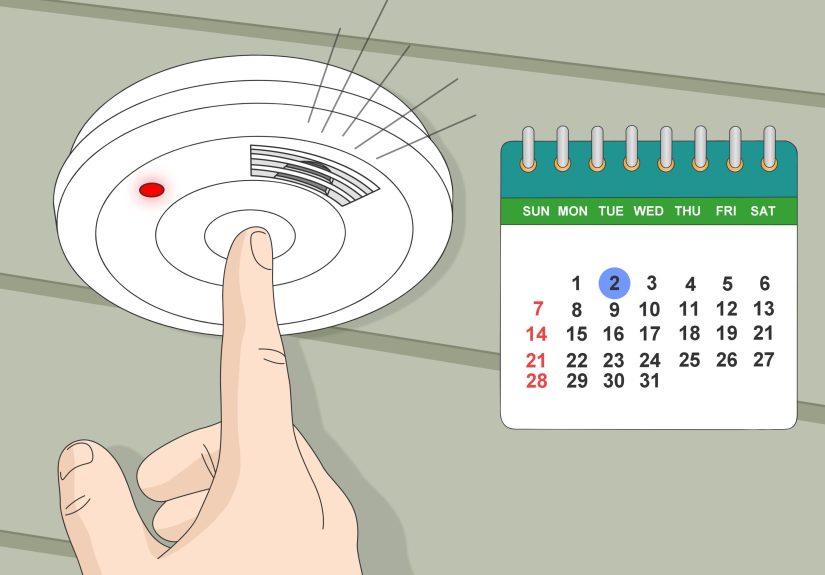
- 7. Pressing the Test Button Helps, but It Does Not Answer Everything
- Signs Your Alarm Probably Does Not Detect Carbon Monoxide
- Common Mistakes People Make
- Assuming all hardwired alarms are combo alarms
- Assuming a round white ceiling device must do everything
- Assuming one alarm sound means every risk is covered
- Assuming a hush button, LED light, or battery backup means CO detection
- Assuming your apartment or house definitely has CO coverage because it feels modern
- What to Do if You Still Cannot Tell
- If the Alarm Goes Off and You Suspect Carbon Monoxide
- When to Replace the Alarm
- Bottom Line
- Real-World Experiences: What This Looks Like in Actual Homes
You look up at the little white gadget on your ceiling and think, “Great, it beeps. But what is it actually protecting me from?” That is a fair question. A lot of people assume every smoke detector also detects carbon monoxide, the same way people assume every avocado is ready to eat. Both assumptions can go very wrong.
If you want the simple truth, here it is: not every smoke alarm detects carbon monoxide. Some devices sense smoke only. Some detect carbon monoxide only. Some are combination units that do both jobs in one body. And because many of them look almost identical from the floor, it is surprisingly easy to think you are covered when you are not.
This guide explains exactly how to tell whether your smoke detector also detects carbon monoxide, what labels and features to check, what alarm patterns mean, and what mistakes people make when they guess instead of verify. In normal everyday conversation, people often say “smoke detector,” but most residential products are really alarms. No worries, though, we will use the common term where it helps and keep the advice crystal clear.
First Things First: Smoke Alarm and Carbon Monoxide Alarm Are Not the Same Thing
A smoke alarm is designed to detect signs of fire, usually by sensing smoke particles in the air. A carbon monoxide alarm is designed to detect carbon monoxide gas, which is colorless, odorless, and absolutely not the kind of surprise any household wants. In other words, one is looking for evidence of fire, and the other is looking for a toxic gas that can build up quietly.
That means a smoke-only alarm cannot be expected to warn you about carbon monoxide. Likewise, a CO-only alarm does not replace a smoke alarm. If you want one device to cover both hazards, it must be a combination smoke and carbon monoxide alarm.
How to Tell if Your Smoke Detector Detects Carbon Monoxide
1. Check the Front of the Unit for the Magic Words
The easiest place to start is the front cover. Many combination units are labeled with wording such as:
- “Smoke and Carbon Monoxide Alarm”
- “Smoke + CO Alarm”
- “Combination Smoke/Carbon Monoxide Alarm”
- “CO” or “Carbon Monoxide” printed near an indicator light or test area
If the front only says “Smoke Alarm,” “Photoelectric Smoke Alarm,” or something equally smoke-specific, that is a strong sign it is not a combo unit. Could it still be hiding secret superpowers? Maybe. But usually manufacturers do not keep the carbon monoxide feature a mystery. If it has CO detection, they tend to mention it loudly and proudly.
Think of it this way: if the unit does both jobs, the manufacturer usually wants credit for both jobs.
2. Remove the Alarm and Read the Back Label
If the front is vague, the back label is where the truth usually lives. Twist the alarm off its mounting plate and inspect the sticker on the back. You are looking for:
- The model number
- The product description
- Any mention of “carbon monoxide,” “CO,” or “combination alarm”
- A manufacture date or replace-by date
This step matters because two alarms can look nearly identical from across the room but be completely different products. One might be smoke-only. The other might be a combo unit. The back label settles the argument fast.
If the label says something like “Smoke Alarm” and never mentions carbon monoxide anywhere, assume it does not detect CO. If it says “Combination Smoke/CO Alarm,” congratulations, you have found the answer without needing a detective hat.
3. Search the Model Number Online
Once you find the model number, look it up on the manufacturer’s website or in the user manual. This is one of the most reliable ways to confirm what the alarm actually does. Product pages and manuals usually spell it out clearly: smoke-only, carbon monoxide-only, or combo.
This is especially helpful if the alarm is older, dusty, painted over by an overconfident landlord, or written in text so tiny it seems designed for ants. A model lookup cuts through the confusion.
As a rule, if the product page or manual does not say it detects carbon monoxide, do not assume that it does.
4. Look for Certification Information
Another useful clue is certification labeling. Combination alarms are generally listed to standards that apply to both functions. In plain English, that means the unit should show recognized testing information for both smoke and carbon monoxide performance.
For many U.S. residential combo alarms, you will often see references connected to UL 217 for smoke alarm requirements and UL 2034 for carbon monoxide alarm requirements. If the labeling or documentation reflects both types of compliance, that is a very good sign you have a true combination unit rather than a smoke alarm pretending to be the Swiss Army knife of ceiling gadgets.
5. Listen to the Alarm Pattern
Your alarm sound can provide a huge clue. In many residential products:
- Smoke alarm pattern: three beeps, pause, repeating
- Carbon monoxide pattern: four beeps, pause, repeating
That means if your unit ever sounds four beeps and a pause, it likely has carbon monoxide detection built in, because smoke-only alarms do not suddenly wake up one day and decide to learn a new language.
Some smart or voice alarms go even further and literally announce the hazard. If the device says “Warning, carbon monoxide,” then yes, mystery solved. That unit detects carbon monoxide.
One important catch: interconnected alarms can all sound together. So the noisy alarm above your hallway may just be the messenger while another unit is the one that actually detected the problem. In a connected system, look for the initiating unit’s voice message, indicator light, app alert, or manual instructions to identify what triggered the alarm.
6. Check for a Digital Display or App Features
Some carbon monoxide or combo alarms have a digital display that shows CO levels or error codes. Others connect to an app and send specific smoke or CO notifications. These features can make identification much easier.
Still, do not use this as your only test. Not every combo alarm has a display, and not every smart feature means the alarm senses both smoke and carbon monoxide. Fancy does not always mean double-duty.
7. Pressing the Test Button Helps, but It Does Not Answer Everything
Yes, you should use the test button regularly. Yes, it is the recommended way to check that the unit’s electronics and horn are working. But here is the important nuance: a successful test does not magically prove a smoke-only alarm has a carbon monoxide sensor. It just proves the unit can perform the functions it was built to perform.
So if you press the button and hear sound, great. That means the alarm is alive. It does not tell you whether the product includes CO detection unless the unit or manual specifically identifies separate smoke and CO test patterns or verbal messages.
Also, never try to “test” a possible CO alarm with car exhaust, a running engine, or some other dangerous DIY science experiment. That is not smart troubleshooting. That is auditioning for a bad decision documentary.
Signs Your Alarm Probably Does Not Detect Carbon Monoxide
If one or more of these are true, your unit is probably smoke-only:
- It says “Smoke Alarm” and never mentions CO anywhere
- The manual only discusses smoke detection
- The alarm pattern is only smoke-related
- There is no carbon monoxide label, icon, indicator, or product listing
- The model number leads to a smoke-only product page
When in doubt, do not give the alarm credit for a feature you cannot verify. Carbon monoxide is too serious for hopeful guessing.
Common Mistakes People Make
Assuming all hardwired alarms are combo alarms
Not true. A hardwired alarm may still be smoke-only.
Assuming a round white ceiling device must do everything
Also not true. Plenty of smoke-only alarms look almost identical to combo units.
Assuming one alarm sound means every risk is covered
Nope. A beeping alarm is not the same thing as a carbon monoxide alarm.
Assuming a hush button, LED light, or battery backup means CO detection
Those features are common on many alarms and do not automatically mean the unit senses carbon monoxide.
Assuming your apartment or house definitely has CO coverage because it feels modern
Homes can have updated paint, trendy tile, and suspiciously expensive throw pillows while still lacking proper carbon monoxide protection. Verify the alarms, not the vibes.
What to Do if You Still Cannot Tell
If you cannot confirm the answer from the label, model number, or manual, the safest move is simple: treat it as smoke-only and add a listed carbon monoxide alarm or replace it with a listed combination unit that clearly states both functions.
That is usually easier than spending an entire afternoon staring at the ceiling like it owes you money.
For best protection, follow placement guidance too. Smoke alarms belong inside bedrooms, outside sleeping areas, and on every level of the home. Carbon monoxide alarms should be installed outside each sleeping area and on every level. A combo alarm can help cover both hazards when installed in a location that meets both needs.
If the Alarm Goes Off and You Suspect Carbon Monoxide
Do not stand there trying to become a beep interpreter while everyone else debates whether it is “probably nothing.” If you hear the carbon monoxide pattern, get everyone outside or into fresh air immediately. Then call 911 or your local emergency number. If anyone has symptoms such as headache, dizziness, weakness, nausea, vomiting, chest pain, or confusion, take that seriously.
Carbon monoxide poisoning can feel flu-like at first, which is one reason it is so dangerous. It does not arrive wearing a villain cape. It shows up quietly and hopes nobody pays attention.
When to Replace the Alarm
An alarm that is too old, malfunctioning, or chirping with an end-of-life signal is not giving you dependable protection. Many smoke alarms are replaced at around 10 years, and combination alarms may also have model-specific replacement timelines or end-of-life alerts. Check the back label for the manufacture date and replace-by information, and verify the instructions in the manual for your exact product.
If the unit chirps regularly, flashes a fault light, or fails a test, do not keep negotiating with it like it is a stubborn printer. Replace it.
Bottom Line
The fastest way to tell if a smoke detector detects carbon monoxide is to check the label and model number. If it clearly says “Smoke and Carbon Monoxide Alarm,” you are good. If it only says “Smoke Alarm,” it probably does not detect CO. The beep pattern, voice alerts, certifications, and manual can all help confirm the answer, but the product label is usually the first and best clue.
In home safety, assumptions are expensive. Verification is cheap. Take five minutes, twist the alarm off the mount, read the back, and know for sure. That little moment of effort can buy a lot of peace of mind.
Real-World Experiences: What This Looks Like in Actual Homes
One of the most common experiences people have is moving into a new apartment or house and assuming the alarms already do everything. The devices are installed, they look clean, and they blink reassuringly, so people think they are covered for smoke and carbon monoxide. Then one day they read the tiny print on the front and realize the unit only says “Smoke Alarm.” That is usually the moment when home safety goes from vague confidence to very focused shopping.
Another common scenario happens during a low-battery chirping episode at 2 a.m. Nobody becomes their best self during a ceiling beep concert in the middle of the night. In that sleepy confusion, people often ask whether the chirping alarm is the carbon monoxide unit, the smoke unit, or some mysterious household goblin. Once they take the alarm down and read the back label, the answer is usually obvious. The lesson is simple: the label settles arguments faster than group guessing in pajamas.
Families with interconnected alarms often get confused in a different way. One alarm starts the signal, and suddenly several alarms join the party. The natural reaction is to focus on the loudest unit nearby, but that may not be the one that detected the issue. People are often surprised to learn that in a connected system, the initiating device may be in another room. That is why voice alerts, flashing indicators, or app notifications can be so helpful. Without them, the whole house can sound like it is shouting, and nobody knows who started it.
There are also plenty of stories from people who bought a “smart” alarm and assumed smart meant all-in-one. Sometimes that is true. Sometimes it absolutely is not. A Wi-Fi connection, app notifications, or sleek design does not automatically mean the unit senses carbon monoxide. Plenty of people learn this only after digging through the manual. The packaging may have looked futuristic enough to launch a rocket, but the actual feature list is what matters.
Renters often have a particularly practical version of this experience. They want to know whether the building’s existing alarm setup is enough, but they do not want to remove every ceiling unit and start a hardware archaeology project. In many cases, just checking the visible wording on the alarm face, then confirming one model number online, answers the question quickly. If the device is smoke-only, adding a separate listed CO alarm in the right location is often the simplest fix.
Then there are homeowners with older alarms that have yellowed slightly over time and now look like vintage kitchen appliances. In those homes, the bigger issue is not only whether the alarm detects carbon monoxide, but also whether it is too old to trust. People often discover that the alarm has been hanging there for a decade or more, silently aging like forgotten cereal in the back of the pantry. That discovery usually leads to a full upgrade, which is not a bad outcome at all.
The reassuring part in all of these experiences is that the answer is rarely complicated once you know where to look. The confusion feels big from the floor. Up close, the label, model number, alarm pattern, and manual usually tell the story in a matter of minutes.