Table of Contents >> Show >> Hide
- Why a Pet Fountain Can Help Your Cat Drink More Water
- Before You Start: Choose the Right Cat Water Fountain
- Step 1: Place the Fountain in the Right Spot
- Step 2: Let Your Cat Meet the Fountain Unplugged
- Step 3: Use Positive Reinforcement
- Step 4: Turn the Fountain On for Short Sessions
- Step 5: Keep the Old Water Bowl Nearby at First
- Step 6: Make the Water Taste and Smell Fresh
- Step 7: Adjust the Flow Style
- Step 8: Build a Daily Fountain Routine
- Common Problems and Easy Fixes
- How Long Does Fountain Training Take?
- Extra Tips to Encourage Healthy Cat Hydration
- Real-Life Experience: What Fountain Training Often Looks Like
- Conclusion
Note: This article is written from real veterinary and feline behavior guidance, including common recommendations on cat hydration, clean water access, gradual introductions, and positive reinforcement.
Training a cat to use a pet fountain sounds simple until your cat looks at the bubbling machine like it just applied for a job as household villain. One minute you are proudly plugging in a shiny cat water fountain; the next, your cat is crouched across the room, judging both the device and your life choices. Good news: this is normal. Cats are curious, cautious, opinionated little hydration critics, and most of them need time to accept anything newespecially if it hums, splashes, glows, or appears without their written approval.
A pet fountain can be a great tool for encouraging better cat hydration. Many cats are drawn to moving water because it looks fresher, smells cleaner, and is more interesting than a still bowl. Some cats already beg at the faucet, dip a paw into the water dish, or meow dramatically beside an empty-looking bowl that is, in fact, completely full. A fountain can turn that behavior into a healthier daily habit. The trick is not to force it. The best way to train your cat to use a pet fountain is to introduce it slowly, keep it clean, place it wisely, and reward tiny steps of bravery.
Why a Pet Fountain Can Help Your Cat Drink More Water
Cats have a reputation for being picky drinkers, and they have earned it with style. Many cats prefer fresh, clean water and may reject bowls that are too close to food, too narrow, too dirty, too warm, or located in a busy area. Some cats dislike standing water because it can seem stale. Others simply enjoy the motion and sound of running water. A cat water fountain solves several of these issues by circulating water, adding gentle movement, and often filtering out hair, food crumbs, and the mysterious floating specks that appear five minutes after you clean the bowl.
Hydration matters for digestion, body temperature regulation, urinary tract health, and overall comfort. Cats eating mostly dry food usually need to drink more than cats eating wet food, which already contains a high amount of moisture. A fountain is not a medical treatment, but it can be part of a healthy water routine. If your cat suddenly drinks much more than usual, stops drinking, urinates more, loses weight, vomits, becomes lethargic, or shows signs of dehydration such as dry gums or sunken eyes, call your veterinarian. Training helps with preference; it does not replace medical care.
Before You Start: Choose the Right Cat Water Fountain
Not every fountain is worthy of your cat’s royal whiskers. The right fountain should be quiet, stable, easy to clean, and comfortable for your cat to approach. A loud motor may scare nervous cats. A tiny bowl area may annoy cats with sensitive whiskers. A lightweight fountain may slide around the floor and turn drinking time into a low-budget water park. Look for a model with a wide drinking surface, replaceable filters, dishwasher-safe parts if possible, and a pump you can clean without needing engineering credentials.
Material Matters
Stainless steel and ceramic fountains are popular because they are durable and often easier to keep clean. Plastic fountains can work well too, but they may scratch over time, and scratches can hold residue. Whatever material you choose, cleanliness is the real hero. Even the fanciest fountain becomes a tiny swamp if it is ignored. Your cat may not know how to file a complaint, but refusing to drink is close enough.
Noise Level Matters Too
Some cats love a bubbling stream. Others hear one soft gurgle and immediately decide the appliance is haunted. Start with the lowest flow setting if the fountain allows adjustment. A gentle ripple is usually less intimidating than a dramatic waterfall. For timid cats, you can even introduce the fountain unplugged first so they can sniff and inspect it without sound or movement.
Step 1: Place the Fountain in the Right Spot
Location can decide whether your cat becomes a fountain fan or an offended water traditionalist. Place the pet fountain in a calm, easy-to-reach area where your cat already feels safe. Avoid high-traffic zones, loud appliances, litter boxes, and tight corners where your cat may feel trapped. Many cats also prefer water placed away from their food. In the wild, food and water are not always side by side, and some domestic cats still seem to prefer that separation.
A good spot might be near a favorite resting area, along a familiar walking route, or in a quiet room where your cat already drinks. If you have multiple cats, think about social pressure. A shy cat may avoid a fountain if the bold cat guards the area like a furry nightclub bouncer. In multi-cat homes, consider more than one water station so nobody has to negotiate for a sip.
Step 2: Let Your Cat Meet the Fountain Unplugged
The first introduction should be boringin the best way. Put the fountain down without turning it on. Fill it with fresh water, but do not make a big show of it. Cats often distrust human excitement. If you hover beside the fountain whispering, “Come on, baby, drink the magic water,” your cat may assume you have lost control of the kingdom.
Let your cat sniff it, walk around it, ignore it, or stare at it from across the room. All of these are progress. Curiosity is the first step. You can place a familiar water bowl nearby so your cat does not feel forced to choose the new fountain immediately. Keep the old bowl available during the transition. Removing all other water too soon may create stress, and stress is not a great training assistant.
Step 3: Use Positive Reinforcement
Cats learn best when desirable behavior is rewarded. That does not mean bribing them with a full buffet every time they blink near the fountain. It means marking small wins. If your cat approaches the fountain, offer gentle praise. If your cat sniffs it, give a tiny treat. If your cat touches the edge or drinks from it, celebrate calmly. Think “warm encouragement,” not “stadium announcer.”
Use treats your cat already loves, such as a small piece of freeze-dried chicken, a lickable cat treat, or a few pieces of kibble from their regular meal. Keep rewards tiny. The goal is to build a positive association, not accidentally create a cat who expects room service every time water exists.
What Not to Do
Do not push your cat toward the fountain. Do not pick your cat up and place their face near the stream. Do not splash them. Do not remove water access to “make them figure it out.” Those methods can scare your cat and damage trust. If a cat feels trapped or pressured, the fountain may become a scary object instead of a helpful drinking station.
Step 4: Turn the Fountain On for Short Sessions
Once your cat is comfortable with the fountain sitting still, turn it on for a short period while your cat is nearby but not cornered. Keep the flow gentle. Watch your cat’s body language. Forward ears, relaxed posture, sniffing, and slow blinking are good signs. Flattened ears, a tucked tail, wide eyes, hissing, or running away mean the fountain may be too much too soon.
Turn it off after a few minutes and try again later. Short, positive sessions work better than one long, dramatic introduction. Some cats adjust in a day. Others need a week or two. A few will require patient negotiations worthy of international diplomacy. That is okay. Cats are not slow; they are thorough.
Step 5: Keep the Old Water Bowl Nearby at First
During the first week, keep your cat’s regular water bowl available. Place it a few feet away from the fountain, not directly beside it. This gives your cat choice and reduces pressure. If your cat starts drinking from the fountain regularly, you can slowly move the old bowl farther away or reduce its importance. Some cats will continue using both, which is perfectly fine. The goal is hydration, not winning a fountain loyalty contest.
If your cat completely ignores the fountain, try moving it to another location. A simple change of scenery can make a surprising difference. Cats may reject a fountain in the kitchen but love it in the hallway. They may avoid it near the washing machine but use it happily near a sunny window. Your cat is not being difficult. Well, maybe a little. But mostly, they are responding to comfort and security.
Step 6: Make the Water Taste and Smell Fresh
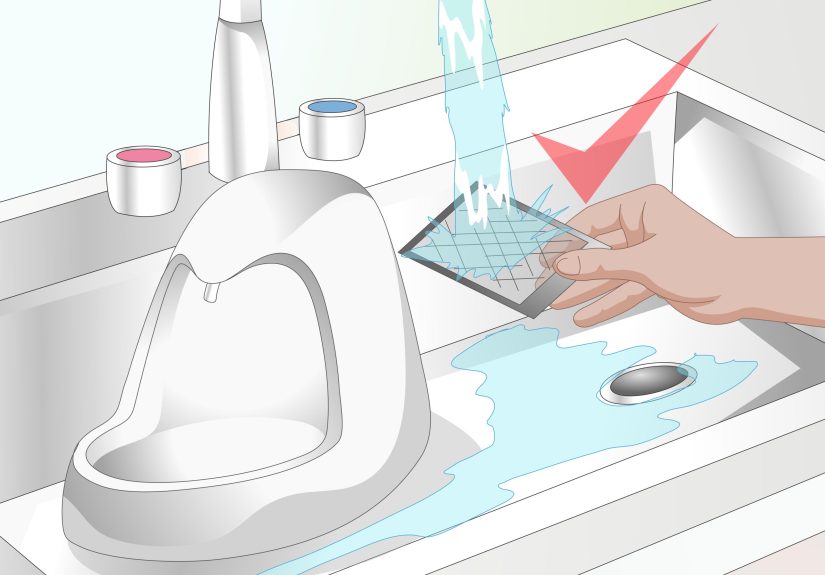
Cats notice water quality. If the fountain smells like plastic, soap, old filter, or last week’s mystery slime, your cat may refuse it. Wash the fountain before first use with mild, pet-safe dish soap, rinse thoroughly, and run water through it before offering it to your cat. Replace filters according to the manufacturer’s instructions, and clean the pump regularly. The pump is often where hair and mineral buildup hide like tiny villains.
Use fresh water daily. Even though a fountain circulates water, it still needs refilling and cleaning. If your tap water has a strong smell or taste, try filtered water. Some cats are sensitive to chlorine-like odors or mineral flavors. You do not need luxury bottled water imported from a glacier guarded by monks; you simply need water your cat finds acceptable.
Step 7: Adjust the Flow Style
Many pet fountains offer different flow settings: bubbling, streaming, waterfall, or gentle surface movement. Cats have personal preferences. A playful cat may enjoy a visible stream. A cautious cat may prefer quiet ripples. A senior cat may need an easy-to-reach basin instead of a tall spout. Try one setting for a few days before changing it, so your cat has time to decide.
Watch how your cat interacts with the water. If they paw at it but do not drink, the movement may be too interesting or confusing. Lower the flow. If they sniff but walk away, the stream may be too loud or splashy. If they drink from the basin but not the falling water, that still counts as success. The fountain does not care which part they use, and neither should you.
Step 8: Build a Daily Fountain Routine
Cats love routine, especially when they pretend they do not. Refresh the fountain at the same time each day. Clean it on a predictable schedule. Reward early fountain use consistently. A daily routine helps the fountain become part of the normal home environment rather than a suspicious gadget that appeared during a human shopping spree.
A simple routine might look like this: rinse and refill the fountain each morning, check the water level at night, wash the main parts every few days, and deep-clean the pump weekly or as directed. If your cat has long hair, multiple pets share the fountain, or your home is dusty, clean it more often. A clean fountain is more appealing and safer.
Common Problems and Easy Fixes
My Cat Is Afraid of the Fountain
Unplug it and start over. Let your cat explore it as a still water bowl for several days. Move it to a quieter spot. Use treats near the fountain, not on wet parts. Turn it on only briefly, and keep the flow low. Fearful cats need control and distance. Give them both.
My Cat Plays With the Water Instead of Drinking
Some cats treat water like an interactive toy. If your cat splashes, paws, or drops toys into the fountain, try a heavier model with a wider base, use a waterproof mat, and provide more playtime away from the water station. A bored cat may invent games. Unfortunately, those games often involve your floor.
My Cat Drinks From the Sink but Not the Fountain
Try a fountain with a visible stream instead of a bubbling basin. Place it near the sink area if safe and practical. Gradually turn off the faucet sooner and redirect your cat to the fountain with praise and treats. The sound and movement may need to resemble the faucet before your cat accepts the substitute.
My Cat Used It Once and Then Stopped
Check the basics: Is the water fresh? Is the filter old? Is the pump noisy? Did the fountain move to a new place? Did another pet scare your cat near it? Cats may stop using a fountain if one small detail changes. Clean it thoroughly, return to a low flow, and reintroduce it with rewards.
How Long Does Fountain Training Take?
Some cats use a pet fountain within minutes. These are the cats who also climb into boxes before you finish opening them. Other cats need several days or weeks. Kittens and curious young adults may adapt faster, while cautious seniors or cats with past stress may need more time. Do not compare your cat to internet cats who dramatically sip from fountains in slow motion. Those cats have agents.
A realistic training timeline is three to fourteen days for many cats. Very cautious cats may need longer. The key is steady exposure without pressure. If your cat is eating normally, drinking from another source, and acting healthy, patience is usually fine. If your cat is not drinking enough or shows any concerning health signs, contact your veterinarian promptly.
Extra Tips to Encourage Healthy Cat Hydration
A fountain is useful, but it should be part of a larger hydration plan. Offer wet food if appropriate for your cat’s diet. Keep water stations clean. Place water in multiple areas of the home. Use wide bowls or fountains that do not press against the whiskers. Keep water away from litter boxes and strong smells. Monitor changes in drinking habits, especially in senior cats.
If you are trying to estimate water intake, measure how much water you add to the fountain and how much remains at the end of the day, remembering that evaporation and spills can affect the number. In multi-pet homes, tracking individual intake is harder. Smart fountains may help, but observation is still valuable. You know your cat’s normal behavior better than anyone. If something feels off, trust that instinct and ask your vet.
Real-Life Experience: What Fountain Training Often Looks Like
Training a cat to use a pet fountain rarely looks like a perfect step-by-step video. In real homes, it looks more like a tiny comedy series. Day one: you unbox the fountain, wash every part, fill it carefully, and place it in the perfect location. Your cat approaches, sniffs once, and leaves with the expression of someone who has found a suspicious tax document. This is not failure. This is the inspection phase.
Day two may bring the classic paw test. Your cat stretches one foot toward the water, taps it, shakes the paw dramatically, and walks away as if betrayed by physics. Do not panic. Pawing is curiosity. Many cats test water depth and movement before drinking. Place a washable mat underneath and let your cat investigate. If splashing becomes excessive, reduce the flow or switch to a calmer fountain top.
By day three or four, some cats begin drinking when nobody is watching. This is extremely cat-like. You may never see the first sip. Instead, you notice the water level dropping or hear a tiny midnight slurp from the hallway. Resist the urge to run in cheering. Quiet confidence works better. Refill the fountain, keep it clean, and act like this was your cat’s idea all along.
With nervous cats, the biggest lesson is patience. One owner might place the fountain near the old bowl, leave it unplugged for three days, then turn it on for five minutes during treat time. Another might discover the cat hates the kitchen but loves the fountain in the bedroom. A senior cat may prefer drinking from the lower basin because bending to a stream feels awkward. A kitten may try to climb into the fountain because kittens believe every object is either food, toy, bed, or enemy. Each response teaches you something useful.
The best experience-based tip is to avoid making the fountain a big emotional event. Cats are sensitive to our energy. If you hover, coax, clap, and celebrate too loudly, your cat may decide the fountain is part of a strange human ritual and avoid it. Instead, create a calm setup. Put treats nearby after your cat investigates. Keep the motor quiet. Clean it often. Let the fountain become ordinary.
Another practical lesson: cleaning is not optional. Many cats accept the fountain and then reject it later because the filter gets old, the pump becomes louder, or biofilm builds up inside the basin. If your cat suddenly stops using a fountain they previously liked, clean the entire unit before assuming they changed their mind. Take apart the pump, rinse the filter area, scrub corners with a small brush, and refill with cool water. Often, the cat returns as if nothing happened, which is very generous of them considering they will not help with maintenance.
Finally, remember that success does not always mean your cat uses the fountain exclusively. Some cats drink from the fountain in the morning, a bowl at night, and the bathroom sink whenever they can emotionally manipulate a human. That is fine. The real goal is reliable access to clean water and a cat who feels comfortable drinking. If the fountain adds interest, freshness, and convenience, it has done its job.
Conclusion
Learning how to train your cat to use a pet fountain is mostly about respect: respect for your cat’s caution, preferences, senses, and deeply held belief that all new objects must be investigated like potential alien technology. Choose a quiet, easy-to-clean fountain. Place it in a safe location. Introduce it unplugged, reward curiosity, turn it on gradually, keep familiar water available, and maintain it like the tiny hydration station it is.
A pet fountain can encourage better drinking habits, especially for cats who love running water or dislike stale bowls. But the magic is not in the gadget alone. The magic is in clean water, patient training, and giving your cat enough control to decide the fountain is acceptable. Once that happens, you may finally see your cat stroll over, take a confident sip, and walk away like they invented the whole idea.