Table of Contents >> Show >> Hide
- Why an Attic AC Drain Line Clog Is a Bigger Deal Than It Sounds
- Common Signs Your AC Drain Line in the Attic Is Clogged
- What You Will Need Before You Start
- How to Unclog an AC Drain Line in an Attic: 10 Steps
- Step 1: Turn Off the AC at the Thermostat and the Power Source
- Step 2: Locate the Drain Line, Drain Pan, and Cleanout Tee
- Step 3: Check for Standing Water and Remove What You Can
- Step 4: Remove the Cap From the Cleanout Tee and Inspect the Opening
- Step 5: Find the Outdoor Drain Outlet and Vacuum the Clog Out
- Step 6: Flush the Line From the Attic With Vinegar and Warm Water
- Step 7: Clean the Drain Pan and Surrounding Area
- Step 8: Test the Drain Line
- Step 9: Reassemble Everything and Restore Power
- Step 10: Put a Prevention Routine on the Calendar
- What Not to Do When Clearing an Attic AC Drain Line
- When to Call an HVAC Pro
- How to Prevent Future AC Drain Line Clogs
- Real-World Experiences and Lessons From Attic AC Drain Line Clogs
- Conclusion
If your ceiling has started making suspicious drip noises and your attic AC is acting like it suddenly joined a water park, there is a good chance the condensate drain line is clogged. This little pipe has one job: carry away the moisture your air conditioner pulls from the air. When it gets blocked by slime, dust, algae, or plain old attic misery, water backs up into the drain pan and can overflow into places where water absolutely does not belong.
The good news is that many attic AC drain line clogs can be cleared without turning your weekend into a full-blown home repair soap opera. The even better news is that the process is usually straightforward if you work carefully, stay safe, and know when to stop and call an HVAC pro. In this guide, you will learn exactly how to unclog an AC drain line in an attic in 10 practical steps, plus how to spot warning signs early, avoid rookie mistakes, and keep the problem from coming back like a bad sequel.
Why an Attic AC Drain Line Clog Is a Bigger Deal Than It Sounds
An attic air handler sits above ceilings, insulation, framing, and drywall. That means a clogged condensate drain line is not just a minor nuisance. It can lead to stained ceilings, soggy insulation, moldy smells, ruined drywall, and a float switch that shuts the system down right when the weather turns extra dramatic. In other words, this is one of those “small pipe, big attitude” problems.
Because attic systems are harder to access, homeowners sometimes miss the warning signs until water shows up downstairs. That is why attic-specific AC maintenance matters so much. If you catch a clogged AC drain line early, you may be able to fix it in under an hour. If you ignore it, you may get an expensive lesson in gravity.
Common Signs Your AC Drain Line in the Attic Is Clogged
Before you grab tools and climb into the attic, make sure the drain line is the likely culprit. Here are the most common clues:
- Water stains on the ceiling below the attic unit
- Standing water in the primary or overflow drain pan
- Musty odors near vents or around the attic access
- Your AC suddenly shuts off even though the thermostat is calling for cooling
- Little or no water dripping from the condensate drain outlet outside during humid operation
- Visible slime, algae, or debris near the cleanout tee or pipe opening
If you also notice ice on the evaporator coil, weak airflow, or repeated shutoffs after cleaning the line, the issue may be larger than a simple clog. That is your cue to let a licensed HVAC technician take the wheel.
What You Will Need Before You Start
Set yourself up before you head into the attic. That means no “I will just balance this flashlight on my shoulder and hope for the best” nonsense.
- Wet/dry vacuum or shop vac
- Gloves
- Flashlight or headlamp
- Old towels or rags
- Distilled white vinegar
- Warm water, not boiling water
- Funnel
- Soft brush or small bottle brush
- Duct tape or a towel for making a vacuum seal
- Screwdriver if your access panel requires one
For attic safety, wear stable shoes, step only on secure framing or service platforms, and never walk on drywall between joists. That move ends badly in home repair videos for a reason.
How to Unclog an AC Drain Line in an Attic: 10 Steps
Step 1: Turn Off the AC at the Thermostat and the Power Source
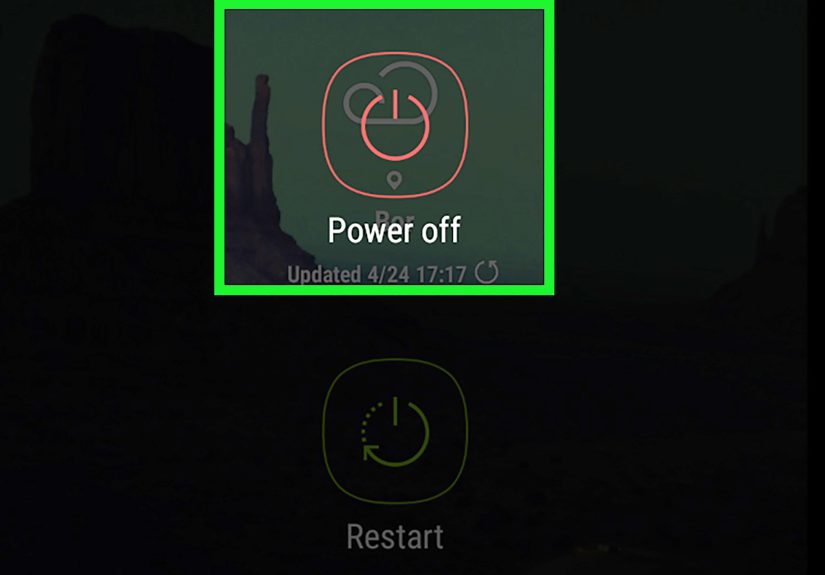
Start by switching the thermostat to off. Then cut power to the air handler at the breaker or service switch near the unit. This is not just a polite suggestion. You are dealing with water, wiring, and a metal appliance in a cramped attic. Powering down protects you and helps prevent the system from pulling in more condensate while you work.
Step 2: Locate the Drain Line, Drain Pan, and Cleanout Tee
Most attic systems have a primary condensate drain line connected to the drain pan beneath the evaporator coil. You will usually see a PVC pipe leaving the indoor unit, often with a vertical T-shaped cleanout capped near the air handler. Many attic installations also have an overflow pan under the unit and may include a float switch that shuts the AC off if water rises too high.
Take a minute to identify all three: the primary pan, the overflow pan, and the cleanout tee. This helps you understand where the blockage is backing water up and keeps you from poking at random pipes like a confused raccoon.
Step 3: Check for Standing Water and Remove What You Can
Open the access area carefully and inspect the drain pan. If there is standing water in the pan, soak it up with towels or remove it with your wet/dry vac. If your overflow pan also has water in it, clear that too. This gives you a cleaner workspace and helps you see whether the clog is relieved later.
While you are there, look for obvious problems such as rust, cracks, disconnected PVC fittings, or a jammed float switch. If the pan is rusted through or the line is disconnected, unclogging alone will not solve the issue.
Step 4: Remove the Cap From the Cleanout Tee and Inspect the Opening
Unscrew or pull off the cap on the vertical cleanout tee. Shine your flashlight inside. If you see sludge, algae, or loose gunk near the opening, remove it gently with gloves, a rag, or a soft brush. This is not the time to ram a sharp metal tool deep into the line and pretend you are performing pipe surgery.
A little debris at the top is common. If the pipe is packed solid or the buildup looks heavy and old, that is a strong sign the blockage extends farther down the line.
Step 5: Find the Outdoor Drain Outlet and Vacuum the Clog Out
Now head outside and locate the end of the condensate drain line. It is commonly a small PVC pipe near the outdoor condenser or along an exterior wall. Attach the wet/dry vacuum hose to the pipe opening. Use duct tape or a towel to make the seal tighter so the vacuum pulls through the line instead of just inhaling summer air.
Run the vacuum for about two to four minutes. If the clog is the usual mix of slime, dust, and algae, the vacuum often pulls it out in one satisfyingly gross gulp. Check the vacuum tank afterward. If you find dark sludge, congratulations: your drain line was definitely not feeling its best.
Step 6: Flush the Line From the Attic With Vinegar and Warm Water
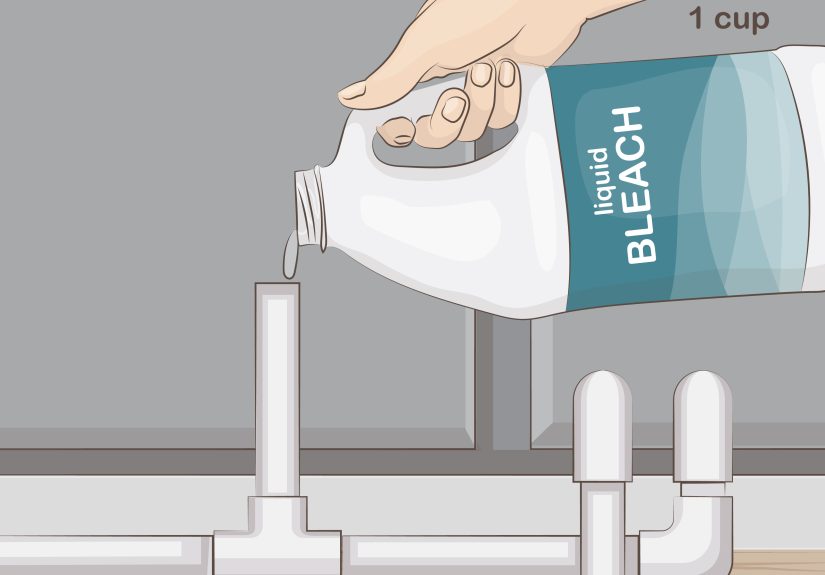
Once the clog has been vacuumed out, go back to the attic cleanout tee. Place a funnel in the opening and pour in about 1 cup of distilled white vinegar. Let it sit for around 20 to 30 minutes so it can break down remaining slime and mildew. After that, flush the line with warm water. Warm is perfect. Boiling is overkill and can stress fittings.
If the water moves through and you see discharge outside, that is a very good sign. If it backs up immediately, the blockage may still be present or the line may have a slope, fitting, or pump problem.
Step 7: Clean the Drain Pan and Surrounding Area
With the line flowing better, wipe out the drain pan and remove any remaining grime. Clean away slime around the pan opening and the cleanout cap. This matters more than people think. If you leave a science experiment in the pan, it will happily begin rebuilding the clog immediately.
Also inspect the overflow pan. In attic systems, that secondary pan is your early warning system against ceiling damage. If it is rusty, cracked, or warped, note it for replacement sooner rather than later.
Step 8: Test the Drain Line
Pour another small amount of warm water into the cleanout tee and watch what happens. The water should move through the line and exit outdoors without backing up into the pan. This is the simplest proof that the condensate drain line is clear enough to do its job.
If your attic system uses a condensate pump instead of a gravity drain, testing gets trickier. If the pump is not activating, humming strangely, or failing to move water, stop here and call a professional. Pump issues are not the place for enthusiastic guesswork.
Step 9: Reassemble Everything and Restore Power
Replace the cleanout cap, secure any access panels, remove your towels and tools, and restore power at the breaker or service switch. Then turn the thermostat back on and let the AC run for 20 to 30 minutes. Check the pan again and verify that water is draining normally outside.
If the system does not restart, the float switch may still be engaged, the pan may not have fully drained, or another HVAC issue may be in play. Never bypass the float switch just to “get the AC going again.” That switch is there to prevent water damage, not to annoy you personally.
Step 10: Put a Prevention Routine on the Calendar
The best way to unclog an AC drain line in an attic is to not have to do it again next month. Add a simple maintenance routine: inspect the pan during cooling season, flush the line periodically with distilled white vinegar, and replace the air filter on schedule. A clogged filter can contribute to poor airflow, which can lead to coil icing, excess moisture, and more drain trouble.
Annual professional HVAC maintenance is also smart, especially for attic systems. A technician can check the drain pan, clear the condensate line, inspect the float switch, confirm proper slope, and catch bigger problems before your ceiling starts auditioning for a leak stain contest.
What Not to Do When Clearing an Attic AC Drain Line
DIY is great. DIY chaos is less great. Avoid these common mistakes:
- Do not pour harsh chemical drain cleaners into the condensate line.
- Do not mix vinegar with bleach or hydrogen peroxide.
- Do not use boiling water.
- Do not force a rigid metal snake through fragile PVC fittings.
- Do not ignore a rusty or cracked drain pan.
- Do not keep resetting the system if the float switch trips again.
- Do not walk on unsupported attic drywall.
If the clog keeps returning, that usually means the issue is not just a one-time blob of slime. Repeated clogs can point to poor drainage slope, a damaged pan, dirty coils, high dust load, a failing condensate pump, or chronic airflow problems.
When to Call an HVAC Pro
Some problems are firmly in professional territory. Pick up the phone if:
- The line will not clear after vacuuming and flushing
- You see ice on the evaporator coil
- The drain pan is rusted, cracked, or overflowing again
- The float switch keeps shutting the system down
- You suspect a condensate pump failure
- You see mold, major water damage, or loose fittings
- You are not comfortable working in the attic around HVAC equipment
There is no shame in calling for help. A service bill is usually cheaper than replacing soaked insulation, damaged drywall, and a ceiling that suddenly looks like a watercolor project.
How to Prevent Future AC Drain Line Clogs
Once your attic drain line is flowing again, a few habits can keep it that way:
- Replace the air filter regularly
- Check the overflow pan during peak cooling season
- Flush the condensate line with distilled white vinegar on a routine schedule
- Keep the indoor unit area clean and dust-free
- Schedule annual AC maintenance before summer
- Pay attention to musty smells and ceiling stains early
This is one of those home maintenance tasks that rewards boring consistency. You do a little now so the house does not surprise you later. Boring? Yes. Effective? Absolutely.
Real-World Experiences and Lessons From Attic AC Drain Line Clogs
Homeowners who deal with clogged attic AC drain lines tend to report the same pattern. At first, the signs are subtle. Maybe the house smells slightly musty near one hallway vent. Maybe the thermostat says the system is on, but the indoor temperature seems weirdly stubborn. Maybe someone hears a faint dripping sound above the ceiling and assumes it is “probably nothing,” which is one of the most expensive phrases in homeownership.
Then comes the discovery moment. A water stain appears on the ceiling below the attic air handler. Or the AC shuts off on a hot afternoon and refuses to come back on because the float switch has done its job. In many cases, the homeowner climbs into the attic expecting a quick peek and finds an overflow pan full of murky water, insulation that feels damp, and a drain line that has clearly been cultivating slime like it is entering a science fair.
One common experience is surprise at how simple the fix can be once the right steps are followed. A wet/dry vacuum connected to the outdoor drain line often clears the clog fast, especially when the blockage is algae and dust rather than a broken fitting. Many people describe the moment the sludge shoots into the vacuum tank as both disgusting and oddly satisfying, which is probably the most honest summary of basic HVAC maintenance ever written.
Another lesson homeowners mention is that attic systems are less forgiving than closet or basement installations. When a drain line backs up in the attic, water has gravity on its side and your ceiling on its mind. That is why even people who are comfortable with simple DIY work often become much more proactive after the first clog. They start checking the pan every few weeks in summer, changing filters on time, and flushing the condensate line before a minor blockage becomes a drywall problem.
There is also a strong “wish I had looked sooner” theme. Many people realize afterward that the AC had been giving warning signs for days or even weeks: musty air, intermittent shutdowns, weak cooling, or a suspicious lack of water at the outdoor drain outlet. Once they know what those clues mean, they catch future issues much earlier.
Perhaps the biggest practical takeaway from real homeowner experiences is this: the line itself is only part of the story. Sometimes the clog is the symptom, not the whole diagnosis. Dirty filters, poor airflow, neglected maintenance, pump issues, or a damaged pan can all contribute to recurring drain problems. So while unclogging the line is often the immediate fix, the long-term win comes from treating the whole condensate system like it matters. Because it does.
In other words, unclogging an AC drain line in an attic is not glamorous, but it is one of those small jobs that protects your comfort, your ceiling, and your bank account. And for a humble little PVC pipe, that is a pretty impressive résumé.
Conclusion
If you know how to unclog an AC drain line in an attic, you can often stop a small cooling problem from becoming a soggy home repair nightmare. The key is to shut off power, inspect the drain pan, clear the blockage with a wet/dry vacuum, flush the line carefully, and test the system before calling the job done. Add routine maintenance and a watchful eye, and your attic AC will be far less likely to spring a surprise leak when you need it most.