Table of Contents >> Show >> Hide
- Why Chia Helps So Much in Gluten-Free Cooking
- Chia Seeds vs. Ground Chia vs. Chia Flour: What’s the Difference?
- The Secret Sauce: Chia Gel (Mucilage) and Why It Acts Like a Binder
- 7 Practical Ways to Use Chia Seeds in Gluten-Free Recipes
- 1) Make a “chia egg” (egg replacer) for binding
- 2) Use chia gel as a thickener (soups, sauces, smoothies)
- 3) Upgrade gluten-free jam and fruit fillings
- 4) Add whole chia to gluten-free breads for texture (and moisture insurance)
- 5) Make gluten-free puddings without turning on the stove
- 6) Bind veggie burgers, meatballs, and fritters
- 7) Use chia as a backup binder when skipping xanthan gum
- How to Use Chia Flour in Gluten-Free Baking (Without the Gummy Surprise)
- Pairing Chia with Other Gluten-Free Staples (So Everything Plays Nice)
- Specific Examples: 4 Gluten-Free “Blueprints” Using Chia
- Troubleshooting: If Your Chia Bake Gets Weird, Here’s Why
- Nutrition and Safety Notes (Quick, Practical, Not Scary)
- of Real-World “Experience” (What Gluten-Free Bakers Commonly Learn with Chia)
- Conclusion: Make Chia Your Gluten-Free Sidekick
Gluten-free baking can feel like hosting a party where gluten was supposed to bring the “structure,” and then it never shows up.
Cakes crumble, cookies spread into puddles, and bread slices give up halfway to the toaster. Enter chia: tiny seeds with a big
“I got this” attitude. When chia meets liquid, it forms a gel that can help bind, thicken, and add moistureexactly the jobs gluten
used to do (without the drama).
In this guide, you’ll learn how to use chia seeds (whole and ground) and chia flour in gluten-free recipes with practical ratios,
smart substitutions, and specific examples. We’ll keep it friendly, slightly nerdy (in a useful way), and focused on results you can
tastebecause nobody wants a “health food” muffin that doubles as a doorstop.
Why Chia Helps So Much in Gluten-Free Cooking
Gluten gives traditional baking elasticity and structurethink of it as an edible support beam. In gluten-free recipes, you need other
ingredients to help trap air, hold moisture, and keep everything from collapsing into crumbs. Chia can help because:
- It gels in liquid, helping bind batters and doughs.
- It thickens sauces, puddings, and fruit fillings without cornstarch-heavy vibes.
- It boosts texture in gluten-free blends, adding body and moisture retention.
- It adds nutrients like fiber and healthy fats, which can be a nice bonus in refined-starch-heavy gluten-free baking.
Chia Seeds vs. Ground Chia vs. Chia Flour: What’s the Difference?
You’ll see chia in three common forms, and each behaves a little differently:
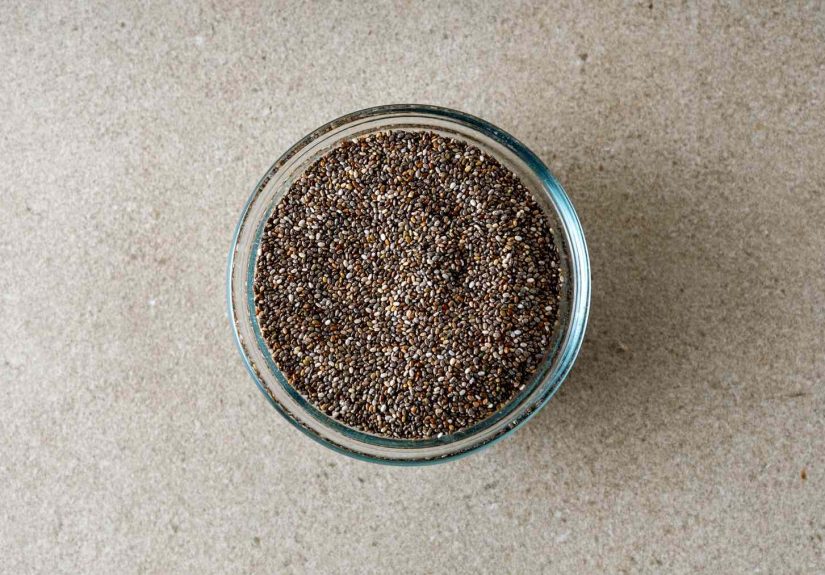
Whole chia seeds
Whole seeds absorb liquid and swell, creating a gel coating around each seed. They’re great in puddings, jams, smoothies, and as a
crunchy topper in breads and crackers. In baked goods, whole seeds can add a pleasant popunless you overdo it and your muffin starts
feeling like it’s studded with tiny water balloons.
Ground chia (chia meal)
Ground chia absorbs liquid more evenly and quickly, making it better for binding and egg replacement. If your goal is “hold this cookie
together like it’s got somewhere to be,” ground chia is your best friend.
Chia flour
Chia flour is essentially finely ground chia seeds (sometimes sold as wholemeal, protein concentrate, or defatted versions). It adds
structure and moisture retention, but it can also make baked goods gummier if used too heavily. Think of chia flour as a
supporting actornot the entire cast.
The Secret Sauce: Chia Gel (Mucilage) and Why It Acts Like a Binder
Chia’s superpower comes from soluble fiber that forms a gel when mixed with water. That gel helps “glue” ingredients together, which is
exactly what gluten-free baking often needs. It also helps slow moisture loss, which can make gluten-free muffins and quick breads feel
fresher longer.
One important note: chia gel binds and adds body, but it doesn’t build the same “lift” as eggs or gluten. Translation: chia is amazing
in cookies, brownies, muffins, pancakes, and hearty loavesbut it’s not your magic wand for super airy sponge cake.
7 Practical Ways to Use Chia Seeds in Gluten-Free Recipes
1) Make a “chia egg” (egg replacer) for binding
A chia egg is one of the easiest gluten-free hacks: it replaces an egg’s binding job (not its fluffy-foam job). It works best in
cookies, muffins, pancakes, brownies, and chewy bars.
- Basic ratio: 1 tablespoon ground chia + 3 tablespoons water = 1 “chia egg”
- How: Stir, wait 5–15 minutes until gel-like, then add to your batter.
- Best uses: 1–2 eggs’ worth per recipe (more can get gummy).
Pro tip: If your recipe already has a lot of moisture (banana bread, pumpkin muffins), chia egg tends to behave beautifully. In a dry,
crumbly batter, you may need a splash more liquid.
2) Use chia gel as a thickener (soups, sauces, smoothies)
Chia gel can thicken without heat, which is handy when you want control. Ratios vary by the thickness you want:
- Light gel: 1 part chia to 9 parts water (good for smoothies, dips, “boosting” moisture)
- Thicker gel: 1 part chia to 6 parts water (good for stronger binding)
Mix, let sit about 10 minutes, then stir again. Use a spoonful at a time until you hit your target texture. This is especially helpful
in gluten-free sauces where you want to avoid gritty flour thickeners.
3) Upgrade gluten-free jam and fruit fillings
Chia seeds can thicken fruit into a jammy texture with less sugar and no pectin packet. This is perfect for gluten-free thumbprint
cookies, toaster-pastry fillings, or yogurt swirl situations.
- Quick blueprint: Warm mashed berries + sweetener + lemon juice, then stir in 1–2 tablespoons chia per 1 cup fruit.
- Rest time: 15–30 minutes to fully thicken.
4) Add whole chia to gluten-free breads for texture (and moisture insurance)
Whole chia can add crunch and help with moisture retention in hearty gluten-free loaves and rolls. Start small:
- Start with: 1–2 teaspoons per loaf, then adjust.
- Tip: If your dough/batter seems tighter after adding seeds, add 1–2 teaspoons extra liquid.
5) Make gluten-free puddings without turning on the stove
Chia pudding is the classic: mix chia seeds into milk (dairy or plant-based), flavor it, and let the seeds do their gel thing.
It’s naturally gluten-free and perfect for breakfasts and desserts.
- Easy starting point: 2 tablespoons chia per 1 cup milk
- Rest: 2 hours or overnight, stirring once early to prevent clumps
6) Bind veggie burgers, meatballs, and fritters
Gluten-free cooking often needs a binder in savory recipes too. Chia gel helps keep veggie patties from crumbling like they’re trying to
escape your spatula.
- Try: 1 tablespoon ground chia + 3 tablespoons water per pound-ish of mixture (or per 2–3 cups of mash).
7) Use chia as a backup binder when skipping xanthan gum
Some gluten-free bakers prefer to avoid gums. While chia won’t perfectly copy xanthan gum, it can help in many everyday bakes.
A practical swap many bakers use is: hydrate ground chia briefly before mixing, so it disperses evenly.
How to Use Chia Flour in Gluten-Free Baking (Without the Gummy Surprise)
Start with partial substitution, not 100%
Some products and articles talk about chia flour as a cup-for-cup swap for wheat flour. In real-life home baking, replacing all your
flour with chia flour usually leads to dense, dark, and overly moist (or gummy) resultsespecially in cakes.
For most gluten-free recipes, chia flour works best as a supporting ingredient in a blend:
- Beginner range: Replace 5% of your gluten-free flour blend with chia flour.
- Confident range: 7–10% in muffins, quick breads, pancakes, crackers.
- Advanced experimenting: 10–15% (watch hydration closely).
Hydration matters more than you think
Chia flour is thirsty. If your baked good turns out dry, tight, or oddly chewy, you likely need more liquid or fat. If it turns out
gummy, you likely used too much chia flour (or too many chia eggs) for that style of bake.
A reliable adjustment: when you add chia flour or ground chia to a gluten-free recipe, be ready to add an extra splash of liquid
(1–2 tablespoons at a time) until your batter matches the original texture described in the recipe.
Pre-hydrate for smoother texture
If you notice gritty specks or uneven thickening, try pre-hydrating chia flour (or ground chia) with part of the recipe’s liquid for
5–10 minutes before mixing. This can improve consistency in gluten-free cakes, muffins, and batters.
Expect color and flavor changes
Chia flour can darken your crumb and add a mild nutty taste. That’s great in chocolate muffins, spice cakes, banana bread, and crackers.
It can look a little “storm cloud” in vanilla cupcakes. If aesthetics matter, start smalleror use white chia flour if available.
Pairing Chia with Other Gluten-Free Staples (So Everything Plays Nice)
Chia works best when it’s part of a team. Here’s how it pairs with common gluten-free ingredients:
- Rice flour + tapioca starch: Chia adds body and reduces that “powdery” feel.
- Oat flour: Chia boosts binding and moisture for a cozy, hearty crumb (make sure oats are certified gluten-free).
- Almond flour: Chia helps structure and reduces crumbling in cookies and quick breads.
- Psyllium husk: A powerful combo for breadspsyllium for elasticity, chia for moisture and binding.
Specific Examples: 4 Gluten-Free “Blueprints” Using Chia
1) Chewy gluten-free chocolate chip cookies (best with chia egg)
Use chia for: binding and chew.
- Make 1 chia egg (1 tbsp ground chia + 3 tbsp water).
- Use it in place of 1 egg in your favorite gluten-free cookie recipe.
- If dough feels dry, add 1–2 teaspoons milk (or water) before baking.
2) Gluten-free banana muffins (chia flour + chia egg combo)
Use chia for: moisture retention and structure in a naturally wet batter.
- Replace 2–3 tablespoons of your flour blend with chia flour (start modest).
- Use 1 chia egg if the recipe calls for 1 egg (or use eggs + add 1 tbsp ground chia for reinforcement).
- Let batter rest 10 minutes before baking to hydrate.
3) Gluten-free crackers (chia flour shines here)
Use chia for: crisp structure and subtle nutty flavor.
- Replace 5–10% of flour blend with chia flour.
- Add 1–2 teaspoons whole chia seeds for crunch.
- Roll thin; bake until fully dry and crisp.
4) Gluten-free berry “quick jam” for fillings
Use chia for: thickening fruit without cornstarch.
- Mash 1 cup berries (fresh or thawed frozen) with sweetener and lemon juice.
- Warm briefly (optional), then stir in 1–2 tbsp chia seeds.
- Rest 20 minutes; use in thumbprint cookies, yogurt bowls, or as pancake topping.
Troubleshooting: If Your Chia Bake Gets Weird, Here’s Why
Problem: My muffins are gummy
- Likely cause: too much chia flour, too many chia eggs, or underbaking.
- Fix: reduce chia flour by 25–50%, or use only 1 chia egg max; bake a few minutes longer.
Problem: My cookies are falling apart
- Likely cause: not enough binder in a gluten-free flour blend-heavy recipe.
- Fix: add 1 chia egg, or add 1–2 teaspoons ground chia to the dry mix and hydrate properly.
Problem: My bread is dense
- Likely cause: chia provides body but not lift; gluten-free bread needs careful structure support.
- Fix: keep chia flour low (5–7%), consider pairing with psyllium, and ensure enough leavening and hydration.
Problem: Everything tastes “too healthy”
- Likely cause: too much chia flour changing flavor/texture.
- Fix: use chia flour as a small part of the blend, and lean on flavorful recipes (banana, cocoa, spice, savory crackers).
Nutrition and Safety Notes (Quick, Practical, Not Scary)
Chia seeds are high in fiber. If you’re not used to that, going from “zero” to “two tablespoons in everything” can cause bloating or
stomach discomfort. The easy fix is: start small, increase gradually, and drink enough fluids.
Also, dry chia seeds expand in liquid. In most recipes they’re hydrated, which is ideal. If you’re eating them straight (like dry by the
spoonfulplease don’t), that can be uncomfortable. When in doubt, soak or mix into moist foods.
If you have medical conditions or take medications affected by high fiber intake, blood pressure, or blood clotting, it’s smart to
check with a clinician before making chia a daily mega-habit.
of Real-World “Experience” (What Gluten-Free Bakers Commonly Learn with Chia)
Most gluten-free bakers have a “chia origin story,” and it usually starts the same way: someone reads that chia is magical, dumps a heroic
amount into a batter, and confidently bakes what can only be described as a deliciously flavored sponge. Not the cake kind. The dish kind.
That first lesson is universal: chia is powerful, so start small.
The second common experience is discovering that chia behaves differently depending on the recipe’s moisture. In banana muffins, chia is a
dreambananas bring water and natural pectin-like thickness, and chia quietly strengthens the batter without stealing the spotlight. In a
drier recipe, like a simple gluten-free vanilla cupcake, chia can get bossy. Bakers often notice the crumb turning slightly tacky or heavy
if they push the chia flour percentage too high. The fix is usually boring (but effective): back off the chia, add a tablespoon of liquid,
and let the batter rest so hydration can catch up.
Another classic “aha” moment happens with chia eggs. People love them for cookies and brownies because the texture turns pleasantly chewy,
and the bake holds together better. Then someone tries to make a super fluffy cake with chia eggs and realizes chia doesn’t create the same
lift as whipped egg structure. That’s not chia failingit’s chia being chia. Many home bakers end up using a hybrid approach: chia eggs for
chewy or hearty bakes, and other egg replacers (or real eggs) for light cakes.
Texture preferences also shape how bakers use chia. Some people love whole chia seeds sprinkled into crackers or bread for a subtle crunch.
Others strongly prefer ground chia because whole seeds can feel like tiny poppable pearls (fun for some, weird for others). A common compromise
is using ground chia in the batter for binding and tossing a small pinch of whole seeds on top for lookslike edible confetti that actually
contributes something.
Over time, experienced gluten-free bakers often treat chia flour like a “seasoning” for structure: a small percentage in the flour blend to
improve moisture and reduce crumbling, especially in muffins, pancakes, and snack bars. They also learn that chia’s thirst can be a feature,
not a bug. If a gluten-free loaf tends to dry out on day two, a little chia (plus proper hydration) can help it stay pleasantly tender.
The biggest real-world takeaway is simple: chia works best when you measure it, hydrate it, and let it do its jobquietly.
Not when you hand it the entire script and ask it to play every role.
Conclusion: Make Chia Your Gluten-Free Sidekick
Chia seeds and chia flour can make gluten-free cooking more reliable: better binding, smoother thickening, and baked goods that hold together
like they actually want to be eaten. Start with chia eggs for cookies and muffins, use chia gel for thickening, and treat chia flour as a
small-but-mighty part of your gluten-free flour blend. With a few smart ratios and a little hydration patience, chia can take your gluten-free
recipes from “crumbly chaos” to “I would serve this to guests on purpose.”