Table of Contents >> Show >> Hide
- What Is an Appreciation Letter (and Why It Works So Well)?
- Before You Write: A 5-Minute Prep Checklist
- The Ideal Structure (So You Don’t Ramble Like a 47-Minute Voice Note)
- Email vs. Handwritten Note vs. Formal Business Letter
- Make It Sound Human: Tone Tips That Actually Work
- Seven Templates You Can Copy and Personalize
- 1) Appreciation letter to a customer service representative (phone/chat/email)
- 2) Thank you letter for excellent service at a restaurant
- 3) Appreciation email for hotel/front desk staff
- 4) Thank-you letter for a delivery driver/installer/technician
- 5) Appreciation letter for healthcare office staff
- 6) Business thank-you letter for a vendor or partner
- 7) Appreciation note to a manager recognizing an employee’s good service
- Short Appreciation Messages (Cards, Texts, Review Boxes)
- Common Mistakes (and How to Avoid Them)
- How to Send It So It Actually Gets Seen
- Conclusion: A Good Service Deserves a Good Sentence
- Experiences That Show Why Appreciation Letters Matter (500+ Words)
Complaints travel at the speed of Wi-Fi. Compliments? They tend to crawl behind, carrying a heavy backpack full of
“I meant to say something…” If you’ve ever had truly good servicelike “saved my day,” “fixed the problem,” or
“made me feel human” goodan appreciation letter is the fastest way to turn that moment into something that
actually matters.
And yes, this can be a formal letter. Or a short email. Or a note that’s basically a well-dressed paragraph with
good manners. The goal is the same: describe what happened, name what was great about it, and make sure the right
person hears about it.
What Is an Appreciation Letter (and Why It Works So Well)?
An appreciation letter for good service is a short, specific message that thanks someone for doing their job
exceptionally wellespecially when they went above and beyond. It works because it does three important things:
(1) recognizes effort, (2) gives concrete feedback that can be used for performance reviews or team training, and
(3) strengthens your relationship with a business or professional you may work with again.
In plain English: you’re not just being nice. You’re leaving a helpful paper trail of “this person did a great
job,” which can be surprisingly powerful in workplaces that usually only document problems.
Before You Write: A 5-Minute Prep Checklist
The best customer service appreciation letter is specific. Specific beats dramatic every time. Before you start,
grab these details:
- Who helped you? (Name, title, departmentanything you know.)
- When did it happen? (Date, approximate time, location, order number, ticket number.)
- What was the problem or need? (One sentence, no novel-length backstory.)
- What did they do that was excellent? (Actions, not vibes.)
- What was the result for you? (Saved time, fixed an issue, reduced stress, etc.)
- What quality stood out? (Patience, clarity, professionalism, empathy, speed.)
If you don’t know the person’s name, include a description: “the cashier with the purple glasses,” “the chat agent
who signed off as ‘Marcos,’” or “the technician who arrived in the blue van at 9:10 a.m.” Businesses can often
track it down with the date and details.
The Ideal Structure (So You Don’t Ramble Like a 47-Minute Voice Note)
Whether you’re writing a formal appreciation letter for good service or a quick email, this structure keeps it
clear, warm, and effective.
1) Start with a clear subject line (for email)
Make it easy to route. Good subject lines are short and descriptive:
- “Thank you for the excellent service on my order #10482”
- “Appreciation for outstanding customer service at your Downtown location”
- “Kudos to your teamproblem solved quickly and kindly”
2) Open with a direct thank-you
Don’t warm up like you’re pitching a TED Talk. Lead with gratitude:
“I’m writing to thank you for the excellent service I received…”
3) Describe what happened (one short paragraph)
Include just enough context to show the service was meaningful. Keep it factual and brief.
4) Highlight what made the service “good” (actions + qualities)
This is the heart of the letter. Name the behaviors:
- Explained options clearly
- Followed up without being asked
- Stayed calm and respectful under pressure
- Found a solution within policy (and didn’t make you feel like a criminal for asking)
5) Share the impact
Impact turns compliments into usable feedback. Example:
“Because of your help, I was able to meet a deadline and avoid missing a flight.”
6) Make it easy for the right person to see it
If you’re writing to a manager or company, explicitly name the employee and the date. If you’re writing to the
employee, consider copying their supervisor (when appropriate) so the recognition counts.
7) Close warmly and professionally
End with a simple closing that matches the tone:
“Sincerely,” “With appreciation,” “Best regards,” followed by your name.
Email vs. Handwritten Note vs. Formal Business Letter
Choose the format that fits your situation and how quickly the message needs to arrive.
Email (fast, trackable, perfect for customer service)
Email is ideal when you want the company to log your feedback quickly. Keep it 120–250 words if possiblelong
emails can get skimmed. If the service was tied to a case number or order number, include it early.
Handwritten note (memorable, personal, surprisingly rare)
A handwritten thank-you note stands out because it’s uncommon and feels personal. It’s great for local businesses,
healthcare offices, service professionals, teachers, and anyone who made a stressful situation feel manageable.
Keep it neat and readable; sincerity beats fancy handwriting.
Formal letter (best for vendors, contractors, and workplace recognition)
A business-letter format is helpful when you’re writing to a manager, vendor, or organization and want it to feel
official. Use a clean layout, include the date, a professional salutation, and a clear closing.
Make It Sound Human: Tone Tips That Actually Work
The best appreciation letter for good service is warm, specific, and believable. If it sounds like a generic
“thanks for your support” auto-reply, it won’t land the way you want.
- Be specific: “You explained the return steps in two minutes” beats “You were helpful.”
- Be honest: Don’t overhype. “You saved my whole life” is a lot to put on someone before lunch.
- Be respectful: Praise the person without insulting others (“unlike the last agent…”)keep it positive.
- Be concise: Enough detail to matter, not enough to become a memoir.
Seven Templates You Can Copy and Personalize
Below are fill-in templates that still feel genuine (because you’ll add real details). Customize names, dates,
locations, and outcomes.
1) Appreciation letter to a customer service representative (phone/chat/email)
2) Thank you letter for excellent service at a restaurant
3) Appreciation email for hotel/front desk staff
4) Thank-you letter for a delivery driver/installer/technician
5) Appreciation letter for healthcare office staff
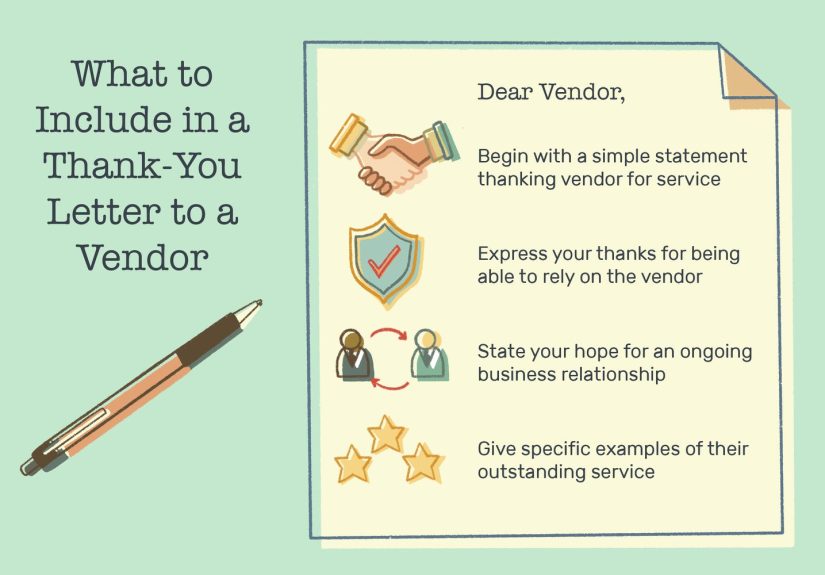
6) Business thank-you letter for a vendor or partner
7) Appreciation note to a manager recognizing an employee’s good service
Short Appreciation Messages (Cards, Texts, Review Boxes)
Need something shorter than a full appreciation letter? Here are quick lines that still feel personal:
- “Thank you for making this so easyyour help really mattered today.”
- “You were patient, clear, and kind. I appreciate the excellent service.”
- “Thanks for going above and beyondplease know it didn’t go unnoticed.”
- “You turned a frustrating problem into a solved problem. Thank you!”
- “Your professionalism and attitude made a huge difference. Appreciate you.”
- “Fast, friendly, and thorough10/10 service.”
- “Thank you for following up without me having to chase anything.”
- “You explained everything clearly and helped me feel confident about the next steps.”
- “Please share my thanks with your teamgreat service all around.”
- “This is how customer service should feel. Thank you.”
Common Mistakes (and How to Avoid Them)
Being vague
“Great job!” is kindbut it’s not helpful. Add one detail. Even a single example makes your praise credible and
memorable.
Turning it into a complaint letter in disguise
If you want to report an issue, do that separately. An appreciation letter for good service should stay focused
on what went right.
Overdoing the drama
Enthusiasm is great. But keep it realistic and professional, especially in a workplace context where the note may
be shared internally.
Forgetting names, dates, and identifiers
If the business can’t identify the employee or interaction, your compliment may not reach the right person. Add a
date, location, order number, or a clear description.
Skipping proofreading
This is the one time you want to avoid accidentally thanking “Brain” instead of “Brian.” (Unless Brian’s actually
a brain. In which case: impressive.)
How to Send It So It Actually Gets Seen
- Use the official feedback channel if the company has one (contact form, support email, survey).
- CC a manager when appropriate, especially for workplace recognition.
- Include identifiers (order number, ticket number, date, location) near the top.
- Keep it respectfulassume it may be forwarded to leadership.
- If you’re leaving a public review, consider also sending a private note so it’s on record internally.
Conclusion: A Good Service Deserves a Good Sentence
Writing a thank you letter for excellent service is one of the simplest, highest-impact things you can do. Keep it
specific, keep it sincere, and keep it easy for the right person to recognize the employee or team. Whether you
send a quick customer service appreciation email or a formal appreciation letter for good service, you’re doing
more than being politeyou’re reinforcing the behavior that makes businesses better.
Experiences That Show Why Appreciation Letters Matter (500+ Words)
People often wonder, “Does an appreciation letter actually do anything?” In many real workplaces, the answer is
yessometimes in ways that are bigger than you’d expect. While every company handles feedback differently, these
common experiences show how a simple note can ripple outward.
1) The employee gets recognized (and you never even hear about it). In customer service roles,
performance is frequently measured by speed, tickets closed, and complaint volume. A thoughtful appreciation letter
adds a different metric: proof of positive impact. Managers can share it in team meetings, save it for performance
reviews, or use it as an example of “this is what great service looks like.” Many employees say that a specific
complimentespecially one that mentions their name, date, and actionsbecomes a highlight they remember for months.
In jobs where people mostly hear what went wrong, your note becomes a rare, stabilizing “you did it right.”
2) Your issue gets easier next time. When you send an appreciation letter for good service to a
company (not just the individual), you create a record tied to your order, account, or service history. If you need
help again, support teams can see you’re a reasonable, respectful customer. That doesn’t mean you get special
treatment; it means conversations often start on a better footing. Many people notice that when they’ve previously
sent positive feedback, future interactions feel smootherless defensive, more collaborative.
3) The business learns what to repeat. Companies don’t just want to know what brokethey want to
know what worked. A specific thank you letter for excellent service functions like a mini case study: “Here’s what
the employee did, here’s why it mattered, and here’s how it made the customer feel.” That’s training material. It
can influence scripts, coaching, and even staffing decisions. If you write, “They explained the options in plain
language and followed up the next day,” you’re describing behaviors the company can teach others to replicate.
4) It improves the mood of the whole day. This sounds small, but it’s not. Service jobs require a
lot of emotional energy: staying calm, being kind, and solving problemssometimes while the customer is stressed.
People who receive appreciation notes often share them with coworkers, family, or friends. That means your letter
can become a tiny morale booster that spreads beyond one person. In environments with high burnout (call centers,
healthcare front desks, retail), a sincere compliment can be a reminder that their work isn’t invisible.
5) It changes how you view “good service.” Interestingly, the act of writing the letter can change
the writer too. When you pause to describe what someone did wellpatience, clarity, honesty, extra effortyou’re
naming values you want more of in the world. Many people report that writing a customer service appreciation letter
makes them more attentive to small acts of professionalism and kindness in everyday interactions. Over time, it
becomes easier to give meaningful feedback instead of defaulting to “thanks” and moving on.
Bottom line: your appreciation letter may become a compliment, a record, a training example, and a morale boost
all from a few well-chosen sentences. If that’s not a good return on effort, what is?