Table of Contents >> Show >> Hide
- What Is Hyperhidrosis?
- Types of Hyperhidrosis
- Common Symptoms of Hyperhidrosis
- Where Hyperhidrosis Usually Happens
- What Causes Hyperhidrosis?
- When Should You See a Doctor?
- How Hyperhidrosis Is Diagnosed
- Hyperhidrosis Treatment Options
- Home Care and Lifestyle Tips
- Can Hyperhidrosis Be Prevented?
- Living With Hyperhidrosis: Real-World Experiences and Practical Lessons
- Conclusion
Everyone sweats. It is one of the body’s least glamorous but most useful survival tricks. Sweat cools you down, protects you from overheating, and politely reminds you that summer exists. But for people with hyperhidrosis, sweating goes far beyond “normal.” It can happen while sitting still, in a cool room, before a handshake, during a presentation, or for no obvious reason at all.
Hyperhidrosis means excessive sweating that is more than the body needs for temperature control. It may soak through shirts, drip from the hands, dampen socks, stain clothing, interrupt work, and create a daily routine built around towels, backup clothes, and strategic arm positioning. The good news? Hyperhidrosis is a real medical condition, not a personal flaw, and many treatment options can help.
This guide explains the symptoms, causes, diagnosis, and treatment of hyperhidrosis in clear American English, with practical examples, useful tips, and just enough humor to keep sweat from stealing the spotlight.
What Is Hyperhidrosis?
Hyperhidrosis is excessive sweating that may occur even when the body is not hot, exercising, anxious, or fighting a fever. The sweating may affect one area of the body or appear more generally. It often interferes with everyday life, including school, work, social events, sports, dating, and sleep.
Sweat itself is not dirty. In fact, sweat is mostly water and is naturally odorless. Body odor happens when bacteria on the skin break down sweat and other substances. That means people with hyperhidrosis are not “unclean.” Their sweat glands are simply working overtime, like an employee who keeps sending emails at 2 a.m. even though nobody asked.
Types of Hyperhidrosis
Primary Focal Hyperhidrosis
Primary focal hyperhidrosis is the most common type. It usually affects specific areas, such as the underarms, palms, soles, face, or scalp. It often starts in childhood, adolescence, or early adulthood and may run in families.
This type is usually symmetrical, meaning it affects both sides of the body. For example, both palms sweat heavily, not just one hand. It usually does not happen during sleep. People may wake up dry, then start sweating heavily once the day begins, as if their sweat glands checked the calendar and said, “Back to business.”
Secondary Generalized Hyperhidrosis
Secondary hyperhidrosis is excessive sweating caused by another medical condition, medication, or body change. Unlike primary hyperhidrosis, it may affect larger areas of the body and may occur during sleep.
Possible triggers include thyroid disease, diabetes, menopause, infections, certain neurologic conditions, anxiety disorders, some cancers, low blood sugar, alcohol withdrawal, and medications such as antidepressants, pain relievers, hormone treatments, and diabetes medicines. Because secondary hyperhidrosis can point to an underlying issue, sudden new sweating should be discussed with a healthcare provider.
Common Symptoms of Hyperhidrosis
The main symptom is sweating that feels excessive, unpredictable, or difficult to control. However, the way hyperhidrosis shows up can vary from person to person.
Physical Symptoms
- Visible sweat on the skin, even without heat or exercise
- Sweat soaking through shirts, socks, or gloves
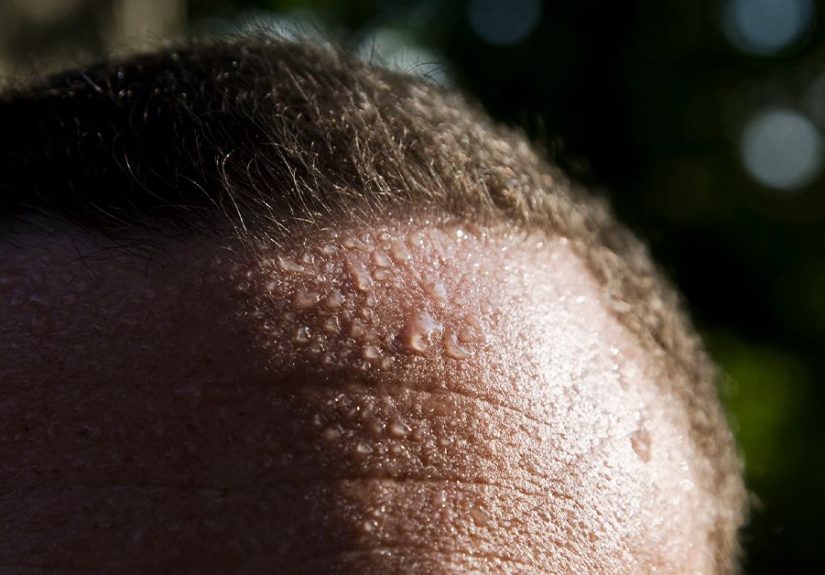
- Dripping sweat from the hands, face, scalp, or underarms
- Cold, clammy, or slippery hands
- Frequent need to change clothes during the day
- Skin irritation, itching, chafing, or peeling
- Foot odor or fungal infections due to constant moisture
- Difficulty holding pens, using touchscreens, gripping tools, or shaking hands
Emotional and Social Symptoms
Hyperhidrosis is more than a laundry problem. Many people feel embarrassed, anxious, or frustrated. They may avoid handshakes, raise their arms less, choose only dark clothing, skip social events, or turn down activities where sweating might be noticed.
Some people plan their entire day around sweat control. They may carry extra shirts, paper towels, deodorant, prescription antiperspirant, socks, or a personal fan. When sweating becomes a constant mental checklist, it can affect confidence and quality of life.
Where Hyperhidrosis Usually Happens
Hyperhidrosis can occur almost anywhere, but some areas are more common because they have many eccrine sweat glands. These include:
- Underarms: also called axillary hyperhidrosis
- Hands: also called palmar hyperhidrosis
- Feet: also called plantar hyperhidrosis
- Face and scalp: also called craniofacial hyperhidrosis
- Groin, back, or chest: less common but possible
Underarm sweating can stain clothing. Hand sweating can make writing, typing, driving, or using devices difficult. Foot sweating can lead to odor, blisters, and shoe damage. Facial sweating can feel especially visible because, unfortunately, faces do not come with privacy settings.
What Causes Hyperhidrosis?
The cause depends on the type. In primary focal hyperhidrosis, the sweat glands are not usually damaged or abnormal. Instead, the nerves that signal them appear to be overactive. The body sends “sweat now” messages even when cooling is not needed.
The sympathetic nervous system controls sweating. In hyperhidrosis, this system may become overenthusiastic, especially in areas such as the palms, soles, underarms, and face. Genetics may also play a role, because primary hyperhidrosis often appears in families.
Possible Causes of Secondary Hyperhidrosis
Secondary hyperhidrosis can be linked to medical conditions or medications, including:
- Overactive thyroid
- Diabetes or low blood sugar episodes
- Menopause and hot flashes
- Infections that cause fever or night sweats
- Parkinson’s disease or other neurologic disorders
- Anxiety or panic attacks
- Certain tumors or cancers
- Alcohol or substance withdrawal
- Some antidepressants, pain medicines, and hormone-related medications
This is why a healthcare provider may ask detailed questions about when the sweating started, where it happens, whether it occurs during sleep, and what medications or supplements you take.
When Should You See a Doctor?
Make an appointment if excessive sweating interferes with your daily life, affects your confidence, causes skin problems, or does not improve with over-the-counter antiperspirants.
You should seek medical advice sooner if sweating is sudden, generalized, one-sided, associated with fever, chest pain, shortness of breath, weight loss, fainting, or night sweats. These symptoms do not automatically mean something serious is happening, but they deserve attention.
How Hyperhidrosis Is Diagnosed
Diagnosis usually begins with a medical history and physical exam. A dermatologist, primary care doctor, or other healthcare provider may ask:
- When did the sweating begin?
- Which areas are affected?
- Does it happen on both sides of the body?
- Does it stop during sleep?
- How often does it happen?
- Does anyone in your family sweat excessively?
- What medications, supplements, or health conditions do you have?
- How much does sweating affect your daily life?
Hyperhidrosis Disease Severity Scale
Doctors may use the Hyperhidrosis Disease Severity Scale, often called the HDSS. This simple scale helps measure how much sweating affects daily activities. A mild case may be noticeable but manageable. A severe case may be intolerable and frequently interfere with normal life.
Sweat Tests
Some clinicians use tests to identify where sweating is most intense. An iodine-starch test may turn sweaty areas dark, helping map the affected zone. A paper test may measure sweat volume by weighing special paper before and after it touches the skin.
Lab Tests
If secondary hyperhidrosis is suspected, blood or urine tests may be ordered. These can check for thyroid problems, diabetes, infection, hormone changes, or other underlying causes. The goal is not just to stop the sweating but to understand why it is happening.
Hyperhidrosis Treatment Options
Treatment depends on the cause, body area, severity, age, medical history, and personal preference. Some people need only a stronger antiperspirant. Others need a combination of treatments. There is no one-size-fits-all solution, because sweat glands are apparently terrible at reading instruction manuals.
1. Antiperspirants
Antiperspirants are often the first treatment. Unlike deodorants, which mainly reduce odor, antiperspirants reduce wetness by temporarily blocking sweat ducts. Products containing aluminum chloride are commonly used for underarm sweating and may also be used on hands or feet when recommended by a clinician.
For best results, antiperspirant is often applied at night to dry skin. This gives it time to work while sweat production is lower. Skin irritation can happen, so it is important to follow instructions carefully.
2. Prescription Wipes and Creams
Prescription topical treatments can reduce sweating by blocking chemical signals to sweat glands. Glycopyrronium cloths may be used for excessive underarm sweating in adults and children age 9 and older. Glycopyrrolate creams may be used for facial or scalp sweating in some cases.
Possible side effects include dry mouth, blurry vision, skin irritation, urinary difficulty, and sensitivity if the medicine gets into the eyes. Wash hands after applying these products unless the hands are the treatment area and your doctor gives different instructions.
3. Oral Medications
Oral anticholinergic medicines, such as oxybutynin or glycopyrrolate, may help reduce sweating in several body areas. These medicines are sometimes used when topical treatments are not enough.
Because they affect the body more broadly, side effects may include dry mouth, constipation, blurred vision, drowsiness, trouble urinating, and overheating risk. They are not right for everyone, especially people with certain eye, urinary, heart, or heat-related conditions.
4. Iontophoresis
Iontophoresis is commonly used for sweaty hands and feet. During treatment, the hands or feet are placed in shallow water while a low electrical current passes through the skin. It sounds like science fiction, but it is a real treatment and usually not painful.
Sessions may be needed several times per week at first, then less often for maintenance. Iontophoresis can be done in a medical office or at home with a prescribed device.
5. Botulinum Toxin Injections
Botulinum toxin injections can temporarily block nerve signals that activate sweat glands. They are often used for underarm hyperhidrosis and may also be used for palms, soles, face, or scalp in selected cases.
Many people notice improvement within about one to two weeks. Results may last several months, but repeat treatments are usually needed. Injections can be uncomfortable, especially in the palms or soles, and temporary muscle weakness may occur depending on the area treated.
6. Microwave Therapy
Microwave-based treatment, often used for underarm sweating, uses energy to target and reduce sweat glands. Because sweat glands do not typically grow back after destruction, results may be long lasting. Temporary swelling, soreness, numbness, or sensitivity may occur.
7. Sweat Gland Removal
For severe underarm sweating, doctors may remove or reduce sweat glands using surgical methods such as excision, curettage, or liposuction-based techniques. These procedures are usually considered when less invasive treatments fail.
8. Endoscopic Thoracic Sympathectomy
Endoscopic thoracic sympathectomy, or ETS, is surgery that interrupts nerve signals involved in sweating. It is most often considered for severe palmar hyperhidrosis when other treatments have not worked.
ETS can be effective, but it carries important risks. One major concern is compensatory sweating, where sweating increases in other areas of the body. Because of this, surgery is usually a last-resort option after careful discussion with an experienced specialist.
Home Care and Lifestyle Tips
Home strategies may not cure hyperhidrosis, but they can make daily life easier. Try these practical steps:
- Use antiperspirant at night instead of only in the morning.
- Choose breathable fabrics such as cotton, linen, or moisture-wicking athletic materials.
- Wear dark colors or patterns that hide sweat marks.
- Carry an extra shirt, socks, or absorbent underarm pads.
- Rotate shoes and let them dry fully between wears.
- Use moisture-wicking socks and change them during the day if needed.
- Limit known triggers such as spicy foods, alcohol, caffeine, or heat when they worsen symptoms.
- Use gentle cleansers to reduce skin irritation.
- Talk to a mental health professional if sweating causes anxiety or avoidance.
Can Hyperhidrosis Be Prevented?
Primary hyperhidrosis usually cannot be prevented because it is linked to nerve signaling and possibly genetics. However, symptoms can often be managed. Secondary hyperhidrosis may improve when the underlying cause is treated or when a medication is adjusted under medical supervision.
Do not stop prescribed medication on your own because of sweating. Instead, tell your healthcare provider what is happening. Sometimes a dose change, timing adjustment, or alternative medication can help.
Living With Hyperhidrosis: Real-World Experiences and Practical Lessons
Living with hyperhidrosis can feel like carrying an invisible weather system. Everyone else checks the forecast for rain; you check your palms before touching a doorknob. A person with palmar hyperhidrosis may hesitate before shaking hands at a job interview, not because they lack confidence, but because they are worried the other person will notice the moisture. That tiny social moment can become a full mental drama, complete with suspense music.
Underarm hyperhidrosis can create a different routine. Imagine putting on a clean shirt at 8 a.m. and seeing sweat marks by 8:17 a.m., even though the room is cool and the most athletic thing you have done is open your laptop. Many people learn to dress strategically. Black shirts become best friends. Gray shirts become enemies. Silk becomes risky. Jackets become armor, even in weather that does not deserve a jacket.
For students, hyperhidrosis may show up during exams, presentations, or group projects. Sweaty hands can smear ink, dampen paper, or make a tablet screen difficult to use. For workers, it can affect keyboards, tools, uniforms, gloves, and customer interactions. A nurse may struggle with gloves. A mechanic may have trouble gripping equipment. A musician may worry about slippery fingers. A hairstylist, chef, teacher, driver, athlete, or salesperson may all experience hyperhidrosis in different but equally annoying ways.
One useful lesson is that preparation reduces panic. Keeping a small “sweat kit” can make the day feel more controllable. This might include travel-size antiperspirant, a clean shirt, absorbent pads, socks, wipes, handkerchiefs, or a breathable undershirt. It is not about hiding in shame; it is about giving yourself tools. People carry lip balm, chargers, and emergency snacks. A sweat kit is simply another form of adult survival equipment.
Another lesson is that people usually notice less than we fear. Hyperhidrosis can make someone feel like a walking sprinkler system, but most people are focused on their own lives, their own worries, or whether they replied to the right email thread. That said, the emotional burden is real. If excessive sweating causes avoidance, anxiety, or low self-esteem, support matters. A dermatologist can help with medical treatment, and counseling can help with the stress loop that often forms around symptoms.
Communication can also help. Some people choose a simple line like, “My hands sweat a lot because of a medical condition, so I may skip the handshake.” Delivered calmly, this can remove awkwardness. You do not owe everyone an explanation, but having one ready can make social situations easier.
Most importantly, hyperhidrosis is treatable. Many people spend years thinking they just have to “deal with it,” when prescription antiperspirants, topical medicines, iontophoresis, botulinum toxin, oral medication, microwave therapy, or other options may significantly improve daily life. The path may involve trial and error, but progress is possible. Sweat may be persistent, but so are good dermatologists, better treatment plans, and people who refuse to let their glands run the meeting.
Conclusion
Hyperhidrosis is excessive sweating that goes beyond normal temperature control. It can affect the underarms, hands, feet, face, scalp, or larger areas of the body. Primary focal hyperhidrosis often begins early in life and may run in families, while secondary hyperhidrosis may be caused by medical conditions, medications, or hormonal changes.
Although hyperhidrosis can be frustrating, embarrassing, and disruptive, it is not rare and it is not your fault. Diagnosis usually involves medical history, physical exam, severity scoring, sweat testing, and sometimes lab work. Treatment may include antiperspirants, prescription wipes or creams, oral medications, iontophoresis, botulinum toxin injections, microwave therapy, sweat gland procedures, or surgery for severe cases.
If sweating is interfering with your life, talk with a healthcare provider or board-certified dermatologist. You do not have to organize your entire wardrobe, workday, and social life around sweat. With the right plan, hyperhidrosis can often be managedand your shirts, shoes, handshakes, and confidence can all breathe a little easier.
Note: This article is for educational purposes only and does not replace professional medical advice. Anyone with sudden, severe, nighttime, one-sided, or unexplained sweating should consult a qualified healthcare provider.