Table of Contents >> Show >> Hide
- What Is IV Therapy for Weight Loss?
- Why People Think It Helps
- Does IV Therapy Burn Fat?
- What About L-Carnitine and “Lipotropic” IV Drips?
- When IV Therapy May Actually Be Useful
- Risks of IV Therapy for Weight Loss
- What Actually Works for Sustainable Weight Loss?
- So, Is IV Therapy for Weight Loss Worth It?
- Bottom Line
- Experiences Related to IV Therapy for Weight Loss: What People Commonly Notice
Weight loss has always had a talent for attracting shiny objects. One decade it is a miracle tea, the next it is a powder with a name that sounds like a minor wizard. Lately, one of the glossier trends is IV therapy for weight lossthose drip-bag treatments offered at med spas, wellness lounges, and clinics promising better energy, faster metabolism, and maybe a smaller pants size if the universe is feeling generous.
It sounds impressively high-tech. Vitamins? Straight into your bloodstream? Surely that has to be better than swallowing a capsule and hoping your digestive system clocks in on time. But when you strip away the sleek branding and cucumber-water vibes, the real question is much simpler: does IV therapy actually help with weight loss?
The honest answer is this: IV therapy is not a proven, stand-alone fat-loss treatment. In certain medical situations, intravenous fluids and nutrients absolutely have a place. They can help people with dehydration, nutrient deficiencies, serious illness, or conditions that make it hard to absorb nutrients normally. But for the average person trying to lose body fat, there is very little evidence that an IV drip will do what a balanced diet, regular movement, enough sleep, and evidence-based medical care are designed to do.
That does not mean every person who tries it feels nothing. Some people report more energy, less fatigue, or a “reset” feeling afterward. But feeling refreshed and actually losing body fat are not the same thing. One is a mood. The other is metabolism, behavior, time, and consistency doing the slow, unglamorous work.
Let’s break down what weight loss IV therapy usually contains, why the claims are so appealing, what science says so far, and when this trend deserves a raised eyebrow instead of your credit card.
What Is IV Therapy for Weight Loss?
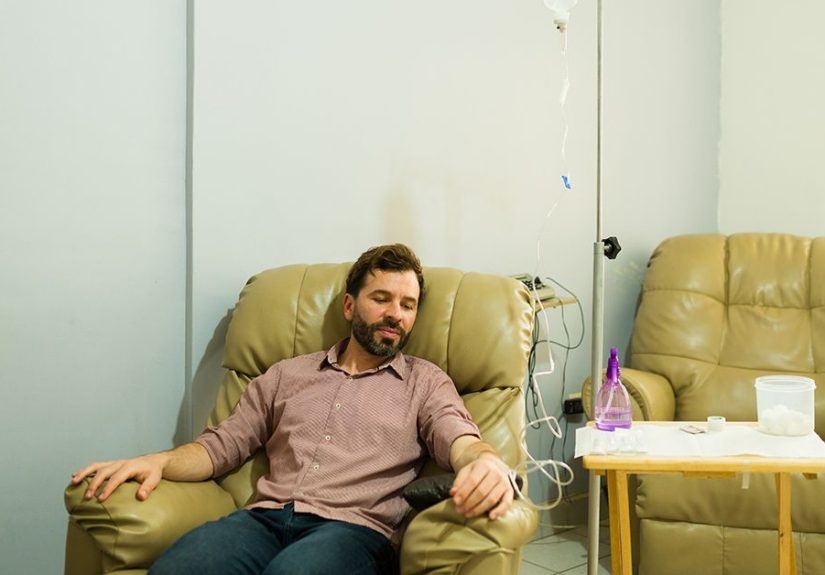
IV therapy means fluids, vitamins, minerals, or other compounds are delivered directly into a vein through an intravenous line. In hospitals, that is normal medicine. In the wellness world, it is often sold as a lifestyle upgrade.
Weight loss drips vary by clinic, but they often include some mix of:
- B vitamins, especially vitamin B12
- Vitamin C
- Magnesium
- Electrolytes
- Amino acids
- L-carnitine
- “Lipotropic” ingredients, sometimes marketed as metabolism boosters
- Extra fluids for hydration
The sales pitch usually goes something like this: if your body gets nutrients directly into the bloodstream, it can “optimize metabolism,” “boost fat burning,” reduce fatigue, and support faster results. It sounds neat, tidy, and pleasantly effortlessbasically the wellness equivalent of taking the express lane.
The problem is that biology rarely rewards marketing copy.
Why People Think It Helps
The popularity of IV vitamin therapy for weight loss makes sense when you look at what people are actually hoping to solve. Many people who want to lose weight are also tired, stressed, dieting on and off, and trying to improve their routines without feeling miserable. An IV drip seems to promise several things at once:
- A quick jump-start
- More energy for workouts
- Less bloating or sluggishness
- A faster metabolism
- A sense of doing something serious and proactive
And to be fair, if someone is dehydrated, run-down, or genuinely low in a nutrient, treating that issue can help them feel better. Feeling better can make it easier to prepare meals, exercise, sleep well, and stay consistent. But that is a support effectnot proof that the drip itself melts fat.
This distinction matters. A person can walk out of a clinic feeling more alert and still have zero meaningful change in body fat. Wellness trends love to blur that line. Your body does not.
Does IV Therapy Burn Fat?
Not in any well-established, clinically proven way.
For body fat to decrease, your body generally needs a sustained energy deficit over time, often supported by changes in eating habits, physical activity, sleep, stress management, and in some cases prescription treatment or bariatric care. That is the boring answer, which is exactly why it keeps being true.
An IV drip does not magically force your body to burn stored fat just because the nutrients skipped your digestive tract. If you are not deficient in a vitamin, getting more of that vitamin does not automatically speed up weight loss. More is not always better; sometimes it is just more expensive urine.
That is especially important with B12 injections for weight loss, which are one of the most common claims in this space. Vitamin B12 is important for nerve function, red blood cell formation, and metabolism. But unless you have a deficiency or a condition that affects absorption, there is no solid evidence that B12 shots will make the scale suddenly become cooperative.
In other words, B12 is essential. It is just not enchanted.
What About L-Carnitine and “Lipotropic” IV Drips?
This is where things get a little trickier, because some ingredients used in IV drips do have a scientific backstoryjust not necessarily the one the ads imply.
L-Carnitine
L-carnitine helps transport fatty acids into mitochondria, where they can be used for energy. That sounds like a smoking gun for fat loss, and marketers know it. But the research is much less dramatic in real life.
Some studies on oral carnitine supplements suggest a small average effect on weight loss in certain groups. Small means smallnot “new wardrobe by Thursday.” And that research does not prove that a carnitine IV drip works better, faster, or meaningfully enough to justify the hype. If anything, it suggests that even when carnitine helps, the effect is modest and context-dependent.
Lipotropic Ingredients
“Lipotropic” blends often include compounds such as methionine, inositol, and choline, plus B vitamins. These ingredients are usually marketed as helping the body process fat more efficiently. The phrase sounds wonderfully scientific, but the real-world evidence for major weight-loss results is limited. Clinics may package them like metabolic superheroes, but the data do not support treating them as a replacement for an evidence-based weight management plan.
So yes, some ingredients in these drips have plausible biochemical roles. No, that does not automatically translate into meaningful body-fat loss for everyday people buying a wellness package between Pilates and lunch.
When IV Therapy May Actually Be Useful
Now for the part that deserves nuance: IV therapy is not fake medicine. It is real medicine. It just gets over-marketed in the weight loss world.
Intravenous fluids and nutrients can be appropriate when a person has:
- Significant dehydration
- Vomiting or illness preventing normal intake
- A diagnosed nutrient deficiency
- Malabsorption issues
- Certain gastrointestinal disorders
- Medical needs requiring parenteral nutrition or supervised IV supplementation
That is a very different situation from “I want to lose 15 pounds before summer and also I saw a chic drip bar on social media.” In medicine, IV therapy is usually meant to solve a specific clinical problem. In wellness marketing, it is often positioned like a shortcut. Those are not the same category of thing, no matter how nice the waiting room is.
Risks of IV Therapy for Weight Loss
Because IV drips are marketed with spa energy, people sometimes forget they are still medical procedures. Needles, veins, sterile preparation, dosing, and patient screening all matter.
Potential IV therapy risks can include:
- Bruising or pain at the injection site
- Vein irritation
- Infection
- Fluid overload in susceptible people
- Electrolyte imbalance
- Allergic or adverse reactions
- Problems related to compounded products or poor sterile technique
There is also the supplement problem. People often assume vitamins are harmless because they are sold with cheerful labels and fruit imagery. But high doses are not always risk-free. Some vitamins are water-soluble, meaning the body can excrete excess amounts more easily. Others are fat-soluble, meaning they can build up in the body and potentially cause harm if overused.
Then there is the quality-control issue. Some IV clinics rely on compounded products, and that is an area regulators watch closely because sterility, contamination, and dosing accuracy matter a lot more when something is going directly into a vein.
Translation: this is not the same as trying a new herbal tea. Your bloodstream is not a suggestion box.
What Actually Works for Sustainable Weight Loss?
If your goal is to lose weight safely and keep it off, the evidence still points to the less glamorousbut more reliableapproach:
1. Nutrition That You Can Actually Maintain
A sustainable eating pattern matters more than a dramatic “detox.” That usually means meals rich in protein, fiber, fruits, vegetables, whole grains, and minimally processed foods, while keeping calorie intake aligned with your goals.
2. Physical Activity
Exercise supports weight management, but it also helps preserve muscle, improve mood, support heart health, and make weight maintenance more realistic. A mix of walking, strength training, and consistency tends to beat heroic one-week bursts every time.
3. Sleep and Stress Management
These are the two weight-loss factors that people love to ignore right up until they start sabotaging everything else. Poor sleep and chronic stress can increase hunger, cravings, and fatigue, which makes healthy habits much harder to sustain.
4. Medical Evaluation When Needed
If weight loss feels unusually difficult, it may be worth discussing thyroid issues, sleep apnea, medications, insulin resistance, menopause, nutrient deficiencies, or other health factors with a clinician.
5. Evidence-Based Obesity Treatment
For some people, lifestyle changes alone are not enough. Prescription weight-loss medications, structured programs, and bariatric care may be appropriate and are backed by far stronger evidence than vitamin drips marketed as metabolic magic.
So, Is IV Therapy for Weight Loss Worth It?
For most people, IV therapy for weight loss is more hype than breakthrough. It may help you feel better temporarily if you are dehydrated or low on certain nutrients. It may even give you a motivational boostthe “I have started my wellness era” feeling. But there is little evidence that it directly causes meaningful fat loss in otherwise healthy adults.
If you truly suspect a deficiency, crushing fatigue, or poor recovery, the smarter move is not to guess with a trendy drip menu. It is to get evaluated properly. Labs, medical history, symptoms, and a clinician’s judgment tell you far more than a neon sign promising “metabolic reset.”
There is nothing wrong with wanting support during a weight-loss journey. The key is picking support that actually supports the goal. Hydration, nutrient repletion when medically indicated, and professional guidance can all help. But an IV bag is not a substitute for the fundamentals. It is certainly not a license for the laws of metabolism to take the afternoon off.
Bottom Line
Does IV therapy work for weight loss? Not as a proven fat-loss treatment for the average person. The benefits are usually overstated, the evidence is limited, and the riskswhile often downplayedare real. If you need treatment for dehydration or a diagnosed deficiency, IV therapy may be useful under proper medical care. If your goal is long-term fat loss, your best bet is still evidence-based weight management, not a drip marketed like a magic wand.
The wellness world loves a shortcut. Your metabolism, unfortunately, prefers receipts.
Experiences Related to IV Therapy for Weight Loss: What People Commonly Notice
People who try IV therapy for weight loss often describe the experience in ways that are understandable, even if the results are not as dramatic as the marketing suggests. A common pattern is this: someone feels tired, puffy, mentally fried, and frustrated that the scale has stalled. They book a drip, sit in a comfortable chair for 30 to 60 minutes, and leave feeling more refreshed than they did when they arrived. That part is real. Resting for an hour, getting fluids, and doing something that feels proactive can create a noticeable “I’m back in business” effect.
Another frequent experience is a short-term burst of motivation. After spending money on a wellness treatment, people often become more disciplined for a few days. They drink more water, skip late-night takeout, make a grocery list that includes vegetables instead of just optimism, and finally return to the gym. Then the drip gets the credit for changes that were actually powered by better habits. To be fair, motivation matters. But it is important not to confuse a psychological reset with a metabolic one.
Some people also say they feel less bloated or less sluggish after an IV session. That can happen, especially if they were mildly dehydrated or had been eating poorly, traveling, drinking alcohol, or recovering from illness. But “less bloated” does not necessarily mean “losing fat.” It usually means your body is feeling more balanced in the short term. Helpful? Sure. A body-composition miracle? Not so much.
There is also a group of people who notice very little. They try one session, wait for fireworks, and get… a decent afternoon. Maybe they feel slightly more energized. Maybe they do not. Maybe the main result is that their bank account becomes lighter faster than they do. This is one reason repeat packages are so often marketed aggressively. A single underwhelming session is easier to reframe as “you need a series” than as “this may not be doing much.”
Then there are the less glamorous experiences people do not put on social media: bruising at the IV site, a sore arm, feeling cold during the infusion, mild nausea, or disappointment that the scale did not budge in any meaningful way. These outcomes are not especially photogenic, which is probably why they do not show up next to the aesthetic photos of lounge chairs and vitamin bags hanging like luxury ornaments.
In practical terms, the most realistic experience with weight loss IV therapy is this: it may make some people feel temporarily supported, hydrated, or more motivated, but it usually does not replace the actual work of weight loss. The people who get the best long-term results are usually the ones who use that moment of motivation to change daily routineseating more protein and fiber, walking consistently, sleeping better, and getting medical help when appropriate. In that sense, the drip may become part of the story, but it is rarely the hero of it.