Table of Contents >> Show >> Hide
- What Is a High/Low Desk Work Lamp?
- Why Desk Lighting Matters More Than People Think
- Key Features to Look for in a High/Low Desk Work Lamp
- High/Low Desk Lamp vs. Regular Table Lamp
- Best Uses for a High/Low Desk Work Lamp
- How to Position a Desk Work Lamp Correctly
- Choosing the Right Brightness
- Design Styles: From Industrial to Minimalist
- Common Mistakes to Avoid
- High/Low Desk Work Lamp Buying Checklist
- Real-Life Experience: Living With a High/Low Desk Work Lamp
- Conclusion
A desk work lamp may look like a small accessory, but anyone who has squinted through a late-night spreadsheet, sketched a design at 11 p.m., or hunted for a missing screw on a cluttered desk knows the truth: good lighting is not decoration. It is a tiny productivity engine with a shade, a switch, and, ideally, enough flexibility to save your eyes from staging a formal protest.
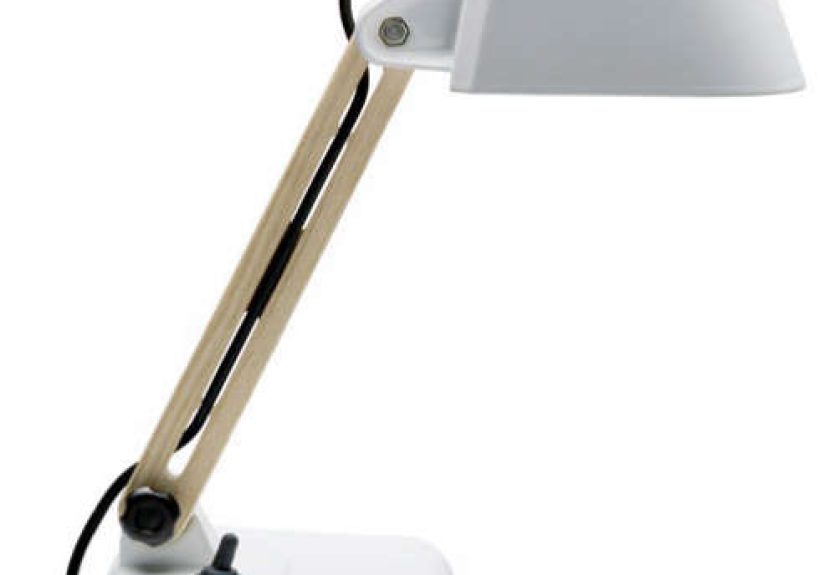
The phrase “Lighting: High/Low Desk Work Lamp” captures a beautifully simple idea: a desk lamp that gives you stronger light when you need focus and softer light when you want comfort. High/low brightness control may sound basic compared with smart bulbs, app-controlled color scenes, and lamps that appear to have graduated from engineering school, but it remains one of the most useful features in task lighting. A high setting helps with reading, drawing, writing, sewing, repairing gadgets, and reviewing printed documents. A low setting creates a calmer pool of light for computer work, evening planning, or simply keeping your desk from feeling like an interrogation room.
In today’s home offices, bedrooms, dorm rooms, studios, and hybrid work corners, the best desk work lamp is not just bright. It is adjustable, comfortable, energy-efficient, stable, and easy to live with. Whether you prefer a classic metal task lamp, a slim LED bar, a clamp-on architect lamp, or a warm minimalist work light, the goal is the same: put the right amount of light exactly where your work happens.
What Is a High/Low Desk Work Lamp?
A high/low desk work lamp is a task lamp with at least two brightness levels. Instead of offering one fixed output, it lets you switch between brighter and dimmer illumination. Some models use a two-position switch. Others offer low, medium, and high settings, touch-sensitive controls, or full-range dimming. The high/low concept is especially valuable because desk work changes throughout the day. The light you need for reading fine print is not always the light you want while answering emails.
Think of it as a desk lamp with manners. On high, it steps forward and says, “Let’s get this done.” On low, it relaxes and says, “We can still be productive without frightening the houseplants.”
High Setting: For Detail, Precision, and Focus
The high setting is best for tasks that require strong visibility. Reading printed pages, marking up documents, drafting, drawing, building models, crafting, repairing electronics, and studying dense material all benefit from a brighter, more focused beam. If the lamp head is adjustable, you can angle the light toward the task surface while avoiding glare on your screen or eyes.
Low Setting: For Screens, Evening Work, and Ambient Support
The low setting is ideal when your monitor is already providing light or when you want a softer desk environment. It reduces harsh contrast between a bright screen and a dark room, helps create a more comfortable visual field, and keeps your workspace useful without making it feel overly bright. For evening work, a lower and warmer setting can also feel more relaxing.
Why Desk Lighting Matters More Than People Think
Most people spend a lot of time choosing a desk, chair, monitor, keyboard, and maybe a plant with ambitious survival odds. Lighting often comes last. That is a mistake. Poor lighting can cause glare, shadows, visual fatigue, awkward posture, and constant micro-adjustments that slowly chip away at comfort.
A good desk work lamp supports three important goals: visibility, comfort, and control. Visibility means the lamp gives enough light for the task. Comfort means the light does not shine directly into your eyes or bounce off your screen. Control means you can change brightness, angle, and sometimes color temperature depending on what you are doing.
That is where a high/low lamp shinesliterally, but also strategically. It gives you simple control without forcing you to redesign your whole room. Instead of relying only on overhead lighting, you can create a focused zone of task lighting. This is especially helpful in shared spaces, apartments, bedrooms, and home offices where one ceiling fixture is expected to do the emotional labor of five different lighting layers.
Key Features to Look for in a High/Low Desk Work Lamp
1. Adjustable Brightness
At minimum, look for a lamp with two brightness levels: high and low. Three levels are even better. Full dimming gives the most control, but a simple two-step switch can still work beautifully if the light output is well designed. For daily desk use, brightness control is more important than decorative flair. A beautiful lamp that blasts your notebook like a stadium floodlight is not a work lamp; it is a dramatic roommate.
2. Adjustable Arm or Lamp Head
A flexible neck, swing arm, pivoting shade, or adjustable head lets you direct light where it is needed. This is essential for task lighting because your work surface changes. One minute you may be typing, the next you may be reading a book, measuring a sample, or trying to find where your pen rolled away. A lamp that adjusts easily saves space and reduces shadows.
3. LED Efficiency
LED desk lamps are popular for good reason. They use less energy than older incandescent bulbs, produce less heat, and are available in many brightness levels and designs. An integrated LED lamp can look sleek and modern, while a lamp with a replaceable bulb offers more flexibility over time. If you choose a replaceable-bulb lamp, shop by lumens rather than watts. Lumens tell you brightness; watts tell you energy use.
4. Comfortable Color Temperature
Color temperature is measured in Kelvin. Lower Kelvin numbers look warmer and more yellow, while higher numbers look cooler and bluer. For a desk work lamp, many people prefer warm white to neutral white, roughly in the 2700K to 4000K range, for general work. Cooler light can feel crisp for detailed tasks, but it may be too stark for evening use. A lamp with adjustable color temperature is useful if your desk serves multiple roles.
5. Good Color Rendering
Color Rendering Index, or CRI, describes how accurately a light source shows colors. If you work with art, fabric, photography, makeup, print materials, product samples, or anything where color matters, a higher CRI is worth considering. For everyday office use, a CRI of 80 or higher is generally acceptable, while 90 or higher is better for color-sensitive tasks.
6. Glare Control
Glare is the sneaky villain of desk lighting. It can come from a bare bulb, a shiny screen, glossy paper, or a lamp placed at the wrong angle. Look for a shade, diffuser, or lamp head that keeps the light focused downward and away from your eyes. If you use a computer, position the lamp so it does not reflect on the screen.
7. Stable Base or Clamp
A lamp should not wobble every time you reach for coffee. A weighted base works well for most desks, while a clamp lamp saves surface space and is excellent for small workstations. Clamp-on work lamps are especially helpful on drafting tables, crowded desks, sewing stations, and workbenches.
High/Low Desk Lamp vs. Regular Table Lamp
A regular table lamp can make a room feel cozy, but it is not always designed for focused work. Table lamps usually spread light broadly. Desk work lamps aim light more precisely. They often include adjustable arms, directional shades, dimmers, or high/low controls.
For a living room side table, a soft-shaded table lamp may be perfect. For a desk where you read, write, type, design, study, or build things, a task lamp is usually the better tool. The difference is purpose. A table lamp says, “Welcome, have a seat.” A desk work lamp says, “Let’s finish this project before the deadline starts breathing heavily.”
Best Uses for a High/Low Desk Work Lamp
Home Office Work
For computer-based work, a desk lamp should support the room lighting without creating screen reflections. Use the low setting when typing or attending video calls, and switch to high when reading paperwork or taking handwritten notes. If your office has bright windows, place your monitor at a right angle to the window when possible and use blinds or curtains to control direct sunlight.
Studying and Reading
Students need flexible lighting because study sessions often move between books, laptops, notebooks, and late-night panic snacks. A high/low lamp gives enough brightness for textbooks while allowing softer light for laptop review. Adjustable color temperature can also be useful: neutral white for focus, warmer light for evening reading.
Crafting, Sewing, and Detail Work
Detailed tasks need stronger and more precise light. The high setting helps reveal texture, edges, stitches, measurements, and small components. A lamp with a long adjustable arm or wide LED head can spread light evenly across the work area. For color-sensitive crafting, choose a lamp with good CRI.
Small Apartments and Shared Rooms
A desk work lamp is perfect when you need light without illuminating the entire room. In a bedroom, dorm, or shared apartment, the low setting lets you work quietly while someone else sleeps, reads, or pretends not to notice that you are still answering emails.
Creative Studios
Artists, designers, architects, writers, and makers often need layered lighting. A high/low desk work lamp provides task lighting that can be adjusted quickly as the project changes. A warm low setting may help with brainstorming, while a brighter high setting supports editing, sketching, and close inspection.
How to Position a Desk Work Lamp Correctly
Placement matters as much as the lamp itself. A good lamp in the wrong spot can still cause glare and shadows. The basic rule is simple: place the lamp so it lights the task, not your eyes or screen.
If you are right-handed, placing the lamp on the left side often reduces hand shadows when writing. If you are left-handed, place it on the right. For computer work, keep the lamp angled away from the monitor to avoid reflections. If the lamp has a movable head, aim the beam across the desk surface rather than straight down from directly above your eyes.
The lamp should be close enough to illuminate your work but not so close that it creates a harsh hot spot. Many users find that keeping the light source slightly above eye level and angled downward offers a comfortable balance. For wide desks, a lamp with a longer arm or broader light bar may work better than a tiny spotlight.
Choosing the Right Brightness
There is no single perfect brightness for every desk because tasks vary. Reading small print requires more light than browsing a screen. A dark room needs more balanced ambient support than a sunlit office. Age, eyesight, surface color, and screen brightness also matter.
As a practical approach, choose a lamp that gives you options. A low setting should be comfortable for screen work and evening use. A high setting should make paper, tools, and details easy to see without forcing you to lean forward. If you find yourself hunching over your desk like a detective in a noir movie, your light may be too dim, poorly placed, or too narrow.
Design Styles: From Industrial to Minimalist
The high/low desk work lamp is available in nearly every design language. Classic architect lamps offer spring-balanced arms and a workshop feel. Minimalist LED lamps use slim profiles and clean lines. Industrial metal lamps bring durability and vintage personality. Scandinavian-inspired desk lamps often focus on simple forms, soft finishes, and practical adjustability.
For traditional spaces, a metal-shaded work lamp in black, nickel, brass, or white can blend easily with wood desks and bookcases. For modern workstations, a slim LED bar or clamp lamp keeps the surface clean. For creative studios, a larger adjustable arm makes sense because the lamp may need to cover sketchbooks, cutting mats, tablets, and tools.
Common Mistakes to Avoid
Using Only Overhead Light
Overhead lighting can create shadows and glare, especially if it is directly above or behind you. A desk lamp adds targeted illumination where you need it most.
Choosing Style Over Function
A lamp can be gorgeous and still terrible at its job. Before buying, check whether the head adjusts, whether the brightness can be changed, and whether the shade controls glare.
Ignoring Screen Reflections
If your lamp reflects on your monitor, reposition it. Even a great lamp becomes annoying when it creates a glowing blob on your screen.
Buying Too Small for the Desk
A tiny lamp may work for a small writing corner, but a large desk needs broader coverage. Match the lamp size and reach to the work surface.
Forgetting Heat and Safety
LED lamps usually stay cooler than older bulb types, but any lamp should have safe wiring, a stable base, and enough ventilation. Avoid placing papers, fabric, or clutter directly against a hot shade or bulb.
High/Low Desk Work Lamp Buying Checklist
- Brightness control: At least high and low settings; dimming is even better.
- Adjustability: Look for a movable arm, head, neck, or shade.
- Light quality: Choose comfortable color temperature and good CRI.
- Glare protection: A shade, diffuser, or directional lamp head is important.
- Desk fit: Match the base or clamp to your available space.
- Energy efficiency: LED options are usually the most practical for daily use.
- Controls: Make sure switches or touch controls are easy to reach.
- Build quality: Hinges, springs, clamps, and joints should feel stable.
Real-Life Experience: Living With a High/Low Desk Work Lamp
After using different desk lamps in home offices, bedrooms, and work corners, the biggest lesson is simple: the best lamp is the one you actually adjust. A high/low desk work lamp works because it respects real life. Work is not one activity. A desk can become a writing station in the morning, a video-call setup after lunch, a bill-paying zone in the evening, and a snack platform at midnight. The lamp has to keep up.
In daily use, the high setting earns its keep during focused tasks. Reading printed contracts, checking labels, marking up notes, and assembling small items all feel easier when the light is strong and direct. The difference is especially clear when the room has weak overhead lighting. Without a good task lamp, you start leaning closer to the paper. Then your shoulders tighten. Then your posture collapses. Then suddenly you look like a question mark wearing glasses. A brighter lamp setting helps keep the work visible so your body does not have to compensate.
The low setting, however, may be the feature people appreciate most over time. During computer work, too much direct brightness can feel harsh. A softer desk light reduces the cave effect of working in a dark room with only a glowing monitor. It gives the desk a gentle boundary and makes the space feel calmer. For evening work, low light also helps the room feel less clinical. You can still see your notebook, keyboard, coffee mug, and suspicious pile of receipts without feeling as if you are being examined by airport security.
Placement becomes second nature after a few days. If the lamp is on the wrong side, your hand throws a shadow across the page. If the head points too far forward, it reflects on the screen. If it sits too low, the bright spot becomes distracting. The sweet spot is usually off to the side, angled down, and aimed at the work surface. Once you find that position, the lamp feels less like an object and more like part of the workflow.
Another practical experience: controls matter. A lamp with a switch hidden halfway down the cord may look tidy, but it becomes annoying if you change brightness often. Touch controls on the base are convenient, especially when moving from screen work to reading. A physical high/low switch can be just as good if it is easy to reach and reliable. Fancy controls are optional; frustration-free controls are not.
Build quality also becomes obvious with time. A lightweight lamp that tips when adjusted quickly loses its charm. A weak hinge that droops slowly during the day feels like a tiny betrayal. Clamp lamps are wonderful for saving space, but only if the clamp grips securely and the desk edge can support it. For a busy desk, stability is not a luxury. It is peace of mind.
The most satisfying setup often combines a high/low desk lamp with soft ambient light elsewhere in the room. The desk lamp handles the task, while a floor lamp, wall light, or indirect light reduces contrast. This layered approach makes long work sessions more comfortable. It also makes the space look intentional, which is helpful when your actual desk contents include three cables, two notebooks, and one mystery item you keep meaning to identify.
Overall, a high/low desk work lamp is one of those small upgrades that quietly improves the day. It does not need to be expensive or overly smart. It just needs to provide useful brightness, adjust easily, avoid glare, and fit the way you work. When it does, the desk feels more focused, the room feels more comfortable, and your eyes may finally stop sending complaint letters.
Conclusion
A high/low desk work lamp is a smart, practical lighting choice for anyone who reads, writes, studies, designs, crafts, repairs, or works at a computer. Its value comes from control. The high setting delivers clear task lighting for detail work, while the low setting supports comfort, screen use, and evening productivity. Add adjustable positioning, LED efficiency, glare control, and a stable design, and you have a lamp that can transform a desk from “dim corner of mild regret” into a genuinely useful workspace.
The best desk lamp is not always the most expensive or the most futuristic. It is the one that gives you the right light at the right time. Choose a model that fits your desk, your tasks, and your eyes. Your productivity will thank you. Your posture might thank you. And your old overhead light can finally stop pretending it was doing the whole job.