Table of Contents >> Show >> Hide
- How common is lower back pain?
- Main causes of lower back pain
- When is lower back pain an emergency?
- How is lower back pain diagnosed?
- Treatment options for lower back pain
- Preventing lower back pain
- Real-life experiences: what living with lower back pain can teach us
- Conclusion: building a smarter relationship with your lower back
If your lower back had a social media status, would it say “It’s complicated”?
For most adults, the answer is yes. Lower back pain is one of the most common
reasons people miss work, skip workouts, or discover they’ve been sitting like
a shrimp at their desk for years. Up to 80% of people will have at least one
episode of low back pain in their lifetime.
The good news: in most cases, lower back pain is not a sign that your spine is
falling apart. It’s often mechanical (muscles, joints, discs) and improves with
the right combination of movement, self-care, and, when needed, medical
treatment. The tricky part is understanding what’s
causing the pain and what actually helps versus what keeps you stuck.
In this in-depth guide, we’ll break down the most common causes of lower back
pain, evidence-based treatments, and practical day-to-day strategies to protect
your back. We’ll keep it simple, science-based, and just light enough that you
don’t need a medical degree (or a heating pad) to get through it.
How common is lower back pain?
Lower back pain is so common that global health organizations now rank it among
the leading causes of years lived with disability worldwide.
In the U.S. and elsewhere, it’s a top reason for doctor visits, physical therapy
referrals, and over-the-counter pain reliever purchases.
Most people experience:
-
Acute low back pain: Symptoms lasting less than about 4–6
weeks. - Subacute low back pain: Pain lasting roughly 6–12 weeks.
-
Chronic low back pain: Pain persisting for 12 weeks or more,
sometimes with flares on top of a constant background ache.
The duration matters because short-term flare-ups are usually handled with
conservative treatment and reassurance, while long-standing pain may need a more
layered, long-term plan that addresses movement, mood, sleep, and lifestyle.
Main causes of lower back pain
The lower back (lumbar spine) is a busy intersection of bones, discs, joints,
ligaments, muscles, and nerves. When any of these structures are irritated or
injured, you may feel pain in the low back, hips, buttocks, or legs.
1. Muscle strains and ligament sprains
The most common cause of acute low back pain is a simple strain
or sprainessentially, an over-stretch or small tear in the
muscles or ligaments supporting your spine. This might happen when you:
- Lift a heavy box with poor form
- Twist quickly while carrying groceries
- Spend all weekend doing yard work after a winter of hibernation
Strains and sprains can trigger painful muscle spasms and stiffness, but they
usually improve in days to weeks with movement, simple pain relief, and time.
2. Disc problems: degeneration and herniation
Between each pair of vertebrae is a shock-absorbing disc. Over time, those
discs naturally lose some water and heighta process called
degenerative disc disease. This doesn’t always cause pain, but
in some people it can lead to stiffness or aching in the lower back.
Sometimes, the soft inner part of a disc pushes out through a tear in the
outer ring, causing a herniated disc. If the disc presses on
a nearby nerve, you may feel:
- Sharp, shooting pain down one leg (classic sciatica)
- Numbness or tingling in the leg or foot
- Weakness when trying to lift the foot or stand on your toes
Disc problems are a common cause of nerve-related lower back and leg pain.
3. Nerve-related pain: sciatica and spinal stenosis
The sciatic nerve is the longest nerve in the body, running from the lower
spine down the back of each leg. When this nerve is compressed or irritated
often by a herniated disc or bone spuryou can develop
sciatica, with pain, tingling, or burning down one leg.
Lumbar spinal stenosis occurs when the spinal canal narrows,
typically from age-related changes like arthritis. This can squeeze the nerves
in the lower back, leading to pain, heaviness, or weakness in the legs that
worsens when walking and improves when sitting or bending forward.
4. Arthritis and age-related changes
As we age, our spines go through wear-and-tear changes. The facet joints
(small joints between vertebrae) can develop osteoarthritis,
leading to stiffness, localized pain, and sometimes bone spurs.
These degenerative changes often start in our 30s or even earlier and are very
common on imaging studieseven in people who don’t have back pain. So a
“degenerative change” on an X-ray or MRI doesn’t automatically mean your spine
is doomed; it just means your back has been living life with you.
5. Other, less common but serious causes
Most lower back pain is “non-specific,” meaning no single dangerous cause is
identified. However, doctors are always watching for rare but serious
conditions, such as:
- Spinal infections or tumors
- Fractures (especially after significant trauma or in people with osteoporosis)
- Inflammatory conditions like ankylosing spondylitis
- Cauda equina syndrome (severe nerve compression at the base of the spine)
Cauda equina syndrome can cause lower back pain plus difficulty peeing,
numbness in the “saddle” area (inner thighs, around the anus), and weakness in
both legs. It’s a surgical emergency that requires immediate attention.
When is lower back pain an emergency?
Call a healthcare professional or seek urgent care right away if back pain is
accompanied by:
- Loss of bladder or bowel control
- Numbness in the groin or saddle area
- Severe weakness in one or both legs
- Unexplained weight loss, fever, or history of cancer
- Recent major trauma (like a fall, car accident, or heavy impact)
These signs don’t mean something is definitely life-threatening, but they do
mean you shouldn’t “wait and see.”
How is lower back pain diagnosed?
Surprisingly, most people with lower back pain DO NOT need an immediate MRI or
CT scan. For typical acute, non-specific low back pain, guidelines recommend a
careful history and physical exam first. Imaging is usually reserved for red
flags or pain that persists beyond several weeks or doesn’t behave as
expected.
During an evaluation, your healthcare provider may:
- Ask when and how the pain started
- Check your strength, reflexes, and sensation in the legs
- Look at posture, walking pattern, and spine mobility
- Review medical history and medications
This information helps them sort pain into categories: mechanical vs. nerve
related, acute vs. chronic, and specific vs. non-specific. That, in turn,
guides treatment.
Treatment options for lower back pain
The best treatment depends on what’s causing your lower back pain, how long
you’ve had it, and how much it affects your daily life. Modern guidelines lean
heavily on active, self-management strategies rather than bed rest and heavy
medication.
1. Staying active and self-care
It used to be common advice to “lie down until it goes away.” Now we know that
prolonged bed rest often makes things worse. For most people, continuing normal
activities as much as possible is one of the most effective first-line
strategies.
Helpful self-care measures include:
-
Gentle movement: Short walks, light stretching, and easy
daily activities can keep joints and muscles from stiffening up. -
Superficial heat: A warm shower, heating pad, or warm pack
for 15–20 minutes can reduce muscle spasm and pain. -
Occasional cold: For some people, an ice pack wrapped in a
cloth is helpful in the first day or two after a flare. -
Good sleep and stress management: Poor sleep and high stress
can amplify pain signals, especially in chronic low back pain.
2. Exercise and physical therapy
For persistent or chronic low back pain, exercise is not just “nice to have”;
it’s a key part of treatment. Guidelines from major organizations recommend:
-
Therapeutic exercise programs targeting flexibility, core
strength, and overall conditioning. -
Physical therapy to help you move safely, correct posture,
and develop a customized home program. -
Activities like walking, swimming, Pilates, or yoga, as
tolerated, to keep the whole body active.
The best exercise is usually the one you’ll actually do. If you hate running,
you don’t need to become a runner. A slow, steady build-up of activity is more
important than high intensity heroics.
3. Medications
Medications can help manage symptoms so you can stay active and participate in
rehab. Common options include:
-
Nonsteroidal anti-inflammatory drugs (NSAIDs) like ibuprofen
or naproxen, used at the lowest effective dose and for the shortest reasonable
time, are often first-line drugs. -
Acetaminophen may be used, sometimes in combination with
other medications, although evidence for back pain relief is more modest. -
Short-term muscle relaxants may be prescribed for severe
muscle spasm, with caution about drowsiness. -
Antidepressants or certain nerve pain medications are
sometimes used for chronic low back pain when there is a neuropathic (nerve)
component or when pain is strongly linked with mood and sleep issues.
Opioids are generally reserved for short-term use in severe acute pain or
specific situations and are not recommended as a long-term solution due to
dependence and side-effect risks.
4. Hands-on and complementary therapies
Many people explore additional treatments, such as:
-
Spinal manipulation performed by chiropractors or other
trained providers - Massage therapy
- Acupuncture
Recent clinical guidelines suggest that spinal manipulation and acupuncture can
be helpful in some people, especially as part of a broader treatment plan that
includes exercise and education. Massage and
manipulation alone, without an active exercise component, seem to offer only
modest, short-term benefit.
5. Psychological and multidisciplinary approaches
Pain lives in the body, but it’s processed in the brain. When back pain becomes
chronic, thoughts, fears, and stress can strongly influence how intense and
disabling it feels.
Approaches like cognitive behavioral therapy (CBT) and
multidisciplinary programs that combine physical and psychological treatment
can improve pain coping skills, reduce fear of movement, and improve
function.
6. Injections and surgery
For a small percentage of people, more invasive treatments may be appropriate:
-
Epidural steroid injections may be used for some cases of
severe nerve pain (like sciatica) that doesn’t improve with conservative care. -
Surgerysuch as decompression or spinal fusionmay be
considered for structural problems like severe spinal stenosis, unstable
spondylolisthesis, or persistent nerve compression causing weakness or
uncontrolled pain.
Even when surgery is appropriate, it’s usually not the first step. A thorough
evaluation with a spine specialist and realistic expectations are critical.
Preventing lower back pain
You can’t change your age (honestly, we’d all like that feature), but you can
reduce your risk of recurrent lower back pain with simple habits:
-
Stay active most days of the week. Aim for regular walking,
low-impact cardio, and strength training that includes your core. -
Strengthen your core and hips. Strong abdominal, back, and
hip muscles support the spine and improve posture. -
Practice safe lifting. Bend at the hips and knees, keep
objects close to your body, and avoid twisting while lifting. -
Adjust your workspace. Good ergonomic setup, frequent
breaks, and variety in sitting/standing positions help keep your back happy. -
Maintain a healthy weight and avoid smoking. Both excess
weight and tobacco use are linked with higher rates of back pain and slower
healing.
None of these strategies guarantee a pain-free back forever, but they stack the
odds firmly in your favor.
Real-life experiences: what living with lower back pain can teach us
Lower back pain isn’t just a diagnosis on paper; it’s a lived experience that
shows up in everyday moments: tying your shoes, picking up your kid, sneezing
at the worst possible angle. While everyone’s story is unique, people who
successfully manage their low back pain often share a few key lessons.
Lesson 1: Movement is medicine (even when you don’t feel like moving)
Many people remember their first big flare: they bent over to grab something
triviallike a sock or a penand felt a sudden “zing” in their lower back. The
instinct is to freeze, lie down, and avoid every movement that might possibly
hurt. At first that might feel protective, but long stretches of inactivity can
quickly backfire.
People who’ve come out the other side of repeated back pain episodes often say
that learning to move through discomfort instead of around it was a
turning point. Short, gentle walks around the block, a few carefully chosen
stretches, or a basic physical therapy routine can transform “I’m broken” into
“I’m healing.” It’s not about ignoring pain; it’s about giving your spine the
message that it’s still safe to move.
Lesson 2: Small daily habits matter more than heroic fixes
People tend to remember dramatic medical interventionslike injections or
surgerybut what often makes the biggest difference long-term are the boring,
consistent habits:
- Getting up from the desk every 30–60 minutes
- Keeping a simple core routine a few times per week
- Using a supportive chair or standing desk when possible
- Learning how to lift groceries or luggage without twisting
Over time, these small adjustments add up. Many people realize that when they
slack off on movement, sleep, or posture for a few weeks, their back politely
reminds themthen reminds them more loudly.
Lesson 3: Your mindset is part of your treatment plan
Chronic pain can be mentally exhausting. It’s easy to slip into catastrophic
thoughts: “My back is ruined,” “I’ll never be able to hike again,” or “If it
hurts, I must be making it worse.” Ironically, this fear can increase tension
in the body and amplify pain signals.
People who work with physical therapists, psychologists, or pain specialists
often learn to reframe those thoughts: “Pain doesn’t always mean damage,” “My
spine is strong and adaptable,” and “It’s safe to move, even if I’m a little
sore.” This doesn’t magically erase pain, but it reduces the emotional volume,
making it easier to stay active and engaged with life.
Lesson 4: Asking for help is a strength, not a weakness
There’s a cultural tendency to “tough it out” and only see a doctor when things
are unbearable. In reality, getting guidance earlyespecially if pain keeps
coming backcan save months or years of trial and error. A healthcare provider
can:
- Rule out serious causes you shouldn’t try to handle alone
- Help you find the right mix of exercise, medication, and self-care
- Refer you to physical therapy, pain specialists, or mental health support
People who build a “back care team” often feel less anxious and more in
control, even if the pain doesn’t disappear completely.
Lesson 5: Progress is rarely a straight line
One of the most frustrating parts of lower back pain is its unpredictability.
You may feel amazing for weeks, then have a flare after a long car ride or a
clumsy lift. Many long-time back pain veterans learn to treat these flares as
setbacksnot failures.
Having a personal “flare plan” helps: maybe that means temporarily dialing down
activity, using heat packs, taking prescribed medications as directed, and
returning to a basic exercise routine before ramping up again. Over time, each
flare becomes less scary because you know the steps that usually help you turn
the corner.
The takeaway from real-life experience is surprisingly hopeful: low back pain
may be stubborn, but with good information, a bit of professional guidance, and
consistent everyday habits, many people get back to the things they lovejust
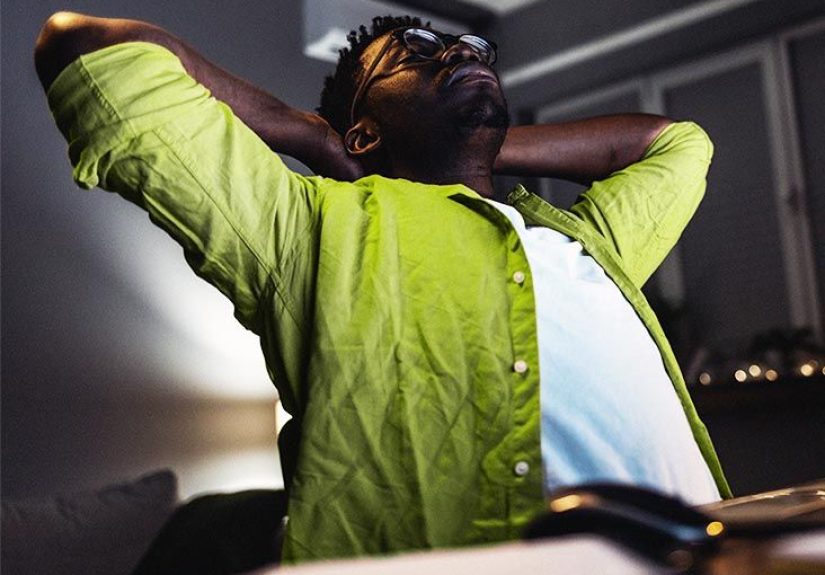
with better lifting technique and a deeper appreciation for a pain-free morning
stretch.
Conclusion: building a smarter relationship with your lower back
Lower back pain is common, complex, andfortunatelyoften manageable without
extreme measures. Most episodes are related to mechanical issues like muscle
strain, disc changes, or arthritis. Staying active, using heat and simple
medications wisely, and committing to exercise-based rehab are the backbone (no
pun intended) of modern treatment.
At the same time, it’s crucial to recognize red flags, seek medical evaluation
when needed, and remember that your mindsetnot just your musclesplays a big
role in how you experience pain. With a thoughtful, evidence-based plan, you
can move from “My back is controlling my life” to “My back is just one part of
my story.”
Important: This article is for educational purposes only and does not replace personalized medical advice. Always talk with a healthcare professional about new or worsening back pain, medications, or treatment decisions.
SEO summary
real-life tips to relieve pain, move better, and protect your spine.
sapo:
Lower back pain can turn simple tasks like putting on socks into a full-body
negotiation. The good news? Most low back pain isn’t permanent or hopeless.
This in-depth guide breaks down the most common causesfrom muscle strains and
disc problems to arthritis and sciaticathen walks you through proven
treatments, including self-care, exercise, physical therapy, medications, and
when injections or surgery are on the table. You’ll also get practical,
real-life insights on living with back pain, building better daily habits, and
knowing when it’s time to call your doctor, so you can move with more
confidence and a lot less ache.