Table of Contents >> Show >> Hide
- Why Sodium Matters When You Have High Blood Pressure
- How Much Sodium Should You Aim For?
- The DASH Diet and Why It Works So Well
- Where Most Sodium Actually Comes From
- How to Lower Your Salt Intake Without Hating Your Food
- A Simple Lower-Sodium Day for Hypertension
- Common Mistakes People Make
- How Fast Can You See Results?
- When to Get Medical Guidance
- Conclusion
- Experiences Related to Lowering Your Salt Intake for Hypertension
If you have hypertension, lowering sodium is one of the least glamorous and most effective things you can do for your health. It is not flashy. It does not come with dramatic theme music. But it does work. A lower-sodium eating pattern can help reduce blood pressure, support heart health, and make your overall diet healthier without forcing you to live on plain lettuce and despair.
The tricky part is that most people think the problem is the salt shaker. In reality, the salt shaker is more like the opening act. The headliner is packaged food, prepared food, restaurant food, and all the sneaky sodium hiding in bread, soup, deli meat, sauces, frozen meals, and takeout. You can skip adding salt at dinner and still end up eating too much sodium before lunch.
This guide explains how lowering your salt intake for hypertension really works, why it matters, which foods cause the biggest problems, and how to reduce sodium without making every meal taste like a punishment. You will also find practical examples, real-life strategies, and experience-based insights to help you stick with it for the long haul.
Why Sodium Matters When You Have High Blood Pressure
Sodium helps regulate fluid balance, nerve function, and muscle activity. Your body needs some of it. The issue starts when intake stays consistently too high. Excess sodium encourages the body to hold on to more fluid. That extra fluid increases the volume of blood moving through your blood vessels, which can raise blood pressure. Over time, uncontrolled hypertension increases the risk of heart attack, stroke, heart failure, kidney disease, and other complications.
That is why reducing sodium is such a standard recommendation for people with high blood pressure. It targets one of the most modifiable factors in the average American diet. In other words, you cannot negotiate with your genetics, but you can absolutely stop treating canned soup like a beverage category.
Another important point: sodium and salt are not exactly the same thing, even though people use the words interchangeably. Table salt is about 40% sodium. That means one teaspoon of table salt contains roughly 2,300 milligrams of sodium. So when a label or guideline talks about sodium, it is talking about the part of salt that most directly affects blood pressure.
How Much Sodium Should You Aim For?
The basic benchmark
For most adults, the standard upper limit is 2,300 milligrams of sodium per day. That is the amount in about one teaspoon of table salt. The catch is that many Americans regularly consume far more than that, often over 3,300 to 3,400 milligrams a day without realizing it.
The better target for hypertension
If you have high blood pressure, many heart-health experts encourage moving closer to 1,500 milligrams per day. That lower target is often more effective for blood pressure reduction. It is not always easy at first, but it is a meaningful goal, especially when you combine it with a DASH-style eating pattern rich in fruits, vegetables, whole grains, legumes, nuts, and low-fat dairy.
And yes, your taste buds can adapt. People often assume lower-sodium food will taste bland forever. Usually, it tastes weird for a while, then your palate recalibrates. Suddenly, the chips you once loved start tasting like they were seasoned by a panicked snowplow driver.
The DASH Diet and Why It Works So Well
If lowering your salt intake for hypertension had a best friend, it would be the DASH diet. DASH stands for Dietary Approaches to Stop Hypertension. It is one of the most studied eating patterns for blood pressure control, and for good reason.
The DASH approach emphasizes:
- Vegetables and fruits
- Whole grains
- Beans, lentils, nuts, and seeds
- Low-fat or fat-free dairy
- Fish, poultry, and lean protein
- Lower intake of saturated fat, added sugars, and sodium
The combination matters. Lower sodium helps reduce fluid-related pressure in the blood vessels, while potassium, calcium, magnesium, fiber, and overall diet quality support blood pressure regulation from other angles. Research on the DASH-Sodium eating pattern found that lowering sodium reduced blood pressure on its own, but combining sodium reduction with the DASH diet worked even better.
This is why the goal should not be “eat less salt and keep everything else terrible.” It should be “eat less sodium and build a heart-smarter pattern around it.” That is a very different strategy, and a much more effective one.
Where Most Sodium Actually Comes From
Here is the part that surprises a lot of people: more than 70% of sodium in the U.S. diet comes from packaged, processed, prepared, and restaurant foods, not from the salt shaker at home. So even if you rarely sprinkle salt on your eggs, sodium can still be sneaking into your day through foods that do not always taste especially salty.
Common hidden sodium sources
- Bread and rolls
- Deli meats and cured meats
- Canned soups
- Pizza
- Frozen meals
- Snack foods like chips and crackers
- Sauces, gravies, and salad dressings
- Cheese
- Fast food and restaurant meals
- Condiments such as soy sauce, ketchup, barbecue sauce, and mustard
That is why “I do not eat a lot of salty food” can be accidentally misleading. A turkey sandwich, canned soup, and takeout stir-fry may not seem outrageous, but together they can blow past your sodium target before dinner shows up.
How to Lower Your Salt Intake Without Hating Your Food
1. Read the Nutrition Facts label like it owes you money
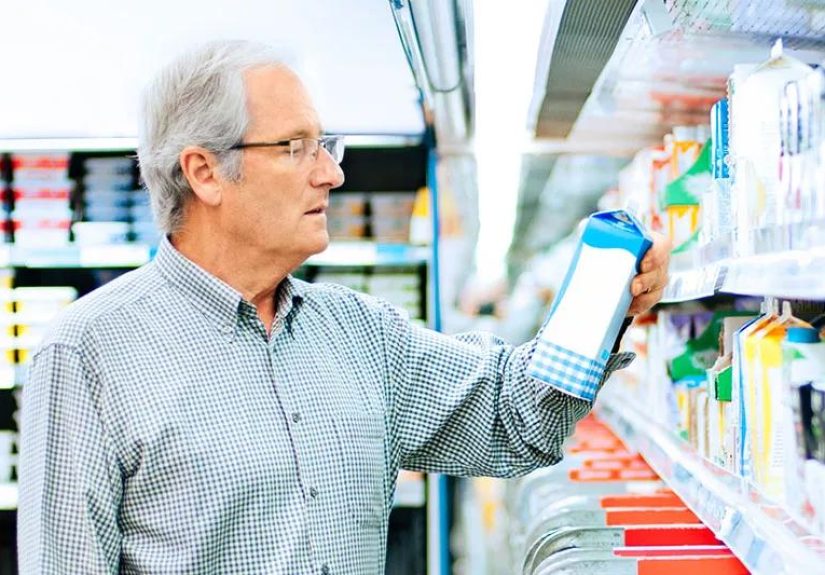
The label is one of your best tools. Check sodium in milligrams per serving and compare that to the amount you actually eat. A serving on the package and a serving in real life are often not on speaking terms.
Use Percent Daily Value as a shortcut:
- 5% Daily Value or less per serving is considered low
- 20% Daily Value or more per serving is considered high
You can also use sodium claims on packaging more intelligently:
- Sodium free: less than 5 mg per serving
- Very low sodium: 35 mg or less per serving
- Low sodium: 140 mg or less per serving
- Reduced sodium: at least 25% less sodium than the regular version
One important note: “reduced sodium” does not automatically mean “low sodium.” It just means it is less salty than its louder cousin.
2. Cook more meals at home
Home cooking gives you control. Restaurant food often relies on sodium for flavor, preservation, and consistency. When you cook at home, you can build flavor with garlic, onion, citrus juice, vinegar, black pepper, smoked paprika, cumin, rosemary, basil, thyme, ginger, and salt-free seasoning blends.
This is the great myth-buster of lower-sodium eating: flavor does not disappear when salt decreases. It just has to come from somewhere more interesting.
3. Buy fresh, frozen, or no-salt-added options more often
Fresh fruits and vegetables are naturally low in sodium. Frozen vegetables without sauces are usually great choices too. When buying canned beans or vegetables, look for no-salt-added or low-sodium versions. If regular canned beans are what you have, draining and rinsing them can help reduce some of the sodium.
4. Watch the meats
Processed meats are frequent sodium bombs. Bacon, sausage, ham, hot dogs, jerky, and deli slices can pack a surprising sodium load into a small portion. Swap in fresh chicken, turkey, fish, eggs, beans, lentils, tofu, or low-sodium canned tuna when possible.
5. Be strategic with condiments
Soy sauce, bottled dressings, jarred pasta sauce, pickle relish, and sandwich spreads can quietly drive up your daily total. Use smaller amounts, choose lower-sodium versions, or make quick homemade alternatives. A mix of olive oil, vinegar, lemon, garlic, and herbs can do a lot of heavy lifting.
6. Plan for restaurant meals
You do not have to become a social hermit to lower sodium. But restaurant food requires strategy. Ask for sauces and dressings on the side. Choose grilled foods instead of breaded or heavily sauced items. Skip extra cheese, bacon, and salty appetizers. Order more vegetables and simpler preparations. Portion control helps too, because eating half the sodium still beats eating all the sodium.
7. Increase potassium-rich foods carefully
Potassium can help balance sodium’s effects on blood pressure. Good sources include bananas, oranges, potatoes, beans, tomatoes, spinach, yogurt, and other fruits and vegetables. But if you have kidney disease or take certain medications, you should talk with a healthcare professional before dramatically increasing potassium intake.
A Simple Lower-Sodium Day for Hypertension
Here is what a more blood-pressure-friendly day might look like:
- Breakfast: plain oatmeal with berries, chopped walnuts, and cinnamon, plus low-fat milk or unsweetened yogurt
- Lunch: grilled chicken salad with mixed greens, cucumbers, tomatoes, beans, olive oil, lemon, and a whole-grain roll
- Snack: banana with unsalted almonds
- Dinner: baked salmon, brown rice, roasted broccoli, and a side of fruit
- Flavor boosters: garlic, pepper, herbs, vinegar, lemon juice, and salt-free spice blends
That kind of day is not extreme, weird, or joyless. It is simply less dependent on packaged sodium and more dependent on actual food.
Common Mistakes People Make
Thinking sea salt is a free pass
Sea salt, kosher salt, pink salt, fancy salt harvested by moonlight on a cliff somewhere they still contribute sodium. Marketing may change the vibe, but not the chemistry in any meaningful way for blood pressure.
Focusing only on the shaker
Again, the real sodium load usually comes from processed and restaurant foods. Removing table salt helps, but it is rarely enough by itself.
Ignoring serving sizes
A food may not look terrible on the label until you realize the package contains two or three servings and you plan to eat all of it while pretending not to notice.
Going too hard, too fast
Some people try to slash sodium overnight, hate every meal for three days, and give up by Thursday. A gradual approach often works better. Reduce sodium step by step, retrain your palate, and focus on repeatable habits.
How Fast Can You See Results?
Blood pressure can begin improving within weeks when sodium reduction is paired with a healthy eating pattern such as DASH. Some people notice changes sooner, especially if their starting intake was very high. Others need more time or need to combine diet changes with weight management, exercise, medication, alcohol reduction, better sleep, or all of the above.
The key is consistency. Lower-sodium eating is less like flipping a switch and more like turning a wheel. The wheel does move, but it moves because you keep turning it.
When to Get Medical Guidance
If you have hypertension, chronic kidney disease, heart failure, diabetes, or take blood pressure medicine or diuretics, it is smart to discuss your sodium goal with your clinician. Not everyone needs the same approach, and some people also need guidance on potassium, fluid intake, or overall calorie needs.
Food changes are powerful, but they are not a substitute for medical care. They work best as part of a complete plan.
Conclusion
Lowering your salt intake for hypertension is one of the most practical ways to support better blood pressure. The goal is not to make food miserable. The goal is to get sodium down where it belongs while keeping meals satisfying, sustainable, and genuinely enjoyable. Focus on label reading, home cooking, smarter swaps, fewer processed foods, and a DASH-style pattern built around real ingredients. That is where the biggest wins happen.
You do not need a perfect diet. You need a better default. When your shopping cart, pantry, and everyday routine become less sodium-heavy, blood pressure-friendly choices stop feeling like a project and start feeling normal. And that is exactly the point.
Experiences Related to Lowering Your Salt Intake for Hypertension
People who begin lowering sodium for high blood pressure often describe the first week as a reality check. They start reading labels and suddenly realize that foods they thought were harmless are doing quite a bit of damage. A breakfast sandwich, canned soup for lunch, and takeout noodles at dinner can add up fast. One common experience is simple disbelief: “I was not even using the salt shaker. How am I eating this much sodium?” That moment is frustrating, but it is also useful, because it shifts the focus from willpower to awareness.
Another common experience is that food tastes different before it tastes better. People often say low-sodium meals seem flat at first. Then, after a couple of weeks, their taste buds begin to adjust. Suddenly, herbs taste brighter, lemon feels sharper, garlic seems more alive, and heavily salted snack foods start to taste almost aggressive. Many people are surprised by how quickly their preferences change once they stop overwhelming their palate with sodium every day.
Shopping also becomes a new kind of skill. Instead of grabbing the familiar box or can, people compare labels, notice serving sizes, and learn the difference between “reduced sodium” and “low sodium.” Some feel annoyed at first because it takes longer. Then it becomes automatic. They start building a list of go-to products that fit their blood pressure goals, and grocery shopping gets easier again. Familiarity turns confusion into routine.
At home, people often report the biggest success when they stop trying to simply remove salt and start replacing it with flavor. Meals improve when they use onion, roasted garlic, paprika, black pepper, cumin, basil, thyme, ginger, vinegar, or citrus. Instead of tasting like something is missing, food tastes like someone actually cooked it on purpose. That shift matters. Lower-sodium eating sticks when it feels like a food upgrade, not a punishment.
Dining out is usually the hardest part. Many people say they do well all week and then lose control at restaurants, parties, or travel stops. The experience teaches them that success is not about never eating out. It is about making better choices more often: asking for sauce on the side, skipping the salty appetizer, choosing grilled items, and accepting that leftovers are not failure. They also learn that one higher-sodium meal does not erase a week of effort. Consistency beats perfection.
Some people notice encouraging blood pressure changes after a few weeks, which makes the effort feel real. Others do not see dramatic numbers right away and feel discouraged. But even then, many report other benefits first: less bloating, less thirst, fewer “food hangover” feelings after takeout, and a stronger sense of control over their eating. Those non-scale, non-lab wins matter because they keep motivation alive while longer-term improvements develop.
In the end, the most repeated experience is this: lowering sodium gets easier once it stops being a temporary project and becomes part of everyday life. People stop chasing perfect meals and start building better habits. They cook more. They read labels faster. They keep healthier staples around. They learn which foods are worth it and which ones are just salty noise. That steady, practical progress is often what leads to the most lasting improvements in hypertension management.