Table of Contents >> Show >> Hide
- What Is Itchy Acne (and Why Does It Feel Like a Tiny Betrayal)?
- Symptoms: How to Tell If Your Acne Is “Just Acne” or Something Sneakier
- Causes: Why Acne Itches in the First Place
- Don’t Scratch: What Happens If You Do (Besides Regret)
- Treatment: A Practical Plan to Calm Itch and Clear Breakouts
- Prevention: Keeping Itchy Acne From Coming Back
- Safety Note: Benzoyl Peroxide Product Recalls and Smart Storage
- Quick “Do This, Not That” Cheat Sheet
- Conclusion: Clearer Skin, Fewer Itches, More Peace
- Experiences: What Managing Itchy Acne Often Looks Like in Real Life (and Why You’re Not “Doing It Wrong”)
Acne is already annoying. But itchy acne? That’s acne with a megaphoneloud, persistent, and determined to ruin your focus in the middle of a meeting.
If you’ve ever caught yourself scratching a breakout like it’s a mosquito bite, you’re not alone. The tricky part is that itch can be “normal-ish” acne
inflammation… or a giant clue that something else is going on (hello, product irritation and fungal acne).
In this guide, we’ll break down what itchy acne looks like, why it happens, and how to calm the itch without making your skin throw a full-blown tantrum.
You’ll get practical, dermatologist-aligned strategiesplus real-world examplesso you can stop the scratch cycle and start healing.
What Is Itchy Acne (and Why Does It Feel Like a Tiny Betrayal)?
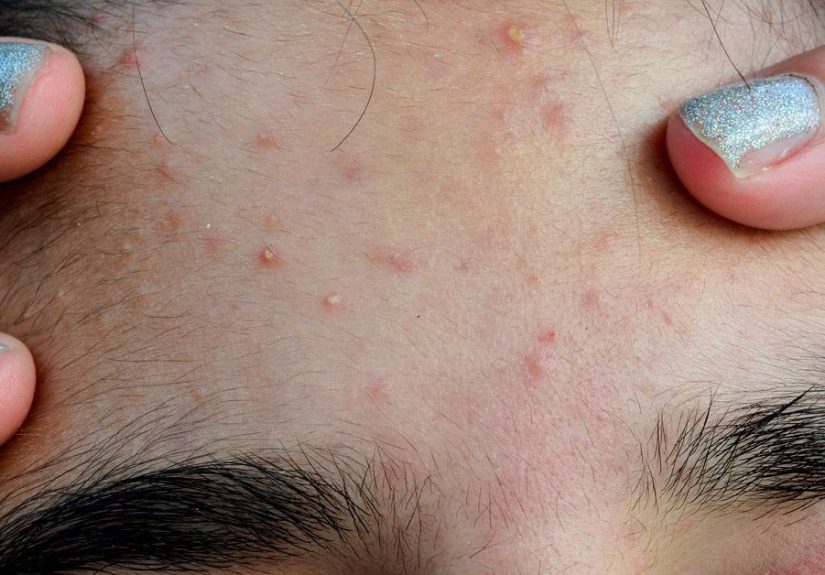
“Itchy acne” isn’t a separate medical diagnosis so much as a symptom: your acne lesions (or acne-like bumps) are itching.
Classic acne forms when hair follicles get clogged with oil (sebum) and dead skin cells. Add bacteria and inflammation, and you get blackheads, whiteheads,
papules, pustules, and deeper nodules.
The itch usually comes from inflammation, skin barrier damage, or irritation/allergy.
Think of it like your skin’s customer service line: “Hi, yes, we’d like to file a complaint.”
Symptoms: How to Tell If Your Acne Is “Just Acne” or Something Sneakier
Common signs of itchy acne
- Itchy pimples with redness and tenderness
- Dry, tight, or flaky skin around breakouts
- Itch that’s worse after washing, shaving, sweating, or applying treatment
- Stinging or burning (often a clue that your skin barrier is irritated)
Clues it might not be typical acne
-
Uniform, same-size bumps that are very itchyespecially on chest, back, shoulders, or hairline (often linked with
Malassezia folliculitis, commonly called “fungal acne”). - Sudden outbreak after a new product (sunscreen, hair product, fragrance, detergent)could be contact dermatitis or irritation.
- Rash-like patches, swelling, or blisters alongside bumpsmore suggestive of dermatitis than acne.
- Itch that spreads beyond the breakout zone (face to neck, jaw to chest) without typical acne patterns.
If you’re thinking, “Cool, so my face could be acne, fungal acne, or my shampoo doing crimes,” yeswelcome to skin detective work.
The good news: patterns help a lot, and you can usually narrow it down with a few smart checks.
Causes: Why Acne Itches in the First Place
1) Inflammation (the classic culprit)
Inflamed acne lesions are basically little immune-system bonfires. Your body sends inflammatory signals to fight what it sees as trouble inside the follicle.
That irritation can trigger itch, tenderness, and swelling. The itch often shows up more with red papules, pustules, and deeper cyst-like bumps than with
simple blackheads.
2) Over-drying and a damaged skin barrier
Many acne products are designed to reduce oil and unclog pores. Great in theory. But when the routine turns into “sandpaper + acid + willpower,” your
skin barrier gets compromised. Dry, irritated skin itchesperiod.
Common triggers include:
- Over-washing (especially with hot water or harsh cleansers)
- Using multiple strong actives at once (benzoyl peroxide + retinoid + acids + scrubs)
- Starting a retinoid too frequently and too fast
- Skipping moisturizer because you think it “feeds acne” (it doesn’tpick a non-comedogenic one)
3) Irritation or allergy from skincare, haircare, or laundry products
Not every itchy bump is acne. An irritant reaction (too harsh) or allergic reaction (your immune system says “absolutely not”) can create acne-like bumps.
This is especially common near the hairline, temples, jawline, neck, and backaka the “products migrate here” zone.
4) Fungal acne (Malassezia folliculitis)
Despite the name, fungal acne isn’t true acne. It’s folliculitis caused by yeast that normally lives on skin. It can look like a breakout, but it often:
(1) itches more, (2) appears in clusters of similar bumps, and (3) flares with heat, sweat, and occlusive products.
5) Sweat, friction, and “acne mechanica”
Tight hats, helmets, masks, sports bras, backpacks, and sweaty workout clothes can trap heat and rub the skin.
Friction + sweat + clogged follicles = breakouts that may sting and itchespecially on the jawline, shoulders, back, and chest.
6) Stress and hormones (the behind-the-scenes producers)
Stress can worsen acne for some people, and hormone shifts often drive oil productionparticularly with jawline and chin breakouts.
The itch here is usually indirect: more inflammation, more irritation, more temptation to scratch.
Don’t Scratch: What Happens If You Do (Besides Regret)
Scratching itchy acne feels satisfying for approximately 0.7 seconds. Then you get:
- More inflammation (your skin interprets scratching as an injury)
- More redness and swelling
- Higher risk of infection (tiny breaks in the skin invite bacteria)
- More post-acne marks (especially dark spots after healing)
- Higher scarring risk, particularly with deeper lesions
If you need a “hands off” strategy: trim nails, keep a fidget item nearby, and use a hydrocolloid pimple patch
as a physical reminder that your fingers are not invited to the party.
Treatment: A Practical Plan to Calm Itch and Clear Breakouts
The best approach is a two-track plan: reduce itch/irritation while you treat the acne (or acne-like condition).
If you only treat acne aggressively, you may worsen itch. If you only soothe, you may not control breakouts. Balance wins.
Step 1: Hit pause on whatever is making your skin angry
For 7–14 days, simplify. Yes, this is boring. Yes, it works.
- Cleanser: gentle, fragrance-free, once or twice daily
- Moisturizer: non-comedogenic, morning and night
- Sunscreen: broad-spectrum daily (choose a formula your skin tolerates)
- Stop: scrubs, high-alcohol toners, “tingly” masks, and piling on actives
Step 2: Calm the itch safely (without sabotaging your progress)
- Cool compress: 5–10 minutes to reduce itch and swelling
- Moisturize like it’s your job: barrier support reduces itch triggers
- Colloidal oatmeal products: helpful for irritated, itchy skin in many people
- Consider an oral antihistamine if itching seems allergy-related (ask your clinician/pharmacist if appropriate for you)
One caution: slathering topical steroid cream on acne lesions can backfire for some people and may worsen acne-like eruptions in certain cases.
If you suspect dermatitis, it’s better to confirm the diagnosis first.
Step 3: Reintroduce acne treatmentslowly and strategically
Once itch and irritation dial down, add targeted acne therapy. The key is low-and-slow.
You’re training your skin, not trying to win a skincare speedrun.
Option A: Benzoyl peroxide (BPO)
Benzoyl peroxide helps reduce acne-causing bacteria and inflammation and is a classic first-line ingredient.
Start with a lower strength, use a thin layer, and moisturize to buffer dryness.
- Best for: inflamed pimples
- Watch for: dryness, peeling, irritation, and bleaching fabrics (hello, sad towel)
Option B: Topical retinoids (like adapalene)
Retinoids help prevent clogged pores and improve texture, but they can cause dryness early on.
Introduce 2–3 nights per week, then increase as tolerated.
- Best for: blackheads/whiteheads, long-term prevention
- Watch for: irritation, sun sensitivity, and the temptation to over-apply (more is not more)
Option C: Salicylic acid
Salicylic acid can help with oil and clogged pores, especially if you’re dealing with blackheads.
It can also dry the skin if used too often, so keep an eye on itch.
Option D: Azelaic acid
Azelaic acid can help with acne and post-acne marks in many people and may be gentler than some other activesthough it can still tingle in sensitive skin.
Step 4: If it might be fungal acne, treat it like fungal acne
If your bumps are very itchy, look uniform, and flare with sweatespecially on the chest/backconsider that yeast may be involved.
Typical acne treatments may not help much. Antifungal approaches (often topical) are commonly used.
Practical moves that often help:
- Shower promptly after sweating
- Avoid heavy, occlusive oils on affected areas
- Use treatments recommended by a healthcare professional if symptoms persist
Step 5: Know when it’s time to call a dermatologist
See a clinician if:
- Itching is severe, widespread, or keeping you up at night
- You have painful nodules/cysts, scarring, or significant dark marks
- Breakouts aren’t improving after 8–12 weeks of consistent, tolerable care
- You suspect an allergic reaction (swelling, hives, blistering, rapid spread)
- You’re pregnant, trying to conceive, or on medications that complicate treatment choices
Prescription options can include combination topicals (to target multiple acne pathways), oral antibiotics for limited durations, hormonal therapy in
appropriate candidates, or isotretinoin for severe or scarring acne. The point isn’t “go nuclear”it’s “use the right tool for the right job.”
Prevention: Keeping Itchy Acne From Coming Back
Build a routine your skin can actually tolerate
- Pick one primary active at first (BPO or retinoid or salicylic acid)
- Use moisturizer dailyeven if you’re oily
- Introduce new products one at a time (your skin deserves a fair trial)
Control sweat and friction
- Change out of sweaty clothes quickly
- Wash hats/helmet liners and pillowcases regularly
- Choose breathable fabrics and avoid repetitive rubbing
Diet and lifestyle: helpful, not magical
Some research suggests acne may improve for certain people with a lower-glycemic eating pattern and may be associated with dairy intake in some groups.
But diet changes aren’t a universal cure. If you experiment, keep it simple: try one change for 6–8 weeks and track what happens.
Check your products (especially the sneaky ones)
Hair products, beard oils, heavy fragrances, and even laundry detergents can create itch and bumps along the hairline, jaw, neck, shoulders, and back.
If itchy acne started after a new product, run the easiest experiment in science: stop the suspect for 2–3 weeks and see if your skin calms down.
Safety Note: Benzoyl Peroxide Product Recalls and Smart Storage
Benzoyl peroxide remains a widely used acne ingredient, but there have been U.S. recalls of a limited number of benzoyl peroxide acne products due to
benzene findings in certain lots. This doesn’t mean “panic and throw away everything,” but it does mean: be a savvy consumer.
- Check product expiration dates
- Store acne treatments as directed (avoid excessive heat)
- If you’re concerned about a specific product, look up recall details from official sources
Quick “Do This, Not That” Cheat Sheet
- Do: Use a gentle cleanser + moisturizer + sunscreen
- Not that: Scrub your face like you’re cleaning a frying pan
- Do: Introduce actives slowly (2–3 nights/week → build up)
- Not that: Layer three actives and call it “self-care”
- Do: Consider fungal acne if bumps are uniform + very itchy
- Not that: Assume every bump needs more acid
- Do: See a dermatologist for scarring, severe pain, or persistent itch
- Not that: DIY your way through months of misery
Conclusion: Clearer Skin, Fewer Itches, More Peace
Itchy acne is your skin asking for a smarter strategynot necessarily a stronger one. The winning combo is usually:
calm inflammation, repair the barrier, and treat the right cause (true acne vs. fungal folliculitis vs.
dermatitis). When you keep your routine tolerable, you’re more consistentand consistency is what actually clears skin over time.
If your breakouts itch intensely, spread rapidly, or don’t improve after a couple of months of steady, gentle treatment, get a professional opinion.
You deserve a plan that works without making your face feel like it’s auditioning for a scratching contest.
Experiences: What Managing Itchy Acne Often Looks Like in Real Life (and Why You’re Not “Doing It Wrong”)
People rarely wake up one day and decide, “I would like to develop itchy acne as a hobby.” It usually happens in a very predictable storylinealmost like
a sitcom, except nobody laughs until it’s over.
Experience #1: The Overachiever Routine. This is the person who buys a benzoyl peroxide wash, a retinoid, an exfoliating toner, a clay mask,
and a “purifying” scrub… and starts them all in the same week. By day five, their skin feels tight, looks red, and the acne is now both itchy and offended.
The lesson most people learn the hard way: acne treatment is not a punishment. When the barrier gets damaged, the skin itches, stings, and breaks out
more easily. The fix is almost always boring: stop the extra actives, moisturize consistently, and restart one treatment at a time.
Experience #2: The “It’s My Shampoo, Isn’t It?” Mystery. A common pattern is bumps along the hairline, forehead, temples, or jawline that itch
more than typical pimples. Many people notice it after switching hair products, trying a new beard oil, or using a fragranced styling spray. What’s happening
is simple: product residue touches the skin repeatedly, the skin gets irritated or allergic, and suddenly you’ve got acne-like bumps with an itch soundtrack.
The classic experiment is to stop the suspected product for two to three weeks, keep face products bland, and see whether the itch quiets down. If it does,
you didn’t “fail skincare”you successfully identified the villain.
Experience #3: The Sweat Season Spiral. In warmer months (or for anyone who works out regularly), sweat + friction creates a perfect storm.
People describe itchy bumps on the chest, back, shoulders, or along the sports-bra and backpack lines. Sometimes it’s acne mechanica; other times, the bumps
are uniform and intensely itchyclues that yeast folliculitis could be involved. What tends to help in real life isn’t a 12-step routine; it’s practical
hygiene: changing out of sweaty clothes quickly, showering after workouts, washing athletic gear more often, and avoiding heavy occlusive products on the body.
The relief can be surprisingly fast once the trigger is controlled.
Experience #4: The “Why Does It Itch More at Night?” Problem. Many people notice itch is louder when they’re finally stilllying in bed with
nothing to focus on except that one pimple that suddenly feels like it has a Wi-Fi connection. Night itch often overlaps with dryness (from daytime treatments)
and habit (hands wander when you’re tired). Practical hacks people swear by include: applying moisturizer as the final step, using a hydrocolloid patch on the
itchiest spots, keeping nails short, and doing a quick cool compress before bed. It’s not glamorous, but it prevents the “wake up with scratches and regret”
morning scenario.
Experience #5: The Slow-and-Steady Win. The most consistent success stories sound almost too simple: gentle cleanser, moisturizer, sunscreen,
and one acne-active used consistently and patiently. Many people report that once itching is under control, they can tolerate treatment betterand once they
tolerate treatment better, breakouts finally start to improve. This is why dermatology advice often sounds repetitive: skin responds to routines you can
maintain, not routines you can tolerate for exactly four days before rage-quitting.
If you’re dealing with itchy acne right now, here’s the big takeaway from real-world patterns: most “failures” aren’t failurethey’re feedback. Your skin is
telling you what it can’t handle, what it reacts to, and what needs to change. When you treat the itch and the cause together, it gets easier to stay
consistent. And consistent, boring care? That’s the secret weapon nobody wants, but everyone needs.