Table of Contents >> Show >> Hide
- What Sweet Marjoram Essential Oil Is (and What It Isn’t)
- Smell Profile: Why Sweet Marjoram Feels So Comforting
- What’s Inside: Sweet Marjoram Oil Chemistry (In Plain English)
- Potential Benefits: Evidence-Informed (No Hype, Just Helpful)
- How to Use Sweet Marjoram Essential Oil
- Safety First: The Non-Negotiables
- How to Buy a Quality Sweet Marjoram Essential Oil
- Marjoram vs. Oregano: A Quick Reality Check
- FAQ: Quick Answers People Actually Want
- Real-World Experiences With Sweet Marjoram Essential Oil (About )
- Final Takeaway
Sweet marjoram essential oil is the cozy sweatshirt of the aromatherapy world: warm, herbal, gently spicy, and surprisingly good at helping a room feel less like “I have 47 tabs open” and more like “I can handle today.” It’s distilled from Origanum majorana, a mint-family herb that’s basically oregano’s softer, sweeter cousin. And like most essential oils, it sits at the intersection of “smells amazing,” “has interesting chemistry,” and “please don’t treat it like flavored water.”
This guide breaks down what sweet marjoram essential oil is, what we actually know about its potential benefits, how to use it safely, and how to shop for a quality bottle without falling for magical-thinking marketing. Expect real talk, practical examples, and a little humorbecause if your diffuser can’t lighten the mood, what can?
What Sweet Marjoram Essential Oil Is (and What It Isn’t)
The plant behind the bottle: Origanum majorana
“Sweet marjoram” refers to Origanum majorana, a culinary herb in the mint family (Lamiaceae). If you’ve cooked with marjoram, you already know the vibe: softer than oregano, a bit floral, a little piney, and less likely to shout over your food. In the garden world, it’s often described as an edible herb/subshrub that likes sun and good drainagelow drama, high reward.
How it’s made
Sweet marjoram essential oil is typically produced by steam distillation of the plant’s leafy and flowering parts. Distillation concentrates the plant’s volatile aromatic compounds into a potent oilpotent being the key word. This is not “marjoram tea,” and it’s not “marjoram seasoning.” It’s the concentrated aromatic fraction.
What it isn’t
- Not a cure-all: Aromatherapy can support comfort and relaxation, but it’s not a substitute for medical care.
- Not for drinking: Essential oils are highly concentrated and are generally not considered safe to consume casually.
- Not the same as oregano oil: Oregano essential oil is often higher in strong phenols (like carvacrol) and can be more irritating. Sweet marjoram is usually gentlerdifferent plant chemistry, different “personality.”
Smell Profile: Why Sweet Marjoram Feels So Comforting
People often describe sweet marjoram oil as warm, herbaceous, and slightly camphor-like, with a soft spicy edge. If oregano is a bold keynote speaker, sweet marjoram is the friend who brings snacks and says, “You’ve got thisalso, drink water.”
In aromatherapy, that comforting aroma matters because scent is closely tied to emotion and memory. Whether it’s the association with cooking, a “clean herbal” smell, or simply a pleasant sensory cue, marjoram’s aroma can become part of a routine that signals “time to unwind.”
What’s Inside: Sweet Marjoram Oil Chemistry (In Plain English)
Essential oils aren’t single ingredientsthey’re complex mixtures. Sweet marjoram essential oil commonly contains compounds like terpinen-4-ol and cis-sabinene hydrate, along with supportive terpenes such as p-cymene, γ-terpinene, and α-terpinene. The exact percentages can vary by region, harvest timing, and distillation method, which is why two bottles can smell similar but not identical.
This “natural variation” is normal in plant products, but it’s also the reason quality brands often provide batch testing (like GC/MS reports). Chemistry isn’t just for lab coatsit’s how you know what you’re actually putting on your skin or diffusing into your space.
Potential Benefits: Evidence-Informed (No Hype, Just Helpful)
Research on essential oils is a mixed bag: some lab studies look promising, some human studies suggest modest benefits for comfort, and many questions remain. The most responsible way to talk about sweet marjoram oil is: it may support relaxation and comfort for some people, especially as part of a routine, but it’s not a guaranteed outcome and not a medical treatment.
1) Relaxation and “mental unclenching”
Aromatherapy overall is commonly used for stress and relaxation. For many people, the biggest benefit is practical: a pleasant scent can help signal a transitionwork to rest, school to downtime, scrolling to sleep. Sweet marjoram’s warm, herbal aroma fits that purpose well.
A simple example: if you always diffuse sweet marjoram (alone or blended) while you journal, stretch, or read, your brain starts to associate that scent with “we’re safe to slow down now.” That’s not magic; it’s conditioning. And honestly? Conditioning is underrated.
2) Sleep routine support
Some research on aromatherapy suggests it can modestly improve sleep-related outcomes in certain groups, especially when paired with relaxing routines (like massage or bedtime wind-down habits). Sweet marjoram is often included in calming blends because it smells soothing and “rounds out” sharper notes like eucalyptus or peppermint.
Important nuance: even when aromatherapy helps, it usually helps as support, not as a stand-alone fix. If your sleep is being wrecked by late caffeine, doomscrolling, or an irregular schedule, a diffuser can’t do all the heavy lifting. It can, however, be a gentle cue that it’s time to power down.
3) Muscle comfort and post-workout relaxation
In aromatherapy practice, sweet marjoram is commonly used in diluted massage blends aimed at soothing the feeling of tight, overworked muscles. There’s a practical reason: the aroma is warm and relaxing, and topical application (when properly diluted) pairs scent + touch + routinethree things that help your body feel calmer.
Think of it like this: if a warm shower helps you feel better after a long day, a properly diluted massage oil used after that shower can become your “recovery ritual.” You’re not claiming to treat injuriesyou’re supporting comfort.
4) “Fresh air” vibes and lab-based antimicrobial interest
Sweet marjoram (as a plant and as an essential oil) has been studied for antimicrobial properties in laboratory settings and food contexts. That does not mean you should DIY medical disinfectant. But it does help explain why many people perceive marjoram oil as “clean smelling” and why it shows up in home fragrance blends.
How to Use Sweet Marjoram Essential Oil
Essential oils are powerful. The safest approach is to start low, keep it simple, and choose methods with a wide safety margin: diffusion (thoughtfully) and topical use (properly diluted).
Aromatic use: diffuser, personal inhaler, or “scent cue”
- Diffuser: Follow your diffuser’s instructions. Use fewer drops than you think you need, especially in small rooms.
- Short sessions: Try 15–30 minutes rather than running it all day. Ventilation matters.
- Personal inhaler: A convenient option if you want a scent cue without scenting the whole house (or bothering roommates).
Blend ideas (aroma only):
- “Unwind” blend: Sweet marjoram + lavender + a touch of cedarwood (soft, cozy, bedtime-friendly).
- “Post-work reset” blend: Sweet marjoram + eucalyptus (small amount) + sweet orange (if you tolerate citrus scents well).
- “Study break” blend: Sweet marjoram + bergamot FCF + a hint of rosemary (herbal focus without sharpness).
Topical use: always dilute (your skin will thank you)
Most reputable aromatherapy safety guidance emphasizes dilution for topical use. A common everyday range for many essential oils is 1% to 2% dilution in a carrier oil (like jojoba, sweet almond, grapeseed, or fractionated coconut oil). Lower is often better for sensitive skin.
- Patch test: Try a small amount on a small area first.
- Avoid eyes and mucous membranes: Essential oils and eyeballs are not friends.
- Don’t apply to broken or irritated skin: Keep it to intact skin.
Simple topical example (comfort blend):
- Mix a properly diluted sweet marjoram blend into carrier oil and use it as a neck/shoulder massage after a warm shower.
- Keep pressure gentle and focus on the routine: slow breathing, relaxed shoulders, and consistent use (not more drops).
Bath and compress (the “spa day” methods)
Essential oils don’t mix with water. If you add drops directly into a bath, they can float and contact skin in concentrated form. If you want a bath experience, use a proper dispersant or a well-formulated bath product. For a compress, a safer approach is to use diluted oil in a carrier and apply to skin, then place a warm towel over the area for comfort.
Safety First: The Non-Negotiables
“Natural” doesn’t automatically mean “safe.” Essential oils are concentrated chemical mixtures. Used thoughtfully, they can be enjoyable and supportive. Used carelessly, they can cause irritation, allergic reactions, or worse.
Do not ingest essential oils
Drinking essential oils or adding drops to water/tea is not a casual wellness hack. Many health authorities and clinical resources warn against ingesting essential oils due to the risk of poisoning and other adverse effects. Treat sweet marjoram oil as an aromatic and topical product (when diluted)not a supplement.
Watch for irritation and allergies
Safety data for essential oils commonly includes warnings for skin and eye irritation and the potential for allergic skin reactions. That doesn’t mean you’ll have a reactionbut it does mean dilution and patch testing are worth doing.
Be cautious around kids, pets, and sensitive households
- Kids: Keep bottles locked up and out of reach. Use lower dilutions and avoid strong diffusion in small rooms.
- Pets: Some animals (especially cats) can be sensitive to diffused oils. If you diffuse, keep it brief, ventilate well, and make sure pets can leave the room.
- Asthma/migraines: Strong scents can be triggers for some people. Start low and stop if it irritates.
Basic handling: flammable + concentrated
- Keep essential oils away from open flames and heat sources.
- Store in a cool, dark place in a tightly sealed bottle.
- Wash hands after useaccidental eye contact is a classic “regret in 4 seconds” situation.
How to Buy a Quality Sweet Marjoram Essential Oil
The essential oil world ranges from excellent to wildly questionable. A smart purchase is less about hype and more about transparency.
Quality checklist
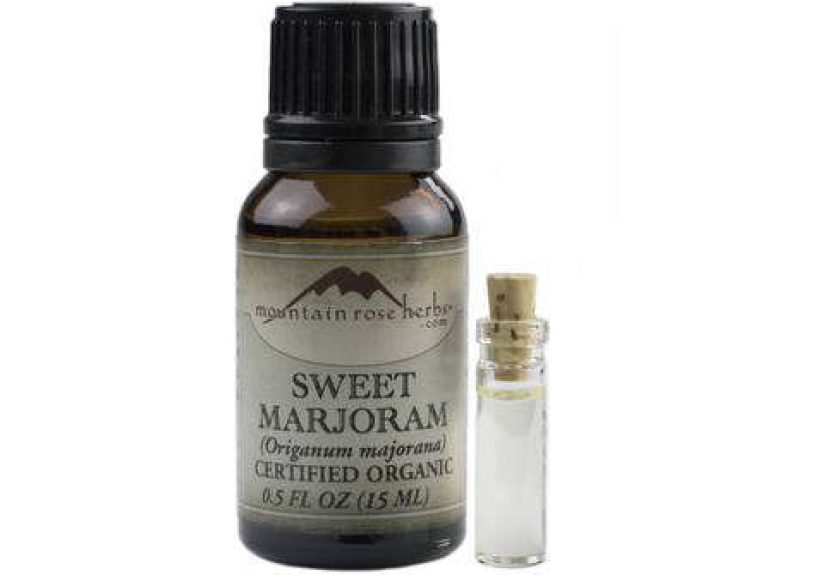
- Correct Latin name: Look for Origanum majorana on the label.
- Extraction method: Steam distilled is typical for sweet marjoram oil.
- Batch testing: GC/MS reports or at least a clear quality statement are a good sign.
- Packaging: Dark glass bottle with a tight cap; plastic is not ideal for long-term storage.
- Realistic claims: Be wary of brands promising dramatic medical outcomes.
What “good” usually smells like
A quality sweet marjoram oil often smells warm, herbal, slightly spicy, and softly camphoraceouscomforting rather than harsh. If it smells aggressively sharp, oddly sweet like candy, or “thin” and solvent-y, it may be old, diluted, or not what it claims to be.
Marjoram vs. Oregano: A Quick Reality Check
In the kitchen, marjoram is milder and sweeter than oregano. In essential oils, the difference can matter for skin comfort: oregano oil is often more intense and more likely to irritate sensitive skin. If you’re choosing an oil for “gentle relaxation,” sweet marjoram is typically the calmer pick.
FAQ: Quick Answers People Actually Want
Does sweet marjoram essential oil help with anxiety?
It may support relaxation for some people as part of aromatherapy, but it’s not a medical treatment. If anxiety is affecting daily life, it’s worth talking to a qualified professional.
Can I use it every day?
Many people use essential oils regularly, but “more” isn’t better. Keep diffusion sessions limited, dilute for topical use, and take breaks if you notice irritation or scent fatigue.
Can I put it directly on my skin?
Generally, no. Undiluted essential oils can irritate skin. Use a carrier oil and a conservative dilution.
Is it safe around pets?
Some pets are sensitive to essential oils, especially in enclosed spaces. If you diffuse, keep it brief, ventilate, and make sure pets can leave the room.
What’s the best carrier oil for marjoram?
For most people, jojoba, fractionated coconut, and sweet almond are popular choices. Pick one that suits your skin and allergies.
How long does a bottle last?
With good storage (cool, dark, tightly sealed), many essential oils remain usable for a couple of years, though aroma can shift over time. If it smells “off,” oxidized, or irritating, replace it.
Real-World Experiences With Sweet Marjoram Essential Oil (About )
People don’t usually fall in love with sweet marjoram essential oil because it’s flashy. They fall for it because it’s dependablelike that one friend who always shows up with snacks and a phone charger. In everyday use, the most common “experience” isn’t a dramatic before-and-after. It’s subtler: a room feels calmer, a routine feels more intentional, and your brain gets a sensory reminder that you’re allowed to slow down.
One of the most relatable patterns is the post-work or post-school reset. Imagine walking in the door with tense shoulders and a head full of unfinished tasks. Some users describe adding sweet marjoram to a short diffuser session while they change clothes, drink water, and do a quick 5-minute tidy. The scent becomes a boundary marker: “I’m home now.” Not in a woo-woo waymore like how putting on a playlist can shift your mood. Over time, that pairing (marjoram aroma + small decompression habit) can feel like flipping a switch from overstimulated to steady.
Another common scenario is the bedtime wind-down. People who enjoy marjoram at night often say it feels “soft” compared with sharper oils. They’ll diffuse it briefly while reading, stretching, or doing a simple skincare routine, then turn it off. The key detail in many positive reports is that the oil isn’t doing the work alonethe routine is. Sweet marjoram just makes the routine feel nicer (and if the routine is nicer, you’re more likely to stick with it).
In massage blends, sweet marjoram shows up when people want that warming, comforting vibe without turning their skin into a complaint department. Users often describe it as especially pleasant on the neck, shoulders, and calves after a long day on their feet or after exerciseagain, properly diluted. The experience tends to be less “this fixed everything” and more “this helped me relax while I recovered.” That matters, because relaxation is part of feeling better, even when it isn’t “treatment.”
Some people also connect sweet marjoram to food memories. Because marjoram is a culinary herb, the aroma can feel familiarlike a kitchen at dinner time or a comforting stew simmering. That association can be grounding. You’ll hear descriptions like “cozy,” “safe,” “warm,” or “like a hug, but herbal.” It’s not that the oil contains happiness. It’s that the scent can gently cue emotions you already know.
And yes, there’s the occasional “I didn’t expect to like this” storyoften from people who find lavender too floral or peppermint too intense. Sweet marjoram can feel like the middle path: herbal but not sharp, calming but not sleepy, cozy without smelling like dessert. If essential oils had a personality test, sweet marjoram would be the one who brings a blanket to the movie night and still lets you pick the film.
Final Takeaway
Sweet marjoram essential oil (Origanum majorana) is best understood as a comfort tool: an aromatic anchor that can support relaxation, bedtime routines, and post-work recovery ritualswhen used safely and realistically. Its chemistry varies naturally, its evidence base is still developing, and its best results usually come from pairing it with steady habits: breathing, stretching, journaling, massage, or simply creating a calmer environment.
If you take away one thing, make it this: use less, dilute properly, and treat aroma as a routine cuenot a medical shortcut. Your nose will be happy, your skin will be happier, and your diffuser will stop judging you for trying to solve your entire life with 12 drops of anything.