Table of Contents >> Show >> Hide
- Why a Mason Jar Bouquet Works So Well
- Pick the Right Jar Size for Your Flowers
- Supplies You’ll Actually Use (No Glitter Cannon Required)
- How to Build a Mason Jar Bouquet That Looks Florist-Made
- Pro Mechanics for Mason Jars (No Floral Foam Needed)
- Flower Pairing 101: The Easy Formula
- 5 Mason Jar Bouquet “Recipes” You Can Copy
- How to Keep a Mason Jar Bouquet Fresh Longer
- Styling Ideas: Make It Look Like a Gift (Even if It’s for You)
- Mason Jar Bouquet Mistakes (and How to Fix Them)
- FAQ: Quick Answers for Better Mason Jar Bouquets
- Experience Notes: What People Learn After Making a Bunch of Mason Jar Bouquets
- Conclusion
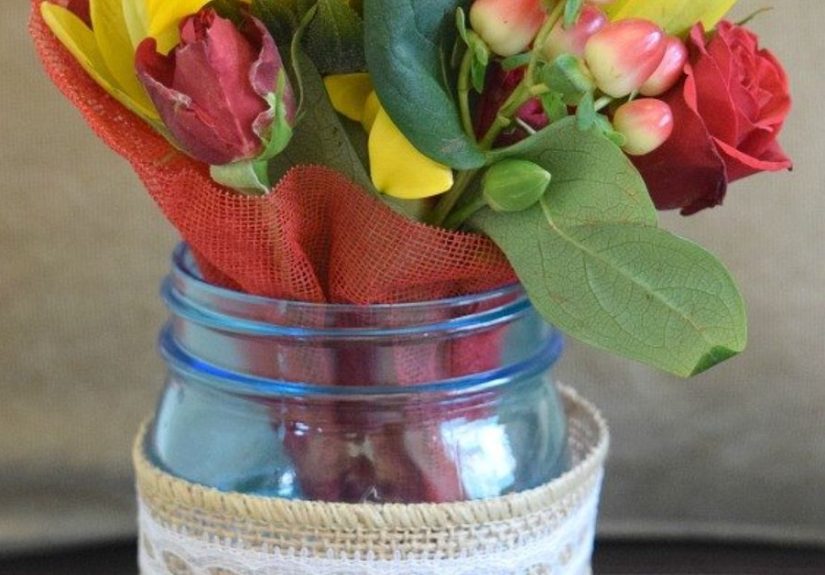
A mason jar bouquet is the craft world’s ultimate “looks fancy, took five minutes” flex. It’s part farmhouse charm, part
“I definitely have my life together,” and part “I found these blooms at the grocery store and now I’m basically a florist.”
Whether you’re dressing up a kitchen counter, building budget-friendly wedding centerpieces, or showing up to a friend’s house
with a gift that doesn’t need batteries, a mason jar bouquet hits the sweet spot: pretty, practical, and impossible to mess up
beyond repair.
This guide walks you through how to choose the right jar, pick flowers that play nicely together, arrange them so they don’t
flop like overcooked spaghetti, and keep everything fresh longer. You’ll also get specific bouquet “recipes,” styling ideas,
and a big helping of real-world lessons learnedbecause nobody wants to wake up to cloudy water and sad stems.
Why a Mason Jar Bouquet Works So Well
Mason jars are basically the Goldilocks container for casual floral design: stable, affordable, widely available, and cute
even when the arrangement is… let’s call it “free-spirited.” The glass shows off stems and water (which looks fresh when it’s
actually freshmore on that later), and the narrow-ish opening helps naturally corral flowers into a pleasing shape.
- Budget-friendly: One jar + one bunch of flowers = instant centerpiece.
- Versatile: Works for rustic, modern, boho, cottagecore, and “I thrifted this ribbon” aesthetics.
- Portable: Easy to transport for parties, showers, potlucks, or a “just because” drop-off.
- Customizable: Paint it, wrap it, label it, or keep it clean and minimalist.
Pick the Right Jar Size for Your Flowers
Choosing the jar is half the battle. The right size keeps stems supported and prevents that “top-heavy bouquet tipping over
like a dramatic fainting goat” situation.
Common jar sizes (and when to use them)
- 4 oz (quarter-pint): Mini bud-vase look. Great for single blooms or tiny posies on a tray.
- 8 oz (half-pint): Small table setting arrangements, bathrooms, bedside tables.
- 16 oz (pint): The all-purpose classic for a medium mason jar bouquet.
- 32 oz (quart): Bigger, fuller centerpiecesperfect for dining tables or entry consoles.
If you’re arranging thick stems (like sunflowers) or a lot of greenery, a wide-mouth jar is easier to work
with. For delicate stems or a tighter look, a regular-mouth jar gently forces your bouquet into a neat,
rounded shape.
Supplies You’ll Actually Use (No Glitter Cannon Required)
- Mason jar (clean, label removed)
- Sharp scissors or garden snips
- Fresh water
- Flowers and greenery
- Optional: twine/ribbon, a gift tag, floral tape (for a support grid), pebbles or glass gems for stability
How to Build a Mason Jar Bouquet That Looks Florist-Made
Here’s the simple method that works for grocery-store flowers, farmers market bunches, and backyard snips. The secret is not
fancy talentit’s structure.
Step 1: Prep the jar like you mean it
Wash the jar thoroughly and rinse well. Old residue and grime encourage bacteria, and bacteria is the villain behind cloudy
water and short vase life. Fill with clean water and keep it handy while you prep stems.
Step 2: Strip leaves that would sit below the water line
Any submerged foliage turns into a swampy science project fast. Remove those leaves so the water stays clearer, longer.
Step 3: Give stems a fresh cut
Cut stems at a slight angle and remove any damaged ends. This helps water uptake and gives you a clean starting point. If
flowers have been out of water for a while, let them drink before you start fussing over final placement.
Step 4: Build a “skeleton” with greenery first
Greenery is your bouquet’s scaffolding. Start by placing a few sturdy greens around the rim to create a loose framework.
Think of it as setting the shape before adding the “wow” flowers.
Step 5: Crisscross stems to create natural support
A helpful mason-jar trick is to place stems in a crisscross pattern inside the jar. It acts like an internal lattice, giving
your bouquet structure without needing floral foam. As you build, aim for a base that feels supportedfull enough to hold
itself, but not so packed that every stem is fighting for real estate.
Step 6: Add focal flowers, then fillers
Place your biggest “star” blooms next. Then tuck in filler flowers to cover gaps and add softness. Rotate the jar as you go
so the bouquet looks good from every angle (unless it’s meant to sit against a wallthen you can cheat and go heavier in the
front).
Step 7: Adjust height and shape
Step back. Squint a little like you’re judging a reality show finale. Trim stems to vary heights for a natural look: a couple
taller lines, a medium layer, and a softer edge. If it’s too tall and spindly, shorten stems. If it’s too squat, add a few
taller elements like snapdragons, delphinium, or wispy greens.
Pro Mechanics for Mason Jars (No Floral Foam Needed)
The tape-grid trick for wide-mouth jars
If your jar opening is wide and your stems keep sliding into chaos, use clear tape or floral tape to make a simple grid over
the mouth of the jar. Lay strips across one direction, then cross with strips the other way to form squares. Each opening
becomes a “parking spot” for a stemsuddenly your bouquet behaves.
The “pebbles for stability” hack
For top-heavy bouquets, add a small layer of clean pebbles or glass gems to the bottom of the jar. It adds weight and helps
anchor stems (bonus: it looks pretty through the glass).
Flower Pairing 101: The Easy Formula
When in doubt, follow a simple trio: focal + support + filler.
- Focal flowers: roses, ranunculus, peonies, sunflowers, hydrangeas (use fewer, make them count)
- Support / line flowers: snapdragons, stock, delphinium, lisianthus, tall greenery
- Filler flowers: baby’s breath, waxflower, asters, statice, small daisies
- Greenery: eucalyptus, ruscus, fern, salal, seasonal clippings
Want it to look “designer”? Pick one main color plus one supporting shade, then add greenery as the neutral. Want it to look
wild and romantic? Choose a color family (pinks + corals, whites + greens, yellows + blues) and vary textures.
5 Mason Jar Bouquet “Recipes” You Can Copy
These aren’t rigid rulesmore like training wheels that still look cute.
1) The Grocery Store Glow-Up
- 3–5 roses (or similar focal blooms)
- 2–3 stems of tall line flowers (stock or snapdragons)
- 3–5 stems of filler (waxflower, baby’s breath, asters)
- A handful of greenery (eucalyptus is basically instant style)
Tip: separate the store bouquet into “types” first. Then rebuild it so the flowers aren’t all stuck at the same height like a
floral choir lineup.
2) The Wildflower Mason Jar Bouquet
- Any small daisies, cosmos, zinnias, or local wildflowers (check what’s safe/allowed to pick where you live)
- Light greenery or grasses for movement
Keep it loose. Wildflower arrangements look best when they feel like a happy accidenton purpose.
3) The Minimalist “One Hero Bloom”
- 1–3 large blooms (sunflower, peony, big garden rose)
- 2–3 supporting stems (simple greenery or small filler)
Perfect for small spaces, desks, or a modern kitchen where you want calm, not clutter.
4) The Wedding Table Classic
- White or blush roses
- Soft greenery (eucalyptus, ruscus)
- Small filler (baby’s breath or tiny white blooms)
Make a batch assembly-line style: prep all stems first, then build each jar with the same “recipe” so tables look cohesive.
5) The Seasonal Swap
- Spring: tulips + ranunculus + airy filler
- Summer: zinnias + sunflowers + cosmos
- Fall: dahlias + mums + berries/seed pods
- Winter: evergreen clippings + white blooms + pinecones (kept out of the water if possible)
How to Keep a Mason Jar Bouquet Fresh Longer
A mason jar bouquet can last several days (sometimes longer) if you keep the water clean and the stems hydrated. The not-so-
glamorous truth: most bouquets don’t “die of old age.” They get taken out by bacteria and dehydration.
Use flower food when you have it
If your bouquet comes with a packet of flower food, use it. It’s designed to feed the blooms and help keep the water cleaner.
Many experts recommend commercial floral preservative over DIY mixes because it’s more reliable and less likely to backfire.
Refresh the water and recut stems regularly
Top off water as needed, and refresh the water every couple of days if you can. When you change it, rinse the jar and snip a
small amount off the stems to improve water uptake. This simple routine is one of the biggest upgrades you can make.
Keep it cool and away from fruit
Avoid direct sun, heat vents, and drafty spots. Also keep bouquets away from ripening fruit; fruits release ethylene gas,
which can speed up aging in many flowers. (Bananas and apples are lovely, but they are not bouquet-friendly roommates.)
Special note on tulips and daffodils
If you’re using tulips, keep in mind they keep growing and bending toward light. Rotate the jar for a more upright look. And
be cautious mixing tulips with daffodilsdaffodils can release sap that interferes with tulip hydration.
Styling Ideas: Make It Look Like a Gift (Even if It’s for You)
- Twine + tag: Wrap twine around the neck and add a simple “For You” tag.
- Ribbon color code: Match ribbon to one accent color in the bouquet.
- Painted jar: Frosted spray, chalk paint, or a dipped paint effect for a custom vase.
- Cluster display: Use 3–5 smaller jars in a row instead of one big arrangement.
- Tray moment: Put the jar on a small tray with a candle for instant “styled shelf” energy.
Mason Jar Bouquet Mistakes (and How to Fix Them)
Problem: The bouquet looks messy, not “natural.”
Fix: Remove a few stems. Yes, really. Overcrowding is the #1 reason arrangements look chaotic. Then rebuild:
greenery first, focal blooms next, filler last.
Problem: Flowers keep sliding into the center.
Fix: Use the tape-grid trick, or crisscross stems to create internal support.
Problem: Water turns cloudy fast.
Fix: Remove submerged leaves, clean the jar, and refresh water more often. Cloudy water usually means bacteria
is throwing a party.
Problem: The bouquet droops after one day.
Fix: Give stems a fresh cut, hydrate in clean water, and move the bouquet to a cooler spot. Also check for
wilted stems and remove them so they don’t drag down the rest.
FAQ: Quick Answers for Better Mason Jar Bouquets
How many flowers do I need for a pint jar bouquet?
It depends on bloom size, but a good starting point is 8–15 stems total (including greenery and filler). If you can’t see
through the glass much at all, it’s probably too crowded.
Can I use dried flowers in a mason jar?
Absolutely. Dried stems look great in jars and last much longer. A tape grid can help hold dried stems in place, especially
in wide-mouth jars.
Do I need floral foam?
Nope. For mason jar arrangements, crisscrossed stems, greenery structure, and (if needed) a tape grid are usually more than
enough supportwithout the fuss.
Is a mason jar bouquet good for weddings?
Yesmason jar centerpieces are popular for rustic and outdoor weddings because they’re affordable, easy to batch-make, and
look great in photos. You can keep them consistent by using the same flower “recipe” across tables.
Experience Notes: What People Learn After Making a Bunch of Mason Jar Bouquets
The first mason jar bouquet most people make is usually adorable… and slightly chaotic. That’s not a failure; that’s
initiation. The jar is forgiving, but it also reveals every little habitlike cutting stems too short because you’re afraid
of height, or packing flowers too tightly because empty space feels “unfinished.” Over time, a few patterns show up again and
again, and learning them is what turns “random flowers in a jar” into a bouquet that looks styled.
One of the biggest lightbulb moments is realizing that less can look like more. When a jar is crammed full,
blooms can’t breathe, stems kink at awkward angles, and the whole thing starts to resemble floral traffic. People often get a
better result by removing two or three stems, rebuilding the greenery skeleton, and then re-adding focal blooms with intention.
Negative space isn’t “missing”; it’s what makes the flowers look like they cost more than your streaming subscriptions.
Another common lesson: the jar opening decides the vibe. Regular-mouth jars naturally create a tighter,
rounded bouquetgreat for tidy, classic looks. Wide-mouth jars can go artsy and loose, but they also let stems slide and flop.
That’s why the tape-grid trick becomes a game-changer for beginners. It’s not about being fancy; it’s about giving your stems
assigned seating so they stop wandering around like guests at an awkward party.
People also learn quickly that water clarity is the silent quality score. Clear water makes any bouquet look
fresh and intentional. Cloudy water makes even expensive blooms look tired. The fix is usually simple: remove submerged leaves,
rinse the jar, and refresh the water. Once you’ve seen the difference, you’ll never unsee itlike when you notice a crooked
picture frame and suddenly it’s the only thing in the room.
There’s also the “grocery store bouquet reality check.” Mixed bunches are convenient, but they’re often built to look full in
a sleeve, not balanced in a jar. People get better outcomes when they separate the bouquet into categories (greens, focal,
filler), trim to varied heights, and rebuild from the ground up. Adding one extra bunch of greenerysometimes even something
edible like a fresh herb sprig for scentcan make the arrangement look more layered and custom. The bouquet doesn’t need to be
expensive; it just needs to look like you made choices.
Finally, experienced bouquet-makers learn to plan for the moment. If the jar bouquet is a gift, they keep it slightly tighter
so it travels well, add a tag, and leave enough stem length that the recipient can adjust at home. If it’s a centerpiece,
they go wider and lower for easy conversation across the table. If it’s for a photo, they build one “hero side” and rotate it
toward the camera (no shameflowers are short-lived; let them have their spotlight).
The best part? A mason jar bouquet teaches you floral instincts fast: how to balance color, how to use greenery as structure,
and how to fix problems with a snip and a rearrange instead of starting over. And once you’ve made a few, you’ll start seeing
mason jars everywherenot as “old canning jars,” but as tiny stages where flowers get to do their best work. Dramatic? Maybe.
Accurate? Absolutely.
Conclusion
A mason jar bouquet is proof that beautiful doesn’t have to be complicated. Pick the right jar, build a structure with
greenery, crisscross stems for support, and keep water clean. From casual wildflowers to wedding-worthy centerpieces, you can
make something that looks polished, personal, and joyfulwithout turning your kitchen into a floral supply warehouse.