Table of Contents >> Show >> Hide
- What Is the Mr Olsen Lounge Chair?
- The Story Behind the Design
- Design Details That Make the Chair Distinctive
- What Does the Mr Olsen Lounge Chair Feel Like?
- How to Style the Mr Olsen Lounge Chair
- Choosing the Right Upholstery
- What to Check Before Buying
- Care and Maintenance
- Is the Mr Olsen Lounge Chair Worth It?
- The Experience of Living With a Mr Olsen Lounge Chair
- Conclusion
The Mr Olsen Lounge Chair is the sort of furniture that enters a room quietly and then steals the scene. It does not spin, recline, charge your phone, or offer a cup holder large enough for a bucket of soda. Instead, it relies on a far more durable technology: graceful proportions, skilled craftsmanship, natural materials, and a silhouette that has remained attractive for decades.
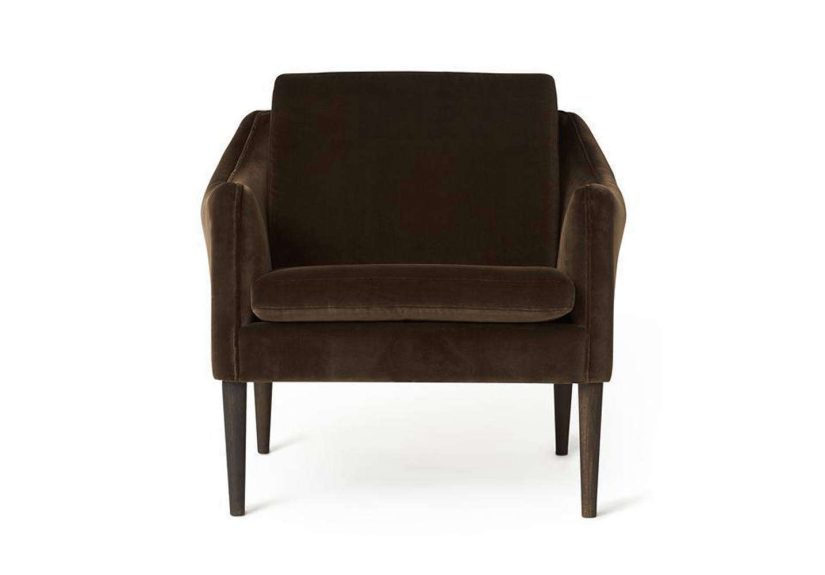
Designed by Danish architect and furniture designer Hans Olsen in 1958, the chair combines the polished character of midcentury modern furniture with a softness that makes it feel approachable rather than museum-like. Its rounded armrests, tapered wooden legs, compact footprint, and generously upholstered body create an elegant balance between visual lightness and genuine comfort.
Today, the design is produced by Warm Nordic in several upholstery and wood combinations. It is not a bargain accent chair purchased during a frantic Saturday furniture run. It is a considered design piece intended for people who care about what they sit on, what they look at, and whether those two pleasures can occupy the same square footage.
What Is the Mr Olsen Lounge Chair?
The Mr Olsen Lounge Chair is a reissued Danish modern armchair originally created as part of Hans Olsen’s 800 series. Warm Nordic describes it as Olsen’s personal interpretation of the classic upholstered armchair, reflecting the experimental spirit and craftsmanship that shaped Scandinavian furniture during the 1950s.
Unlike many bulky lounge chairs from the same period, Mr Olsen looks relatively slim. The upholstery provides softness, while the visible wooden frame and raised legs prevent the chair from becoming a large fabric boulder in the middle of the living room. Its arms curve gently outward, creating an open and welcoming profile without consuming excessive floor space.
The design is currently offered in fully upholstered fabric and leather configurations, including textured textiles, smooth woven materials, velvet-like options, and classic leather. Depending on the version, the exposed frame may be finished in oiled or smoked oak. These choices allow the same chair to move from a bright Scandinavian reading nook to a darker, more formal office without losing its identity.
The Story Behind the Design
Hans Olsen and Danish Modernism
Hans Olsen was born in Denmark in 1919 and trained as a cabinetmaker before studying architecture at the Royal Danish Academy of Fine Arts. He studied under Kaare Klint, one of the most influential figures in Danish furniture design and an advocate of careful proportions, functional construction, and furniture shaped around the human body.
Olsen respected those principles but developed a more playful visual language. His work often combined organic curves, unexpected structures, mixed materials, and a subtle sense of humor. Other well-known designs associated with him include the Balloon Chair, Bikini Chair, Shell Chair, Roundette dining set, and the wonderfully named Fried Egg Chair. Furniture historians and collectors continue to value his ability to make serious craftsmanship feel lively rather than stern.
Why 1958 Mattered
By the late 1950s, Danish furniture had earned an international reputation for combining modern forms with traditional craftsmanship. Designers were moving away from heavy ornamentation and toward clean lines, practical structures, natural materials, and greater attention to comfort.
Designmuseum Danmark describes the chair as one of the closest furniture objects to the human body because it must respond directly to a person’s arms, legs, back, weight, and posture. Danish designers treated that relationship as both an engineering problem and an artistic opportunity. Mr Olsen belongs to this tradition: it is visually expressive, but every curve still has a job.
Design Details That Make the Chair Distinctive
A Slim but Comfortable Silhouette
The chair’s most effective trick is making substantial upholstery look light. Its seat, back, and arms form a soft, connected volume, yet the narrow lower frame and exposed legs create breathing room beneath it. This visible floor space is especially valuable in modest living rooms, where fully skirted or block-shaped furniture can make the room feel crowded.
The rounded arms are another defining feature. They are softer than the flat, architectural arms found on many midcentury chairs, but they are not so oversized that they swallow the person sitting between them. From the front, they gently frame the seat. From the side, their curve helps the chair transition naturally into the tapered legs.
Oak Legs and Organic Curves
Mr Olsen stands on rounded wooden legs that taper toward the floor. This detail gives the chair a poised, almost slightly formal posture. It looks ready for company, even when the company is one sleepy person holding a bowl of popcorn.
Oiled oak produces a lighter, more natural appearance that works beautifully with cream, oatmeal, gray, muted green, and warm earth-tone upholstery. Smoked oak creates greater contrast and pairs especially well with black, cognac, dark green, rust, navy, and jewel-toned fabrics.
Dimensions and Scale
One commonly listed configuration measures approximately 30.7 inches high, 31.9 inches wide, and 31.1 inches deep, with a seat height of about 18.1 inches. Exact specifications should always be confirmed for the selected version, but these measurements place the chair in a useful middle ground: roomy enough to function as a genuine lounge chair, yet compact enough for many apartments, offices, bedrooms, and conversation areas.
The seat height is closer to that of a conventional armchair than a dramatically low-slung lounge seat. That can make standing up easier for users who dislike chairs that position the knees somewhere near the eyebrows.
What Does the Mr Olsen Lounge Chair Feel Like?
Although comfort is always personal, the chair’s proportions suggest an upright lounging experience rather than a deep, reclining one. It is designed for reading, conversation, coffee, music, or relaxed worknot for disappearing horizontally beneath three blankets.
The upholstered back provides support without appearing rigid. The rounded arms offer a natural place to rest the elbows, while the spacious seat allows some freedom to shift position. People who prefer a highly structured sitting posture may appreciate the chair’s balanced depth and seat height. Those seeking a very deep movie-night chair may want to pair it with an ottoman.
Upholstery also changes the experience. Smooth leather feels tailored and becomes more characterful with age. Woven wool or blended fabric feels warmer and generally creates more visual softness. Velvety upholstery introduces a richer, more dramatic surface that practically demands flattering lighting.
How to Style the Mr Olsen Lounge Chair
In a Midcentury Modern Living Room
The obvious approach is to place the chair beside a low wooden credenza, a simple floor lamp, and a clean-lined sofa. Warm woods, geometric rugs, ceramics, and muted colors support its 1950s character without turning the room into a television set about advertising executives.
However, avoid filling the space with too many matching midcentury pieces. A room usually feels more natural when periods and textures are mixed. Architectural Digest recommends balancing midcentury design with other styles rather than treating the home like a historical display.
In a Contemporary Interior
Mr Olsen works surprisingly well in contemporary spaces because its form is clean but not cold. Try a neutral fabric version beside a sculptural metal lamp, an abstract painting, and a stone or glass side table. The natural oak adds warmth, while the upholstery prevents minimalist surroundings from feeling like a very elegant waiting room.
In a Bedroom or Reading Corner
Its moderate width makes the chair suitable for a bedroom corner, provided there is enough clearance around it. Add a small table, directional reading light, and compact footstool. A soft throw can be useful, although too many pillows may conceal the chair’s carefully shaped back and arms.
In a Home Office
A leather Mr Olsen Lounge Chair can give a home office a more relaxed meeting area. Position it across from a desk, beside a bookcase, or near a small round table. It offers guests a comfortable seat and gives the owner somewhere to think without staring accusingly at the computer.
Choosing the Right Upholstery
Leather
Leather emphasizes the chair’s tailored shape and makes its curved arms especially visible. Black leather with smoked oak creates a formal, architectural look. Cognac leather feels warmer and develops an attractive patina over time. Green leather is less conventional but can look exceptional in rooms with brass, walnut, cream, or dark painted walls.
Leather is generally easy to wipe, but it can scratch and may fade when exposed to strong sunlight. It also changes with age, which is either charming character or unacceptable evidence of life, depending on the owner.
Woven Fabric
Fabric provides the broadest range of colors and textures. A tightly woven neutral textile makes the chair versatile and understated. Flecked, bouclé-like, or textured fabric highlights its cozy Scandinavian character. Darker woven materials can be more forgiving in active households, although lint and pet hair may be more visible on certain surfaces.
Velvet and Velour
A velvet-like finish turns Mr Olsen into more of a statement chair. Deep green, blue, burgundy, brown, or golden upholstery creates visual richness while preserving the chair’s compact outline. This option works particularly well when the surrounding furniture is simple.
Remember that pile fabrics can change appearance depending on the direction of the fibers and the light. Requesting a physical sample is wiser than trusting a screen, where “subtle moss” can arrive looking suspiciously like “enchanted pickle.”
What to Check Before Buying
- Measure the room: Mark the chair’s width and depth on the floor with painter’s tape.
- Check circulation: Leave enough space to walk around the chair without turning every trip across the room into an obstacle course.
- Measure entry points: Confirm that the chair can pass through doors, halls, elevators, and stairways.
- Order upholstery samples: Colors and textures often look different under natural and artificial light.
- Review the seat height: Compare it with a chair you already find comfortable.
- Ask about special orders: Some upholstery combinations may have extended production times and restricted cancellation or return policies.
- Confirm authenticity: Distinguish an authorized Warm Nordic reissue from an original vintage chair, reproduction, or unrelated chair described loosely as “Olsen style.”
The chair is a premium purchase, so it deserves more preparation than clicking “add to cart” while eating lunch. Reputable retailers commonly provide detailed dimensions, upholstery names, frame finishes, delivery information, and sample services. Read all of them. Furniture is considerably less charming when it remains permanently wedged in a stairwell.
Care and Maintenance
Fabric Upholstery
Vacuum fabric gently with a clean upholstery attachment to remove dust before it becomes embedded. Avoid aggressive brushing, rotating vacuum brushes, and improvised stain experiments. For spills, blot promptly with a clean absorbent cloth and follow the cleaning code supplied with the specific textile. Different fabrics can require very different treatments.
Leather Upholstery
Dust leather regularly and clean spills quickly. Keep the chair away from intense direct sunlight and heating sources that may cause fading or drying. Avoid bleach, ammonia, acetone, window cleaner, and alcohol-based household products. Use only treatments appropriate for the particular leather finish, preferably after testing in an inconspicuous area.
Oak Components
Wipe exposed wood with a soft, slightly damp cloth and dry it promptly. Clean spills rather than allowing moisture to remain around joints or soak into the finish. Oiled wood may occasionally require maintenance with a compatible product, but follow the manufacturer’s directions instead of applying a random polish from beneath the kitchen sink.
Is the Mr Olsen Lounge Chair Worth It?
The answer depends on what you expect from furniture. Buyers seeking the least expensive comfortable chair will find many practical alternatives. Buyers seeking a documented Danish design with distinctive proportions, quality upholstery options, natural wood, and long-term visual relevance may find Mr Olsen compelling.
Its strongest advantage is versatility. It is decorative without becoming eccentric, compact without appearing undersized, and comfortable without looking overstuffed. It can anchor a reading area, complete a sofa arrangement, soften an office, or add a design-focused seat to a bedroom.
Possible disadvantages include the premium price, special-order restrictions, sensitivity of certain upholstery materials, and the absence of reclining mechanisms or oversized cushioning. This is a refined lounge chair, not a personal amusement park with armrests.
The Experience of Living With a Mr Olsen Lounge Chair
To understand the everyday experience, imagine the chair arriving in a living room that already contains a sofa, coffee table, rug, and several objects purchased with excellent intentions. At first, Mr Olsen may appear smaller than expected because it lacks the broad lower body of a typical club chair. Once positioned, however, that visual lightness becomes one of its greatest strengths. The chair occupies space without bullying it.
The exposed legs allow the rug and flooring to remain visible, making the seating arrangement feel more open. From across the room, the curved arms catch the eye first. They give the chair a friendly expression, as though it is pleased to see you but has enough dignity not to wave.
Sitting down feels different from collapsing into a deep sectional. The seat places the body in a composed position, with enough softness for relaxation but enough structure to remain attentive. It is easy to imagine using the chair for a morning coffee, reading several chapters, or talking with a guest. A small ottoman makes longer lounging sessions more comfortable, especially for taller users who prefer to stretch their legs.
During conversation, the chair’s upright orientation is an advantage. You can look at the person across from you without hauling yourself out of a foam canyon. The arms support the elbows naturally, and the moderate dimensions make it possible to shift position without feeling confined.
In a home office, the experience becomes slightly more formal. A leather version looks polished beside bookshelves or a wooden desk, yet its rounded form prevents the room from becoming overly corporate. It creates a useful change of setting: desk for focused work, lounge chair for reading, planning, or pretending an unfinished spreadsheet is part of a larger philosophical journey.
The chair’s personality also changes throughout the day. Natural oak and pale fabric appear fresh and quiet in morning light. Smoked oak and darker upholstery become richer in the evening, particularly near a warm floor lamp. Velvet-like materials react dramatically to changing light, producing highlights and shadows across the curved arms.
Daily ownership does require some discipline. Crumbs should be removed before they establish permanent residency. Leather appreciates protection from harsh sunlight. Textured fabric may require regular vacuuming, especially in homes with pets. The narrow wooden legs should not be dragged carelessly across uneven flooring.
Over time, the best experience may be visual familiarity. Some statement furniture becomes tiresome after its initial novelty fades. Mr Olsen is quieter. Its interest comes from proportion, material, and curve rather than a decorative gimmick. That makes it more likely to survive changes in wall color, rugs, artwork, and personal taste.
Guests may not immediately identify the designer or the year. They may simply say, “That is a great chair,” before selecting it ahead of every other seat in the room. For many owners, that response is the ideal outcome. Good design does not always need to explain itself. Sometimes it just needs to be the chair everyone quietly races to claim.
Conclusion
The Mr Olsen Lounge Chair represents the warmer, more playful side of Danish modern furniture. Hans Olsen gave it the elegance expected of a 1950s design while avoiding the stiffness that can make collectible furniture feel untouchable. Rounded armrests, tapered oak legs, thoughtful proportions, and varied upholstery choices allow it to work in homes ranging from traditional to contemporary.
It is best suited to buyers who value authentic design history, restrained visual character, and furniture that can remain relevant for many years. Choose the material carefully, measure the room honestly, and consider how you actually sit. Done well, Mr Olsen can become more than an accent chair. It can become the seat that defines the roomand causes minor diplomatic disputes among family members.