Table of Contents >> Show >> Hide
- What “Natural Remedies” Really Means for Parkinson’s
- The Most Evidence-Backed Natural “Treatment”: Exercise
- Mind-Body Movement That Pulls Double Duty
- Nutrition: Food Won’t Cure PD, But It Can Make Symptoms Easier
- Natural Ways to Target Common Parkinson’s Symptoms
- Complementary Therapies: Helpful, Maybe, or “Not Enough Evidence Yet”
- Supplements and “Natural Products”: Use a Safety Filter
- A Simple, Practical Daily Plan (Adjust to Your Reality)
- When to Get Medical Advice (Even If You Love “Natural” Approaches)
- of Real-World “Experience” Insights (What People Commonly Report)
- SEO Tags
If you’ve ever typed “natural remedies for Parkinson’s disease” into a search bar at 2 a.m., welcome to the club nobody asked to join.
Parkinson’s disease (PD) is complex, and the internet is… also complex (but with more ads).
Here’s the good news: while there’s no proven natural cure for Parkinson’s, there are evidence-backed lifestyle and complementary approaches that can
ease symptoms, improve daily function, and support quality of lifeespecially when paired with standard medical care.
This article breaks down what helps, what’s “maybe,” what’s mostly hype, and how to use natural approaches safelywithout turning your kitchen into a supplement warehouse.
(Your spice rack deserves better.)
What “Natural Remedies” Really Means for Parkinson’s
In Parkinson’s, “natural remedies” usually refers to non-drug strategies and complementary therapiesthings like exercise, nutrition,
sleep habits, stress management, physical therapy, mind-body practices (tai chi, yoga), and selected supplements only when appropriate.
Important reality check: PD symptoms come from changes in brain circuits involving dopamine and more. Lifestyle strategies can’t “un-Parkinson’s” the brain,
but they can help you function better and feel betterand sometimes that’s a big win.
The Most Evidence-Backed Natural “Treatment”: Exercise
If Parkinson’s had a “most valuable player,” it would be movement. Major clinical guidance and specialty centers consistently emphasize exercise because it can improve
strength, flexibility, balance, walking, mood, and confidence. Think of it as a multi-tool for both movement and non-movement symptoms.
What kinds of exercise help most?
- Aerobic exercise (brisk walking, cycling, swimming, water aerobics) to support endurance and overall function.
- Strength training (resistance bands, weights, bodyweight moves) to combat weakness and improve stability.
- Balance and gait training (targeted drills, cueing strategies, step patterns) to reduce falls risk.
- Flexibility and mobility (stretching, mobility routines) to ease stiffness.
Parkinson’s-friendly movement programs
Many people do best with programs designed for PD. Examples include:
- Physical therapy for walking, balance, freezing episodes, posture, and safe strengthening.
- Occupational therapy for daily tasks (buttoning, cooking, handwriting, energy conservation).
- Speech therapy for voice volume, clarity, and swallowing support.
- LSVT BIG-style “bigger movement” training (often used clinically to improve movement amplitude).
Practical tip: if motivation is tough, choose an activity that’s “pleasant enough” to repeat. The best exercise is the one you’ll actually do tomorrow.
Mind-Body Movement That Pulls Double Duty
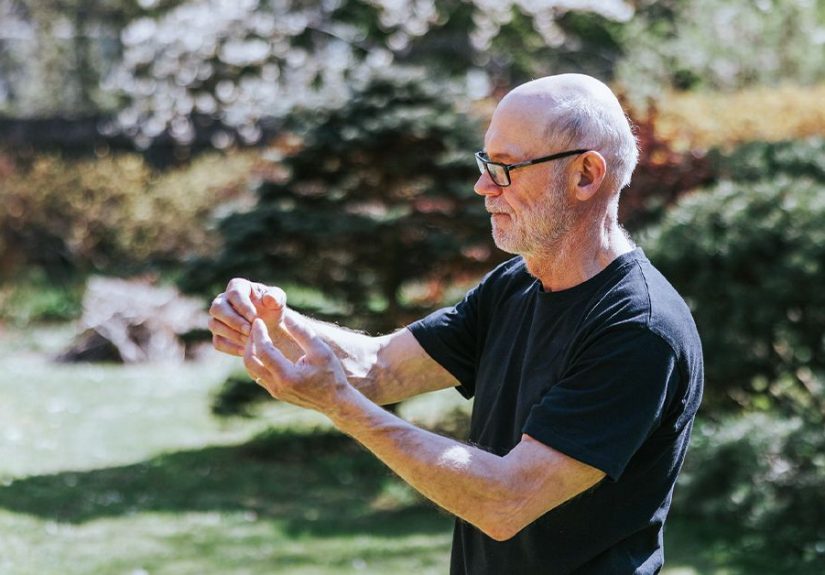
Tai chi and qigong
Tai chi is slow, controlled, and balance-focusedbasically the opposite of trying to carry three grocery bags while texting. Research has repeatedly found benefits for
balance and gait in many people with PD. It’s not magic; it’s skill-building with calm built in.
Yoga
Yoga can support flexibility, balance, and stress reduction. Many people also find it helps with body awarenessuseful when PD makes movement feel less confirmed and more like
“Did my foot get the memo?”
Dance therapy (yes, really)
Danceparticularly structured styles like tangohas been studied for PD and may improve gait, balance, and mobility while adding social connection.
You don’t have to be “a dancer.” You have to be a person with feet and a willingness to try.
Nutrition: Food Won’t Cure PD, But It Can Make Symptoms Easier
There’s no single “Parkinson’s diet,” but many experts recommend a whole-food, Mediterranean-style patternfruits, vegetables, legumes, whole grains,
healthy fats (like olive oil and nuts), and sensible proteinbecause it supports heart and brain health and helps manage common PD issues like constipation and low energy.
Nutrition goals that matter in real life
- Manage constipation with fiber, fluids, and movement (more on that below).
- Support bone health (falls risk is real; strong bones matter).
- Maintain muscle with adequate proteinespecially important for strength and balance.
- Prevent unintentional weight loss if tremor, swallowing issues, nausea, or reduced appetite are challenges.
Protein timing and levodopa: a common “food-meets-medicine” issue
For some people, high-protein meals can interfere with how well carbidopa/levodopa works (protein and levodopa can compete for absorption/transport).
Many people have no trouble at all. But if you notice medication is less effective around protein-heavy meals, clinicians sometimes suggest timing strategies
(for example, taking medication before meals or adjusting protein distribution) under medical guidance.
A realistic plate (no superfood required)
- Breakfast: oatmeal with berries + ground flax; or eggs with sautéed spinach and whole-grain toast.
- Lunch: lentil soup + salad with olive oil dressing; or a turkey/avocado wrap with extra veggies.
- Dinner: salmon (or beans) + roasted vegetables + quinoa/brown rice.
- Snacks: yogurt, nuts, fruit, hummus, or a smoothie if appetite is low.
Natural Ways to Target Common Parkinson’s Symptoms
Constipation (the unglamorous symptom that deserves attention)
Constipation is extremely common in PD and can affect comfort, appetite, and even how medications feel.
Natural strategies often include:
- Fiber from fruits, vegetables, legumes, bran, and whole grains (increase gradually).
- Fluids throughout the day (some PD organizations suggest aiming roughly 48–64 ounces daily unless your clinician advises otherwise).
- Warm liquids in the morning (coffee or warm prune juice can be helpful for some people).
- Daily movement to support gut motility.
If constipation is persistent or severe, don’t just “power through.” Talk with a clinicianthere are safe medical options, and it’s worth addressing early.
Sleep problems
PD is strongly linked with sleep issues (insomnia, restless legs, REM sleep behavior disorder, frequent urination, vivid dreams).
Natural supports that often help include:
- Consistent sleep schedule (yes, even weekendsyour brain likes routine).
- Morning daylight exposure to anchor circadian rhythm.
- Gentle evening wind-down: stretching, breathwork, warm shower, calm music.
- Limit late caffeine and alcohol, which can worsen sleep in many people.
Safety note: certain sleep symptoms (like acting out dreams) can cause injury risk. That’s a “tell your clinician” situation, not a “try lavender and hope” situation.
Stress, anxiety, and mood
Stress can amplify symptoms like tremor and freezing. Mind-body tools aren’t a cure, but they can lower the “symptom volume knob.”
Consider:
- Mindfulness or guided meditation (start with 3–5 minutes, not an hour of forced serenity).
- Breathing drills (slow inhale, longer exhale) when symptoms spike.
- Social connection through support groups, classes, or faith/community networks.
Balance and fall risk
Improving balance is a major goal in PD care. Natural supports include:
- Balance-focused exercise (tai chi, PT-guided drills, dance).
- Strength training (especially hips and legs).
- Home safety tweaks: clear pathways, good lighting, grab bars, non-slip mats.
Complementary Therapies: Helpful, Maybe, or “Not Enough Evidence Yet”
Acupuncture
Acupuncture has been studied in PD with some reports of symptom improvement, but many studies have limitations.
In other words: it may help some people, but the evidence isn’t definitive.
If you try it, choose a licensed practitioner and treat it as a complementnot a replacementfor standard care.
Massage
Massage may help with relaxation, muscle discomfort, and stress, but research in PD is limited.
Still, many people find it valuable for quality of lifejust make sure the therapist is informed about balance issues and positioning needs.
Music therapy and rhythmic cueing
Rhythm can help movement. Some people find that walking to a steady beat (metronome or music) improves stride length and reduces freezing.
It’s a simple tool with surprisingly practical benefits.
Supplements and “Natural Products”: Use a Safety Filter
Supplements are the area where hope and marketing tend to arm wrestle. A few guiding principles:
- “Natural” doesn’t automatically mean safesupplements can interact with PD medications and other prescriptions.
- Correct deficiencies first (for example, vitamin D or B12 if labs show they’re low).
- Beware disease-modifying claims. If a pill “cures Parkinson’s,” it would be on the nightly news, not buried under a coupon code.
Examples of what the evidence suggests
- Coenzyme Q10: large clinical trial results have not shown benefit for slowing early PD in a meaningful way.
- Vitamin D: important for bone health; studies on PD symptoms are mixed, and supplementation is generally most appropriate when levels are low or bone risk is high.
- Probiotics: may help constipation in some people, and the gut-brain connection is an active research area. Results vary, and strains/doses differdiscuss with a clinician if you want to try them.
Bottom line: if you’re considering supplements, bring the bottles (or a list) to your neurologist or pharmacist. That’s not being “extra.”
That’s being smart.
A Simple, Practical Daily Plan (Adjust to Your Reality)
Morning
- 5–10 minutes of gentle stretching (neck, shoulders, hips, calves)
- Short walk or stationary bike
- Protein + fiber breakfast (especially if constipation is an issue)
Midday
- Strength routine 2–3 days/week (bands, light weights, sit-to-stands)
- Hydration check (water bottle as a visual reminder)
- Balanced meal with vegetables and healthy fats
Evening
- Tai chi, yoga, or dance class/video 2–4 days/week
- Wind-down routine (dim lights, stretch, calming activity)
- Prep tomorrow’s “easy wins” (clothes set out, meds organized if applicable)
When to Get Medical Advice (Even If You Love “Natural” Approaches)
Contact a clinician promptly if you have frequent falls, significant swallowing trouble, sudden confusion, severe constipation, fainting/dizziness when standing,
or rapid changes in mood or sleep behavior. Natural strategies can support care, but some PD issues require medical evaluation and treatment adjustments.
of Real-World “Experience” Insights (What People Commonly Report)
The most helpful “natural remedies” for Parkinson’s often look less like a miracle and more like a series of small, repeatable habits that build momentum.
Many people describe an early phase where they try to solve PD like a puzzle: “If I just find the right food/supplement/tea, everything will click.”
Over time, what tends to stick is more practical: a routine, a community, and a plan that works on normal daysnot just on motivated days.
One common story is the “exercise lightbulb moment.” Someone starts with physical therapy because walking feels unsteady or stiffness is creeping in.
They expect a few stretches, maybe a handout. Instead, they learn cueing tricks, posture work, and strength drills that make daily movement less exhausting.
A few weeks in, they notice a small but meaningful change: getting out of a chair takes less planning, or their steps feel more confident in the kitchen.
The biggest surprise isn’t just physicalit’s emotional. Progress, even tiny progress, restores a sense of control.
Another pattern: mind-body exercise becomes the bridge between “therapy” and “life.” Tai chi feels approachable because it’s slow and structured.
People often say it helps them trust their balance againespecially when they practice near a counter or sturdy chair at first.
Yoga can be similar: it’s not about flexibility perfection; it’s about breathing through stiffness, improving body awareness, and feeling less trapped in “tight” muscles.
And dance classesespecially Parkinson’s-focused programsshow up in people’s stories again and again. Not because everyone becomes a tango star,
but because rhythm and social connection make movement feel less clinical. “I came for my balance,” someone might joke, “and stayed for the playlist.”
Food changes are usually more about symptom management than transformation. Many people talk about constipation as the symptom they didn’t expect to dominate their life.
What often helps is the boring-but-effective trio: more fiber, more fluids, and more movement. People report success with gradually adding legumes,
berries, oats, and vegetablesplus warm morning drinks and a short walk after meals. Some find that tracking water intake for a week reveals the obvious problem:
they’re simply not drinking enough (often because they’re trying to avoid bathroom trips). A dietitian can be a game-changer here, especially if appetite,
swallowing, or weight loss becomes an issue.
Many caregivers describe the “routine advantage.” When exercise time is scheduled like a real appointment, it happens more consistently.
When medication timing is paired with predictable meals and snacks, the day feels less chaotic. Even small environmental tweaksdecluttering pathways,
adding night lights, using a shower chairreduce stress for everyone. Over time, the most effective “natural remedy” may be the simplest:
a plan that’s kind to the body, realistic for the household, and flexible enough to survive a bad day without collapsing.