Table of Contents >> Show >> Hide
- Why Nesting Tables Are Perfect for a Farmhouse Makeover
- Pick Your Farmhouse “Recipe” Before You Start
- Tools and Materials
- Step-by-Step: Nesting Table Makeover (Farmhouse DIY)
- Step 1: Inspect, Tighten, and Repair
- Step 2: Clean Like Paint Depends on It (Because It Does)
- Step 3: Scuff Sand for Better Adhesion
- Step 4: Decide If You Need Primer (Use This Quick Test)
- Step 5: Paint the Bases (Farmhouse Color Choices)
- Step 6: Farmhouse “Character” Techniques (Choose One)
- Step 7: Refresh or Stain the Tops (If You Want That Classic Two-Tone)
- Step 8: Seal for Real Life (Wax vs. Polyurethane)
- Step 9: Reassemble and Add Felt Pads
- 3 Farmhouse Nesting Table Makeover Examples (Specific and Doable)
- Troubleshooting: Common Problems and How to Fix Them
- How to Style Farmhouse Nesting Tables After the Makeover
- Long-Term Care (So Your Hard Work Stays Cute)
- Experiences and Lessons DIYers Commonly Share (Extra )
- Conclusion
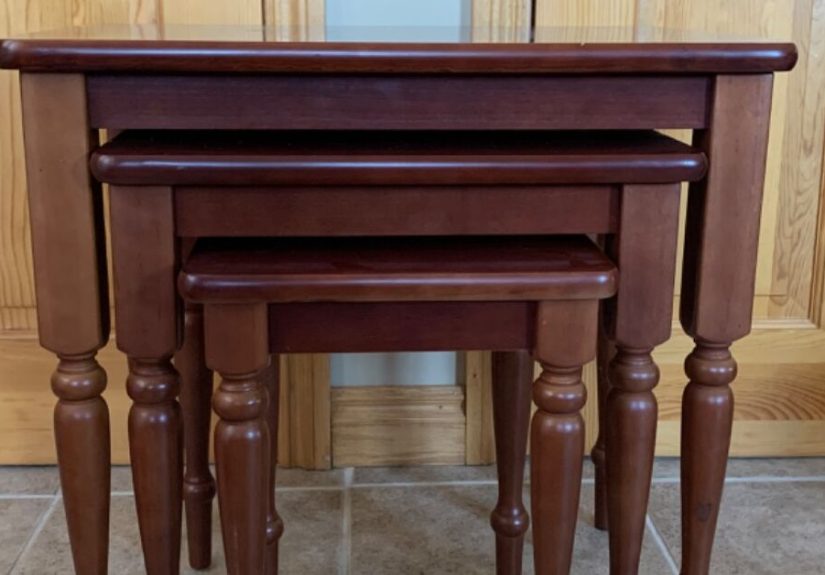
Nesting tables are the overachievers of the furniture world: they stack, they separate, they pretend to be minimalists, and then suddenly you’re using all three at once because popcorn bowls deserve their own real estate. A farmhouse-style nesting table makeover is one of the easiest ways to get that cozy “collected over time” vibe without spending “collected over three paychecks” money.
In this guide, you’ll get a practical, step-by-step farmhouse DIY plan (with options for paint, stain, distressing, and sealing), plus real-world troubleshooting so your finish doesn’t peel the first time someone sets down an iced coffee. Along the way, you’ll see proven prep and finishing principles used by major DIY and home-improvement educators. [1][2]
Why Nesting Tables Are Perfect for a Farmhouse Makeover
Farmhouse style is all about warmth, texture, and function. Nesting tables fit right in because they let you:
- Add layered surfaces without a bulky coffee table dominating the room.
- Mix materials (painted legs + wood tops) for that classic farmhouse contrast.
- Create “wear” on purpose so minor dings don’t ruin your daythey join the aesthetic.
The best part: nesting tables are small. Small projects dry faster, cost less, and don’t require you to rearrange your entire living room like you’re filming a home makeover show.
Pick Your Farmhouse “Recipe” Before You Start
Decide what you want the final set to look like. This helps you choose prep, paint type, and topcoat (aka: the difference between “cute” and “why is it sticky?”).
Farmhouse Finish Ideas That Work Especially Well on Nesting Tables
- Classic Contrast: Warm stained tops + white or cream legs (timeless farmhouse).
- Modern Farmhouse: Natural tops + matte black bases (clean, slightly dramatic).
- Weathered Cottage: Light gray wash tops + soft greige legs (gentle and airy).
- Antique Shop Vibes: Two-color distress (a darker base peeks through a lighter top coat). [10][14]
Tools and Materials
You don’t need a full workshop. You need a little patience and a willingness to clean sanding dust out of your eyebrows.
Basic Supplies
- Screwdriver (remove hardware or pads)
- Cleaner/degreaser and lint-free rags
- Sanding sponges or sandpaper: 120/150, 180, 220 grit
- Tack cloth or vacuum + microfiber cloth
- Wood filler (for dents) and a putty knife
- Primer (bonding or stain-blocking if needed)
- Paint (chalk-style paint, furniture enamel, or cabinet/trim paint)
- Brushes (angled + flat), foam roller (optional)
- Stain (optional for tops), plus wiping cloths
- Topcoat (water-based polyurethane/polycrylic or furniture wax)
- Felt pads for legs
Safety Must-Haves
- Dust mask (sanding)
- Nitrile gloves (stain/topcoat)
- Ventilation (especially with primers and finishes)
Step-by-Step: Nesting Table Makeover (Farmhouse DIY)
Step 1: Inspect, Tighten, and Repair
Flip each table over and check for wobble. Tighten screws and corner brackets. If joints are loose, fix them before paintingpaint won’t hold your table together like a motivational poster.
Fill dents or deep scratches with wood filler, let it dry, then sand it level. This keeps your “farmhouse character” from turning into “mysterious crater.” [1]
Step 2: Clean Like Paint Depends on It (Because It Does)
Furniture collects invisible grime: hand oils, cleaners, and “snack dust.” Clean thoroughly and let it dry completely. Many pro-oriented guides emphasize prepcleaning and surface readinessbecause adhesion problems usually start here. [1][2]
Step 3: Scuff Sand for Better Adhesion
You usually don’t need to sand down to bare wood. You’re creating “tooth” so primer/paint can grip. A light scuff with 180 grit is often enough on glossy finishes; use 220 grit to smooth between coats. [9][5]
After sanding, remove dust thoroughlyvacuum first, then wipe. Dust is the #1 ingredient in “Why is my finish bumpy?”
Step 4: Decide If You Need Primer (Use This Quick Test)
You likely need primer if:
- The piece is very glossy, slick, or factory-finished.
- You’re painting a light color over a dark wood that might bleed tannins.
- The tables have stains, knots, or unknown residues.
A light sanding plus a suitable primer is a common best practice for durable results, especially when changing finishes. [2][3]
Let primer dry as directed. Dry times vary by type and conditionshumidity and temperature matter more than your optimism. [7]
Step 5: Paint the Bases (Farmhouse Color Choices)
For farmhouse style, popular choices include warm white, creamy ivory, soft greige, muted sage, and matte black. Apply thin, even coats. If using a brush, follow the grain when possible; if using a foam roller on flat parts, “tip off” lightly with a brush to reduce bubbles.
For a smoother finish, lightly sand the primer or earlier coats with fine grit (around 220) once fully dry, then wipe clean. This is a common technique for a more professional final result. [5][6]
Recoat timing matters. Water-based paints may be ready faster than oil-based products, and cure time is longer than dry time. [8]
Step 6: Farmhouse “Character” Techniques (Choose One)
Option A: Light Distressing (Most Realistic)
Distress where natural wear happens: edges, corners, around handles, and high-contact areas. Use fine sandpaper and go slowlyfarmhouse is “softly worn,” not “attacked by a raccoon.” Distressing techniques typically start with a base coat and selective sanding to reveal layers or wood. [10][9][14]
Option B: Dry Brushing (Instant Texture)
Dip your brush lightly, wipe most paint off, then drag it across edges and details. This adds subtle dimension, great on turned legs or decorative trim.
Option C: Two-Color Distress (High Contrast, High Drama)
Paint a darker base (like charcoal or tobacco brown), let it dry, then paint a lighter top color (like warm white). After drying, sand edges so the darker color peeks throughthis creates depth without needing actual decades of wear. [10]
Step 7: Refresh or Stain the Tops (If You Want That Classic Two-Tone)
Many farmhouse nesting tables look best with wood-toned tops. If your tops are already wood but dull, you might only need a light scuff and a new protective finish. If you’re staining raw or sanded wood, sanding progression mattersstarting around medium grit and finishing around fine grit helps stain absorb more evenly. [13]
Quick staining workflow:
- Sand the top smooth (finish around 220 grit).
- Remove dust completely.
- Apply stain and wipe off excess after the recommended penetration time.
- Let dry thoroughly before topcoating. [13]
If you’re using gel stain, it’s popular for furniture because it’s thicker and easier to control. Typical directions include wiping away excess and allowing significant dry time between coats. [13]
Step 8: Seal for Real Life (Wax vs. Polyurethane)
Here’s the honest truth: nesting tables get used. Drinks sweat. Snacks spill. Someone will place a plant on it and swear the saucer is “totally waterproof.”
When Wax Makes Sense
- Decorative or low-traffic nesting tables
- You want a soft, matte feel and easy touch-ups
When a Water-Based Poly Topcoat Is Better
- Daily use, kids, frequent cleaning, or lots of drinks
- Tabletops that need stronger resistance to water and wear
Many practical finishing guides favor a hard topcoat for surfaces that will see regular contact with moisture and hands, because it cures to a tougher film than wax. [11]
Apply thin coats, avoid overworking the finish, and follow dry/recoat guidance. Polyurethane is designed to protect wood from scratches and water damage, and application technique matters for a smooth finish. [11]
Step 9: Reassemble and Add Felt Pads
Once everything is fully dry (and ideally curing), reattach hardware and add felt pads to protect floors and keep the tables sliding quietly. Quiet furniture is underrated. Loud furniture is basically announcing your snack choices to the whole house.
3 Farmhouse Nesting Table Makeover Examples (Specific and Doable)
Example 1: “Modern Farmhouse Stack” (Matte Black + Warm Wood)
- Bases: matte black paint, 2–3 thin coats
- Tops: light sand, warm walnut stain, then water-based poly
- Look: crisp contrast, great with white sofas and natural rugs
Example 2: “Soft Vintage Farmhouse” (Creamy White + Light Distress)
- Bases: warm white paint
- Distress: sand edges lightly with fine grit
- Topcoat: poly for durability if these are everyday tables
- Look: cozy, relaxed, looks like it came from a great flea marketwithout the “why is it sticky?” mystery
Example 3: “Weathered Cottage” (Gray Wash Top + Greige Base)
- Bases: greige paint with subtle dry brushing
- Tops: dilute gray-brown stain for a wash effect, wipe back for a faded look
- Finish: satin water-based poly for an easy-clean surface
Troubleshooting: Common Problems and How to Fix Them
Problem: Paint Peels or Chips Easily
Usually a prep issue (oil, gloss, dust). Scuff sand, clean thoroughly, and use a bonding primer when needed. Proper sanding and prep are repeatedly highlighted as key to avoiding peeling. [2][3]
Problem: Brush Marks Everywhere
Use thinner coats, consider a foam roller on flat areas, and lightly sand between coats once dry. Fine-grit sanding after primer/coats is a common approach for a smoother finish. [5][6]
Problem: Stain Looks Blotchy
Sand more evenly and consider a conditioner for porous woods. Guidance on sanding progression and stain absorption is common in staining best practices. [13]
Problem: Topcoat Feels Sticky
Often caused by applying coats too thickly, recoating too soon, or curing in high humidity. Follow recoat times and remember cure time is longer than “dry to the touch.” [8]
How to Style Farmhouse Nesting Tables After the Makeover
- Stacked look: Place a tray on the largest table with a candle + small vase.
- Spread out: Use the smallest table as a plant stand near a window.
- Seasonal swap: Add a small lantern in fall, greenery in winter, citrus in spring/summer.
- Texture layering: Books + a coaster + a woven accent = instant farmhouse charm.
Long-Term Care (So Your Hard Work Stays Cute)
- Use coastersyes, even if you “never spill.”
- Clean with gentle products once fully cured; avoid harsh scrubbing early on.
- Keep felt pads fresh so the legs don’t grind grit into floors.
- For small chips, touch up paint and reseal a spot if needed.
Experiences and Lessons DIYers Commonly Share (Extra )
If you’ve ever started a “quick weekend makeover” that turned into a “why is it Monday and I’m still sanding?” situationwelcome. A nesting table makeover is usually friendlier than a giant dresser flip, but DIYers still run into a handful of repeat challenges. The good news: once you know what to expect, you can skip most of the frustration and keep the fun parts (like dramatically revealing the “after” to anyone within a 50-foot radius).
One of the most common experiences people report is underestimating cleaning. The tables look clean. They feel clean. Then the first coat goes on and suddenly there are mysterious fish-eye spots or sections where paint behaves like it’s allergic to the surface. That’s typically leftover polish, oils, or cleaner residue. DIYers who redo the project often say the second attempt goes smoothly once they slow down, degrease properly, and let the piece dry completely before sanding and priming.
Another repeat lesson: “I thought sanding meant removing everything.” A lot of beginners go full lumberjack on the finish, sanding forever to reach bare wood. But many successful makeovers rely on scuff sandingjust enough to dull shine and give paint gripthen priming if needed. People frequently say their biggest “aha” moment is realizing sanding is about adhesion and smoothness, not punishment. When the goal shifts from “strip it all” to “prep it smart,” the project becomes faster and the finish often holds up better.
Dry time is also where optimism goes to learn humility. DIYers often describe the temptation to recoat early because it feels dry to the touch. Then the next layer drags, gets tacky, or leaves roller marks that look like they were applied during an earthquake. The “experienced DIYer move” is to respect recoat windows, improve airflow, and remember that cure time is the long gameespecially on tabletops that take constant contact. Many people also say they learned to do their topcoat in thinner layers than they expected, because thick coats are more likely to drip, bubble, or dry unevenly.
Farmhouse distressing creates its own set of classic stories. A common one: distressing starts as “just a little on the edges” and ends as “I accidentally made it look like it fell down stairs.” DIYers who love their results usually pick a few high-wear zonescorners, edges, around the apronand stop early. They often step back, look at the piece from across the room, and only then decide if it needs more. Another helpful habit: test the distressing method on the underside of the smallest table first, because nobody wants to “practice” on the most visible surface.
Finally, there’s the styling payoff experiencearguably the best part. DIYers often say nesting tables feel like a “new furniture set” after a makeover because the refresh changes the whole room’s vibe. The tables suddenly match the space, hide scratches that used to stand out, and become flexible helpers for guests, snacks, or décor. In other words, you don’t just repaint a set of tablesyou upgrade how your living room functions. And that’s very farmhouse: practical, welcoming, and just a little bit proud of the fact that you made it yourself.
Conclusion
A farmhouse nesting table makeover is one of the best DIYs for big visual impact with a small learning curve. Focus on the fundamentalsclean well, scuff sand, prime when needed, apply thin coats, and seal smartly for real-life useand you’ll end up with a set that looks custom, cozy, and intentionally “collected.” Plus, you’ll gain a reusable skill: the ability to look at almost any tired furniture and think, “I can fix you.”