Table of Contents >> Show >> Hide
- First: What “Triple-Digit Heat Index” Really Means (and Why Your House Feels Sticky)
- The Big Mistake: Turning the Thermostat Way Down to “Cool Faster”
- What to Do Instead: The “Heat-Wave Smart” Thermostat Strategy
- Humidity: The Secret Villain That Makes 76°F Feel Like a Sauna
- Quick Checks That Prevent “My AC Quit” Panic During Heat Waves
- How to Feel Cooler Without Torturing Your AC
- When Your AC “Can’t Keep Up,” What’s Normal vs. What’s a Problem?
- Heat Safety: Don’t Let “Comfort Hacks” Turn Into Health Risks
- A Simple “Triple-Digit Heat Index” AC Playbook
- of Real-World Experiences People Learn the Hard Way
- Conclusion
When the heat index is doing that thing where it feels like the sun moved into your zip code, it’s tempting to sprint to the thermostat and slam it down to 60°F like you’re trying to chill a dragon.
Totally understandable. Also: usually the worst move you can make.
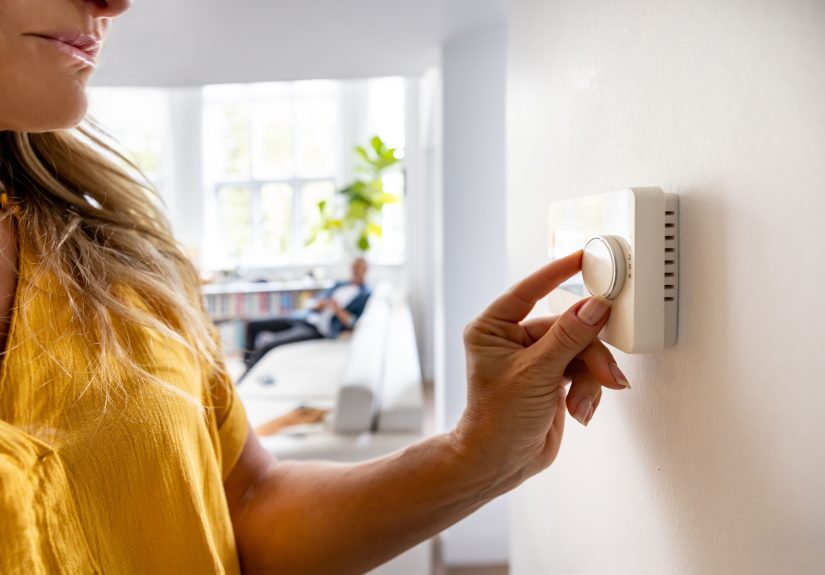
Here’s the common mistake: cranking your thermostat way down because you think it will cool your home faster.
It won’t. What it will do is keep your system running longer, increase humidity problems, spike your bill, and raise the odds of a breakdownright when you need cold air the most.
First: What “Triple-Digit Heat Index” Really Means (and Why Your House Feels Sticky)
The heat index (sometimes called “feels-like temperature”) combines air temperature and humidity to describe how hot it actually feels to your body.
High humidity makes it harder for sweat to evaporate, which is your body’s built-in cooling system. So 95°F with heavy humidity can feel like 105°F+and your home can feel “clammy” even when the thermostat says you’re technically indoors and “fine.”
That sticky feeling matters for your AC, too. Air conditioners don’t just cool the airthey also remove moisture. In extreme heat and humidity, your AC is fighting a two-front war: temperature and water vapor.
The Big Mistake: Turning the Thermostat Way Down to “Cool Faster”
Let’s bust the myth: most home AC systems are not like a car’s accelerator pedal. Setting your thermostat from 76°F to 66°F does not tell your AC to “work harder” or “cool faster.”
It just tells the system: keep running until you hit the target.
Why it doesn’t cool faster
Central AC typically cools at a fairly steady rate based on your system design, insulation, airflow, outdoor conditions, and humidity load.
In other words, your AC is already trying its bestespecially during peak afternoon heat. Dropping the setpoint 10 degrees doesn’t give it superpowers. It just guarantees a longer run time.
How this mistake backfires in triple-digit heat index weather
- Higher energy use: Longer runtimes mean higher electric billsoften dramatically higher during heat waves when the system struggles to catch up.
- More wear and tear: Extended operation increases stress on parts like the compressor and blower motor. If something’s going to quit, it loves to do it on the hottest day of the year.
- Humidity problems: Your comfort depends on both temperature and humidity. When settings and airflow aren’t managed well, you can end up with “cold but damp,” which feels weirdly worse than “slightly warmer but dry.”
- Freeze-ups (yes, in summer): Low airflow, dirty filters, or other issues can cause the evaporator coil to get too cold and freeze, which makes cooling performance tank.
Think of it like ordering a pizza. Calling the restaurant and screaming “I WANT IT NOW!!!” doesn’t change the laws of baking. It just makes you sweaty and emotionally dramatic.
Your thermostat deserves better.
What to Do Instead: The “Heat-Wave Smart” Thermostat Strategy
The goal during oppressive heat isn’t to win a temperature contestit’s to stay safe, comfortable, and keep your system running reliably.
Here’s a practical approach that works for most homes.
1) Pick a realistic setpoint and hold it steady
Energy-efficiency guidance often points to around 78°F when you’re home as a starting place, then warmer when you’re away or asleep.
But comfort is personal: some homes feel fine at 78°F, others don’t. The key is to avoid giant swings that make the system struggle.
If 78°F feels too warm, try 76°F. If 76°F feels too warm, try 75°F. Small changes matter. Big drops mostly punish your wallet.
2) If you must change it, do it gradually
Want to cool the house before bedtime? Move the temperature down 1–2 degrees at a time and give it time.
A slow adjustment is easier on the system and less likely to trigger issues like coil icing if airflow is borderline.
3) Use scheduling wisely (but don’t “turn it off” in a heat wave)
Turning your AC completely off all day in extreme heat can backfire. The home heats up, humidity climbs, and then your system has to run forever to recover.
A smarter move is a moderate “setback” while you’re away (for example, a few degrees warmer), then cooling back down before you return.
If you have a programmable or smart thermostat, use it like a grown-up time machine: plan ahead so your house is comfortable without the desperate “arctic blast” setting.
Humidity: The Secret Villain That Makes 76°F Feel Like a Sauna
Many people assume comfort is purely temperature. In reality, humidity is half the argument.
A home at 77°F with controlled humidity can feel more comfortable than 74°F with swampy indoor air.
Target a healthy indoor humidity range
Many comfort guidelines commonly point to something like 30%–60% relative humidity as a general comfort zone.
If you’re consistently above 60% indoors during summer, you’re more likely to feel sticky, notice musty odors, and invite mold to the party (and mold never brings a good playlist).
Do this to improve humidity control
- Run bathroom and kitchen exhaust fans during showers and cooking, then for a bit afterward.
- Fix airflow basics (filter, return vents, blocked registers) so your system can move enough air across the coil.
- Keep the thermostat “fan” on AUTO in many homes. “ON” can re-evaporate moisture off the coil and push it right back into the house.
- Consider a dehumidifier if you’re in a very humid climate or have a basement that behaves like a sponge.
Quick Checks That Prevent “My AC Quit” Panic During Heat Waves
During extreme heat, small maintenance issues become big problems fast. These checks are simple, and they’re the kind of boring heroism your future self will appreciate.
1) Replace (or clean) the air filter
A clogged filter restricts airflow, which reduces cooling and can contribute to coil freeze-ups. In heavy-use seasons, filters may need attention more often than people expectespecially if you have pets, construction dust, or you’re living in a pollen snow globe.
2) Make sure supply and return vents are open and unobstructed
Blocking vents with furniture or closing multiple vents to “push air somewhere else” often backfires by reducing overall airflow and messing with system balance.
Your HVAC system was designed with a certain amount of airflow in mind.
3) Check the outdoor unit (condenser)
The outdoor unit needs to dump heat outside. If it’s packed with leaves, grass clippings, or surrounded by overgrown plants, it can’t breatheso it can’t cool well.
Clear debris and give it space.
4) Know the early warning signs
- Air feels weak at the vents
- House won’t cool below a certain temperature even at night
- Ice on the refrigerant line or indoor unit
- Musty smell, unusually high humidity, or frequent cycling
If you spot ice, turn the system off to let it thaw and check the filter/airflow. If it keeps happening, it’s time for a professionalbecause “ignoring it” is basically the HVAC version of “I’ll just walk it off.”
How to Feel Cooler Without Torturing Your AC
When the heat index is brutal, comfort isn’t just an AC settingit’s a whole-home strategy.
Here are high-impact moves that help your house feel cooler without forcing your system into overtime.
Block heat before it enters
- Close curtains/blinds on sunny windows during peak sun hours.
- Use reflective shades or thermal curtains in rooms that get roasted daily.
- Seal obvious air leaks around doors and windows (weatherstripping is cheap, and it’s weirdly satisfying).
Use fans strategically
Fans don’t lower the room temperature, but they help you feel cooler by improving evaporation at the skin.
Ceiling fans set correctly (often counterclockwise in summer) can make a higher thermostat setting feel more comfortable.
Shift heat-making chores to cooler hours
- Cook with the oven at night, or use microwave/air fryer/slow cooker
- Run the dryer and dishwasher later in the evening
- Avoid midday “let’s bake bread for fun” energy (save that for sweater season)
When Your AC “Can’t Keep Up,” What’s Normal vs. What’s a Problem?
In extreme heat, many systems struggle during the hottest part of the afternoonespecially in older homes, poorly insulated spaces, or homes with big sun exposure.
Some HVAC guidance uses a rough rule-of-thumb that a system may maintain around about 20°F cooler than outdoor temperature under harsh conditions, but this varies widely by home, humidity, and equipment.
Normal-ish during extreme heat
- Temperature creeps up a couple degrees from mid-afternoon to early evening
- System runs longer cycles
- Some rooms are warmer due to sun exposure
Not normal (investigate)
- Warm air is blowing even though the thermostat is set to COOL
- Indoor humidity stays high (often above ~60%) for long stretches
- Thermostat temperature rises steadily all day and never recovers overnight
- Frequent on/off cycling every few minutes
If you’re seeing the “not normal” list, start with filter/vents/outdoor debris. If basics are fine, call a licensed HVAC professionalespecially during a heat wave, when waiting can become a safety issue.
Heat Safety: Don’t Let “Comfort Hacks” Turn Into Health Risks
When outdoor heat is extreme, indoor overheating can become dangerousparticularly for older adults, young children, people with chronic health conditions, and anyone without reliable cooling.
If your home is struggling to stay safe, prioritize health first: spend time in air-conditioned public spaces, check on neighbors, and know the warning signs of heat-related illness.
One important nuance: fans can help you feel cooler, but in very high indoor temperatures they may not protect you the way AC does. If indoor temperatures are dangerously high, seek true cooling.
A Simple “Triple-Digit Heat Index” AC Playbook
- Set a realistic temperature and avoid big drops “for speed.”
- Keep thermostat changes small (1–2°F at a time).
- Fan on AUTO unless a pro recommends otherwise for your system.
- Replace the filter and keep vents open/unblocked.
- Shade sunny windows during peak sun.
- Limit heat-generating activities to cooler hours.
- Watch humidity; consider a dehumidifier if needed.
- Call for help early if performance dropsbefore a full breakdown.
This isn’t about suffering through summer. It’s about staying comfortable without making your AC do CrossFit in a sauna.
of Real-World Experiences People Learn the Hard Way
In every heat wave, the same story plays out in thousands of homes: someone walks in from outside, feels like they’ve been hugged by a wet blanket, and immediately drops the thermostat to a dramatic number.
The moment feels powerfullike you just declared independence from summer. And for about five minutes, you feel hopeful.
Then… nothing happens quickly. Because physics doesn’t respond to panic.
Homeowners often describe the “thermostat crash” mistake as a loop: the house feels hot, so they set 68°F; the AC runs nonstop; the air starts feeling colder but somehow still sticky; and by dinner time the system is still chugging like it’s trying to cool the entire neighborhood.
That’s usually when someone says, “Maybe it’s broken,” even though the system is doing exactly what it was told: keep running until the target is reachedno matter how unrealistic that target is at 4 p.m. in peak heat.
HVAC technicians frequently share a similar pattern in service calls during extreme weather: the system was “fine yesterday,” then the heat wave hit, and suddenly the house won’t cool.
Often, the culprit isn’t a mysterious failure. It’s a basic airflow issue that only became obvious when the system started running longerlike a filter that should’ve been replaced weeks ago, or a return vent blocked by a new piece of furniture that looked perfect there… until it didn’t.
Long runtimes don’t create those problems out of nowhere; they just expose them.
Another common experience is the “fan setting regret.” Someone flips the thermostat fan from AUTO to ON because they want more airflow, assuming more airflow equals more cooling.
What they notice later is a home that feels less comfortableespecially in humid climates.
People describe it as “cold but clammy,” or “the sheets feel damp,” or “why does 74°F feel gross?”
In many systems, continuous fan operation can move moisture back into the air after it has condensed on the coil, which can make the house feel muggy even when the temperature number looks great.
Then there’s the budget surprise. During heat waves, utility bills can jump fast. Folks who normally keep their homes at 72°F might discover that holding that line in extreme heat costs far more than expectedespecially during peak pricing or high-demand periods.
The “aha” moment often comes when they try 76°F with ceiling fans and shaded windows and realize: they’re still comfortable, the AC cycles more normally, and the bill doesn’t look like a prank.
The best takeaway from these experiences is reassuring: you don’t have to “win” against the weather.
You just need a smart, steady planone that respects what your AC can realistically do, keeps humidity under control, and avoids the thermostat equivalent of yelling at your microwave to cook faster.