Table of Contents >> Show >> Hide
- The Cozy Problem: Wanting a Fireplace Without a Chimney
- Fireplace Alternatives That Actually Make Sense
- What an Electric Fireplace Can (and Can’t) Do
- Planning a DIY Faux Fireplace Hearth and Surround
- Make It Warmer Without Touching the Thermostat
- Safety: Keeping “Toasty” From Becoming “Toast”
- Styling Tips: Make Your Fireplace Look Like It Belongs There
- FAQs: Quick Answers Before You Grab the Nail Gun
- Conclusion
- Experiences: What “Nice and Toasty” Looks Like in Real Homes (Plus the Lessons Learned)
There are two kinds of winter people: the “I love a crisp breeze!” crowd and the “If my toes aren’t warm, I can’t form sentences” crowd.
If you’re reading this, I’m guessing you’ve got at least one toe in the second category.
The good news? You don’t need a masonry chimney, a full-blown remodel, or a fairy godmother with a permit to get that cozy fireplace vibe.
In fact, the modern world has a surprisingly practical solution for homes that weren’t built with a fireplaceor for homeowners who want the look
without the soot, the smoke, and the “why does the living room smell like a campfire?” mystery.
The Cozy Problem: Wanting a Fireplace Without a Chimney
A fireplace is basically interior design’s ultimate cheat code. It adds instant “gather here” energy. It makes a room feel finished.
And on cold nights, it’s the difference between “We should host game night” and “We should move to Florida.”
But plenty of housesespecially builder-basic homes, many condos, and homes in warmer climatesdon’t come with a traditional fireplace.
Even when a fireplace exists, it might be outdated, drafty, or expensive to convert into something more efficient.
That’s where alternative fireplace options come in, and they’ve gotten much better than the old “glowy orange box” you may be picturing.
Fireplace Alternatives That Actually Make Sense
1) Electric fireplace inserts
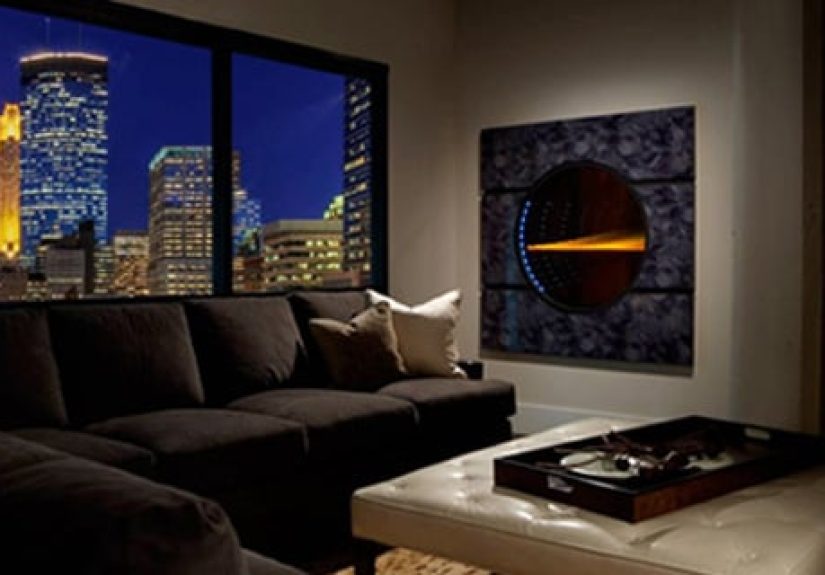
An electric fireplace insert is a popular “nice and toasty” shortcut: it delivers flame effects (often surprisingly realistic) and optional heat
without needing a chimney or venting. Many plug into a standard outlet and can be framed out with a DIY surround so it looks built-in.
This is the sweet spot for homeowners who want a cozy focal pointespecially if you’re planning a faux fireplace hearth or a custom mantel wall.
2) Freestanding electric fireplaces and mantel units
If you want maximum convenience, freestanding units are the “open the box, plug it in, feel fancy” option.
They’re great for apartments, bonus rooms, home offices, or anywhere you want instant ambiance without carpentry.
3) Gas inserts and direct-vent fireplaces
Gas can produce more heat than electric and can be a strong option if you already have a suitable chimney or can install venting.
Installation is more complex (and usually more expensive), but the warmth can be impressive.
4) Ethanol/bioethanol fireplaces (real flame, different tradeoffs)
Ethanol fireplaces can offer a real flame without traditional venting, but they come with important considerations:
you’re still burning fuel indoors, so you’ll want to follow manufacturer guidance, verify local rules, and think carefully about ventilation,
kids/pets, and placement. These are often better as “ambiance-first” features rather than your main heating plan.
What an Electric Fireplace Can (and Can’t) Do
It’s excellent supplemental heatnot a whole-house furnace
Most electric fireplaces function like attractive space heaters. They can make a room comfortable, especially if you close the door and treat it
like zone heating. In an open floor plan, the heat may feel more like “pleasantly nearby” than “tropical vacation.”
Flame-only mode is the unsung hero
Many electric units let you run the flame effect without heat. This is great for evenings when you want the cozy glow but don’t want to overheat
the room (or argue about the thermostat like it’s an Olympic sport).
Energy efficiency, explained without the headache
Electric resistance heat is efficient at the point of usenearly all the electricity becomes heat in the room. The cost to run it depends on your
electric rate and how long it’s on, so it’s smart to use the heat function strategically (think: evenings in the living room, not “all day, every day,
everywhere”).
Maintenance is refreshingly boring
There’s no ash to clean, no chimney to sweep, and no gas line to service. Typical upkeep is mostly dusting vents, keeping airflow clear, and treating
it like any other appliance: don’t block it, don’t abuse the cord, and don’t ignore weird noises.
Planning a DIY Faux Fireplace Hearth and Surround
The magic of an electric fireplace insert is that you can build the “architecture” around itmantel, trim, shiplap, tile, built-insso it looks like it
belongs in your home, not like it was adopted at the last minute from the seasonal aisle.
Step 1: Measure like a responsible adult
Start with the insert specs (overall dimensions, clearance requirements, venting needsusually none for electricand access panels). Decide whether your
unit is going inside an existing opening, in a new framed wall, or in a bump-out feature wall.
- Width/height/depth: Confirm the finished opening size you need.
- Heat outlet direction: Many units vent heat from the front/topplan trim and shelves accordingly.
- Controls: Check where buttons, remotes, and settings live so you don’t build a mantel that blocks them.
Step 2: Give it the power it deserves
Electric fireplaces that produce heat draw significant power. Plan for a properly installed outlet and avoid treating this like a “just run an extension
cord under the rug” situation. If you’re building a new wall, consider adding a recessed outlet or routing power so the cord doesn’t become part of the decor.
Step 3: Build the surround to match your home’s personality
Here are a few popular DIY fireplace surround styles that look custom without requiring you to apprentice under a 19th-century master carpenter:
- Classic mantel + symmetrical trim: Great for traditional, farmhouse, and transitional rooms.
- Shiplap or vertical paneling: Adds texture and height; looks especially good with simple white trim.
- Tile-faced surround: Perfect for modern or Spanish-influenced spaces; choose a tile that fits your vibe (not just what was on sale).
- Built-ins on both sides: The “library fireplace” look that makes any room feel intentional and expensive.
Step 4: Don’t skip the finishing details
The difference between “DIY project” and “built-in feature” is usually in the trim work, paint sheen, and alignment. Caulk gaps, fill nail holes,
sand edges, and pick a paint finish that matches your home (semi-gloss for trim, satin/eggshell for walls, and a durable finish if you expect sticky fingers).
A quick budget example (so you can plan without crying)
Costs vary widely, but a realistic DIY range might look like this:
- Electric insert: budget to midrange pricing depending on size and realism
- Lumber/trim: for framing, mantel box, baseboards, and casing
- Finish materials: paint, tile/stone veneer (optional), adhesive, fasteners
- Electrical: outlet additions or upgrades (if needed)
The best money-saving move? Choose one “wow” finish (like a great mantel beam or statement tile) and keep everything else clean and simple.
Your room will still feel elevated, and your wallet will remain on speaking terms with you.
Make It Warmer Without Touching the Thermostat
If you want “nice and toasty” to last, don’t just add heatkeep the heat you already paid for. Comfort is a two-part recipe: heat + keeping drafts out.
Air sealing: the least glamorous hero
If your house is drafty, you can run a heater nonstop and still feel chilly. Sealing air leaks around doors, windows, baseboards, and penetrations is one of the
quickest comfort upgrades you can make. Start with the obvious: places where you can see daylight or feel cold air moving.
Weatherstripping and caulk: small tools, big impact
Weatherstripping helps around moving parts (doors and operable windows). Caulk helps around stationary gaps and joints.
Together they can dramatically reduce “mystery breezes” that turn your living room into an indoor wind tunnel.
If you do have a traditional fireplace, treat it like a giant hole in your house
An unused or leaky fireplace can let warm air escape. Managing dampers and sealing gaps (safely, with appropriate materials) can reduce heat loss.
In plain English: don’t heat the outdoors through your chimney.
Safety: Keeping “Toasty” From Becoming “Toast”
Follow the “3-foot rule” around anything that makes heat
Whether it’s a space heater or an electric fireplace with a heater function, give it breathing room.
Keep combustibles like curtains, bedding, furniture, and piles of “I’ll fold this later” laundry at a safe distance.
Plug heaters directly into the wall
High-draw heating appliances should be plugged into a wall outletnot a power strip, not an extension cord, not a questionable adapter you found in a junk drawer
that also contains a single sock and three Allen wrenches.
Don’t forget smoke and carbon monoxide alarms
Even if your new setup is electric, many homes still use fuel-burning appliances (gas furnaces, water heaters, fireplaces, generators during outages).
Working smoke and CO alarms are non-negotiable for winter safety.
If you burn wood, know the air-quality tradeoff
Wood fires are cozy, but wood smoke can affect indoor and outdoor air quality. If you use wood-burning appliances, burn properly seasoned wood,
maintain equipment, and keep ventilation and safety in mindespecially for people with asthma or other respiratory concerns.
Styling Tips: Make Your Fireplace Look Like It Belongs There
Anchor it with scale
A tiny fireplace on a huge wall can look like a postage stamp. A massive surround in a small room can feel like a stage set.
Aim for proportions that match your ceiling height and furniture layout. If you’re adding a mantel, make sure it’s wide enough to visually “hold” the feature.
Use layered materials (even if you’re keeping it simple)
A painted surround + wood mantel + a subtle texture behind it (paneling, tile, or a warm neutral paint) creates depth without chaos.
The goal is “cozy focal point,” not “Pinterest threw up in my living room.”
Decorate like a human, not a catalog
Try a simple trio: something tall (vase/branches), something personal (framed photo/art), something cozy (candles/books).
Then stop. The fireplace is the staryour decor is the supporting cast.
FAQs: Quick Answers Before You Grab the Nail Gun
Can an electric fireplace heat my whole house?
Typically, no. Think of it as supplemental heat for one room or zone, not a replacement for a central heating system.
Do I need a hearth if it’s electric?
Not always for safety, but a hearth can add realism and visual weight. Many DIY faux hearths are more about style than functionjust follow the unit’s
clearance guidelines and keep airflow unobstructed.
Is “ventless” always safe?
“Ventless” depends on the technology. Electric is ventless and doesn’t combust fuel. Fuel-burning vent-free options require extra care:
follow manufacturer instructions, consider ventilation, and check local rules.
What’s the easiest way to make the room feel warmer fast?
Seal drafts, close doors to the space you’re heating, add a rug on cold floors, and use layered window coveringsthen use the fireplace heat as the finishing touch.
Conclusion
“Nice and toasty” isn’t just a temperatureit’s a mood. And you can absolutely build that mood without a chimney, without a major remodel, and without turning your
utility bill into a horror story.
An electric fireplace insert paired with a DIY surround is one of the most satisfying home upgrades because it checks three boxes at once:
it adds a focal point, it boosts comfort, and it makes your space feel like a place people actually want to sit.
Combine that with smart air sealing and basic heater safety, and you’ll be ready for winter with warm toes and a warm heart. (Or at least warm toes.)
Experiences: What “Nice and Toasty” Looks Like in Real Homes (Plus the Lessons Learned)
If you ask a handful of homeowners why they went looking for fireplace alternatives, you’ll hear the same theme: they weren’t just chasing heatthey were chasing
a feeling. One couple in a builder-grade home described their living room as “fine, but not inviting,” especially in winter. They added an electric fireplace insert
and built a simple surround with clean trim lines. The first surprise wasn’t the heatit was how quickly the room became the default hangout. The fireplace became
a magnet for movie nights, board games, and the kind of slow evenings where nobody remembers to check their phone every eight seconds.
Another common story comes from condo owners and apartment renters who can’t add venting or make permanent changes. A freestanding electric fireplace gave them the
glow and the “cozy corner” effect without renovations. The biggest lesson they shared: placement matters. Tucked into a corner behind a chair, the heat felt wasted.
Moved to a spot where air could circulateand where people could actually see itthe unit delivered both comfort and ambiance. Several people also mentioned that
flame-only mode became their favorite feature. They used it year-round, even in mild weather, because it made the room feel finished in a way overhead lighting never does.
Then there’s the “drafty house” crowd. These are the folks who installed a heater and still felt colduntil they tackled the boring stuff. They sealed gaps around
doors, added weatherstripping, and handled window leaks. After that, the electric fireplace finally felt like the cozy upgrade they expected. Their takeaway was blunt:
heat is expensive; keeping heat is cheaper. One homeowner compared it to filling a bathtub with the drain open. Once they “closed the drain” (sealed leaks),
every bit of heat worked harder.
Families with kids and pets often focus on safety and predictability. They liked electric options because there’s no smoke, no sparks, and no hauling firewood.
But they also learned to respect the heater function like any other high-power appliance. The recurring advice: dedicate an outlet, avoid power strips and extension cords,
and keep a clear zone around the unitespecially during the chaotic “everyone’s home and someone is always running” season. A few families also built their surround
with storage in mind: baskets for blankets, shelves for games, and a place to stash remotes so they didn’t disappear into the sofa abyss.
Finally, many DIYers said the most satisfying moment wasn’t installation dayit was the first time a guest assumed the fireplace had always been there. That’s the
magic of a well-proportioned mantel, aligned trim, and a finish that matches the rest of the home. The best “experience tip” across the board: pick a style that fits
your house, not just a trend. A simple surround done neatly will outlast a complicated look done halfway. And when winter shows up acting dramatic, you’ll be ready
with a cozy glow, a warmer room, and a living space that finally feels like yours.