Table of Contents >> Show >> Hide
- What Is the Oeuf Classic Toy Store?
- Why Parents Like the Oeuf Classic Toy Store
- Design Features That Make It Useful
- How to Use the Oeuf Classic Toy Store in a Playroom
- Oeuf Classic Toy Store vs. Regular Toy Boxes
- Styling Ideas for the Oeuf Classic Toy Store
- Who Should Consider Buying the Oeuf Classic Toy Store?
- Practical Tips Before You Buy
- Care and Maintenance
- Real-Life Experience: Living With an Oeuf Classic Toy Store
- Conclusion
If your child’s playroom currently looks like a tiny plastic tornado held a staff meeting, the Oeuf Classic Toy Store may be the kind of storage solution that brings the room back from the brink. It is not just a toy organizer; it is a cleverly designed piece of children’s furniture that makes cleanup feel less like a punishment and more like part of play. Imagine a miniature market display, a Montessori-style shelf, and a modern design object all shaking hands politely. That is the general spirit of this Oeuf toy storage piece.
Designed by Oeuf, the Brooklyn-born children’s brand known for modern, eco-conscious nursery and kids’ furniture, the Toy Store blends clean lines, practical storage, and a child-friendly layout. It is especially appealing for parents who want a playroom that feels warm, organized, and stylish without turning into a museum where no one is allowed to touch anything. Children need access. Parents need order. The Oeuf Classic Toy Store tries to make both sides happy, which is basically diplomatic furniture.
What Is the Oeuf Classic Toy Store?
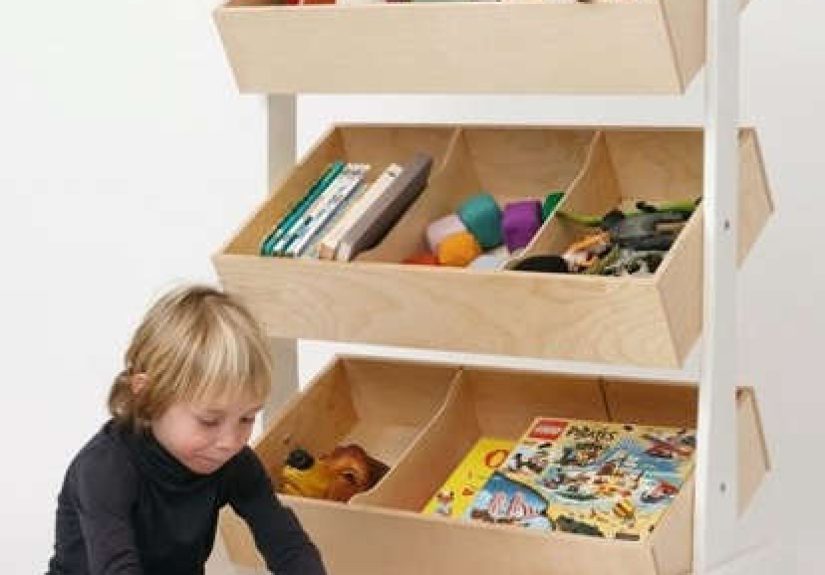
The Oeuf Classic Toy Store, often simply called the Oeuf Toy Store, is a three-tier toy storage unit made for children’s rooms, nurseries, playrooms, and even family living spaces. Its design includes open bins that can be installed flat or tilted, allowing toys to be displayed in a way that is easy for kids to see, reach, and put away. Instead of hiding everything in a deep toy chest, where puzzle pieces go to retire forever, this organizer keeps items visible and accessible.
One of its biggest strengths is flexibility. The dividers are removable, so the compartments can hold tiny building blocks, small cars, stuffed animals, books, art supplies, oversized puzzles, dress-up accessories, and all the mysterious toy parts that no adult can identify but every child insists are “very important.” The current Oeuf Toy Store is offered in a White/Birch finish, giving it a clean Scandinavian-inspired look that works with modern, minimalist, and cozy family interiors.
Why Parents Like the Oeuf Classic Toy Store
It Encourages Independent Cleanup
The best toy storage systems are not only attractive; they are usable by the tiny people who create the mess in the first place. Because the Oeuf Classic Toy Store is low and open, children can reach the bins without asking an adult for help. This supports independence and makes cleanup easier to turn into a routine. A toddler may not alphabetize board books, but they can learn that cars go in one bin, plush animals go in another, and blocks do not belong in the dog’s water bowl.
Child-height storage is one of the most practical principles in playroom design. When toys are easy to see and easy to return, children are more likely to participate in the process. The Toy Store’s open compartments also reduce the “out of sight, out of mind” problem. Kids can find what they want without dumping every basket onto the floor like a tiny archaeologist looking for one blue dinosaur.
It Looks Good in Real Homes
Many toy organizers are functional but not exactly beautiful. They often arrive in bright colors, loud patterns, or plastic-heavy designs that scream “temporary solution.” The Oeuf Classic Toy Store takes a different path. Its birch and white palette feels calm, natural, and grown-up enough for shared spaces. This matters because many families do not have a separate playroom. Toys often live in the living room, bedroom, hallway, or that awkward corner everyone pretends is intentional.
The Oeuf design makes toy storage feel like part of the room rather than visual clutter. It can sit beside a crib, under a window, near a reading nook, or against a playroom wall. Add a few baskets, rotate toys by category, and suddenly the space feels styled instead of surrendered.
It Works Beyond Toys
Although the name says “Toy Store,” this piece can do more than store toys. The open-bin layout can organize children’s books, craft supplies, wooden puzzles, baby blankets, dress-up clothes, stuffed animals, or learning materials. In a kitchen or family room, a similar setup can hold board games, seasonal items, pet supplies, or pantry overflow. The design is inspired by classic store displays, so it naturally presents items in an orderly, easy-to-browse way.
Design Features That Make It Useful
Three Tiers of Storage
The three-tier structure is the heart of the Oeuf Toy Store. It gives families vertical storage without making the unit too tall for children. Each tier creates a clear visual zone. For example, the top tier might hold books and soft toys, the middle tier could hold puzzles and pretend-play items, and the bottom tier could handle blocks, train tracks, or larger toys.
This layout also helps parents avoid the dreaded toy mountain. Instead of one giant container where everything is mixed together, the Toy Store creates multiple smaller homes for different categories. That simple change can make daily cleanup faster and less frustrating.
Flat or Tilted Bins
The ability to install the bins flat or tilted gives the unit a practical advantage. Flat bins are helpful when storing books, puzzles, or items that need a stable surface. Tilted bins are great when you want children to see what is inside quickly. A tilted setup also gives the piece that charming “old-fashioned shop display” look, as if the playroom has opened a boutique for wooden animals, crayons, and suspiciously sticky toy cars.
Removable Dividers
Removable dividers make the Toy Store adaptable as a child grows. Babies may need storage for rattles, soft books, and plush toys. Toddlers may need space for chunky puzzles, wooden blocks, and pretend food. Older children may use the same unit for art supplies, LEGO bricks, science kits, dolls, cars, or collections. Because the compartments can be adjusted, the furniture is less likely to become useless after one stage of childhood.
GREENGUARD Gold Certification
Parents shopping for nursery and children’s furniture often care about materials, finishes, and indoor air quality. The Oeuf Toy Store is listed as GREENGUARD Gold Certified, a certification associated with low chemical emissions. For families creating a nursery, bedroom, or playroom, this can be an important detail. Children spend a lot of time close to furniture, floors, rugs, and toys, so low-emission products can be a meaningful part of a healthier indoor environment.
How to Use the Oeuf Classic Toy Store in a Playroom
Create Simple Toy Categories
The Oeuf Classic Toy Store works best when every bin has a job. Try dividing toys into categories that make sense to your child. Blocks, animals, vehicles, pretend food, dolls, books, puzzles, and art supplies are easy starting points. Avoid overly specific systems at first. A three-year-old may not understand “architectural wooden construction components,” but “blocks” is beautifully clear.
For younger children, picture labels can help. A small photo or simple illustration taped to the front of a bin tells them what belongs there. For early readers, word labels can build vocabulary while keeping the room tidy. It is organization disguised as literacy practice, which is exactly the kind of parenting magic everyone enjoys.
Rotate Toys Instead of Displaying Everything
One common mistake is trying to make every toy available at all times. That usually creates clutter, decision fatigue, and a floor that looks like a toy catalog exploded. Instead, use the Oeuf Toy Store for a curated selection of current favorites. Keep extra toys in a closet or storage bin and rotate them every few weeks.
Toy rotation keeps the play area fresh without buying more things. Children often rediscover older toys with new excitement when they reappear after a break. The Toy Store’s open design makes this rotation easy because you can quickly see what is being used and what is just taking up valuable bin real estate.
Place Heavy Items Low
For safety and convenience, heavier toys should go in the lowest compartments. Wooden blocks, train sets, large puzzle boxes, and chunky playsets are easier for children to handle when they do not have to lift them from a higher shelf. Lighter items, such as stuffed animals or soft books, can go higher.
As with any furniture in a child’s room, placement matters. Keep storage stable, avoid overloading the top, and follow the manufacturer’s assembly and safety recommendations. Families should also consider anchoring furniture when appropriate, especially in spaces used by young children.
Oeuf Classic Toy Store vs. Regular Toy Boxes
A traditional toy box can hide clutter quickly, but it often creates a different problem: everything gets buried. Children dig through layers of toys, forget what they own, and eventually dump the whole box out to find one item. A toy box is fast for cleanup but not always friendly for organized play.
The Oeuf Classic Toy Store offers a more intentional approach. Because items are separated into visible compartments, children can choose toys without creating a new mess. Parents can also spot missing pieces more easily. If the puzzle bin has three puzzles and one suspiciously empty corner, you know what needs attention before bedtime.
Compared with plastic bins, the Oeuf Toy Store also has a more furniture-like presence. It is not just a container; it is part of the room’s design. That makes it appealing for families who want storage that lasts, looks polished, and supports a calmer play environment.
Styling Ideas for the Oeuf Classic Toy Store
The Montessori-Inspired Setup
For a Montessori-inspired room, keep the display simple and uncluttered. Place a few thoughtfully chosen toys in each bin, leaving space between items. Use natural materials such as wooden blocks, cloth animals, board books, and stacking toys. The goal is not to create a showroom; it is to make play choices clear and inviting.
The Reading Corner
Position the Toy Store near a soft rug, floor cushion, or small chair to create a reading and play nook. Use one tier for books, one for puppets or stuffed animals, and one for puzzles. This setup works beautifully in bedrooms where space is limited but you still want a cozy activity zone.
The Art Station
The removable dividers make the Toy Store useful for art supplies. Store washable markers, crayons, paper rolls, coloring books, glue sticks, stamps, and child-safe scissors in separate containers inside the bins. Keep messy materials in lidded boxes or handled caddies so they can be moved to the table and returned easily.
The Shared Living Room Solution
If toys live in the living room, style the Toy Store with a mix of storage and display. Keep the most colorful toys lower, add neutral baskets for small pieces, and place a few attractive books or wooden toys on the top tier. This helps the piece blend into adult spaces while still serving the child who actually uses it.
Who Should Consider Buying the Oeuf Classic Toy Store?
The Oeuf Classic Toy Store is a strong fit for parents who value design, durability, and child-friendly organization. It is especially useful for families who want children to participate in cleanup, prefer open storage over hidden toy bins, and like natural modern furniture. It may also appeal to grandparents building a tidy play corner for visiting grandchildren.
It is not the cheapest toy organizer on the market, so budget-focused shoppers may prefer basic cube storage or simple bins. However, the Oeuf Toy Store offers a more refined look and a flexible design that can adapt over time. For families who want a long-term piece rather than a temporary clutter catcher, it makes a lot of sense.
Practical Tips Before You Buy
Before purchasing the Oeuf Classic Toy Store, measure your space carefully. Consider wall clearance, walking paths, nearby doors, and how much room your child needs to sit or kneel in front of the unit. Think about what you actually need to store. If your child owns mostly large plush animals, you may use the dividers differently than a family organizing small blocks and puzzles.
Also consider your cleanup routine. A beautiful organizer cannot do the entire job by itself, although wouldn’t that be nice? The best results come from pairing the Toy Store with a simple system: fewer toys out at once, clear categories, child-friendly labels, and regular decluttering.
Care and Maintenance
To keep the Oeuf Toy Store looking good, wipe surfaces regularly with a soft cloth. Avoid harsh cleaners unless the manufacturer specifically recommends them. For bins that hold art supplies, use smaller washable containers inside the compartments to prevent marker caps, glitter, or mystery crumbs from spreading everywhere. Parents know the truth: crumbs are not food; they are a lifestyle.
Every few weeks, empty the bins and reset the categories. Return stray pieces, remove broken toys, and donate items that are no longer used if they are still in good condition. This small habit keeps the unit functional and prevents it from slowly becoming a museum of forgotten Happy Meal toys and lonely puzzle corners.
Real-Life Experience: Living With an Oeuf Classic Toy Store
The real test of any toy organizer is not how it looks in a product photo. It is how it performs on a regular Tuesday afternoon when a child has played with blocks, crayons, dinosaurs, board books, wooden vegetables, and one sock they have decided is now a puppet. In that everyday chaos, the Oeuf Classic Toy Store feels genuinely useful because it gives everything a visible destination.
One of the best experiences with this type of storage is watching children understand the system quickly. Open bins are intuitive. A child can see the toy, take the toy, and return the toy without opening drawers or lifting lids. This matters more than it sounds. Lids are small obstacles, and small obstacles can become big excuses. When cleanup is as simple as dropping blocks into a familiar compartment, the routine becomes less dramatic.
Another pleasant surprise is how the Toy Store can make a room feel calmer even when it is full of kid stuff. Toys are naturally colorful and oddly shaped. When they are scattered across the floor, the room feels busy. When they are grouped in tidy bins, the same toys become part of the decor. A row of wooden animals looks charming. A pile of wooden animals under the couch looks like a tiny safari emergency.
The tilted-bin option is especially helpful for frequently used toys. Children can scan the bins quickly, almost like shopping in a miniature market. That playful “store” feeling can even turn cleanup into a game. Cars return to the car shop. Plush animals go back to the animal hotel. Blocks return to the construction department. Is it silly? Absolutely. Does it work better than saying “clean up this mess” twelve times while holding a cold cup of coffee? Also yes.
In smaller homes, the Oeuf Classic Toy Store can be a quiet hero. It gives toys a defined boundary. When the bins are full, that is a sign to rotate, donate, or reorganize. This prevents toy creep, the mysterious process by which three toys become thirty and eventually occupy the sofa, the hallway, and possibly your emotional well-being. A clear storage limit helps families make better decisions about what stays accessible.
The piece also grows well with children. In a baby’s room, it can hold soft toys, board books, blankets, and simple sensory objects. In a toddler’s room, it can organize blocks, chunky puzzles, pretend food, and vehicles. For preschoolers, it becomes a home for art supplies, dress-up items, early learning games, and building sets. Later, it can shift again into book storage, craft storage, or even a family command center for school supplies.
From a parent’s perspective, the most valuable part is not perfection. No organizer can guarantee a spotless playroom. Children are creative, and creativity often looks like a raccoon hosted a birthday party. The real benefit is faster recovery. After playtime, the room can return to order in minutes because the system is obvious. No one has to invent a new place for every toy.
The Oeuf Classic Toy Store is best experienced as a tool for rhythm, not a magic wand. Pair it with fewer toys, regular rotation, and simple labels, and it can transform cleanup from a daily battle into a shared habit. It gives children ownership of their space and gives adults a room that does not visually shout at them after bedtime. That is a win for design, independence, and household peace.
Conclusion
The Oeuf Classic Toy Store is a thoughtfully designed toy storage solution for families who want organization, accessibility, and modern style in one piece. Its three-tier layout, removable dividers, flat-or-tilted bins, and child-friendly height make it practical for daily play and cleanup. The White/Birch design fits beautifully into nurseries, bedrooms, playrooms, and shared living spaces, while its flexible compartments allow it to adapt as children grow.
It may not be the lowest-cost toy storage option, but it offers lasting value for families who care about design, function, and a calmer home environment. If your goal is to create a play space where children can find their toys, return them independently, and maybe stop storing blocks in your shoes, the Oeuf Classic Toy Store deserves serious consideration.