Table of Contents >> Show >> Hide
- What Is Oil Decanter 2?
- The Designer Behind the Decanter
- Why the Brass Construction Matters
- Is Oil Decanter 2 Functional or Decorative?
- How an Oil Decanter Can Protect Flavor
- Pouring Performance and Everyday Ergonomics
- How to Style Oil Decanter 2
- Cleaning and Maintaining a Brass Oil Decanter
- Who Should Buy Oil Decanter 2?
- Oil Decanter 2 Compared With Conventional Dispensers
- A Realistic Ownership Experience With Oil Decanter 2
- Final Verdict
Most oil dispensers are humble kitchen employees. They stand near the stove, do their pouring, collect a few fingerprints, and rarely receive so much as a thank-you. Oil Decanter 2 has apparently rejected that career path. Designed by Christopher Gentner, this handcrafted brass vessel behaves more like a small sculpture that happens to know its way around a dinner table.
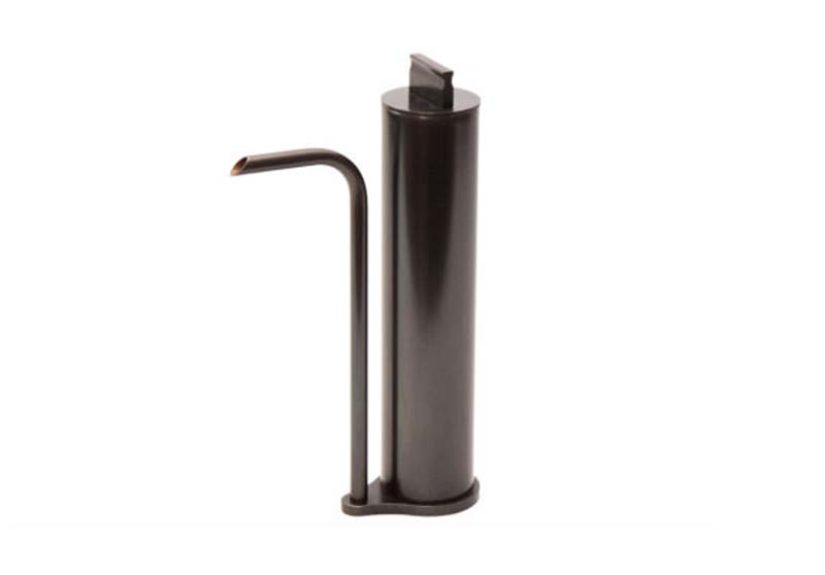
Its tall, slender body, offset pouring spout, and intentionally disconnected visual elements create an appealing illusion: the oil appears to travel from the main container into a spout that is not visibly attached. It is the kind of object that can make guests pause before dressing their saladwhich is an impressive achievement for something associated with vinaigrette.
Made in Chicago and offered in polished, hand-tarnished or darkened brass finishes, Oil Decanter 2 represents a meeting point between functional serveware, collectible design, and traditional metal craftsmanship. Yet its value is not only visual. Its proportions, material, pouring geometry, care requirements, and suitability for everyday use all deserve closer examination before it earns a permanent place on the table.
What Is Oil Decanter 2?
Oil Decanter 2 is a sculptural brass oil vessel designed by Christopher Gentner in 2015. The official design measures approximately 2.5 inches in diameter, 8.75 inches high, and 4 inches deep. It is handcrafted in Chicago and produced in brass finishes that emphasize deliberate tarnishing rather than attempting to make the metal look permanently untouched.
The object’s defining feature is its visual separation between the cylindrical body and the extended pouring spout. The oil appears to move through an invisible path, turning an ordinary actpouring cooking oilinto a miniature piece of theater. This is not a novelty trick added to a generic bottle. The illusion shapes the entire silhouette.
At 8.75 inches tall, the decanter is narrow enough to occupy limited tabletop space while still creating a strong vertical presence. Its footprint is smaller than that of many wide glass cruets, but its angular spout gives it more visual reach. On a dining table, kitchen island, bar cart, or open shelf, it reads as an intentional design object rather than background equipment.
The Designer Behind the Decanter
Christopher Gentner is a Chicago-based designer known for furniture, lighting, architectural metalwork, and small objects that blur the boundary between art and utility. He studied metalsmithing at the Cleveland Institute of Art and developed his fabrication skills through work with sculptors and jewelers. His studio operates from a former screw factory in Chicago, an appropriately industrial setting for work built around metal, form, and handcrafted detail.
That background is visible in Oil Decanter 2. The piece does not simply use brass as a decorative skin. Its identity depends on the way the metal is formed, joined, finished, and aged. The seams, transitions, proportions, and controlled tarnish communicate the hand of a fabricator rather than the anonymous uniformity of mass production.
Gentner’s work is often described as existing at the intersection of sculpture and design. Oil Decanter 2 may be one of the clearest examples because it performs a familiar domestic job while looking slightly mysterious. It is recognizable as serveware, but only after the eye has spent a moment solving it.
Why the Brass Construction Matters
A Material With Character
Brass is an alloy primarily composed of copper and zinc. Depending on its composition and finish, it may appear bright gold, muted brown, reddish, gray, or nearly black. Unlike stainless steel, which is often selected because it remains visually consistent, brass is frequently valued because it changes.
Exposure to air, moisture, fingerprints, cleaning products, and household conditions can gradually alter the surface. Some owners interpret this patina as evidence of age and authenticity. Others see one fingerprint and immediately begin searching for a polishing cloth. Oil Decanter 2 is best suited to the first groupor at least to someone willing to negotiate with the second.
The hand-tarnished finish gives the decanter depth before natural aging begins. It prevents the object from looking like a shiny plumbing fixture and helps emphasize its sculptural form. Darkened brass offers a quieter, more architectural appearance, while polished tarnished brass reflects more light and creates stronger contrast.
Brass Creates Visual Warmth
Modern kitchens often contain large areas of white stone, black cabinetry, stainless steel, glass, or pale wood. Brass interrupts those cooler surfaces with warmth. A single brass oil decanter can connect cabinet hardware, lighting fixtures, flatware, or decorative accessories without requiring every metal in the room to match perfectly.
This versatility allows Oil Decanter 2 to work in several design styles. It can look appropriately dramatic in a dark contemporary kitchen, pleasantly eccentric in an eclectic dining room, and almost archaeological in a space filled with stone, plaster, and natural wood.
Is Oil Decanter 2 Functional or Decorative?
The most accurate answer is both, although potential buyers should understand what kind of function they need. Oil Decanter 2 is marketed as an oil decanter, and its elongated spout is designed around the act of pouring. However, it belongs to the collectible design category rather than the inexpensive kitchen-tool category. Comparable listings describe it as American postmodern serveware and, in some cases, as a limited-edition decorative object.
A cook who measures success entirely by dishwasher compatibility, visible volume markings, interchangeable spouts, and bargain pricing will probably prefer a conventional glass dispenser. Laboratory-style product tests of mainstream oil dispensers consistently emphasize drip control, easy filling, wide openings, cleaning access, and the ability to produce both a slow drizzle and a heavier stream.
Oil Decanter 2 offers a different proposition. It elevates the serving ritual. It is especially compelling for finishing oils used at the table, where appearance and controlled presentation matter as much as raw capacity.
Ideal Uses
- Serving extra-virgin olive oil with bread
- Finishing pasta, grilled vegetables, soups, or pizza
- Adding walnut, avocado, sesame, or infused oil at the table
- Styling an open kitchen shelf or dining console
- Creating a refined tablescape for dinner parties
- Giving a design-focused wedding, housewarming, or culinary gift
Because the product information identifies brass but does not prominently describe the interior lining or food-contact certification, anyone planning to store consumable oil in it should ask the manufacturer or authorized seller whether the specific finish is approved for that use. This is a sensible verification step for any metal vessel, not an allegation that this particular decanter is unsafe.
The FDA has warned that certain cookware products containing brass or other alloys may leach lead when inappropriate materials are used. Those warnings concern specific products and do not identify this Chicago-made decanter. Nevertheless, they illustrate why buyers should confirm the composition, interior treatment, intended use, and cleaning instructions of decorative metal foodware rather than making assumptions based on appearance alone.
How an Oil Decanter Can Protect Flavor
A good oil decanter should do more than make olive oil look sophisticated. It should help limit exposure to the factors that accelerate oxidation: heat, light, oxygen, and time.
UC Davis notes that dark glass, metal cans, and bag-in-box packaging generally protect olive oil better than clear plastic because they reduce exposure to light or air. The North American Olive Oil Association similarly recommends storing oil tightly sealed in a cool, dark cupboard and using smaller tabletop decanters instead of leaving a large container beside the stove.
Light
Clear glass may look attractive, particularly when the oil has a rich green-gold color, but continuous light exposure can speed deterioration. An opaque metal body offers an obvious advantage because it blocks light completely. In this respect, a brass oil decanter can outperform a transparent decorative bottle.
Heat
The worst place for an expensive oil is often the most convenient place: directly beside the range. Repeated exposure to cooking heat can reduce flavor quality, even when the container itself blocks light. Store the decanter in a cupboard or shaded preparation area and bring it to the table when needed.
Oxygen
Every time a container is opened or used, fresh air enters. A small decanter can be beneficial because it encourages users to refill manageable quantities rather than keeping a large volume exposed for months. The main storage container should remain tightly closed in a cool, dark location.
Time
Olive oil is not a fossil fuel, despite what that forgotten bottle at the back of the pantry may suggest. It gradually loses freshness after opening. Many oil specialists recommend buying an amount that can be used within a few months and paying attention to aroma and flavor rather than relying solely on a printed date. Rancid oil may smell stale, waxy, crayon-like, or similar to old nuts.
Pouring Performance and Everyday Ergonomics
A narrow spout usually provides more control than pouring directly from a large bottle. It can help create a thin finishing stream over salad, focaccia, burrata, roasted tomatoes, or grilled fish. It may also reduce the accidental half-cup of oil that occasionally escapes from a wide bottle when the cook intended to add “just a little.”
With Oil Decanter 2, the extended spout is also the visual centerpiece. Its horizontal reach separates the oil stream from the body, which may help users see where the oil is landing. The tall form gives the hand a clear central area to hold, while the narrow base conserves table space.
However, artistic geometry can introduce practical questions. A buyer should consider how easily the vessel can be filled, whether a funnel is recommended, whether the spout can be cleaned internally, and how the opening is sealed between uses. Mainstream dispenser testing shows that wide mouths, removable components, drip-resistant spouts, and easy drying materially improve the ownership experience.
For a collectible decanter, following the maker’s instructions is more important than improvising with abrasive bottle brushes or aggressive detergents. The internal pathway may be more complex than the exterior suggests, so the correct cleaning procedure should be confirmed before the first filling.
How to Style Oil Decanter 2
On a Minimalist Table
Place the decanter beside a low ceramic salt cellar and a simple wooden breadboard. Keep surrounding accessories restrained so the offset spout remains visually legible. Linen napkins in cream, charcoal, olive, or rust will complement the aged metal without competing with it.
In a Contemporary Kitchen
Use Oil Decanter 2 as a bridge between warm and cool finishes. Against white quartz or pale marble, the brass becomes a focal point. Against soapstone, black granite, or dark wood, it appears moodier and more integrated.
With Mixed Metals
There is no requirement to surround a brass decanter with an army of identical brass objects. In fact, too much matching can make a kitchen look as though it was purchased in one exhausting afternoon. Brass can coexist with stainless appliances, blackened steel lighting, silver flatware, or bronze hardware when the overall palette feels deliberate.
As Collectible Serveware
When not in use, display the decanter with other objects of varied heights: a shallow bowl, a small ceramic vessel, and perhaps a sculptural candleholder. Leave empty space around it. Its unusual silhouette becomes harder to appreciate when crowded between a blender and a family-sized cereal box.
Cleaning and Maintaining a Brass Oil Decanter
Before cleaning, obtain the manufacturer’s instructions for the exact finish. Polished, hand-tarnished, lacquered, waxed, darkened, and raw brass surfaces can react differently to cleaning products.
Recommended General Practices
- Wipe exterior fingerprints with a soft, dry microfiber cloth.
- Remove fresh oil drips promptly before they collect dust.
- Avoid abrasive pads, steel wool, scouring powders, and hard brushes.
- Do not assume the decanter is dishwasher-safe.
- Avoid acidic homemade polishes unless the maker specifically approves them.
- Allow the interior to dry completely before adding fresh oil.
- Never mix fresh oil with an old, oxidized residue.
Popular mixtures involving lemon, vinegar, salt, or baking soda may brighten ordinary unfinished brass, but they can also remove an intentional patina. On Oil Decanter 2, that patina is part of the design. Polishing it aggressively could erase the finish that made the object interesting in the first place.
When the vessel is used for oil, cleanliness matters for flavor as well as appearance. Residual oil can oxidize and affect a new batch. Food experts therefore recommend cleaning and thoroughly drying reusable dispensers before refilling them.
Who Should Buy Oil Decanter 2?
This designer oil dispenser is best suited to people who view kitchen and dining objects as part of the architecture of a home. It may appeal to collectors of contemporary craft, admirers of American metalwork, professional interior designers, enthusiastic hosts, and cooks who enjoy making ordinary rituals more deliberate.
It is less suitable for someone seeking the largest possible capacity, dishwasher-safe convenience, measurement markings, or an inexpensive bottle that can be replaced without emotional paperwork. A basic tinted-glass dispenser will meet those needs more efficiently.
The purchase makes the most sense when its sculptural qualities are valued even when it is empty. That is the difference between designer serveware and a commodity utensil. One is purchased only for what it does; the other remains meaningful when it is doing absolutely nothing.
Oil Decanter 2 Compared With Conventional Dispensers
| Feature | Oil Decanter 2 | Typical Glass Dispenser |
|---|---|---|
| Primary appeal | Collectible design and handcrafted metalwork | Affordable everyday convenience |
| Material | Hand-finished brass | Clear or tinted glass |
| Light protection | Opaque body blocks light | Depends on glass color |
| Visual style | Sculptural, architectural, distinctive | Traditional or utilitarian |
| Care | Finish-specific, likely hand cleaning | Often easier to wash; some are dishwasher-safe |
| Food-use verification | Confirm interior material and intended use | Usually stated clearly by manufacturer |
| Best setting | Dining table, styled kitchen, design collection | Daily stovetop and meal preparation |
A Realistic Ownership Experience With Oil Decanter 2
The practical experience of owning Oil Decanter 2 would likely begin before any oil enters the vessel. The first reaction is visual. Its proportions are slender, but the extended spout makes it feel larger and more animated than a standard bottle. From one angle, it resembles a precise piece of laboratory equipment. From another, it looks like a miniature architectural model. Guests may need a second glance to identify it, which is part of the pleasure.
Filling it would probably feel more ceremonial than refilling a supermarket cruet. Because this is handcrafted brass rather than transparent glass, the oil level may not be immediately visible. A small funnel and measured quantity would therefore be useful. The owner would learn how much oil to add without overfilling and would likely reserve the decanter for a frequently used finishing oil instead of treating it as long-term bulk storage.
At the table, the narrow body should be relatively easy to lift, although the balance may feel different from that of a centered bottle because the spout projects to one side. The first few pours would involve learning the correct angle and speed. Once familiar, the elongated spout could make drizzling olive oil over bread, salad, soup, or vegetables feel controlled and deliberate.
There would also be a small amount of maintenance psychology. An owner who expects brass to remain factory-perfect may find every fingerprint personally offensive. An owner who enjoys patina will have a much better time. The surface will gradually document handling, polishing decisions, kitchen humidity, and age. Rather than becoming simply “used,” it may become more individualized.
Cleaning would be the point at which the romance meets responsible adulthood. The exterior can be wiped gently, but the interior and narrow oil channel require instructions from the maker. The best routine would be to avoid leaving old oil inside for long periods, empty the vessel before the oil becomes stale, clean it according to the approved method, and allow it to dry fully before refilling.
Oil drips around the spout would also deserve attention. Even an excellent dispenser may collect a small film over time, particularly when thick finishing oils are used. A soft cloth kept nearby would prevent residue from turning into a sticky dust magnet. This is not glamorous work, but neither is cleaning a luxury car, and people continue purchasing those.
In daily life, the decanter would probably migrate between display and service. It might spend weekdays on an open shelf, then move to the dining table for pasta night, weekend brunch, or a dinner party. That flexibility is one of its strengths. It does not need to remain filled continuously to justify its presence.
The most satisfying experience would come from pairing the object with an oil worthy of presentation: a fresh extra-virgin olive oil with grassy, peppery, fruity, or herbal notes. A bland, forgotten oil would technically pour just as well, but it would be the culinary equivalent of parking a delivery van inside an art gallery.
Potential frustration would arise if the buyer expected convenience above all else. A transparent dispenser makes it easier to monitor volume. A wide-mouth model may be faster to wash. A mass-produced bottle is easier to replace. Oil Decanter 2 instead rewards care, curiosity, and an appreciation for small rituals.
Ultimately, the ownership experience would be less about transforming the flavor of oil and more about transforming attention. The object encourages users to notice the pour, the finish, the table, and the ingredient. For anyone who believes useful objects can also carry artistic meaning, that extra moment of attention may be precisely the point.
Final Verdict
Oil Decanter 2 is not simply a container dressed in expensive clothing. Its unusual geometry, hand-finished brass construction, Chicago craftsmanship, and deliberately puzzling spout give it a distinct identity. It turns a familiar kitchen action into a visual event while contributing warmth and character to contemporary interiors.
Its strongest qualities are sculptural presence, opaque light protection, compact proportions, and collectible appeal. Its possible trade-offs include specialized care, limited visibility of the oil level, and the need to confirm interior food-contact specifications and cleaning instructions before practical use.
For a buyer who wants maximum convenience per dollar, an ordinary tinted-glass dispenser remains the practical champion. For a buyer seeking a designer oil dispenser that can function as handcrafted serveware and a piece of American metal art, Oil Decanter 2 occupies a far more interesting category.
Note: Product specifications and finishes may change. Before storing edible oil in any brass vessel, confirm the current model’s intended use, interior construction, food-contact suitability, and care instructions directly with the manufacturer or an authorized seller.