Table of Contents >> Show >> Hide
- What Is an Oxygen Facial?
- How Does an Oxygen Facial Work?
- Oxygen Facial Procedure: What Happens Step by Step?
- How Long Does an Oxygen Facial Take?
- Oxygen Facial Benefits
- How Effective Are Oxygen Facials?
- Who Is a Good Candidate for an Oxygen Facial?
- Possible Side Effects of Oxygen Facials
- How Much Does an Oxygen Facial Cost?
- Is an Oxygen Facial Covered by Insurance?
- How Often Should You Get an Oxygen Facial?
- Oxygen Facial vs. HydraFacial vs. Microdermabrasion
- Before and Aftercare Tips
- How to Choose a Safe Provider
- Common Myths About Oxygen Facials
- Real-World Experience: What an Oxygen Facial Feels Like
- Final Thoughts
Note: This article is for informational purposes only and does not replace guidance from a board-certified dermatologist or licensed skincare professional.
Oxygen facials sound like something your skin would order at a luxury juice bar: “One pressurized oxygen treatment, extra hyaluronic acid, hold the stress.” In reality, an oxygen facial is a noninvasive cosmetic treatment designed to hydrate, refresh, and temporarily plump the skin using a stream of pressurized oxygen and topical serums. It is often marketed as a “red carpet facial” because many people choose it before weddings, photoshoots, parties, or any event where they want their face to look less like it survived three deadlines and a questionable sleep schedule.
The big question is whether oxygen facials truly work or simply feel fancy. The honest answer: they may give skin a short-term glow, improved hydration, and a smoother appearance, but evidence for deep, long-lasting anti-aging results is limited. That does not make the treatment useless. It just means expectations should be realistic. Think “fresh, dewy, camera-ready” rather than “new face installed, please reboot.”
What Is an Oxygen Facial?
An oxygen facial is a professional skincare treatment where an esthetician or skincare provider cleanses and exfoliates the skin, then uses a device to deliver a stream of oxygen over the face. Many oxygen facials also include serums containing ingredients such as hyaluronic acid, peptides, antioxidants, vitamins, or botanical extracts. The goal is to make the skin look hydrated, smoother, brighter, and temporarily more plump.
The treatment is popular because it is gentle compared with procedures like chemical peels, microneedling, or laser resurfacing. There is usually little to no downtime, which makes it attractive for people who want visible freshness without walking out of the spa looking like they lost an argument with a tomato.
How Does an Oxygen Facial Work?
Most oxygen facials are built around two ideas: hydration and product infusion. The oxygen device helps spread or push lightweight serums across the skin surface, while ingredients such as hyaluronic acid attract water and create a plumper look. Some providers describe the oxygen as helping skin “breathe,” but skin does not breathe the same way lungs do. Your skin receives oxygen mainly through blood circulation, not from the air like a tiny face-shaped scuba diver.
That said, topical oxygen has been studied in dermatology for certain skin-related uses, including wound healing and acne-supportive care. However, a spa oxygen facial is not the same as medical oxygen therapy. The facial is primarily cosmetic, and its most reliable benefits are usually immediate hydration, radiance, and a smoother feel.
Oxygen Facial Procedure: What Happens Step by Step?
1. Skin consultation
A good provider begins by asking about your skin type, sensitivities, allergies, acne history, medications, recent procedures, and skincare routine. This step matters because “one-size-fits-all” skincare is how people accidentally end up with angry skin and a bathroom shelf full of regret.
2. Cleansing
The treatment usually starts with a thorough cleanse to remove sunscreen, makeup, oil, and daily buildup. Clean skin helps the rest of the facial feel more effective and reduces the chance of trapping impurities under hydrating products.
3. Gentle exfoliation
Many oxygen facials include mild exfoliation to remove dead skin cells. This may be done with an enzyme product, light scrub, or gentle resurfacing step. Exfoliation helps the face look smoother and allows serums to sit more evenly on the skin.
4. Oxygen infusion
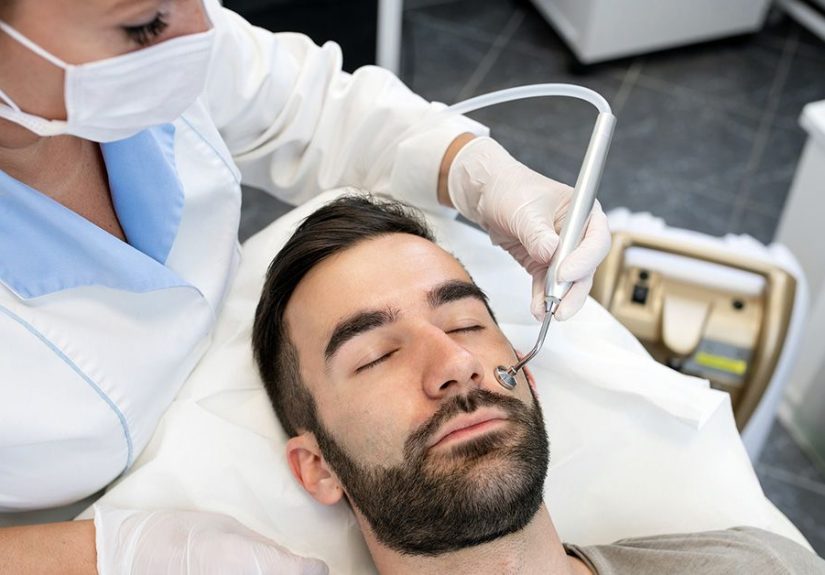
The provider then uses a handheld device to deliver pressurized oxygen across the face. Depending on the spa or device, the oxygen may be used alone or combined with a mist of hydrating serum. This part often feels cool, light, and relaxing. Some people compare it to a tiny refreshing breeze politely trying to improve their life.
5. Serum application
Common serum ingredients include hyaluronic acid for hydration, peptides for skin-conditioning support, vitamin C or antioxidants for brightness, and calming ingredients for sensitive skin. The exact formula varies by provider, brand, and treatment level.
6. Moisturizer and sunscreen
The final step usually includes moisturizer and broad-spectrum sunscreen if the facial is done during the day. Sunscreen is important because even gentle exfoliation can make skin more vulnerable to sun irritation.
How Long Does an Oxygen Facial Take?
An oxygen facial typically takes about 30 to 75 minutes. Express versions may focus on cleansing, oxygen infusion, and moisturizer, while luxury versions may include masks, massage, LED light, eye treatments, or additional serums. If you are booking before an event, ask what is included so you do not accidentally choose the “quick glow” when you were expecting the “celebrity entering a room in slow motion” package.
Oxygen Facial Benefits
Hydrated, dewy-looking skin
The most common benefit is hydration. Ingredients like hyaluronic acid can make skin look plumper and feel softer by attracting moisture. This is why many people notice an immediate glow after treatment.
Temporary plumping of fine lines
Fine lines caused by dehydration may look less visible after an oxygen facial. This does not mean wrinkles are permanently removed. It means hydrated skin reflects light better and appears smoother for a short time.
Brighter, fresher appearance
Because the treatment often includes cleansing, exfoliation, and moisturizing serums, dull skin may look brighter afterward. The effect can be especially noticeable when skin is dry, tired, or uneven in texture.
Minimal downtime
Unlike more aggressive treatments, oxygen facials usually do not require recovery time. Many people return to work, school, errands, or social plans right away. This is one reason the treatment is popular before important events.
Comfortable for many skin types
Oxygen facials are generally considered gentle. People with dry, dull, or mildly sensitive skin may prefer them over stronger exfoliating treatments. However, anyone with active irritation, severe acne, rosacea flares, eczema, or a skin infection should speak with a dermatologist before booking.
How Effective Are Oxygen Facials?
Oxygen facials can be effective for short-term cosmetic improvement. Many clients report that their skin looks smoother, more hydrated, and more radiant immediately after treatment. For special occasions, that temporary glow may be exactly the point.
However, the scientific evidence behind oxygen facials as a long-term anti-aging treatment is not conclusive. Claims about boosting collagen, reversing wrinkles, or dramatically changing skin structure should be viewed carefully. Collagen remodeling usually requires treatments that create controlled stimulation in the skin, such as certain lasers, radiofrequency, microneedling, or prescription skincare. An oxygen facial is gentler, which is both its charm and its limitation.
The best way to understand oxygen facial efficacy is to place it in the right category. It is not a facelift. It is not a prescription acne treatment. It is not a magic eraser for sun damage. It is a hydrating, refreshing facial that may temporarily improve glow, smoothness, and skin comfort.
Who Is a Good Candidate for an Oxygen Facial?
You may be a good candidate if your skin is dry, dull, mildly tired-looking, or dehydrated. Oxygen facials may also be appealing if you want a gentle treatment before an event and cannot risk peeling, redness, or downtime.
People who may need extra caution include those with very reactive skin, active rashes, open wounds, severe acne, sunburn, recent cosmetic procedures, or allergies to skincare ingredients. If your skin is currently inflamed, do not treat it like a renovation project. Calm it first, preferably with professional advice.
Possible Side Effects of Oxygen Facials
Oxygen facials are usually low-risk when performed by a trained professional using clean equipment and appropriate products. Still, side effects can happen. Possible reactions include temporary redness, mild swelling, tightness, itching, dryness, or sensitivity. Some people may break out after a facial, especially if heavy products are used or if the skin barrier is already stressed.
Allergic reactions are also possible. Fragrance, botanical extracts, preservatives, and active ingredients can irritate sensitive skin. Before the facial, ask what products will be used and mention any known allergies. Your skin should not have to solve a mystery mid-treatment.
How Much Does an Oxygen Facial Cost?
In the United States, a basic oxygen facial commonly costs around $75 to $150, while many med spas and higher-end clinics charge $175 to $275 for a standard session. Premium or signature oxygen facials with multiple serums, masks, massage, eye treatments, or device add-ons can cost $275 to $450 or more. In luxury locations, prices may climb higher.
Several factors affect oxygen facial cost, including city, spa reputation, provider training, treatment length, device brand, serum quality, and add-ons. A 30-minute express oxygen facial in a smaller city may be relatively affordable, while a 60-minute treatment in New York, Los Angeles, Miami, or another major market may cost significantly more.
Is an Oxygen Facial Covered by Insurance?
Usually, no. Oxygen facials are cosmetic treatments, so health insurance generally does not cover them. If you are seeing a dermatologist for acne, eczema, rosacea, or another medical skin condition, that office visit may be covered depending on your plan. But a spa facial designed for glow and hydration is typically an out-of-pocket expense.
How Often Should You Get an Oxygen Facial?
For general maintenance, many providers suggest every four to six weeks. For a special event, some people book an oxygen facial one to three days beforehand because the glow is usually immediate and downtime is minimal. If your skin is sensitive, start with one session and see how your skin responds before buying a package.
More is not always better. Overdoing facials, exfoliation, masks, or active products can damage the skin barrier. When the barrier is irritated, skin may become red, dry, shiny, flaky, or breakout-prone. In skincare, enthusiasm is lovely, but moderation keeps the peace.
Oxygen Facial vs. HydraFacial vs. Microdermabrasion
An oxygen facial focuses mainly on hydration and radiance. A HydraFacial uses a device-based process for cleansing, exfoliation, extraction, and serum infusion. Microdermabrasion is more exfoliation-focused and may help improve rough texture, mild sun damage, and superficial discoloration. The right option depends on your skin goals.
If your skin is dry and you want a gentle glow, an oxygen facial may be a good choice. If your pores feel congested and you want deeper cleansing, a HydraFacial may be more suitable. If rough texture is your main concern, microdermabrasion or a light chemical peel may be worth discussing with a professional.
Before and Aftercare Tips
Before your appointment
Avoid harsh exfoliants, strong retinoids, and aggressive at-home peels for a few days before treatment unless your provider says otherwise. Arrive with a clean face if possible, and tell your esthetician about allergies, medications, recent sun exposure, and any skin conditions.
After your appointment
Keep your routine simple for 24 to 48 hours. Use a gentle cleanser, moisturizer, and sunscreen. Avoid strong acids, scrubs, retinoids, and heavy makeup immediately afterward if your skin feels sensitive. Hydrated skin is the goal, not a product obstacle course.
How to Choose a Safe Provider
Choose a licensed esthetician, reputable spa, med spa, or dermatology office. The treatment room should look clean, equipment should be properly sanitized, and the provider should be willing to explain the process. If they dodge questions, pressure you into expensive packages, or promise permanent wrinkle removal from one oxygen facial, consider that your cue to gracefully exit.
Ask about training, product ingredients, expected results, side effects, and what to do if irritation occurs. For people with medical skin conditions, a board-certified dermatologist is the safest place to start.
Common Myths About Oxygen Facials
Myth: Oxygen facials permanently erase wrinkles
They may temporarily soften the look of fine lines by hydrating the skin, but they do not permanently remove wrinkles.
Myth: Oxygen facials detox the skin
Your liver and kidneys handle detoxification. A facial can cleanse, exfoliate, and hydrate the skin, but “detox” is often more marketing sparkle than medical reality.
Myth: Everyone needs oxygen skincare
Not everyone needs an oxygen facial. Some people get better results from a consistent routine with cleanser, moisturizer, sunscreen, and targeted treatments recommended by a professional.
Real-World Experience: What an Oxygen Facial Feels Like
Imagine walking into a treatment room with skin that feels dull, dry, and slightly annoyed with your life choices. Maybe you have been sleeping poorly, drinking more coffee than water, or spending too much time in air-conditioning. The oxygen facial begins like many spa facials: cleansing, gentle massage, and a skin check. This first part feels familiar and calming, like your face is finally receiving customer service.
The exfoliation step is usually mild. You may feel a soft polishing sensation or a light enzyme product working on the surface of the skin. It should not burn. A little tingling can happen with some products, but strong stinging is a reason to speak up immediately. A professional will not be offended. Your face is not a silent film; it gets to have dialogue.
The oxygen infusion step is often the most memorable. The device may create a cool, misty pressure that moves across the forehead, cheeks, chin, and jawline. It can feel refreshing, especially around areas that are dry or tight. Some people find it relaxing enough to nap. Others stay awake because they are too busy wondering whether this is what expensive clouds feel like.
After the serum and moisturizer are applied, the skin often looks glossier and more hydrated right away. The cheeks may appear slightly plumper, makeup may apply more smoothly, and dullness may look reduced. This is why many people like oxygen facials before events. The results are not dramatic in a medical-procedure way, but they can be noticeable in a “you look well-rested even if you absolutely are not” way.
The next day is usually when people decide whether the treatment was worth it. For dry skin, the face may still feel soft and comfortable. For oily or acne-prone skin, the result depends heavily on the products used. Lightweight, noncomedogenic formulas are usually better. Heavy creams or fragranced serums can sometimes trigger congestion or irritation.
From an experience standpoint, oxygen facials are best for people who enjoy gentle skincare and want a quick improvement in appearance without downtime. They are less satisfying for someone expecting dramatic changes in acne scars, deep wrinkles, melasma, or significant skin laxity. In those cases, a dermatologist may recommend stronger options with more evidence behind them.
A practical tip: do not book your first oxygen facial on the morning of a major event. Even gentle treatments can surprise sensitive skin. Try it at least a week or two before an important occasion. If your skin responds well, then you can schedule another session closer to the event with more confidence.
The most realistic review of an oxygen facial is this: it is a pleasant, low-downtime hydration treatment that can make skin look fresh and polished. It is not essential, but it can be enjoyable. It will not replace sunscreen, sleep, water, or a smart skincare routine. Sadly, no facial can do your laundry, answer your emails, or convince your pillow to give you eight full hours of rest. But for a temporary glow? An oxygen facial can earn its place on the skincare menu.
Final Thoughts
Oxygen facials can be a good choice if you want hydrated, radiant, event-ready skin with minimal downtime. The procedure is generally gentle, relaxing, and quick, with the best results often appearing immediately after treatment. However, it is important to keep expectations realistic. The benefits are usually temporary, and strong claims about permanent anti-aging effects are not well proven.
For the best experience, choose a qualified provider, ask about ingredients, avoid over-treating your skin, and protect your results with a simple routine that includes daily sunscreen. In the world of skincare, oxygen facials are less of a miracle and more of a well-dressed hydration boost. And honestly, sometimes a good glow and a little peace are exactly what the face ordered.