Table of Contents >> Show >> Hide
- What Was the #10YearChallenge?
- Why the Internet Could Not Look Away
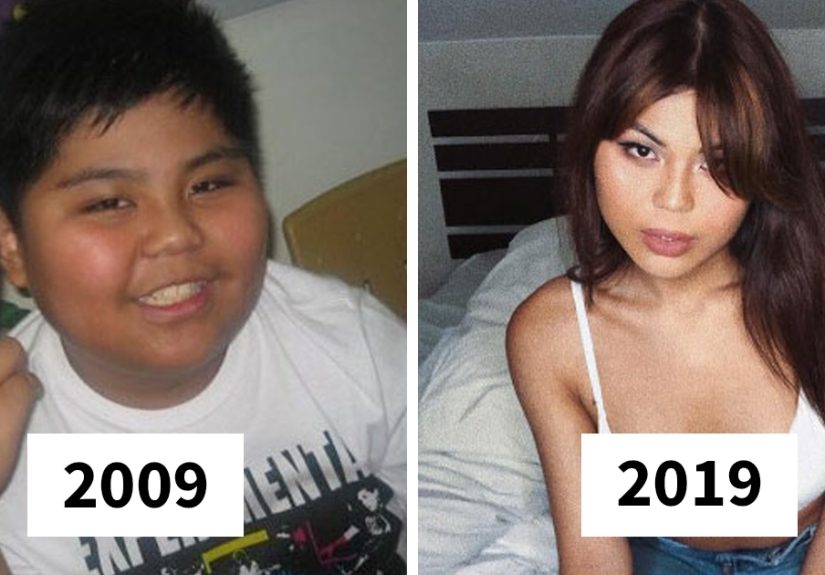
- Why Some #10YearChallenge Photos Looked Truly Unrecognizable
- The Celebrity Side of the #10YearChallenge
- The Privacy Debate Behind the Fun
- How the #10YearChallenge Became More Than a Beauty Trend
- What the Challenge Revealed About Social Media Culture
- Tips for Posting a Fun and Thoughtful #10YearChallenge
- Why We Still Love Then-and-Now Photos
- Experiences Related to the #10YearChallenge
- Conclusion
Every few years, the internet collectively opens the attic, finds an old profile picture, squints at the haircut, and asks, “Who allowed me to leave the house like that?” The #10YearChallenge became one of those rare viral trends that felt simple enough for everyone to join: post a photo from ten years ago next to a current one, then let friends, followers, ex-classmates, and that one aunt with unlimited comment energy react.
At first glance, it looked like harmless fun. People shared side-by-side pictures showing glow-ups, career changes, weight changes, new hairstyles, new confidence, new families, and, in some cases, the mysterious ability to age backward like they had negotiated with a very stylish vampire. But the deeper the trend spread across Facebook, Instagram, Twitter, and celebrity accounts, the more it revealed about how people use social media to tell the story of who they used to be and who they have become.
The most fascinating part? Some transformations were genuinely unrecognizable. Not because people became “better,” but because ten years is enough time to change almost everything: your face, your fashion sense, your job, your priorities, your camera quality, and thankfully, your relationship with eyebrow tweezers.
What Was the #10YearChallenge?
The 10 Year Challenge, also known as the 2009 vs. 2019 challenge, then and now challenge, or glow-up challenge, asked people to post two photos: one from roughly ten years earlier and one from the present day. The format was easy, visual, and instantly understandable. No complicated dance routine. No recipe. No dangerous stunt. Just two pictures and a caption that usually said something like, “How hard did aging hit you?”
That simplicity is exactly why it worked. A viral trend needs to be easy to copy, emotionally satisfying, and mildly competitive without feeling like homework. The #10YearChallenge checked every box. It let people laugh at old fashion choices, celebrate personal growth, and perform a tiny public audit of time itself.
Many posts were funny. Some were sentimental. Some were clearly curated with the precision of a museum exhibit titled “I Have Always Had Great Bone Structure.” And some were raw, showing people who had survived illness, grief, breakups, parenthood, burnout, immigration, career reinvention, or major identity changes. In other words, the challenge became more than a selfie trend. It became a public scrapbook.
Why the Internet Could Not Look Away
Humans are naturally drawn to before-and-after images because they compress time into a single glance. A decade is too large to feel in daily life. You do not wake up one morning and dramatically transform into your future self while a soundtrack plays. Change usually happens quietly: one haircut, one new habit, one hard year, one brave decision, one awkward photo tagged by a friend who should have known better.
The #10YearChallenge made that invisible process visible. Suddenly, ten years could fit inside one social media square. That is powerful. It gave people an easy way to say, “Look how far I’ve come,” without writing a memoir or cornering everyone at brunch with a PowerPoint presentation.
The Joy of the Glow-Up
For many users, the challenge was a celebration of the glow-up. Some people showed dramatic style changes: braces gone, confidence activated, hair upgraded, fashion rescued from the clearance rack of bad decisions. Others posted fitness progress, new careers, wedding photos, graduation moments, or pictures with children they did not have ten years earlier.
But the best glow-ups were not always about appearance. Some people used the trend to show emotional growth. A person who looked shy in an old college photo might appear relaxed and self-assured in the new one. Someone who once seemed lost might now look grounded. Someone who had been through a rough decade might post a caption that said, in different words, “I am still here.” That kind of transformation hits harder than any filter.
The Comedy of Old Photos
Of course, the internet also did what the internet does best: roast itself. Old photos came with side bangs, low-resolution camera flash, questionable sunglasses, graphic tees, duck faces, and enough early social-media poses to make an entire generation request witness protection.
People laughed at their old MySpace angles, Facebook albums, prom outfits, and dramatic captions from years when every status update sounded like a deleted lyric from an emo song. The trend worked because it allowed embarrassment to become entertainment. When everyone is sharing their awkward phase, nobody is alone in it. That is the great democratic promise of the internet: somewhere, someone else also wore a fedora unironically.
Why Some #10YearChallenge Photos Looked Truly Unrecognizable
Some transformations shocked viewers because the person seemed almost impossible to match with their old photo. But “unrecognizable” can happen for many ordinary reasons. Ten years can change facial structure, hairstyle, posture, skin, weight, clothing, makeup, facial hair, camera quality, lighting, and personal presentation. A blurry 2009 webcam photo taken under fluorescent dorm-room lighting is not exactly a fair opponent for a polished 2019 smartphone portrait.
Technology also played a major role. Photos from a decade earlier often looked grainy, poorly lit, and over-flashed. Current pictures had better cameras, portrait mode, editing apps, and social media literacy. By the late 2010s, many people knew their angles better than some professional photographers. The result: the “after” photo often looked dramatically more polished, even if the person had not changed as much as the image suggested.
Style Is a Time Machine
Fashion can make a person look like they belong to an entirely different species of themselves. A decade can take someone from neon graphic hoodies to tailored jackets, from flat-ironed bangs to natural curls, from oversized sunglasses to minimalist frames, from heavy eyeliner to barely-there makeup, or from “I dressed in the dark during a power outage” to “I understand color theory now.”
That is why many #10YearChallenge posts felt dramatic. They were not only about aging; they were about taste. Taste matures. Trends disappear. Hair products improve. And sometimes the biggest transformation is simply learning that not every accessory needs to be worn at the same time.
Confidence Changes the Whole Photo
Another reason people looked unrecognizable was confidence. The way someone holds their shoulders, looks into a camera, smiles, or chooses a setting can completely change how they appear. A younger person might have looked unsure, guarded, or uncomfortable. Ten years later, the same person might look calmer, freer, and more present.
That is one of the most underrated parts of the trend. A face can change, yes, but confidence changes the meaning of the face. The new picture often said, “I know who I am now,” and that can be more striking than any physical change.
The Celebrity Side of the #10YearChallenge
Like most viral trends, the #10YearChallenge became even bigger once celebrities joined in. Actors, musicians, influencers, athletes, and public figures posted their own comparisons, often with captions that played into the joke. Some stars appeared nearly identical, prompting fans to accuse them of having access to time machines, elite skincare, or a suspiciously well-managed portrait in an attic.
Celebrity posts helped push the trend into mainstream culture because they added spectacle. People love seeing famous faces become human for a second, especially when an old photo shows a questionable haircut or an early-career red carpet look that says, “My stylist was a brave person, but not always a correct one.”
At the same time, celebrity versions of the challenge were usually more polished than everyday posts. Public figures often have professional archives, makeup teams, lighting, and image control. Regular users had old tagged photos from college parties and family cookouts. The gap between those two realities made the trend even funnier. For celebrities, the past looked like a magazine spread. For everyone else, the past looked like a digital camera sneezed.
The Privacy Debate Behind the Fun
As the trend exploded, a serious conversation followed: could the #10YearChallenge be useful for facial recognition systems? The concern was not that every participant had been tricked by a secret master plan. The bigger issue was that millions of neatly labeled then-and-now photos could theoretically create a valuable dataset showing how faces change over time.
Tech writers and privacy advocates pointed out that social media images contain more information than many users realize. A photo can reveal age, location clues, relationships, lifestyle patterns, health hints, and identity markers. When paired with a timestamp and a name, it becomes even more useful to platforms, advertisers, or third parties interested in data analysis.
Facebook publicly denied that it created the challenge or used it as a facial recognition scheme. Still, the debate mattered because it reminded people that viral trends are not just cultural moments; they are also data events. Even when a meme is user-generated and innocent, the information people voluntarily share can have a life beyond the joke.
Should People Avoid Trends Like This?
Not necessarily. Sharing photos online is a personal choice, and many people find real joy in participating. The point is not to panic every time a hashtag appears. The point is to be aware. Before posting, users can ask: Am I comfortable with this image being public? Does it reveal anything I would rather keep private? Do I want this connected to my name years from now?
A smart digital life is not about hiding under a blanket and refusing to upload anything except pictures of soup. It is about choosing what to share on purpose. A good rule: if a post would make you uncomfortable in the hands of a stranger, an employer, a data broker, or your future self, consider keeping it private.
How the #10YearChallenge Became More Than a Beauty Trend
One of the most interesting evolutions of the challenge was how people adapted it beyond personal appearance. Environmental groups and activists used the format to show climate change, deforestation, melting glaciers, polluted landscapes, and damaged ecosystems. Instead of “Look how I changed,” the message became “Look what changed around us.”
That shift showed the flexibility of meme culture. A strong meme format is like a reusable container. People can fill it with humor, nostalgia, criticism, activism, or personal storytelling. The #10YearChallenge worked because the before-and-after structure was instantly recognizable and emotionally direct.
Businesses and brands also joined the trend, comparing old logos, office spaces, product designs, packaging, and company milestones. Some posts were clever. Others had the unmistakable scent of a marketing department saying, “The youths are doing a hashtag. Deploy the intern.” Still, the format gave organizations a way to show progress without writing a dull corporate anniversary post.
What the Challenge Revealed About Social Media Culture
The #10YearChallenge arrived during a period when people were already thinking more critically about digital identity. Social media had shifted from casual updates to carefully managed personal branding. People were not just posting pictures; they were curating narratives. A decade comparison made that obvious.
When users selected their “before” and “after” photos, they were not simply showing time. They were choosing a story. Some chose comedy: “Look how awkward I was.” Some chose triumph: “Look what I overcame.” Some chose beauty: “Look how well I aged.” Some chose honesty: “The last ten years were hard, but I survived.”
That is why the challenge became addictive to scroll through. Each post was a tiny autobiography. Two images, one decade, one caption, and a thousand implied details.
The Pressure to Perform Progress
There was also a less shiny side. Before-and-after culture can create pressure to prove that life has improved in a visible way. Not everyone wants to compare their body, face, career, relationship status, or lifestyle across ten years. Not everyone feels like they had a neat glow-up. Some people experienced illness, grief, financial struggle, depression, or years that did not photograph well.
That is why it is important to treat the challenge with a sense of humor and compassion. A decade is not a contest. A person’s value is not measured by how dramatic their transformation looks online. Sometimes the most meaningful progress is invisible: becoming kinder, setting boundaries, healing privately, learning patience, surviving something difficult, or finally drinking enough water like your doctor begged you to do in 2013.
Tips for Posting a Fun and Thoughtful #10YearChallenge
If you want to participate in a then-and-now trend, you can make it fun without turning it into a pressure machine. Choose photos that make you smile, not photos that make you feel like you must prove something. Add a caption that focuses on growth, humor, or gratitude rather than self-criticism.
You can also protect your privacy by adjusting your audience settings, removing location details, avoiding sensitive background information, and thinking twice before posting childhood images or photos of other people without permission. If someone else appears in your old picture, ask before sharing. Their awkward haircut deserves consent too.
Most importantly, avoid using the trend to insult your younger self. That person got you here. Maybe they made questionable fashion choices, but they were learning. Be gentle. The internet already has enough people being mean for free.
Why We Still Love Then-and-Now Photos
Then-and-now photos are popular because they give people something rare: proof of change. In daily life, progress can feel slow and messy. But a decade comparison makes change undeniable. You can see the difference in someone’s smile, eyes, posture, style, family, or confidence.
The #10YearChallenge reminded people that time is strange. Ten years can pass quickly, but it can also contain entire lives: graduations, moves, heartbreaks, recoveries, reinventions, friendships, businesses, babies, losses, wins, and countless small decisions that add up to a new version of a person.
Some participants were unrecognizable because they changed their appearance. Others were unrecognizable because they changed their energy. And some were unrecognizable simply because the old photo was taken with a potato-quality camera under lighting that should have been illegal.
Experiences Related to the #10YearChallenge
One of the most relatable experiences around the #10YearChallenge is the emotional whiplash of looking for an old photo. You open an archive expecting nostalgia and immediately find a picture that makes you whisper, “Absolutely not.” Then you keep scrolling and discover entire eras of yourself you had mentally filed under “character development.” There are school photos, early job photos, vacation photos, blurry party photos, and profile pictures edited with filters that looked artistic at the time but now resemble evidence from a haunted printer.
Many people described the challenge as funny at first and surprisingly emotional later. A person might begin by laughing at an old haircut, then suddenly remember where they were living, who they loved, what they were worried about, and what dreams they had at that age. A single photo can unlock a whole room of memory. That is why the trend felt bigger than a simple meme. It encouraged people to revisit their past selves, sometimes with humor, sometimes with tenderness, and sometimes with the strong desire to delete an entire album.
Another common experience was realizing how much life had changed in ways that were not visible. Two photos might show the same face, but the story between them could include a new career, a major move, a recovery, a loss, a creative breakthrough, or a quiet decision to stop living for other people’s approval. Some users wrote captions about learning self-respect, leaving unhealthy relationships, becoming parents, starting over, or finding confidence after years of doubt. Those posts stood out because they showed that transformation is not always cosmetic. Sometimes the biggest glow-up is peace.
The challenge also created a strange kind of community. When friends posted their comparisons, comment sections filled with jokes, compliments, memories, and “I remember that shirt!” energy. People reconnected over shared history. Former classmates remembered old classrooms. Siblings teased each other. Friends celebrated how far someone had come. In a social media environment often criticized for comparison and negativity, the #10YearChallenge sometimes produced genuine warmth.
Still, the experience was not positive for everyone. Some people felt uncomfortable being invited to publicly measure their appearance against a younger version of themselves. Others did not want to revisit a difficult period. Some worried that their transformation was not impressive enough. That reaction is understandable. Social media trends can look optional, but when everyone is participating, they can create quiet pressure. The healthiest way to approach a trend like this is to remember that not posting is also a valid choice. You do not owe the internet a progress report.
For people who did participate, the best posts often had a sense of balance. They laughed at the past without hating it. They celebrated the present without pretending life was perfect. They recognized that ten years can be kind, chaotic, painful, hilarious, and transformative all at once. That is what made the #10YearChallenge memorable. It was not just about who looked different. It was about who had lived enough life to become different.
Conclusion
The #10YearChallenge became viral because it gave people an easy, visual way to measure time, celebrate growth, and laugh at the versions of themselves who once made bold choices with hair gel. Some photos were funny, some were touching, and some were so dramatic that viewers needed a moment to confirm they were looking at the same person.
But the challenge also sparked important conversations about digital privacy, facial recognition, body image, and the pressure to package personal growth for public approval. That mix of humor and seriousness is exactly why the trend lasted in memory. It was a meme, yes, but it was also a mirror. And like all good mirrors, it showed more than just a face. It showed time, identity, confidence, and the strange beauty of becoming someone your younger self might not recognizebut might be proud to meet.
Note: This article is original, fully rewritten, and created for web publication based on real public information, social media history, digital culture analysis, and privacy discussions surrounding the #10YearChallenge.