Table of Contents >> Show >> Hide
- What Is a Poison Ivy Rash?
- Poison Ivy Rash Pictures: What to Look For
- Common Poison Ivy Rash Symptoms
- Is Poison Ivy Rash Contagious?
- How Long Does Poison Ivy Rash Last?
- What to Do Immediately After Touching Poison Ivy
- Poison Ivy Rash Treatment at Home
- What Not to Do
- When to See a Doctor
- How Doctors Diagnose Poison Ivy Rash
- How to Identify Poison Ivy Before It Identifies You
- Prevention Tips That Actually Help
- Poison Ivy Rash in Children and Teens
- Personal Experience Section: What Poison Ivy Teaches You the Itchy Way
- Conclusion
Poison ivy has a special talent for ruining a perfectly good hike, backyard cleanup, camping trip, or “I’ll just pull a few weeds” moment. One minute you are feeling outdoorsy and capable. A day or two later, your skin is staging a tiny red rebellion and demanding answers.
A poison ivy rash is an allergic skin reaction caused by urushiol, an oily resin found in poison ivy, poison oak, and poison sumac. The rash can be intensely itchy, red, swollen, bumpy, blistered, and sometimes arranged in streaky lines where the plant brushed against the skin. The good news: most mild cases can be treated at home and clear within a few weeks. The less fun news: the itch can be dramatic enough to make you question every life choice that led you into shrub territory.
This guide explains what poison ivy rash looks like, how symptoms develop, which treatments actually help, when to call a doctor, and how to avoid meeting this leafy troublemaker again.
What Is a Poison Ivy Rash?
A poison ivy rash is a form of allergic contact dermatitis. That means your immune system reacts after your skin touches a substance it recognizes as a problem. In this case, the problem is urushiol oil. This oil is present in the leaves, stems, roots, and vines of poison ivy. It can also stick to clothing, shoes, gardening gloves, sports gear, pet fur, tools, and even dead plant material.
One of the sneakiest things about urushiol is that you do not always notice exposure when it happens. You may brush against a vine, sit near contaminated gear, or pet a dog that joyfully ran through poison ivy like it had just discovered a botanical obstacle course. Hours or days later, the rash appears.
Not everyone reacts the same way. Some people develop a mild patch of itching. Others get a widespread rash with swelling and blisters. Sensitivity can also change over time, so someone who “never gets poison ivy” should not nominate themselves as the family weed-removal hero without gloves.
Poison Ivy Rash Pictures: What to Look For
Pictures of poison ivy rash often show several common patterns. A real rash can look different depending on skin tone, severity, timing, and where the oil touched the skin. For web publishing, useful image examples may include:
1. A Streaky Red Rash
Poison ivy often appears in straight or curved lines because the plant brushes across the skin. A typical photo may show red, raised streaks on the arms, legs, ankles, or wrists. These lines are one of the biggest clues that the rash came from outdoor plant contact.
2. Small Bumps and Blisters
Another common picture shows clusters of itchy bumps or small fluid-filled blisters. These may develop where urushiol touched the skin most directly. The blisters can look alarming, but the fluid inside them does not spread poison ivy to another person.
3. Swollen, Itchy Patches
Some poison ivy rashes look more like swollen patches than neat lines. This can happen when urushiol spreads over a larger area, such as from contaminated clothing, gloves, or scratching before the oil has been washed away.
4. Rash on Hands, Wrists, and Ankles
Hands and wrists are common because people touch plants, tools, pets, or shoes. Ankles and lower legs are also frequent targets, especially after walking through brush, tall grass, wooded edges, or garden beds.
Suggested image alt text: “Poison ivy rash with red itchy bumps and blisters on arm,” “streaky poison ivy rash on leg after plant contact,” and “mild poison ivy rash with swelling and irritation.”
Common Poison Ivy Rash Symptoms
Poison ivy symptoms usually begin with itching. The itch may appear before the rash is obvious, which feels unfair, but poison ivy has never been known for its manners. Symptoms can include:
- Intense itching
- Redness or discoloration
- Raised bumps
- Blisters
- Swelling
- Warm or tender skin
- Streaks or patches where the plant touched the skin
- Crusting as blisters dry and heal
The rash often appears within 12 to 48 hours after exposure, but timing can vary. If it is your first strong reaction, symptoms may take longer to show up. New areas may also appear over several days, not because the rash is spreading through blister fluid, but because different skin areas absorbed different amounts of urushiol or reacted at different speeds.
Is Poison Ivy Rash Contagious?
The rash itself is not contagious. You cannot catch poison ivy by touching another person’s blisters or rash. This is one of the most common myths, and it deserves to be tossed into the compost pile.
However, urushiol oil can transfer from contaminated skin, clothing, shoes, tools, pet fur, or equipment. If the oil is still present and someone touches it, that person can develop a rash. This is why washing exposed skin and cleaning contaminated items is so important.
Think of urushiol like invisible grease. Once it is washed off, the rash cannot spread from place to place by magic. But if the oil remains on your shoelaces, garden shears, backpack straps, or your enthusiastic golden retriever, the problem can make a comeback.
How Long Does Poison Ivy Rash Last?
Most poison ivy rashes improve in one to three weeks. Mild cases may calm down faster with good home care. More severe reactions, especially those with many blisters or large areas of swelling, may last longer and may require prescription treatment.
Healing usually happens in stages. First comes itching and redness. Then bumps and blisters may appear. Later, the blisters dry, crust, and gradually fade. During this time, the goal is simple: reduce itching, protect the skin, avoid infection, and resist the urge to scratch like a cartoon bear against a tree.
What to Do Immediately After Touching Poison Ivy
Fast action can reduce the chance of a rash or make it less severe. If you think you touched poison ivy, poison oak, or poison sumac, do the following as soon as possible:
- Wash exposed skin right away. Use soap and plenty of cool or lukewarm water. Dish soap or a poison plant wash can help remove oily residue.
- Rinse thoroughly. Do not leave soap or cleanser drying on the skin, because it may move oil around.
- Clean under fingernails. Urushiol can hide there and transfer to other areas.
- Remove contaminated clothing. Wash clothes separately in hot water with detergent.
- Clean tools, shoes, and gear. Use soap and water or rubbing alcohol when appropriate, and wear disposable gloves while cleaning.
- Bathe pets if they may have brushed the plant. Wear gloves so the oil does not transfer to your skin.
Do not scrub harshly. Scrubbing can irritate the skin and make the situation feel worse. Gentle but thorough washing is the move.
Poison Ivy Rash Treatment at Home
Most mild poison ivy rashes can be managed with over-the-counter products and simple comfort measures. The goal is not to “kill” the rash overnight. The goal is to reduce inflammation and itching while your skin heals.
Cool Compresses
Apply a clean, cool, wet cloth to itchy areas for 15 to 30 minutes at a time. This can calm inflammation and reduce the urge to scratch. Wash the cloth afterward, especially if there is any chance it contacted urushiol.
Calamine Lotion
Calamine lotion is a classic for a reason. It can soothe itching and help dry mild oozing. It may leave you looking like you lost a fight with pink sidewalk chalk, but comfort is the priority.
Hydrocortisone Cream
Over-the-counter hydrocortisone cream may help mild, localized poison ivy rash. Follow the product label, and avoid using it near the eyes unless a healthcare professional tells you to.
Colloidal Oatmeal Baths
Short lukewarm baths with colloidal oatmeal can ease itching. Avoid hot water, which often makes itching worse. A cool shower can also help when your skin feels heated and irritated.
Baking Soda Baths or Paste
Some people find relief from a baking soda bath or a mild baking soda paste. Do not rub aggressively, and stop using it if it stings or irritates your skin.
Oral Antihistamines
Oral antihistamines may help some people manage itching, especially at night. Some can cause sleepiness, so read labels carefully and ask a pharmacist or healthcare professional if you are unsure. Teens should check with a parent, guardian, or clinician before using medication.
Aluminum Acetate Soaks
Aluminum acetate solutions, sometimes sold as astringent soaks, can help dry weeping or irritated areas. Follow package directions and avoid overusing anything that makes the skin feel too dry or cracked.
What Not to Do
When poison ivy itch hits, the internet becomes a dangerous buffet of “my cousin tried this” advice. Be careful. Some remedies can irritate the skin or delay proper care.
- Do not scratch hard. Scratching can break the skin and increase infection risk.
- Do not pop blisters. Let them heal naturally.
- Do not use bleach on your skin. It can cause chemical irritation and burns.
- Do not apply gasoline, kerosene, or harsh solvents. Your skin is not a garage floor.
- Do not burn poison ivy plants. Smoke can carry irritating particles and may cause serious breathing problems.
- Do not assume “natural” means safe. Lemon juice, vinegar, essential oils, and plant-based mixtures can irritate already angry skin.
When to See a Doctor
Call a healthcare professional if the rash is severe, widespread, or not improving. You should also seek medical advice if the rash affects the face, eyes, mouth, or genitals, or if swelling is significant.
Get urgent medical help if you have trouble breathing, trouble swallowing, severe facial swelling, or a reaction after inhaling smoke from burning poison ivy. These symptoms can be serious.
Also contact a doctor if you notice signs of infection, such as increasing pain, warmth, swelling, pus, fever, or red streaking from the rash. Prescription corticosteroids may be needed for severe reactions, and antibiotics may be needed if a bacterial infection develops.
How Doctors Diagnose Poison Ivy Rash
Doctors usually diagnose poison ivy rash by looking at the skin and asking about recent outdoor exposure. The streaky pattern, intense itch, and timing after yardwork, hiking, gardening, camping, or pet exposure often provide enough clues.
Tests are usually not needed. However, a clinician may consider other causes if the rash looks unusual, keeps returning, appears infected, or does not match a typical poison ivy pattern. Other conditions that can resemble poison ivy include eczema, allergic reactions to products, insect bites, shingles, scabies, fungal infections, and other forms of contact dermatitis.
How to Identify Poison Ivy Before It Identifies You
The famous saying is “Leaves of three, let it be.” Poison ivy usually has three leaflets: a center leaflet with two side leaflets. The leaves may be shiny or dull, smooth or toothed, and their color changes with the season. In spring they may look reddish. In summer they are often green. In fall they may turn yellow, orange, or red.
Poison ivy can grow as a groundcover, a shrub, or a climbing vine. Older vines may look hairy where they cling to trees. Do not touch the vine just because there are no leaves visible. Urushiol can remain in stems, roots, and dead plant material.
Poison oak also commonly has three leaflets, while poison sumac usually has more leaflets and tends to grow in wet, swampy areas. When in doubt, do not touch. Nature offers many plants you can admire without shaking hands.
Prevention Tips That Actually Help
The best treatment is avoiding exposure in the first place. That does not mean living indoors forever like a houseplant with Wi-Fi. It means using practical prevention habits when you are outdoors.
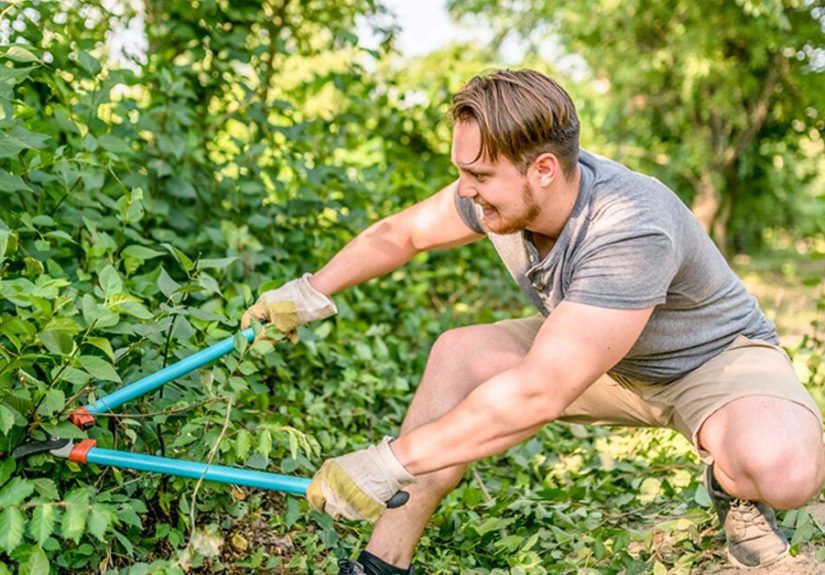
- Wear long sleeves, long pants, socks, closed shoes, and gloves when working in brush or weeds.
- Use barrier skin products made for poison ivy exposure when appropriate.
- Learn what poison ivy looks like in your region and in different seasons.
- Wash skin, clothing, shoes, and gear after hiking, gardening, or clearing brush.
- Keep pets out of dense brush when possible and bathe them after suspected exposure.
- Never burn brush piles that may contain poison ivy, oak, or sumac.
- Clean tools after yardwork, because urushiol can remain active on surfaces for a long time.
Poison Ivy Rash in Children and Teens
Children and teens often get poison ivy from outdoor play, sports, camping, summer jobs, or helping with yardwork. The same basic care applies: wash the skin quickly after exposure, use soothing treatments, avoid scratching, and watch for signs that medical help is needed.
For younger children, keep fingernails short to reduce skin damage from scratching. For teens, the biggest challenge may be resisting the urge to “tough it out” when the rash is on the face, near the eyes, widespread, or causing major swelling. That is not toughness; that is your skin filing a formal complaint. Ask an adult or healthcare professional for help.
Personal Experience Section: What Poison Ivy Teaches You the Itchy Way
Anyone who has dealt with poison ivy remembers the moment of realization. It usually starts with a tiny itch that seems harmless. Maybe it is on your ankle after a trail walk. Maybe it is on your wrist after moving a pile of branches. You scratch once, then again, then suddenly your brain opens a full investigation: “Wait. Was that vine poison ivy?”
The first lesson is that poison ivy rewards attention to detail. Many people only look for the classic three-leaf pattern, but real plants are messy. Leaves vary in shape, color, and shine. A vine crawling up a tree may not look like the neat warning poster from summer camp. The safest habit is to pause before grabbing unknown greenery. Gardening gloves are not a fashion statement, but they are much better than spending two weeks trying not to scratch your forearm on every doorway.
The second lesson is that washing matters more than panic. If you suspect exposure, the best move is calm, quick cleanup. Wash your skin thoroughly, clean under your nails, change clothes, and deal with shoes, socks, tools, and pets. Many repeat poison ivy episodes happen because the oil remains on something ordinary. A bootlace can become the villain. A garden rake can hold a grudge. A dog can look innocent while wearing an invisible coat of urushiol. It is not personal; it is chemistry.
The third lesson is that scratching feels satisfying for approximately two seconds and then becomes a terrible business decision. Scratching can irritate the skin, break blisters, and raise the risk of infection. A better strategy is to rotate comfort measures: cool compress, calamine, oatmeal bath, loose clothing, and distraction. Distraction is underrated. Watch a movie, read something, play a calm game, or do homework with the confidence of someone who has survived a botanical ambush.
The fourth lesson is knowing when home care is not enough. A small rash on the ankle is one thing. A swollen face, rash near the eyes, widespread blisters, fever, worsening pain, or signs of infection is another. Poison ivy is common, but common does not mean harmless in every case. Getting medical help early can prevent a miserable rash from becoming a bigger problem.
The fifth lesson is prevention. After one solid poison ivy experience, many people become amateur plant detectives. They spot suspicious vines from across the yard. They wear long pants to do “quick” outdoor chores. They wash clothes after hikes. They stop yanking mystery weeds with bare hands like fearless woodland goblins. Experience has a way of turning “I’ll be fine” into “Where are my gloves?”
Poison ivy is annoying, itchy, and wildly inconvenient, but it is also manageable. Learn the plant, respect the oil, wash quickly, treat the itch wisely, and call a professional when symptoms cross the line from irritating to concerning. Your skin will thank you, probably by not holding another two-week protest.
Conclusion
A poison ivy rash is caused by urushiol oil and usually appears as an itchy, red, bumpy, blistering rash after contact with poison ivy, poison oak, or poison sumac. Most mild cases can be treated at home with cool compresses, calamine lotion, hydrocortisone cream, oatmeal baths, and careful skin care. The rash itself is not contagious, but urushiol oil can spread from contaminated clothing, tools, shoes, and pet fur.
The smartest plan is simple: wash quickly after exposure, clean anything that may carry the oil, avoid scratching, and watch for warning signs. Seek medical care if the rash is severe, widespread, on sensitive areas, or showing signs of infection. And next time you see three mysterious leaves on a trail or fence line, let them be. Your future self will appreciate the restraint.