Table of Contents >> Show >> Hide
- What Is Hidradenitis Suppurativa, Exactly?
- Why Popping Hidradenitis Suppurativa Is a Bad Idea
- What to Do Instead of Popping an HS Lesion
- How Hidradenitis Suppurativa Is Actually Treated
- When to See a Doctor Right Away
- Can You Ever Pop HS Safely at Home?
- The Bigger Lesson: HS Needs Management, Not Popping
- Real-Life Experiences People Commonly Have With HS
- Conclusion
If you have hidradenitis suppurativa, also called HS, you already know the temptation. A painful lump shows up in your armpit, groin, under the breasts, or another spot where skin rubs together, and your brain immediately suggests a terrible idea: “What if I just pop it?” Unfortunately, that plan belongs in the same category as cutting your own bangs at 2 a.m. It feels bold in the moment and regrettable almost instantly.
HS is not a regular pimple problem. It is a chronic inflammatory skin disease that creates deep, painful lumps, abscesses, and sometimes tunnels under the skin. Because those lesions run deeper than everyday acne, squeezing them can make the area more irritated, raise the risk of infection, and leave more scarring behind. In other words, popping HS is not skin care. It is more like poking a hornet’s nest and hoping for a spa day.
This guide explains why popping hidradenitis suppurativa is a bad idea, what you should do instead, when to see a doctor, and how real HS treatment works. If you have been treating these lesions like stubborn zits, this is your sign to stop negotiating with the bump.
What Is Hidradenitis Suppurativa, Exactly?
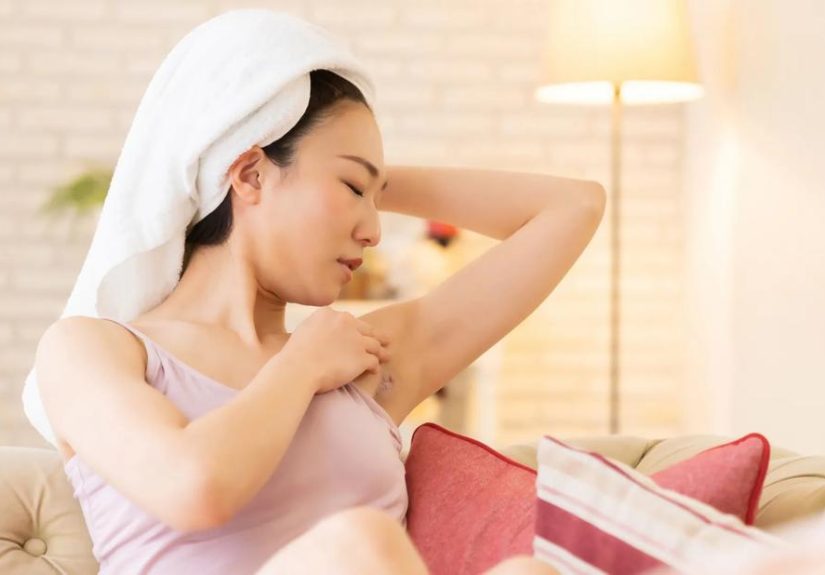
Hidradenitis suppurativa is a chronic skin condition that causes painful, boil-like lumps under the skin. It usually shows up in places where friction and sweat team up like tiny chaotic roommates: the armpits, groin, buttocks, inner thighs, and under the breasts. These lesions may heal slowly, come back repeatedly, drain fluid, and over time form tunnels and scars.
HS Is Not “Just Acne in a Weird Place”
One reason people try to pop HS is that the early bumps can look deceptively familiar. They may seem like ingrown hairs, acne, or random boils. But HS tends to recur in the same general areas, lasts longer, hurts more, and can burrow deeper into the skin. That deeper structure is exactly why squeezing makes things worse. You are not clearing a clogged pore sitting politely near the surface. You are aggravating an inflamed process that often involves hair follicles, rupture, bacteria, drainage, and surrounding tissue.
HS also is not caused by poor hygiene. That myth needs to be retired immediately. People with HS are not “dirty,” and the condition is not contagious. You cannot scrub your way out of it, and you definitely cannot squeeze your way to victory.
Common Symptoms of HS
- Painful lumps under the skin
- Recurring boils or abscesses in skin-fold areas
- Drainage with odor
- Blackhead-like spots in pairs or clusters
- Slow healing
- Scarring and thickened skin
- Tunnels under the skin in more advanced disease
HS often starts after puberty and commonly appears in the teens or twenties. That timing matters because many people spend years assuming they just have “bad skin,” when they are actually dealing with an inflammatory disease that deserves medical treatment.
Why Popping Hidradenitis Suppurativa Is a Bad Idea
Let’s get to the headline issue. Popping hidradenitis suppurativa lesions is a bad idea because it can turn an already inflamed, painful situation into an even messier one. The short version is simple: HS lesions are deep, delicate, and angry. Squeezing them does not solve the underlying problem.
1. HS Lesions Sit Deeper Than Typical Pimples
With everyday acne, people often imagine there is a clear “plug” to push out. HS does not play by those rules. The inflammation sits deeper in the skin, and lesions may connect to other inflamed areas through tunnels. So when you squeeze, you are often pressing on tissue that is already swollen and damaged. Instead of helping the area clear, you may increase trauma and force the inflammation to spread.
2. You Can Increase Irritation and Swelling
HS already thrives on friction, pressure, and irritation. Squeezing adds more of all three. Dermatology guidance consistently warns that injuring or irritating HS-prone skin can worsen the condition. So if your goal is “make this flare less dramatic,” popping does the opposite. It is basically giving the flare a microphone and a spotlight.
3. Infection Risk Goes Up
Any time you pick, squeeze, or poke at a lesion, you increase the chance of introducing more bacteria and damaging the skin barrier. That matters even more with HS because these lesions can already drain and break open. A homemade drainage attempt is not a sterile medical procedure. It is fingers, pressure, impatience, and a terrible success rate.
If a lesion opens on its own, that is different from forcing it. Spontaneous drainage can happen with HS. But deliberately popping it can make the wound dirtier, more irritated, and harder to heal.
4. Scarring Can Get Worse
HS is already notorious for leaving scars, discoloration, and thickened skin. Popping can increase tissue damage and raise the odds of more visible marks later. This is one of the cruelest parts of the cycle: people squeeze because they want a lesion gone faster, then end up with a longer healing time and a bigger reminder that the lesion existed.
5. It Delays Real Treatment
Perhaps the biggest problem with popping is that it can distract people from getting proper care. HS is treatable, even though there is no universal cure. Dermatologists can help reduce flares, control inflammation, manage pain, and prevent progression. But many people lose months or years trying over-the-counter acne tricks, harsh scrubs, and squeeze-based optimism. HS usually does not respond well to that routine.
What to Do Instead of Popping an HS Lesion
If you are dealing with an HS flare, your best move is not brute force. It is gentle care, lower friction, and medical backup when needed.
Use Gentle Skin Care
Choose a cleanser that is gentle and non-irritating. Some clinicians recommend antiseptic washes such as benzoyl peroxide or chlorhexidine for certain patients, but the right routine depends on how sensitive your skin is and what your doctor recommends. The larger point is this: HS skin generally does better with calm, boring products than with aggressive, “deep-cleaning” products that sound like they were invented by a power washer.
Avoid loofahs, rough washcloths, gritty scrubs, and harsh exfoliants over affected areas. If the skin is inflamed, it does not need an exfoliating pep talk.
Try Warm Compresses
A warm compress or warm shower may help encourage comfort and support natural drainage without the trauma of squeezing. It is a much smarter option than turning your fingers into unlicensed dermatology equipment.
Keep Draining Areas Clean and Covered
If a lesion opens on its own, gently cleanse the area, pat it dry, and cover it with a clean dressing or bandage. Nonstick wound dressings are often more comfortable than anything adhesive and dramatic. The goal is to protect the skin, manage drainage, and avoid more friction.
Reduce Friction Every Chance You Get
Wear loose, breathable clothing. Avoid seams, waistbands, and tight fabrics that rub the same area over and over. If you have HS, reducing friction is not a fashion failure. It is strategy.
See a Dermatologist Early
If you keep getting painful bumps in the same places, especially if they drain or scar, book a dermatologist. Early diagnosis matters. HS can worsen over time, and getting treatment sooner may help reduce new lesions and limit long-term damage.
How Hidradenitis Suppurativa Is Actually Treated
Real HS treatment is usually layered. The plan depends on where the lesions are, how often they recur, whether tunnels or scarring have formed, how much pain you have, and how much the condition is affecting daily life.
Treatment for Mild HS
Milder disease may be treated with topical medications such as clindamycin, along with a dermatologist-guided skin care routine. Some patients may also use specific anti-inflammatory topical options. The goal is to calm inflammation early and keep flares from snowballing.
Treatment for Moderate HS
When HS becomes more persistent or widespread, doctors may prescribe oral antibiotics, steroid injections for painful nodules, hormonal treatment in some patients, or other anti-inflammatory medications. Laser hair reduction may help some people, especially when hair follicles are part of the cycle driving repeated flares.
Treatment for Moderate to Severe HS
For tougher cases, biologic medications may be part of treatment. These drugs target inflammatory pathways involved in HS and can reduce the number of painful nodules and abscesses. Some patients also need procedures such as unroofing, de-roofing, or excision to treat persistent lesions and tunnels.
That is an important distinction: when drainage or opening is needed, it should be done by a medical professional using appropriate technique. “Doctor-controlled opening” is not the same thing as “bathroom-mirror chaos.”
Pain and Emotional Support Matter Too
HS is not only a skin condition. It can affect sleep, movement, exercise, work, confidence, relationships, and mental health. Anxiety and depression are more common in people with HS, and that should be taken seriously. Treatment can include pain management, wound care support, and counseling when needed. A good care plan treats the whole person, not just the lump that showed up like an unwanted party guest.
When to See a Doctor Right Away
You should get medical care promptly if:
- You have repeated painful lumps in the same body areas
- The lesions are getting larger, redder, or more painful
- You notice drainage, odor, or fast worsening
- You are developing scars or thickened skin
- The bumps are limiting walking, sleeping, exercise, school, or work
- Over-the-counter acne products are not helping
- You think you may have HS but have never been diagnosed
HS can be misdiagnosed as acne, ingrown hairs, or recurrent boils. If the same “mystery bump” keeps returning to the same neighborhood, it is time to stop calling it random.
Can You Ever Pop HS Safely at Home?
In a word: no. You can care for a lesion that drains on its own, but trying to force it open at home is not considered a safe HS strategy. The safest plan is to avoid squeezing, avoid picking, avoid sharp objects, and avoid turning one inflamed bump into a larger wound.
If you feel desperate because the lesion hurts, that is understandable. HS pain can be intense. But pain is also one more reason to reach out for proper treatment, not one more reason to declare war on your skin with your fingertips.
The Bigger Lesson: HS Needs Management, Not Popping
The biggest mindset shift with hidradenitis suppurativa is learning that this disease is not conquered by extraction. It is managed by reducing irritation, treating inflammation, protecting the skin barrier, and getting the right medical care. Popping may feel like action, but with HS it is usually the wrong kind of action.
So the next time an HS lesion shows up and your inner chaos goblin whispers, “Just squeeze it,” answer with something wiser: “Nice try. We are doing warm compresses, gentle cleansing, and an actual treatment plan.” Your future skin will appreciate the maturity, even if the lesion does not send a thank-you note.
Real-Life Experiences People Commonly Have With HS
One of the hardest things about hidradenitis suppurativa is that it can make people feel like they are constantly managing a secret emergency. A bump may start as a little soreness in the underarm or groin, the kind of sensation that seems small enough to ignore. Then it grows. By the end of the day, it is rubbing against clothing, stinging during normal movement, and making every step or arm motion feel oddly calculated. People often describe that phase as frustrating because the lesion does not yet look dramatic from the outside, but it already feels dramatic from the inside.
Then comes the mental tug-of-war. Many people say they know they should not squeeze or pick, but the urge is still strong. That urge makes sense. Humans like closure. We like problems that can be solved with one decisive move. HS is rude because it rarely offers that kind of payoff. You press on the area hoping for relief, and instead you get more tenderness, more swelling, and a fresh reminder that this is not ordinary acne wearing a costume.
Another common experience is embarrassment over drainage, odor, or visible marks on clothing. That can make people become hyperaware of everything: how they sit, what they wear, whether they can lift their arms, whether someone standing nearby will notice. Some people start building daily routines around prevention and concealment, carrying extra bandages, spare shirts, gentle cleansers, and products that help manage wound care. It becomes a quiet kind of labor that other people rarely see.
There is also the emotional exhaustion of unpredictability. A good week can make someone think, “Maybe it is finally calming down,” and then a new flare appears in a familiar spot as if the disease kept your address on file. That stop-and-start pattern can wear people down. It is not only the pain. It is the uncertainty. Can I work out today? Can I wear jeans? Can I sit through class, work, or a long drive comfortably? Will this spot start draining while I am out? HS can make ordinary planning feel weirdly high stakes.
Many people also talk about the relief that comes with finally getting the right diagnosis. Before that, they may have been told it was shaving irritation, recurring boils, acne, or bad luck. Once a clinician identifies HS, the experience often shifts from confusion to strategy. There is still work involved, but now there is a name for the problem and a path forward. Instead of blaming themselves, people can start learning what actually helps: reducing friction, following a gentler skin care routine, using prescribed medication, and seeking care earlier when a flare begins.
Perhaps the most meaningful experience people describe is feeling less alone when they realize HS is a recognized medical condition and not a personal failure. That matters. HS can affect confidence, mood, and social life, but good care can improve symptoms and quality of life. For many patients, the turning point is not a miracle product or one perfect appointment. It is the moment they stop treating HS like something they should pop, hide, or out-stubborn, and start treating it like a real condition worthy of real support.
Conclusion
Popping hidradenitis suppurativa may seem like a fast fix, but it usually adds more pain, more inflammation, more risk, and more scarring to an already difficult condition. HS lesions are deeper and more complex than regular pimples, which is why squeezing them at home can backfire so badly. A better approach is gentle skin care, warm compresses, lower friction, smart wound care, and early treatment from a dermatologist.
If you keep getting painful bumps in areas where skin rubs together, do not just battle the same lesion over and over. Get it checked. The sooner you recognize HS for what it is, the sooner you can replace panic-popping with an actual plan.