Table of Contents >> Show >> Hide
- Why Safe Medication Disposal Matters
- The Safe Medication Disposal Quiz
- Question 1: What is the best first choice for disposing of most unused or expired medicine?
- Question 2: What if you can’t get to a take-back site?
- Question 3: Is it okay to flush old medicine down the toilet?
- Question 4: If you must throw medicine in the household trash, what is the safest method?
- Question 5: Should you crush tablets or open capsules before throwing them away?
- Question 6: What should you do with used or leftover opioid medication?
- Question 7: Can you put sharps, needles, or syringes into a medication drop box?
- Question 8: What about inhalers, patches, creams, and liquids?
- Question 9: Is it smart to save old medicine “just in case”?
- Your Scorecard: The Simple Rule Everyone Can Remember
- Common Medication Disposal Mistakes to Avoid
- How to Clean Out Your Medicine Cabinet Safely
- Experience Corner: What Safe Disposal Looks Like in Real Life
- Conclusion
Let’s be honest: most medicine cabinets are part pharmacy, part time capsule, part tiny museum of decisions made during allergy season. There’s the half-used cough syrup from winter, the post-dental-surgery pain pills you swear you meant to deal with, and the mystery ointment with a label so faded it now feels like an archaeological artifact.
But knowing how to safely dispose of medication is more than a housekeeping win. Proper medication disposal helps protect children, pets, curious visitors, and anyone who might accidentallyor intentionallyget into old prescriptions. It also helps reduce the risk of misuse, prevents cluttered medicine cabinets from turning into confusion zones, and lowers the chance of sending the wrong products into the trash, toilet, or environment.
So instead of giving you one long lecture that sounds like a stern bottle of vitamins, let’s do this quiz-style. Below, you’ll test your instincts, learn the safest disposal methods for expired medicine and unused prescriptions, and walk away knowing exactly what to do the next time you find a bottle from three colds ago staring you down.
Why Safe Medication Disposal Matters
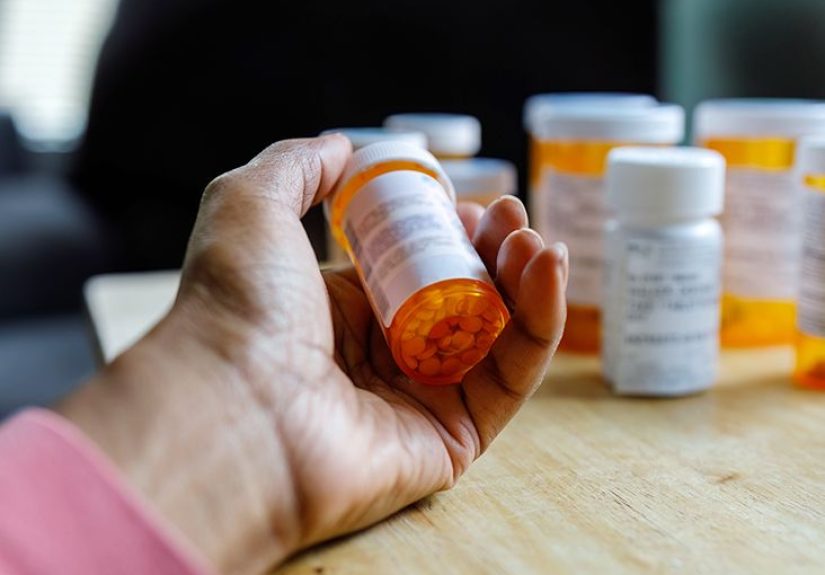
Unused medication is not harmless just because it’s sitting quietly on a shelf. Expired or unneeded medicine can lose potency, become less reliable, or in some cases become unsafe to keep around. More importantly, leftover prescriptionsespecially opioids and other high-risk drugscan be taken by the wrong person, shared improperly, or swallowed by children and pets who think the bottle contains snacks. Spoiler alert: it does not.
The safest strategy is usually simple: remove medicine from your home once you no longer need it. Waiting until “someday” is how a medicine cabinet turns into a chemistry-themed junk drawer. Safe disposal also protects your privacy by making sure your prescription information is not sitting on a bottle in the trash for the world to admire.
The Safe Medication Disposal Quiz
Question 1: What is the best first choice for disposing of most unused or expired medicine?
Correct answer: A drug take-back program or authorized drop-off site.
If you picked “flush everything dramatically and move on,” your toilet would like a word. The best option for most prescription and over-the-counter medicines is a drug take-back program. These programs are designed to destroy medication safely, and they are available through community take-back events, year-round kiosks, pharmacies, hospitals, and some law enforcement locations.
This is the gold-standard choice because it keeps medication out of the wrong hands and handles destruction in a controlled way. In other words, take-back programs are the grown-up answer to the question, “What should I do with these random pills?”
Question 2: What if you can’t get to a take-back site?
Correct answer: Use a mail-back option if one is available.
Many people don’t realize that safe medication disposal does not always require a road trip. Some pharmacies and health systems offer prepaid mail-back envelopes or mailer programs. You seal the unused medication inside and send it through the proper channel for destruction.
This option is especially helpful for busy households, people with limited transportation, caregivers juggling a dozen tasks, or anyone who looks at errands and says, “Absolutely not today.” If your pharmacy offers mail-back services, that can be one of the easiest ways to dispose of medication safely without leaving the neighborhood.
Question 3: Is it okay to flush old medicine down the toilet?
Correct answer: Usually nounless the medicine is on the FDA flush list and a take-back option is not readily available.
This is where people get tripped up. In general, you should not flush expired medicine, pour it down the sink, or send liquid medication on a water-park adventure through your plumbing. That’s because flushing can contribute to environmental contamination. However, some medicines are considered especially dangerous if they remain in the home, and the FDA specifically recommends flushing those products when take-back options are not available.
So the rule is not “never flush” and not “flush away, cowboy.” The real rule is: check the label, the patient information, or the FDA flush list. If the medication is on that list, follow the special disposal instructions. If it is not, use take-back, mail-back, or household trash disposal instructions instead.
Question 4: If you must throw medicine in the household trash, what is the safest method?
Correct answer: Remove it from the container, mix it with an undesirable substance, seal it, and trash it.
When no take-back or mail-back option is available, many medicines can be disposed of in household trash. But not by tossing a full prescription bottle into the bin and hoping for the best. The safer method is to remove the medicine from its original container and mix it with something unappealing, such as used coffee grounds, dirt, or cat litter. Then place that mixture in a sealed bag or container before throwing it away.
This step matters because it makes the medication less recognizable and less tempting to children, pets, and people who might search through trash. Also, do not forget to scratch out or remove personal information from pill bottles or packaging before tossing or recycling them. Identity thieves do not need to know what your sinuses were doing in February.
Question 5: Should you crush tablets or open capsules before throwing them away?
Correct answer: No, not unless the product instructions specifically say otherwise.
It may sound logical to pulverize everything into oblivion, but standard guidance says not to crush tablets or capsules during household disposal unless the labeling specifically tells you to do that. The goal is to make the medicine undesirable and inaccessible, not to start an amateur pharmaceutical remix session at your kitchen counter.
Question 6: What should you do with used or leftover opioid medication?
Correct answer: Dispose of it promptly and carefullyideally through take-back or mail-back, and follow flush-list instructions when applicable.
Unused opioids deserve special attention because they carry a higher risk of misuse, accidental ingestion, and overdose. If a prescription was meant for short-term pain relief after surgery, dental work, or an injury, it should not linger in the cabinet like a souvenir. Once treatment ends and you no longer need the medication, safe disposal becomes part of safe use.
This is one of the biggest takeaways from public health guidance: storage and disposal are not side notes. They are part of the safety plan from the moment the prescription is filled to the moment it leaves your home.
Question 7: Can you put sharps, needles, or syringes into a medication drop box?
Correct answer: No.
This is a common mistake. Drug disposal kiosks and take-back sites are generally for medication, not for sharps. Needles, syringes, and lancets follow separate disposal rules that vary by state and local program. They should go into an approved sharps container or another strong, puncture-resistant container when permitted, then be disposed of according to local guidance.
If your medication involves injection, think of the medicine and the sharp as two separate disposal jobs. Same household, different rules.
Question 8: What about inhalers, patches, creams, and liquids?
Correct answer: Read the product-specific instructions and local disposal guidance.
Not every medication comes in a neat little tablet. Some products require extra caution. Liquids often need to remain sealed in their original containers for take-back events. Patches may contain medication even after use. Inhalers and aerosol products can pose safety concerns if punctured or exposed to heat. Creams, sprays, and unusual dosage forms may have specific instructions on the label.
When in doubt, read the package insert, ask a pharmacist, or check the manufacturer instructions. Fancy packaging does not mean freestyle disposal.
Question 9: Is it smart to save old medicine “just in case”?
Correct answer: Usually no.
It is deeply human to believe future-you will need that random antibiotic, half a bottle of prescription cough syrup, or leftover pain medication from a surgery three summers ago. But “just in case” medicine creates risk. The medication may expire, may not be right for a future illness, may interact with current prescriptions, or may be used incorrectly. Holding onto it can also increase the chance that someone else in the home uses it by mistake.
The safer move is to keep only current, needed medication and dispose of what is expired, discontinued, or no longer necessary.
Your Scorecard: The Simple Rule Everyone Can Remember
If you only remember one thing from this medication disposal quiz, make it this:
- Best choice: Use a drug take-back program.
- Great backup: Use a mail-back envelope or pharmacy program.
- Only flush: If the medicine is on the FDA flush list and no take-back option is available.
- Trash is fallback only: Mix with something undesirable, seal it, and remove personal information from the packaging.
- Sharps are separate: Follow state and local sharps disposal rules.
Common Medication Disposal Mistakes to Avoid
Leaving pills in the bottle and tossing the whole thing
This exposes your personal information and makes the medication easy to identify. That is bad for privacy and worse for safety.
Pouring liquids down the sink
Unless the product instructions specifically say otherwise, this is not the move. Many medicines should stay out of the drain and out of the water system.
Using a drop box for sharps
Medication drop boxes are not universal catch-alls. Needles and syringes need their own disposal pathway.
Saving opioids for future pain
Leftover opioids are not emergency décor. Once they are no longer needed, they should be disposed of promptly and safely.
Forgetting the label
Always remove or obscure personal information before discarding bottles or packaging. Your prescription history should not be a public document with a screw cap.
How to Clean Out Your Medicine Cabinet Safely
Want to turn quiz knowledge into action? Use this simple medicine cabinet cleanup routine:
- Pull out all medications, including pills, liquids, creams, patches, inhalers, and pet medications.
- Check expiration dates and identify anything no longer used, discontinued, or duplicated.
- Separate ordinary medication from products with special handling, such as sharps or inhalers.
- Look for a nearby take-back site or ask your pharmacy about mail-back options.
- If no safe disposal site is available, check whether the medicine is on the flush list.
- If it is not on the flush list, use the household trash method correctly.
- Wipe or scratch off personal information from empty containers.
- Store the medicines you are keeping in their original containers, in a secure location, out of reach of children and pets.
Experience Corner: What Safe Disposal Looks Like in Real Life
Here’s the part people rarely talk about: safe medication disposal is not usually some big official event with confetti and a marching band. Most of the time, it happens in everyday moments. A parent cleaning out the bathroom cabinet after a child finally gets over an ear infection. A caregiver sorting through a relative’s medications after a hospital stay. A person recovering from surgery who suddenly realizes they still have unused pain pills in the house long after the ice packs and soup have disappeared.
One common experience is the “I forgot these were here” discovery. Someone opens a drawer looking for bandages and finds three old prescription bottles, one expired inhaler, and a cough syrup from a season when everyone in the house sounded like broken accordions. In that moment, the danger is not obvious. Nothing is glowing neon green. Nothing is chasing anyone. But that is exactly why these products get ignored. They look ordinary, even when they are no longer safe or useful.
Another familiar situation happens after a short-term prescription. A teen gets wisdom teeth removed, or an adult has knee surgery, and there are leftover pain medications after recovery. At first, people keep them because they seem important. Then life moves on. Months later, those same pills are still in the cabinet, easy to reach and easy to misuse. Families who take the time to dispose of them often describe it as a surprisingly relieving tasksmall, practical, and one less thing to worry about.
Caregivers also know the emotional side of this topic. Cleaning out medications after a loved one’s treatment changes, moves to a new care setting, or passes away can feel heavy. The task is part safety, part paperwork, part memory lane. In those moments, having a clear disposal plan helps. It turns an overwhelming chore into a series of manageable steps: sort, separate, remove what is outdated, use a take-back option, protect personal information, and move forward.
Then there is the pet-owner version of the story. A dog has surgery, gets a few medications, improves, and suddenly you have animal prescriptions sitting next to human ones. Many people are surprised to learn that pet medication also needs safe disposal. It can be just as important to remove it from the home once it is no longer needed, especially in households where small children, other pets, or visiting relatives might get into it.
What these experiences have in common is simple: safe medication disposal is not about perfection. It is about reducing risk in real homes with real people, real schedules, and real clutter. You do not need to be a pharmacist or a public health expert to do it right. You just need a plan, a few minutes, and the willingness to stop treating old medicine like decorative shelf filler.
Conclusion
If this quiz taught you anything, let it be this: the safest way to dispose of medication is usually the easiest once you know the system. Start with a drug take-back program. Use a mail-back option if that works better. Flush only when the medication is on the FDA flush list and no take-back option is available. If you must use the trash, do it properly. And never assume sharps follow the same rules as pills.
Safe medication disposal is one of those small household habits that punches above its weight. It protects your family, reduces the chance of misuse, clears out expired clutter, and helps you manage your home a little more responsibly. Not bad for a task that starts with one old bottle and the courage to finally say, “Okay, you’ve overstayed your welcome.”