Table of Contents >> Show >> Hide
- What Makes a Barbie “Worth a Lot”?
- Rare Vintage Barbies Often Worth Big Money
- 1) 1959 Original Ponytail Barbie (No. 1 / early first editions)
- 2) Early 1960s Ponytail Barbies (No. 2–No. 7)
- 3) Early 1960s Bubble Cut Barbie (vintage short hairstyle era)
- 4) 1965 American Girl Barbie (the side-part, swingy hair era)
- 5) 1966–1967 Color Magic Barbie (dramatic color-change hair gimmick)
- 6) Vintage Barbie friends and family from the early years (especially in excellent condition)
- High-Value Collector Barbies (Limited Editions, Designers, and Jewels)
- 7) Barbie by Stefano Canturi (the record-setting auction Barbie)
- 8) De Beers 40th Anniversary Barbie (diamond-studded collector edition)
- 9) Bob Mackie Designer Barbies (high-fashion collectible line)
- 10) Pink Splendor Barbie (1997, limited production)
- 11) Other premium “jewelry” or couture-style collector Barbies
- How to Tell If Your Barbie Might Be Valuable (Quick Checklist)
- How (and Where) People Sell Valuable Barbies
- Common Mistakes That Can Kill Value (Please Don’t Do These)
- So… Are Rare Barbies Still Worth Money in 2025?
- Collector Experiences: What It’s Really Like Hunting Rare Barbies (and What People Learn the Hard Way)
- Conclusion
Somewhere in a closet, a plastic tote is quietly holding either (A) a sweet childhood memory or (B) the down payment on a used car.
That’s the funny thing about Barbie: she can be both nostalgia and an asset. While most playline dolls won’t fund your retirement
(sorry, 1998 Beach Fun Barbie, we still love you), a small subset of vintage and collector Barbies can sell for hundreds, thousands,
oron rare occasionswild six-figure sums.
This guide breaks down which rare Barbie dolls tend to be worth real money now, why collectors pay up, and what you should check
before you start daydreaming about turning your childhood bin into a very sparkly vacation fund.
Values can change fast based on condition, completeness, and demandso think in ranges, not guarantees.
What Makes a Barbie “Worth a Lot”?
The price of a collectible Barbie isn’t just about age. Collectors pay for a combination of scarcity, historical significance,
condition, and packaging. In the Barbie world, the box is not “just cardboard.” It’s a time machine, a display case, and proof
your doll didn’t spend 1997 face-down in a toy box under a bowl of cereal.
1) Era and rarity (especially 1959–mid 1960s)
The earliest Barbiesespecially the original “Ponytail” eraare the blue-chip collectibles. They were produced long ago, played with hard,
and survivors in excellent condition are legitimately rare.
2) Condition, condition, condition
Collectors use language that sounds like museum conservation because, honestly, it kind of is. A mint doll with tight limbs, clean vinyl,
intact face paint, and original hairstyle can be worth multiples of the same doll with rubbed makeup, green ear (oxidation stains), or cut hair.
3) Completeness: outfit, accessories, and the original box
A vintage Barbie wearing her correct original outfit, with the right shoes, stand, and packaging can jump dramatically in value.
Missing pieces don’t automatically ruin value, but they usually lower it.
4) Limited editions and designer collaborations
Some “modern” collector Barbies are valuable because they were made in limited quantities, sold through special channels,
or created in collaboration with designers and jewelers.
Rare Vintage Barbies Often Worth Big Money
Let’s start with the classics. If you have a Barbie from the earliest yearsespecially with identifying details that match the earliest versions
you’re in the strongest value zone.
1) 1959 Original Ponytail Barbie (No. 1 / early first editions)
If Barbie collectibles had a “Hall of Fame,” this is the first inductee. The earliest Ponytail Barbies debuted in 1959 and are highly coveted.
Certain early variations can sell for several thousand dollars, and exceptional examples (especially complete, boxed, and pristine) can go far higher.
Identification details matter a lottiny differences in eyes, eyebrows, markings, and construction can separate a “nice vintage Barbie”
from a “collector-grade early edition.”
Typical value range: $2,000–$10,000+ (higher if rare variant, mint, and boxed)
2) Early 1960s Ponytail Barbies (No. 2–No. 7)
Still in the “Ponytail era,” later versions are generally more common than the very first, but they can still command strong prices in great condition.
Even within the Ponytail family, collectors pay for correctness: original hair styling, clean makeup, and correct era clothing/accessories.
Typical value range: $400–$4,000+ depending on version, condition, and completeness
3) Early 1960s Bubble Cut Barbie (vintage short hairstyle era)
Bubble Cut Barbies are a major vintage chapter and beloved by collectors. The doll itself can range from affordable to pricey, but the real value boost
comes from condition (especially the face paint and hair) and whether she’s paired with rare outfits from the period.
Typical value range: $300–$2,500+ (with outfit/box/rare variation pushing higher)
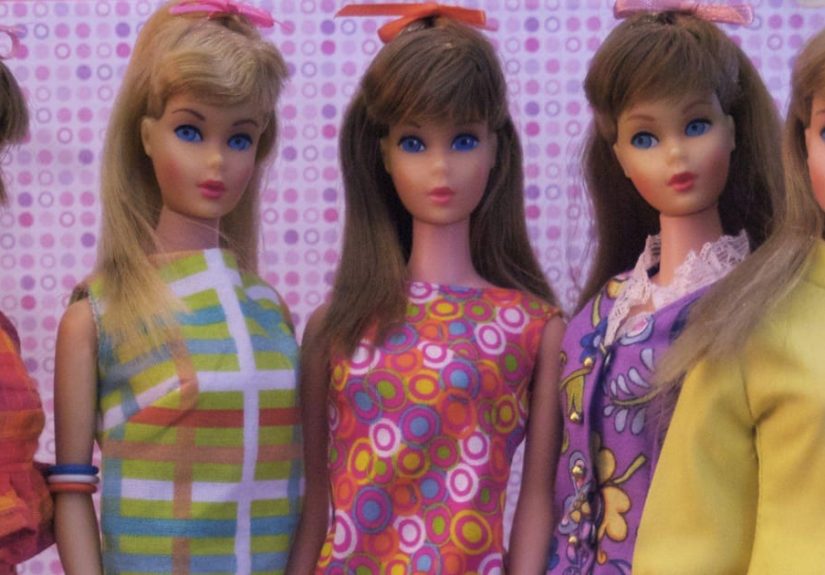
4) 1965 American Girl Barbie (the side-part, swingy hair era)
“American Girl” Barbies mark a famous mid-’60s look. They’re collectible because of the era and styling, and they can be especially valuable in
excellent condition with original fashion and accessories. Watch for hair condition and face paintthose are the first things time tends to mess with.
Typical value range: $300–$3,000+ (top condition, rare color, boxed, and complete can climb)
5) 1966–1967 Color Magic Barbie (dramatic color-change hair gimmick)
Gimmicks can be gold in collectiblesespecially when the gimmick is iconic. Color Magic Barbies are desirable because they represent peak mid-century
Barbie innovation. Condition matters even more here because chemical color-change features and hair can degrade over time.
Typical value range: $300–$2,500+
6) Vintage Barbie friends and family from the early years (especially in excellent condition)
It’s not just Barbie. Early companionslike vintage Skipper, Ken, and friends from the early 1960scan also be valuable, especially if they’re
complete, boxed, or paired with rare outfits. Sometimes the outfit is worth more than the doll wearing it (Barbie fashion collectors are intense,
and I mean that respectfully).
Typical value range: $200–$2,000+ (higher for rare boxed examples and scarce fashions)
High-Value Collector Barbies (Limited Editions, Designers, and Jewels)
Vintage isn’t the only lane. Some collector editions are valuable because they were expensive from day one, made in limited numbers, or tied to notable
designers and jewelry. These are often the dolls you’ll see in “most expensive Barbie” listsand for once, the internet is not exaggerating (well…
not always).
7) Barbie by Stefano Canturi (the record-setting auction Barbie)
This is the headline-grabber: a one-of-a-kind Barbie designed with high jewelry that sold at a major auction for $302,500.
It’s not the kind of doll most people casually find in a closetbut it’s a useful benchmark for how far the Barbie collector market can go
when rarity, luxury materials, and story all collide.
Notable sale: $302,500 (one-of-one auction result)
8) De Beers 40th Anniversary Barbie (diamond-studded collector edition)
Created to celebrate Barbie’s 40th anniversary, this special edition is famous for its diamond details (including a diamond-studded belt)
and its premium, luxury positioning. It’s another example of “this was never meant to be a normal toy.” These are rare, and they surface infrequently.
Typical value reference: Often cited around $85,000 for top examples; market depends heavily on provenance and condition
9) Bob Mackie Designer Barbies (high-fashion collectible line)
Bob Mackie collector Barbies are known for theatrical, show-stopping designsbig silhouettes, beadwork, and “I am here to be perceived” energy.
Some examples trade modestly, while others do much better depending on edition, condition, and whether the doll is complete with original packaging
and shipper boxes.
Typical value range: $150–$1,500+ (select editions can go higher in mint, complete condition)
10) Pink Splendor Barbie (1997, limited production)
Pink Splendor is a well-known collector doll from the 1990s, often discussed because production was limited and the presentation is peak “collector Barbie”:
an elaborate gown, premium styling, and display-ready packaging. Values vary a lot based on whether she’s never removed from the box and whether the
box is clean and crisp (box wear can matter more than you think).
Typical value range: $200–$1,200+ (mint/NRFB and pristine packaging can command more)
11) Other premium “jewelry” or couture-style collector Barbies
A number of special-edition Barbies have been created with luxury jewelry themes or designer styling. Some are truly rare and expensive; others are
“high retail, lower resale.” The key is to check what actually sold recently in comparable condition, not what someone hopes to get.
Typical value range: $100–$5,000+ depending on edition and demand
How to Tell If Your Barbie Might Be Valuable (Quick Checklist)
Step 1: Identify the doll (don’t guessverify)
Start with markings (often on the lower back), face style, and hair. Early Barbies have telltale traits:
eyebrow shape, iris color, eyeliner style, and specific body construction details. If you suspect an early Ponytail Barbie,
take clear photos of the face, back markings, feet, and overall body.
Step 2: Check originality
Original hair styling and factory face paint matter. Repainted faces, rerooted hair, and heavy restoration typically lower value for most collectors.
(There are restoration collectors toobut that’s a different market.)
Step 3: Confirm the outfit and accessories
Vintage Barbie fashions can be extremely valuable, and mismatched outfits are common. If the doll’s outfit looks “too perfect” or “too random,”
it might be a later replacement. Shoes, earrings, purses, and stands can mattertiny pieces can mean big dollars.
Step 4: Evaluate condition like a collector would
- Face paint: Is it crisp or rubbed?
- Hair: Is it full, smooth, and uncut?
- Body: Are limbs tight? Any cracks or stains?
- Green ear: Any green discoloration near earrings?
- Smell and storage: Musty odor can reduce desirability and signal damage.
- Box: Is it clean, sturdy, and uncrushed?
How (and Where) People Sell Valuable Barbies
Selling strategy depends on what you have. A rare early vintage Barbie in great condition isn’t the same kind of sale as a popular 1990s collector edition.
Match the venue to the doll.
1) Specialty doll dealers and vintage toy shops
Pros: expertise and convenience. Cons: you’re paying for that expertise through lower offers than top-dollar private sales.
2) Online marketplaces
Great for broad reach, but you need strong photos, honest condition descriptions, and patience. Always compare with recent sold listings (not asking prices).
3) Auction houses (for truly high-end pieces)
If you have something exceptionalrare, documented, and high-valuean auction house can put it in front of serious collectors.
Provenance (documentation) matters a lot here.
Common Mistakes That Can Kill Value (Please Don’t Do These)
Cleaning with harsh chemicals
Scrubbing a vintage doll like it’s a dirty sneaker can remove face paint and permanently reduce value. If you must clean, use gentle methods and test carefully.
Throwing away boxes and “boring” accessories
The tiny stand you think is useless? The miniature booklet? The shoes that look like they belong to a different doll? Don’t toss anything until you identify it.
Assuming “old” automatically means “rare”
Some older dolls are common. Some newer dolls are scarce. Value comes from demand + scarcity + condition, not just age.
So… Are Rare Barbies Still Worth Money in 2025?
Yesbut in a realistic way. The biggest money is still concentrated in:
early vintage (1959–mid 1960s), pristine condition, correct outfits, and exceptional collector editions.
If your Barbie checks those boxes, it may be worth getting an appraisal or doing deeper research.
And even if you don’t have a five-figure doll, you might still have a collection with meaningful valueespecially if it’s well-kept, complete,
and includes collector-edition pieces that are popular with today’s buyers.
Collector Experiences: What It’s Really Like Hunting Rare Barbies (and What People Learn the Hard Way)
Since Barbie collecting is part research project and part treasure hunt, the “experience” side of this hobby can be just as memorable as the price tags.
Here are a few common collector experiences people shareuse them as entertainment and as cautionary tales.
The “Wait… That’s Not Just Any Barbie” Moment
A classic story starts with someone digging through a family storage bin, expecting to find random toys, and spotting a face that looks different:
sharp eyebrows, an older-style gaze, maybe a ponytail that’s somehow survived decades. That’s the moment collectors describe as an adrenaline spike,
because early Barbie faces and markings can be distinctive once you’ve seen enough of them. The next phase is usually a flurry of photos taken under
the brightest lamp in the house, followed by frantic comparisons to identification guides.
The “Accessories Are the Secret Sauce” Lesson
New collectors often focus on the doll alone. Veteran collectors obsess over the tiny pieces. People frequently talk about the time they nearly sold
a vintage Barbie cheaplyuntil they found the correct original shoes, stand, or little booklet at the bottom of the box. Suddenly the listing changes
from “old Barbie doll” to “complete vintage set,” and that can meaningfully change the interest from serious buyers.
In Barbie collecting, the miniature accessories can be the difference between “cute find” and “wow, that’s legit.”
The “Box Regret” (Also Known as Cardboard Karma)
Plenty of people admit they threw away boxes when they were youngerbecause who keeps boxes, right?only to discover later that “NRFB” (never removed from box)
status and clean packaging can be a huge value factor for collector editions. If you still have original packaging, especially if it’s crisp and not sun-faded,
collectors will care. The box isn’t just packaging; it’s proof of condition and authenticity, and it helps a buyer feel confident.
The “Restoration vs. Preservation” Debate
Another common experience: someone finds a vintage Barbie with messy hair and thinks, “I’ll fix her up!” They wash the hair, brush it aggressively,
maybe repaint the lips, and suddenly the doll looks “new”but collectors may value it less because it’s no longer original.
Many collectors learn that gentle preservation often beats heavy restoration when resale value matters.
The best approach is usually: identify first, then decide what (if anything) to do.
The “Pricing Reality Check”
People also talk about the emotional roller coaster of pricing. They see a headline like “Barbie sells for $302,500” and assume any vintage Barbie is a jackpot.
Then they look up sold prices and realize the market is more nuanced. A rare early Ponytail Barbie in great condition can be worth thousandsbut a later,
common doll with missing clothing might be worth much less. This is where collectors become detectives: they compare recent sold listings, learn condition
vocabulary, and start noticing how small details (hair cut? rubs? correct outfit?) move the needle.
The “Community Makes It Fun” Part
The nicest collecting stories aren’t always about money. They’re about learning the history, meeting other collectors, trading knowledge,
and enjoying the design evolution across decades. A lot of collectors describe the hobby like a mix of fashion history and pop culture archaeology.
Even when a doll isn’t worth a fortune, figuring out what it is, when it was made, and how it fits into Barbie’s timeline can be genuinely satisfying.
And yes, sometimes the best “value” is realizing you still have something that makes you smilewhile also being smart enough to store it safely.
If you’re new to this, the most practical takeaway from collector experiences is simple:
slow down. Take photos, research before cleaning, keep every accessory, and price based on real sold results.
That’s how people avoid the biggest regretsand how the lucky closet finds turn into the best kind of surprise.
Conclusion
Rare Barbies can be worth serious money now, but the real magic is in the details: the era, the version, the condition, and whether the doll is complete.
If you suspect you have an early Ponytail Barbie, a pristine mid-’60s favorite, or a true collector edition with strong demand, it’s worth doing a careful
identification and value check before you sell. And if it turns out your Barbie isn’t a four-figure collectible? Congratulationsyou still own a cultural icon.
That’s not a bad outcome for something that once rode around in a toy convertible.