Table of Contents >> Show >> Hide
- What Is a Rattan Screen Room Divider?
- Why Homeowners Love a Rattan Screen Room Divider
- How to Choose the Right Rattan Screen Room Divider
- Best Places to Use a Rattan Screen Room Divider
- How to Style a Rattan Screen Room Divider
- How to Clean and Care for a Rattan Divider
- Mistakes to Avoid Before Buying One
- Real-Life Experiences With a Rattan Screen Room Divider
- Conclusion
A rattan screen room divider is one of those rare home pieces that can solve a problem and make a room look more expensive at the same time. Need a little privacy in a studio apartment? Want to hide the exercise bike that has become your uninvited interior designer? Hoping to carve out a work-from-home corner without building an actual wall? Enter the rattan divider, stage left, looking breezy and unbothered.
Unlike bulky partitions that can make a room feel boxed in, a rattan screen room divider brings in texture, warmth, and a light-filtering effect that helps spaces feel separated without feeling closed off. It is practical, but it also has personality. It can lean coastal, bohemian, tropical, vintage, modern organic, or even minimalist if styled with enough restraint. In other words, it is the decorative equivalent of someone who can wear flip-flops to brunch and still look polished.
In this guide, we will break down what a rattan screen room divider is, why it works so well in American homes, how to choose the right one, how to style it, how to clean it, and what mistakes to avoid before bringing one home. If you are shopping for a divider or simply wondering whether this natural-material beauty is worth the floor space, pull up a chair. Preferably not one covered in unfolded laundry.
What Is a Rattan Screen Room Divider?
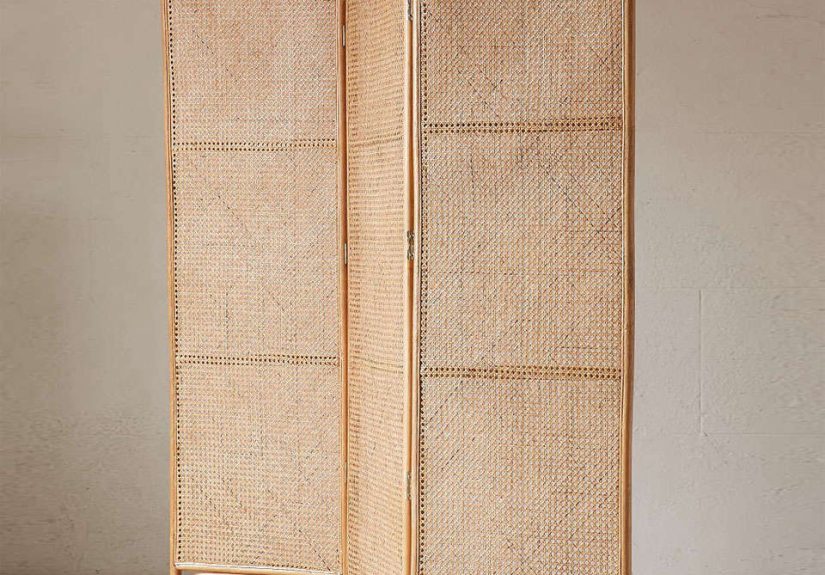
A rattan screen room divider is a freestanding partition made with a frame and woven or caned rattan panels. Most are designed as folding screens with three or four hinged panels, which means they can stand in a zigzag shape, fold flat for storage, and move around without requiring installation. That flexibility is a big reason they remain popular in apartments, bedrooms, home offices, and multipurpose living spaces.
Rattan itself is a natural material derived from a vine-like palm. It is often confused with wicker, but they are not the same thing. Rattan is the material; wicker is the weaving method. That distinction matters because many people shop for “wicker dividers” when they actually want a divider made from natural rattan or rattan cane. A true rattan screen room divider tends to have a warm, earthy look with woven detail that adds softness and visual interest.
The appeal is not just visual. Rattan is relatively lightweight compared with many wood partitions, so a divider is easier to move when you want to shift the layout of a room. It also allows some airflow and light to pass through, especially when the weave is open. That makes it a smart choice for anyone who wants boundaries without creating a cave.
Why Homeowners Love a Rattan Screen Room Divider
It Creates Privacy Without Feeling Heavy
One of the biggest selling points of a rattan screen room divider is that it gives you a sense of separation without making a room feel smaller. Solid dividers can block sightlines and steal light. Rattan, especially woven or caned styles, offers a softer boundary. You get a visual break between zones, but the room still breathes.
That makes it especially useful in studio apartments, open-concept homes, shared bedrooms, and combined living-and-office spaces. You can separate a sleeping area from a sitting area, divide a desk from a couch, or create a changing corner in a bedroom without remodeling. It is zoning without the drama.
It Adds Texture Fast
Interior design lives and dies by texture. A room with only flat surfaces can feel dull, even when the furniture is expensive. Rattan solves that problem quickly. The woven pattern, natural tone, and handmade look add depth to a space that might otherwise feel too polished or too plain.
This is why a rattan room divider works so well in neutral interiors. If your room is full of white walls, beige upholstery, oak floors, and linen curtains, a divider adds pattern without introducing visual chaos. It keeps the palette calm while stopping the room from looking like it was assembled entirely by a committee devoted to oatmeal.
It Plays Well With Many Styles
The phrase “goes with everything” gets thrown around too often, but rattan comes close. In a coastal room, it feels airy and relaxed. In a boho space, it feels right at home next to layered textiles and plants. In a modern organic interior, it adds warmth that balances stone, plaster, and clean-lined furniture. In vintage-inspired rooms, it nods to old-school folding screens and mid-century caning.
That versatility gives a rattan screen room divider lasting power. You can change rugs, art, paint colors, and throw pillows later without making the divider look out of place. Which is nice, because your throw pillow phase may evolve faster than your furniture budget.
How to Choose the Right Rattan Screen Room Divider
Start With the Size
Before falling in love with a pretty weave pattern, measure your space. Room dividers vary in height and width, but many consumer-friendly folding models land in the neighborhood of about 59 to 72 inches tall. That is enough to create privacy while still keeping the piece manageable in most rooms.
Think about the job you want the divider to do. If you need a soft visual separation between a dining area and living room, a medium-height divider may be plenty. If you want to block a sleeping space or create a dressing corner, you may prefer something taller. Width matters too. A three-panel screen is easier to move and tuck away, while a four-panel design covers more ground.
Consider the Weave Density
Not all rattan dividers provide the same amount of privacy. Some have an airy, open weave that acts more like a visual suggestion than a shield. Others have tighter panels that offer more coverage. Neither is automatically better; it depends on your goal.
If you want light to pass through and the divider to feel decorative first, go with a looser weave. If you are trying to disguise storage bins, a changing area, or a clutter-prone corner, look for denser caning or layered woven sections. A divider should match your privacy needs, not just your Pinterest board.
Check the Frame and Hinges
Natural materials are charming, but construction still matters. A beautiful rattan screen room divider can become frustrating if it wobbles like a baby deer on hardwood floors. Look for sturdy frames, smooth hinges, and a shape that stands securely when opened. If you are buying online, pay attention to whether the product arrives assembled or requires any setup.
It is also smart to think about who or what will interact with the divider every day. Kids, pets, and enthusiastic vacuum cleaners have a way of testing furniture durability. A divider in a low-traffic reading nook can be more delicate than one living beside a busy hallway.
Pick a Tone That Works With Your Room
Natural honey and light brown tones are common, but you can also find rattan dividers in black, white, or mixed-material designs. Lighter tones usually feel relaxed and casual. Darker finishes can make the divider read more dramatic and architectural. Black-framed rattan screens, for example, are great when you want organic texture with a more modern edge.
If you are unsure, choose a finish that echoes another element in the room. Match the wood tone to a side table, mirror frame, or bed frame. That simple repetition helps the divider look intentional rather than randomly adopted.
Best Places to Use a Rattan Screen Room Divider
In a Studio Apartment
Small spaces are where this piece really earns its keep. A rattan divider can separate the bed from the sofa, create an entry moment near the front door, or carve out a mini office without making the whole apartment feel chopped up. Because it folds and moves easily, it is renter-friendly and commitment-light.
In a Bedroom
Bedrooms benefit from dividers more than people realize. Use one to create a dressing corner, hide a clothing rack, soften the look of a work desk, or frame an empty corner so it feels styled instead of forgotten. It can also work as a decorative backdrop behind a bench or accent chair.
In a Living Room
If your living room is part office, part playroom, part yoga studio, and part place where chargers go to die, a divider can restore some order. It helps create distinct zones for different functions without permanent changes. Open-concept spaces often need more visual structure, and a screen offers that in a flexible way.
In an Entryway or Hallway
A divider can define an entry in a home where the front door opens directly into the living area. It also works in oversized hallways or pass-through spaces that feel awkwardly empty. Lean into its sculptural qualities by placing a lamp, basket, or plant nearby and turning the divider into part of a styled vignette.
How to Style a Rattan Screen Room Divider
Styling this piece is less about decorating the divider itself and more about using it to support the room around it. First, give it a little breathing room. Pushing it too tightly against other furniture can make it disappear. Let the shape and texture be seen.
Second, balance it with other natural materials. Linen curtains, jute rugs, wood side tables, ceramic lamps, and leafy plants all pair beautifully with rattan. That does not mean you need to turn your home into a tropical resort gift shop. One or two complementary textures are enough.
Third, use lighting to your advantage. Rattan looks especially good when natural light hits the weave and creates subtle shadows. Place it near a window, beside a floor lamp, or where it can cast a little texture into the room. Suddenly your divider is not just furniture; it is mood lighting in disguise.
You can also customize the look. Drape a lightweight throw over one corner, place a bench in front of it, or use it as a backdrop for a reading nook. Some people even weave fabric, ribbon, or decorative cords through more open designs for extra privacy and personality. Just do not overdo it. The whole point is relaxed texture, not arts-and-crafts panic.
How to Clean and Care for a Rattan Divider
Dust It Gently and Regularly
The woven beauty of rattan is also what makes it a magnet for dust. Regular light cleaning helps prevent buildup in the crevices. A soft brush attachment on a vacuum, a microfiber duster, or a dry soft-bristle brush works well for routine maintenance.
Use Mild Soap Sparingly
For deeper cleaning, use a soft cloth or brush with a mild soap-and-water solution. Do not soak the material. Natural woven furniture does not love sitting wet, and too much moisture can weaken fibers over time. After cleaning, let the divider dry thoroughly before folding or placing it back against a wall.
Protect It From Too Much Sun and Moisture
Natural rattan is best suited for indoor use unless the product is specifically designed for outdoor conditions. Too much humidity, rain, or harsh direct sunlight can wear it down faster. Even indoors, it is smart to avoid placing it where it will get blasted with intense sun every afternoon. A little sun-kissed charm is lovely; slow baking is not.
If your divider lives in a humid environment, good airflow matters. Avoid wedging it in damp corners or right next to sources of moisture. A little care goes a long way in keeping the weave looking crisp and the frame stable.
Mistakes to Avoid Before Buying One
Mistake one: choosing only by looks. A divider can be gorgeous and still wrong for your room if it is too short, too flimsy, or too open to provide the privacy you need.
Mistake two: ignoring how it folds. Some screens fold both directions, while others are more limited. That affects how easy they are to position and store.
Mistake three: using natural rattan as if it were indestructible patio furniture. It is durable, yes, but it is not invincible. Treat it like a natural-material piece, not a plastic superhero.
Mistake four: overloading the room with too many woven textures. Rattan is beautiful, but a divider, two baskets, three pendant lights, four cane chairs, and a wicker cart can tip a room from “collected” to “why is my living room dressed as a beach café?”
Real-Life Experiences With a Rattan Screen Room Divider
Living with a rattan screen room divider feels different from living with most furniture because it changes how a room behaves. A sofa stays a sofa. A console table stays a console table. But a divider is constantly negotiating space. It steps in when you need privacy, steps back when you want openness, and somehow makes you feel like you have your life together even when one side of the screen is hiding evidence to the contrary.
One of the most common experiences people have with a rattan divider is discovering that it solves more than the problem they bought it for. Maybe it started as a way to separate a bed from the rest of a studio apartment. Then it became a Zoom-call background that looked charming instead of chaotic. Later, it moved to the bedroom to hide a laundry basket mountain. After that, it spent the holidays making a guest corner feel intentional. It is the kind of piece that gets promoted often.
Another real-life benefit is the emotional effect. Hard partitions can feel strict. Curtains can feel temporary. But rattan has warmth. The natural texture softens a room and makes a space feel designed rather than divided. That matters more than people expect. When a home office corner feels attractive, it is easier to sit down and work. When a dressing area feels tucked away, the bedroom feels calmer. Even the act of creating zones can make a home feel more organized, whether or not your junk drawer agrees.
There is also a practical joy in how easy these screens are to move. You do not need tools, drywall dust, or a contractor named Steve. You just lift, angle, and reposition. For renters, frequent redecorators, or anyone whose floor plan seems to change with the seasons, that flexibility is gold. Today it is dividing the living room. Tomorrow it is screening off the treadmill you swore you would use every morning. No judgment. The divider has seen things.
Of course, daily life also teaches a few lessons. Pets may find the weave fascinating. Children may treat the panels like a stage entrance. Dust will absolutely settle into the woven details if you ignore it long enough. And if you buy an ultra-light divider for a high-traffic area, someone will eventually bump it with dramatic timing. But these are manageable quirks, not deal-breakers. Most owners simply learn to place the divider where it can shine without taking too many hits from busy household traffic.
The best experience, though, is aesthetic. Rattan changes the atmosphere of a room without shouting. It adds texture when walls feel flat. It creates coziness without darkening the space. It works in all four seasons. In summer, it feels breezy and relaxed. In fall, it pairs beautifully with warm woods and chunky textiles. In winter, it softens rooms that might otherwise feel stark. In spring, it looks right at home beside fresh greenery and lighter fabrics.
That year-round versatility is why so many people keep a rattan screen room divider long after their original need changes. Even when privacy is no longer the main goal, the divider sticks around because it still adds beauty, shape, and movement to the room. It becomes part functional object, part sculpture, part dependable cover-up artist for whatever domestic nonsense is happening behind it.
In the end, real-life experience with a rattan screen room divider usually comes down to one simple reaction: “Why didn’t I get this sooner?” It is not flashy in a try-hard way. It does not demand renovation-level commitment. It simply makes rooms work better and look better with very little fuss. And honestly, furniture that can do both deserves at least a small round of applause.
Conclusion
A rattan screen room divider is more than a decorative accent. It is a flexible, stylish, light-filtering solution for modern living. It helps define space, adds natural texture, and brings warmth to interiors that need a little softness and structure. Whether you live in a tiny studio, a busy family home, or a rental where permanent changes are not an option, this type of divider can work hard without looking overly practical.
The best one for you depends on your space, your privacy needs, and your style. Choose the right size, check the weave and stability, keep the material clean and dry, and let it support the room rather than dominate it. Done well, a rattan divider can make your home feel calmer, more layered, and a little more intentional. Not bad for something that basically stands there looking pretty and minding its own business.