Table of Contents >> Show >> Hide
- Quick navigation
- What is red yeast rice?
- How it works (and why it’s basically a “natural statin”)
- Benefits: what red yeast rice may help with
- What the evidence says (and what it doesn’t)
- Side effects and safety risks
- Who should avoid red yeast rice (or use only with medical supervision)
- Dosage: how much red yeast rice is “typical” in studies?
- How to choose a safer product (if you’re going to use it)
- How to talk to your clinician (without getting “the supplement lecture”)
- Real-world experiences with red yeast rice (extra section)
- The “It worked… I think?” experience
- The “My stomach is writing complaint letters” experience
- The “Why do my muscles feel weird?” experience
- The “I didn’t feel anything… and nothing changed” experience
- The “I want natural, but I also want predictable” dilemma
- The “How do I do this responsibly?” experience
- Bottom line
Red yeast rice is the “fungus among us” of cholesterol supplements: it looks like a natural food-based option,
it’s been used for centuries, and it’s marketed like a gentle alternative to statins. And then you learn the plot twist:
the key cholesterol-lowering compound in many red yeast rice products is chemically identical to a prescription statin.
Surprise! (Your liver: “Wait, what?”)
If you’re considering red yeast rice to help manage cholesterolor you’re already taking itthis guide breaks down what it is,
what the research actually says, the real-world safety concerns, and how to think about dosage when labels don’t always tell you
what matters most.
What is red yeast rice?
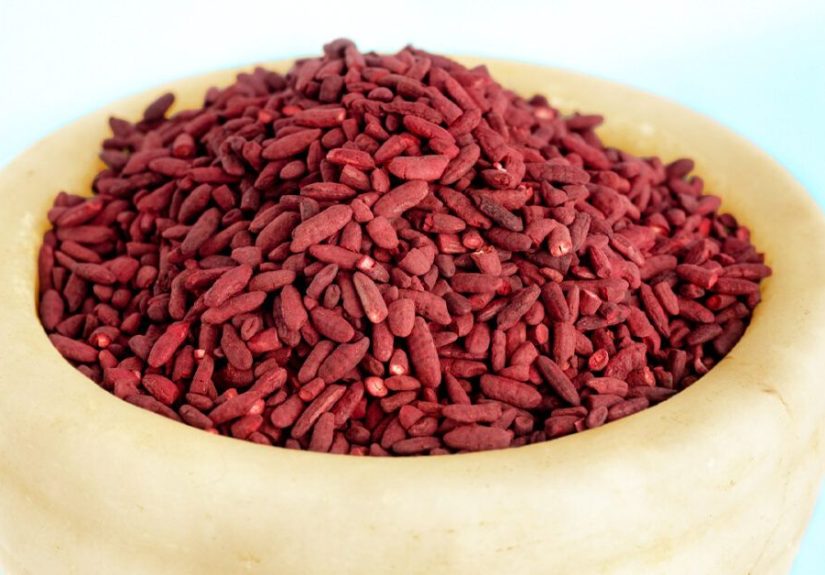
Red yeast rice is rice fermented with a fungusmost commonly Monascus purpureus.
It’s used as a food ingredient and coloring in some cuisines, and it’s also sold in the U.S. as a dietary supplement,
often promoted for “cholesterol support.”
During fermentation, the fungus can produce a family of compounds called monacolins.
One monacolin in particularmonacolin Kis the celebrity here, because it is structurally identical
to the prescription statin lovastatin.
How it works (and why it’s basically a “natural statin”)
The statin connection: monacolin K
Lovastatin (and monacolin K) lowers cholesterol by inhibiting an enzyme in the liver called
HMG-CoA reductase. That enzyme is part of your body’s cholesterol manufacturing line.
Block it, and LDL cholesterol often drops.
The awkward U.S. supplement problem: potency is a mystery
Here’s where red yeast rice gets complicated: the amount of monacolin K in supplements can vary dramatically.
Some products contain very littleor nonewhile others can contain amounts closer to a low-dose statin.
And labels usually do not list monacolin K content.
That creates a strange scenario: you may be taking a “natural supplement” that either
(a) does almost nothing for LDL, or (b) behaves like a statin with similar risks,
without the consistent dosing and oversight you’d get with a prescription.
FDA reality check
In the U.S., the FDA has taken the position that red yeast rice products with enhanced or added lovastatin
(which is identical to monacolin K) cannot be marketed as dietary supplements. The agency has also issued actions and
communications related to red yeast rice ingredients and has warned consumers about specific products found to contain
hidden drug ingredients.
Benefits: what red yeast rice may help with
1) Lowering LDL (“bad”) cholesterol
The strongest evidence for red yeast rice is its ability to lower LDL cholesterolwhen it contains a meaningful
amount of monacolin K. Reviews and clinical trials generally show LDL reductions that can resemble those of
low-dose, first-generation statins in people with mild-to-moderate elevated cholesterol.
Practical example: If someone has an LDL of 160 mg/dL, a reduction of 15–25% might bring it down into
the 120–135 mg/dL range. That’s not magicit’s mathand it may be clinically meaningful depending on a person’s overall risk.
But the “depending” part is the whole point: cholesterol goals should match your cardiovascular risk profile.
2) Possible improvements in other metabolic markers
Some studies and reviews suggest red yeast rice preparations may also help with related markers like triglycerides,
blood glucose, or blood pressure in certain populationsespecially in people with metabolic syndrome.
The key caveat remains: effects depend heavily on what’s actually in the product.
3) A potential option for some statin-intolerant patientssometimes
Some people who experience muscle symptoms on prescription statins look to red yeast rice as a workaround.
However, because monacolin K is statin-equivalent chemistry, red yeast rice may trigger similar side effects in sensitive individuals.
It’s not a guaranteed “gentler” optionmore like a different wrapper on a similar gift.
What the evidence says (and what it doesn’t)
What we can say with confidence
- Red yeast rice with significant monacolin K can lower LDL. Multiple studies and reviews support this.
-
Commercial supplements vary widely. Studies examining U.S. retail products found large differences in monacolin K content,
and consumers generally can’t tell the difference from the label alone. - Side effects can mirror statins. That includes muscle symptoms and the potential for liver or kidney issues in rare cases.
Where the uncertainty lives (rent-free)
-
Long-term outcomes in typical U.S. supplement users are hard to pin down.
Many outcome studies use standardized preparations not equivalent to random store-bought products. - Safety is not uniform. Variation in active ingredients plus contamination concerns mean “red yeast rice” is not one consistent thing.
-
Not a replacement for guideline-based care. If your cardiovascular risk is high, the evidence base for prescription therapies
(statins, ezetimibe, PCSK9 inhibitors, etc.) is much stronger and dosing is predictable.
Side effects and safety risks
Common (usually mild) side effects
Reported mild side effects may include stomach upset, heartburn, gas, headache, and dizziness. These are annoyingbut not usually dangerous.
The bigger concerns are the statin-like adverse effects.
Statin-like risks (the ones you shouldn’t ignore)
- Muscle pain or weakness (myalgia), especially with higher exposures
- Rare severe muscle injury (rhabdomyolysis), which can damage kidneys
- Liver injury (elevated liver enzymes or hepatitis-like reactions)
- Kidney concerns, particularly if severe muscle breakdown occurs
Contamination risk: citrinin
Some red yeast rice products have been found to contain citrinin, a toxin that can harm kidneys.
The uncomfortable part: products labeled “citrinin-free” have still tested contaminated in some analyses.
This is why third-party testing matters so much (more on that below).
Interactions: the “don’t mix this with…” list
If your red yeast rice product contains meaningful monacolin K, treat it like a statin from an interaction standpoint.
The risk isn’t theoreticalinteractions can raise statin exposure and increase side effects.
- Other statins: combining can increase muscle/liver risk.
- Grapefruit: can increase statin-like side effects in some cases.
- CYP3A4 inhibitors (some antibiotics and antifungals): may raise exposure and side effects.
- Fibrates (e.g., gemfibrozil) and high-dose niacin: can increase muscle risk.
- Cyclosporine: can raise muscle-related risks.
- Alcohol: may increase liver risk.
- Warfarin and other anticoagulants: discuss with your clinicianinteraction risk is possible depending on product composition.
Who should avoid red yeast rice (or use only with medical supervision)
If any of these apply to you, don’t “wing it” with red yeast ricetalk to a clinician first:
- Pregnant, trying to become pregnant, or breastfeeding
- History of liver disease or unexplained elevated liver enzymes
- History of muscle disorders or prior statin-associated severe muscle symptoms
- Kidney disease or high risk for kidney injury
- Heavy alcohol use
- Taking interacting medications (statins, certain antibiotics/antifungals, cyclosporine, fibrates, anticoagulants, etc.)
Also consider the bigger picture: if you have established cardiovascular disease, diabetes, familial hypercholesterolemia,
or a high 10-year ASCVD risk, supplement roulette is rarely the best plan.
Dosage: how much red yeast rice is “typical” in studies?
Dosage is the trickiest part of this topic, because the amount that matters most is often
monacolin K, not simply the number of milligrams of “red yeast rice” printed on the bottle.
Still, here’s how dosage is commonly discussed in clinical research and clinical counseling.
Common study ranges (ballpark)
- Red yeast rice extract: often around 1,200 to 2,400 mg per day, sometimes split into two doses.
-
Monacolin K target in research: frequently around 3 to 10 mg per day of monacolin K (or monacolin-equivalent),
depending on the preparation and study design.
Important: because many U.S. supplements don’t disclose monacolin K content, matching “study-like” dosing is difficult.
Two bottles both labeled “1,200 mg” can behave like two completely different substances.
If you and your clinician decide to try it
A typical, cautious approach (under medical supervision) may include:
- Start low and assess tolerance (especially muscle symptoms, GI side effects).
- Check baseline labs when appropriate (lipid panel; sometimes liver enzymes).
- Recheck LDL after ~6–8 weeks (a common window used in studies for LDL change).
-
Stop and reassess immediately if you develop severe muscle pain, dark urine, significant fatigue,
jaundice, or other concerning symptoms.
The honest truth: if you want predictable dosing, prescription therapy is the predictable option.
Red yeast rice is better described as “sometimes effective, sometimes a mystery, occasionally both at once.”
How to choose a safer product (if you’re going to use it)
You can’t make supplements perfect, but you can reduce avoidable risk.
If you’re set on using red yeast rice, look for these quality signals:
1) Third-party testing
Prefer products tested by reputable independent organizations (examples include USP verification or NSF certification).
Third-party testing can help confirm identity and screen for contaminantsthough it still can’t guarantee clinical effectiveness.
2) Contaminant awareness (citrinin)
Look for evidence of testing for citrinin. Be cautious with vague “clean” marketing without documentation.
3) Avoid “extra-strong” miracle claims
Products making aggressive, drug-like promises may be more likely to be problematic. In the supplement world,
louder marketing sometimes correlates with bigger regulatory headaches.
4) Don’t stack it with statins (or other risky combos)
Combining red yeast rice with statins, fibrates, certain antifungals/antibiotics, grapefruit products, or high-dose niacin
can increase risk. When in doubt, ask a pharmacistthis is exactly their kind of puzzle.
How to talk to your clinician (without getting “the supplement lecture”)
If you want a productive conversation, bring specifics and keep it practical:
- Bring the bottle (or photos of the label) so your clinician can evaluate ingredients and dosing claims.
- State your goal: “I’d like to lower LDL by X amount” or “I’m trying to avoid statin side effects.”
- Ask for a plan: “What labs should we check?” “When should we recheck my lipid panel?”
- Discuss alternatives: lifestyle changes, fiber/plant sterols, prescription options with stronger evidence, or statin dose adjustments.
Clinicians are generally less worried about you trying “one supplement” and more worried about
unmonitored statin-like exposure plus unknown contaminants. Give them a way to monitor and minimize risk.
Medical note: This article is educational and not a substitute for personal medical advice.
Real-world experiences with red yeast rice (extra section)
Let’s talk about what people commonly report when they try red yeast ricebecause the real world rarely behaves
like a perfectly standardized clinical trial.
The “It worked… I think?” experience
A frequent story goes like this: someone has borderline-high LDL, doesn’t love the idea of taking a prescription,
and tries red yeast rice alongside diet changes. Eight weeks later, their LDL is down. They credit the supplement.
Sometimes they’re rightespecially if the product contained a meaningful amount of monacolin K.
Other times the cholesterol improvement is driven mostly by the lifestyle upgrades (more fiber, less saturated fat,
weight loss, more movement). And occasionally it’s a mix of both.
This is why follow-up labs matter. If you don’t measure, you’re basically judging cholesterol by vibes.
(Cholesterol is famously unimpressed by vibes.)
The “My stomach is writing complaint letters” experience
Some users notice mild GI symptomsheartburn, bloating, or an upset stomachespecially early on.
People sometimes try taking it with food, splitting doses, or switching brands. The catch is that switching brands
can also change monacolin K exposure dramatically. So the symptom change might reflect tolerability…
or a totally different potency level.
The “Why do my muscles feel weird?” experience
Another common report is muscle aches or unusual fatiguesometimes in people who previously had similar issues with statins.
That makes sense biologically: monacolin K is lovastatin in disguise, and muscle symptoms are a known statin-class issue.
Some people stop the supplement and feel better; others continue and symptoms persist or worsen.
If muscle pain is significantespecially with weakness, dark urine, or severe fatiguethis is a “stop and call your clinician” situation.
The “I didn’t feel anything… and nothing changed” experience
Plenty of people report no side effectsand no meaningful lipid changes. This is often the red yeast rice version of
“the product had little to no monacolin K.” That’s not a moral failing; it’s a manufacturing variability problem.
It’s also why red yeast rice can be such a frustrating option for people who truly need LDL lowering.
The “I want natural, but I also want predictable” dilemma
This is the emotional core of the red yeast rice conversation. Many people like the idea of “natural.”
They also like the idea of “safe.” And they really like the idea of “effective.”
The problem is that with red yeast rice, you often can’t have all three at onceat least not reliably.
Prescription statins are predictable and well-studied (and monitored). Red yeast rice may feel more natural,
but it can be unpredictable. That unpredictability affects both benefits (will it lower LDL?) and risks (how statin-like is it today?).
The “How do I do this responsibly?” experience
The most responsible red yeast rice users tend to do a few practical things:
- They tell their clinician and pharmacist they’re taking it.
- They avoid stacking it with statins or known interaction-heavy meds without guidance.
- They choose products with credible third-party testing and contaminant screening.
- They check a lipid panel after about 6–8 weeks instead of assuming it works.
- They stop promptly if serious symptoms show up.
The takeaway from real-world experiences is simple: red yeast rice is not “just a supplement” in the casual sense.
In many cases, it behaves like a low-dose statinexcept you may not know the dose.
If you approach it like medication (monitoring, interaction awareness, quality checks), you reduce the chances of nasty surprises.
Bottom line
Red yeast rice can lower LDL cholesterol when it contains significant monacolin K.
But it comes with three big realities: (1) potency varies widely, (2) side effects can mirror statins,
and (3) contamination concerns (like citrinin) are a legitimate safety issue.
If you’re low-risk and exploring options, talk with a clinician and monitor your labs. If you’re higher-risk,
don’t gamble with your arterieslean on therapies with predictable dosing and strong outcome data.
Think of red yeast rice like a “DIY statin kit.” Some kits work. Some are missing parts.
And some come with bonus pieces you absolutely didn’t ask for. Choose accordingly.