Table of Contents >> Show >> Hide
- What Is the Reencle Home Composter?
- How Reencle Works (And Why It’s Not Just a Fancy Blender)
- Setup: Getting Started Without Overthinking It
- Key Features That Matter in Real Kitchens
- What You Can Compost (And What You Should Keep Out)
- What Comes Out: Compost, Soil Amendment, or “Garden Gold Lite”?
- Maintenance: Low Effort, Not Zero Effort
- Reencle vs. Other Indoor Composters: The Practical Differences
- Who Should Buy a Reencle Home Composter?
- Tips for Better Results (Less Guessing, More Gardening)
- Conclusion: Is Reencle Worth It?
- Real-Life Experiences With the Reencle Home Composter (Approx. )
If your kitchen trash can has ever smelled like a sad science project (banana peels + chicken scraps + “I’ll take it out later”
optimism), you already understand why indoor composting is having a moment. The problem is that traditional composting can feel
like adopting a new hobby: you need space, time, a bit of patience, and the willingness to occasionally argue with fruit flies.
That’s where the Reencle Home Composter steps inlike a tiny, quiet roommate whose only job is to eat your food
scraps and turn them into something your plants will brag about.
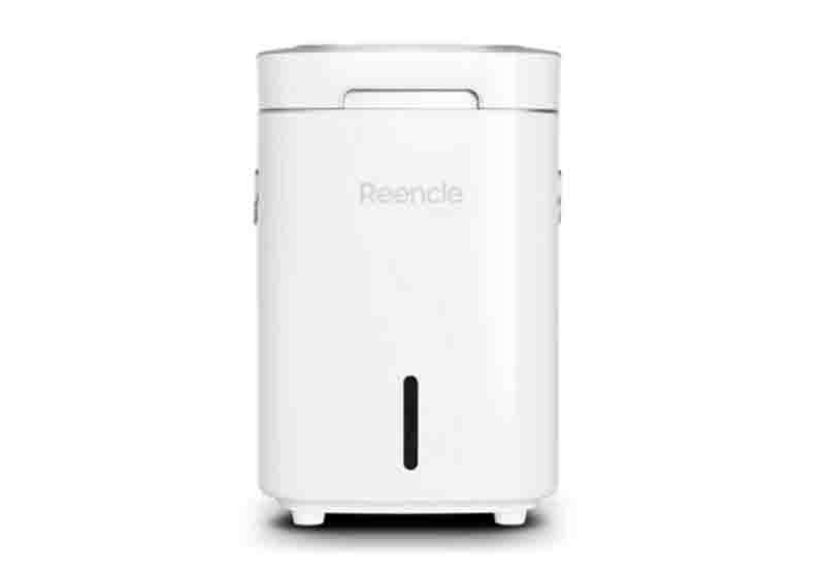
Reencle is an electric kitchen composter designed for odor-controlled indoor composting. Unlike
many countertop “composters” that primarily dry and grind scraps into a dehydrated mix, Reencle is built around a
microbe-based composting system that aims to mimic real aerobic decompositionjust faster, cleaner, and
dramatically more kitchen-friendly. In this guide, we’ll break down how it works, what it’s like to live with, and how to get
the best results (without turning your home into Compost Camp).
What Is the Reencle Home Composter?
The Reencle Home Composter is an always-on indoor composting appliance that uses beneficial microorganisms,
controlled heat, and continuous mixing to break down food waste. You add scraps as you cook and eat, and the machine keeps
working in the background. When the bin is “full,” you scoop out the finished material and use it as a soil amendment or
compost after a short curing period, depending on your gardening goals.
Reencle Prime vs. Reencle Gravity (Quick Overview)
Reencle commonly appears in two household-friendly models:
-
Reencle Prime: A smaller-capacity home unit (often listed around 14 liters) built for
everyday kitchens and small-to-medium households. -
Reencle Gravity: A larger-capacity option (often listed around 22 liters) designed for
higher daily input and bigger households, with quieter operation reported in some reviews.
Both versions focus on real microbial decomposition, low odor, and
hands-off daily usebut your best pick depends on your space and how much food waste you generate.
How Reencle Works (And Why It’s Not Just a Fancy Blender)
Reencle’s core idea is simple: create the “perfect little environment” for helpful microbes to do what microbes do bestbreak
things down. To keep those microorganisms active and efficient, Reencle combines three main elements:
1) Microbes That Do the Heavy Lifting
Reencle uses a compost starter (often branded as ReencleMicrobe™) to seed the chamber with microorganisms that digest organic
matter. This is a big reason Reencle is frequently described as producing “real compost,” rather than just dried food dust.
Think of it like sourdough starter, except instead of bread, you get plant food. (Also: it doesn’t judge your baking skills.)
2) Continuous Mixing for Aerobic Breakdown
The machine includes a built-in stirring system (often described as a paddle) that regularly mixes the contents. This matters
because mixing introduces oxygen, distributes moisture, and keeps decomposition more uniformsimilar to turning an outdoor
compost pile, but without you standing outside in pajamas holding a pitchfork like a gardening villain.
3) Controlled Warmth + Odor Filtration
Many microbial composting systems speed up under warm conditions. Reencle maintains an internal environment that helps
decomposition happen faster while a multi-layer odor filtration setup (including a carbon filter) helps keep
smells from escaping into your kitchen.
Setup: Getting Started Without Overthinking It
Setup is straightforward, but it’s important to follow the starter process so the microbes can establish themselves.
Most instructions follow a pattern like:
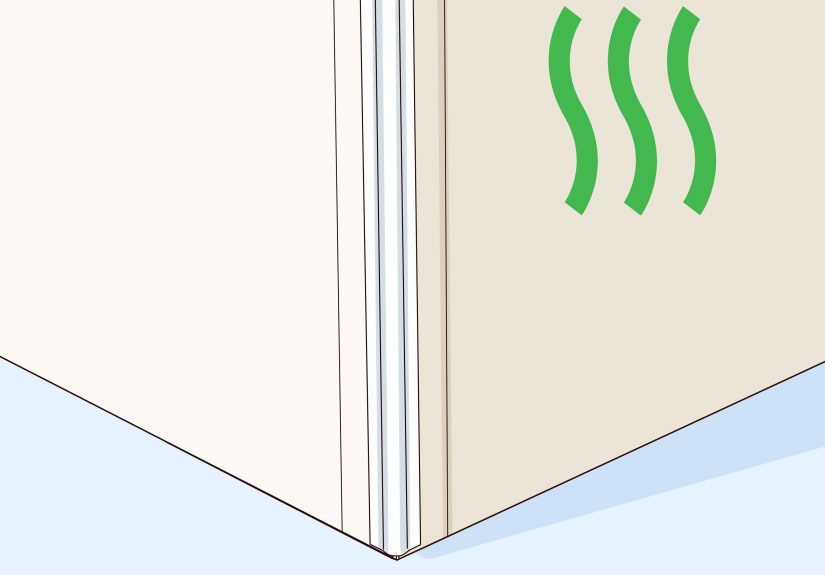
- Place the unit on a flat surface with a bit of ventilation space behind it.
- Add the compost starter to the chamber.
- Add water (the starter needs moisture to wake up and get to work).
- Let it run for a day before adding food scraps.
After the initial activation period, you can begin adding food waste. Over the following weeks, the starter material often
changes texture and color as it becomes an active composting medium.
Key Features That Matter in Real Kitchens
Odor Control That Doesn’t Require Holding Your Breath
Odor is the dealbreaker for most people considering an indoor food waste composter. Reencle leans hard into
filtration, often marketed as a multi-layer system with a carbon filter. In practical terms: if you’re using it correctly and
replacing filters as recommended, you should not be greeted by “trash can perfume” every time you walk by.
That said, any composter can get funky if it’s overloaded, too wet, too dry, or filled with items that don’t break down well.
Reencle isn’t magicjust very good at making compost feel less like a part-time job.
Quiet Operation (Because Kitchens Don’t Need Another Appliance With Opinions)
Noise levels are commonly described as very low for Reencle units. Reviews often highlight how the machine can run in the
background without becoming the loudest member of the household. If you work from home, have a small apartment, or simply
enjoy peace, this is a real quality-of-life win.
Energy Use: What It Means for Your Utility Bill
Because Reencle is typically designed to stay on (rather than run a single “cycle” and stop), it uses electricity daily. Many
discussions of the product cite daily energy use around the “small appliance” range. The practical takeaway:
it’s not free to run, but it’s not usually described as a power-hungry monster either.
If you’re deciding between an always-on microbial composter and a batch dehydrator, energy is one piece of the comparison
alongside odor control, output quality, and maintenance costs.
Capacity: How Much Food Waste Can It Handle?
Capacity is where Reencle tends to stand out versus smaller countertop grinders. The Prime model is often listed around
14L with daily input commonly cited around 2.2 lbs under typical use, while the Gravity model
is often presented as larger (around 22L) with higher daily intake (commonly cited around
3.3 lbs).
Translation: if you cook regularly, you may be able to add scraps daily without needing to run a separate “cycle” or wait for a
bin to fill up first.
What You Can Compost (And What You Should Keep Out)
One reason people get excited about Reencle is that it’s frequently described as handling a wider range of food waste than some
other indoor systemsoften including things like cooked leftovers, meat, and dairy in moderation. That said, “can” and “should
dump a whole cheese plate in daily” are not the same thing.
Commonly Accepted Inputs
- Fruit and vegetable scraps (peels, cores, rinds)
- Cooked leftovers (in reasonable quantities)
- Eggshells (best crushed)
- Coffee grounds and tea leaves (watch moisture balance)
- Small amounts of meat or dairy (follow the brand guidance and don’t overload)
Commonly Discouraged or Prohibited Inputs
- Plastics, glass, metal, wood, or “non-food” items (even compostable utensils)
- Large bones or very hard materials that won’t break down well
- Hard pits/seeds (think avocado pitsyour microbes are not superheroes)
- Excess liquid (soups, sauces) that can throw off moisture balance
A good rule: if you wouldn’t feed it to a creature with teeth, don’t feed it to your microbe chamber. And if you’re unsure,
start smallcomposting is easier when you’re not playing “guess that smell.”
What Comes Out: Compost, Soil Amendment, or “Garden Gold Lite”?
The material you scoop out of a Reencle is often described as a dry, soil-like composted mix. But here’s the
important nuance: even if it looks like compost, many gardeners still recommend a short curing period before
using it on sensitive plants or seedlings.
How to Use Reencle Output the Smart Way
-
Cure it: Store the output in a breathable container or bag for a few weeks to stabilize and finish breaking
down. -
Mix it: A common guideline is blending it into soil rather than using it as a thick top layer. Many users
treat it like a soil amendment. -
Start with hardy plants: Houseplants, established garden beds, and ornamental plants are a great first test
run before you use it on seedlings.
If you’re used to backyard compost that “cooks” for months, the Reencle timeline feels fast. Just remember: speed is awesome,
but plants prefer stability. Give the output a little time to mellow and it’ll repay you with greener leaves and fewer sad
stems.
Maintenance: Low Effort, Not Zero Effort
Reencle is often praised for being low maintenance, but you still need to handle a few basics to keep it happy:
Filter Replacement
The carbon filter is key for odor control. Replace it on schedule (or sooner if you notice smells returning). Compared with some
systems that require frequent proprietary refills, Reencle is often positioned as having relatively manageable ongoing filter
costs.
Moisture Balance
Microbes need moisture, but too much moisture can cause odor and slow down decomposition. Too little can also reduce activity.
If your compost looks very wet, reduce juicy inputs (like melon rinds) for a bit. If it looks overly dry, follow product
guidancesome owners add small amounts of water or adjust input types.
Emptying and Occasional Cleaning
Emptying is usually “scoop and go.” Some testers note they sift larger bits and let the output cure. Cleaning needs are often
described as minimal during normal use, but like any kitchen appliance, it benefits from basic upkeepespecially if something
sticky finds its way into the wrong corner.
What About Travel?
If you’re away for a short trip, users often report the unit can handle it with simple prep. For longer vacations, some
recommendations include stopping scraps a few days before leaving and using a drying or maintenance mode so the chamber doesn’t
become too wet while you’re gone. The goal is returning home to a normal kitchennot a microbial reunion party.
Reencle vs. Other Indoor Composters: The Practical Differences
Indoor composting products generally fall into two camps:
-
Dehydrators/grinders: Dry and break down scraps into a reduced-volume mix. Fast, but often not “finished”
compost and may need mixing with soil or a secondary composting step. -
Microbial composters (like Reencle): Aim for biological decomposition closer to traditional composting,
designed for continuous use with odor filtration.
Reencle’s biggest strengths are usually described as: odor control, quiet operation,
continuous composting, and output that behaves more like compost. The biggest trade-offs are
usually: price, space (it’s not always truly “countertop sized”), and
ongoing filter/starter management.
Who Should Buy a Reencle Home Composter?
Best For
- Apartment dwellers who want composting without outdoor bins
- Home cooks who generate regular food scraps (especially daily)
- Gardeners who want a steady supply of soil amendment
- Families trying to reduce trash volume and food waste odors
- People who tried composting and quit (no judgmentfruit flies are persuasive)
Maybe Skip It If
- You already have easy access to municipal compost pickup and you’re happy with it
- You have very limited space (measure firstseriously)
- You don’t generate enough food waste to justify an always-on system
- You prefer a zero-electricity approach for environmental or cost reasons
Tips for Better Results (Less Guessing, More Gardening)
- Chop big scraps: Smaller pieces break down faster and more evenly.
- Don’t overload: Steady daily inputs work better than dumping a week’s worth at once.
- Balance wet inputs: If you add lots of juicy produce, mix in drier scraps (like bread bits) in moderation.
- Crush eggshells: They’re useful, but whole shells can linger.
- Cure before using on seedlings: Young plants are picky. Mature plants are more forgiving.
- Replace filters on time: Odor control is a featurekeep it working.
Conclusion: Is Reencle Worth It?
The Reencle Home Composter is one of the most talked-about options in the indoor composting world for a reason: it’s designed to
make composting actually doable in a modern kitchen. For people who hate food-waste smells, don’t have outdoor space,
or want compost without the learning curve, it can feel like a genuine lifestyle upgrade.
It’s not the cheapest route to reducing food waste, and it’s not the smallest appliance you’ll ever own. But if you’re the type
of person who cooks often and wants your scraps to become plant fuel instead of landfill baggage, Reencle’s microbe-based system,
quiet operation, and strong odor control can make the whole process feel less like “work” and more like “why didn’t I do this
sooner?”
Real-Life Experiences With the Reencle Home Composter (Approx. )
Living with a Reencle is less like “running a machine” and more like having a new kitchen routineone that quietly rewards you
for doing what you already do: cooking and eating. The first week typically feels like the “getting to know you” phase. You
learn where the unit fits best (spoiler: measure your space), how the lid sensor behaves, and what kinds of scraps disappear
quickly versus which ones like to hang around as if they’ve paid rent.
A common early surprise is how slowly the bin seems to fill compared with a normal compost container. Because
the contents are continuously breaking down, you’re not just stacking scrapsyou’re feeding an active system. For a household
that cooks most days, it can take a couple of weeks to reach the “okay, time to empty this” point, depending on your model and
how much waste you generate. That’s a strangely satisfying moment, because you realize your trash output has dropped while your
plants are about to receive their bonus.
Day-to-day, the biggest “I can’t believe this is real” detail for many owners is odor control. Instead of that
sour trash-can smell (or the dreaded bin juice), the kitchen stays normalespecially if you keep up with the filter schedule and
avoid overloading wet foods. People who cook fish or handle meat scraps often describe the relief of not needing to rush those
leftovers to an outdoor bin or freezer. It’s not that Reencle makes your scraps smell like roses; it’s that it helps keep your
kitchen from smelling like regrets.
The sound profile tends to fade into the background. Most of the time, you’ll forget it’s onuntil you notice you’re throwing
scraps into it without thinking. The only time it feels “present” is when you open it to add a big load or when you’re
emptying it and doing the optional sifting step. Some users scoop out the finished mix, separate any larger bits, and then let
the output cure in a breathable container for a few weeks. That curing step feels like the final polishing phase: your compost
goes from “pretty good” to “ready for prime-time gardening.”
Travel is another real-world test. Short trips usually don’t cause drama, especially if you stop feeding it right before you go.
For longer trips, many people adopt a simple pre-vacation ritual: stop adding scraps a few days early, run a drying or
maintenance mode if available, and leave the system in a stable state. The goal is to return home to a healthy chamberno weird
moisture spikes, no mystery smells, no “what happened while I was gone?” suspense.
The most honest long-term experience is this: Reencle doesn’t just reduce waste; it changes how you think about it. Onion peels
and coffee grounds stop feeling like trash and start feeling like inputs. The compost you pull out might not make you a master
gardener overnight, but it absolutely makes you the kind of person who looks at a banana peel and thinks, “You have potential.”