Table of Contents >> Show >> Hide
- Why mosquito bites itch so much in the first place
- The most effective home remedies for mosquito bites
- 1. Wash the bite with soap and water
- 2. Apply a cold compress or wrapped ice pack
- 3. Use calamine lotion for classic itch relief
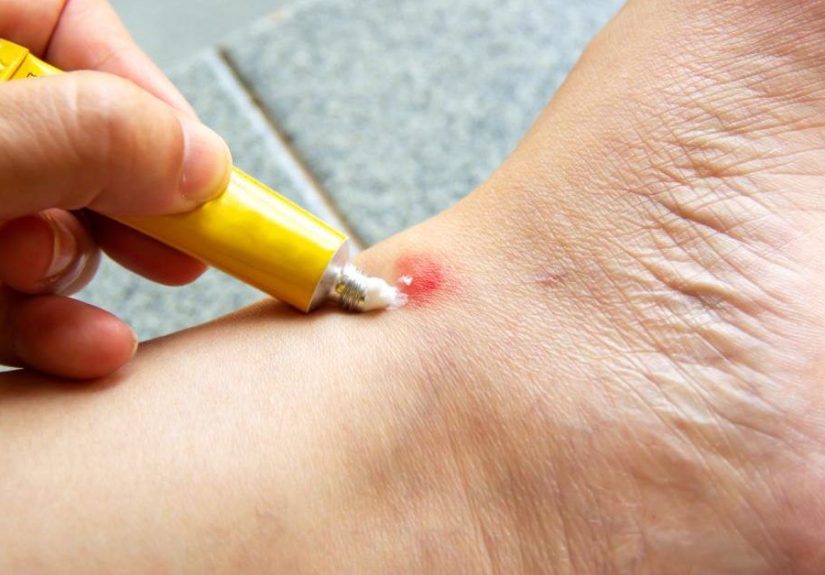
- 4. Try 1% hydrocortisone cream for inflammation
- 5. Make a baking soda paste
- 6. Take an oral antihistamine if the itching is intense
- 7. Protect the bite from scratching
- 8. Consider a cool oatmeal soak for multiple itchy bites
- Home remedies that are less convincing
- When a mosquito bite needs more than home care
- What works best for kids
- How to prevent the next round of bites
- Common experiences with mosquito bites and what people usually learn from them
- Final thoughts
Mosquito bites are tiny, sneaky, and somehow capable of causing drama way out of proportion to their size. One minute you are enjoying a backyard dinner, a walk with the dog, or a heroic attempt to water your plants at sunset. The next minute you are scratching like your skin has a personal grudge. The good news is that most mosquito bites can be handled at home with simple, effective remedies that calm itching, reduce swelling, and help you avoid turning one harmless bump into a bigger problem.
This guide breaks down the at-home treatments that actually make sense, the so-called remedies that are more hype than help, and the signs that mean it is time to stop playing home pharmacist and call a medical professional. If you have ever stood in your kitchen wondering whether ice, baking soda, calamine lotion, or sheer willpower is the answer, you are in the right place.
Why mosquito bites itch so much in the first place
A mosquito bite is not just a tiny puncture. When a mosquito feeds, it leaves saliva behind, and your body reacts to those proteins. That reaction triggers inflammation and itch. For most people, the result is a small raised bump with redness and irritation. For others, especially children or people with more sensitive skin, the bite can swell more dramatically and feel warm, hard, or especially itchy.
That is why the best home treatment is not some magical internet trick involving a mystery paste from the back of your pantry. It is usually about calming inflammation, protecting the skin, and resisting the completely understandable urge to scratch like a raccoon trying to open a trash can.
The most effective home remedies for mosquito bites
1. Wash the bite with soap and water
This is the least glamorous remedy and one of the smartest. Gently washing the area removes sweat, dirt, and any irritants sitting on the skin. It also lowers the chance that scratching later will push bacteria into the bite. Use mild soap, lukewarm water, and pat the area dry instead of rubbing it like you are polishing a countertop.
If the bite is fresh, this simple step can make the next few hours much easier. Clean skin is less likely to get irritated, and less irritation means fewer reasons to scratch.
2. Apply a cold compress or wrapped ice pack
Cold is one of the fastest ways to calm a mosquito bite. A cool compress or an ice pack wrapped in a thin cloth can reduce swelling, dull the itch, and give your skin a break from that maddening prickly sensation. Keep it on for about 10 to 20 minutes at a time, then remove it and let the skin rest.
This is especially helpful when the bite is puffy or feels warm. If you have several bites, a cool washcloth can be easier than trying to balance six ice cubes on your leg like a weird summer talent show.
3. Use calamine lotion for classic itch relief
Calamine lotion remains a favorite for a reason: it is easy to use, inexpensive, and useful for many itchy skin problems, including bug bites. Dab a small amount directly on the bite and let it dry. It can soothe the skin and help reduce the urge to scratch, which is a victory worth celebrating.
Calamine is often best for mild to moderate bites that are annoying but not extreme. It is a practical choice if you want something gentle and familiar without diving straight into stronger topical products.
4. Try 1% hydrocortisone cream for inflammation
If a mosquito bite is especially itchy, red, or swollen, an over-the-counter 1% hydrocortisone cream can help settle inflammation. A thin layer applied to the bite can make a noticeable difference, particularly when the itch is intense enough to distract you from work, sleep, or basic human dignity.
Use it as directed on the package. More is not better. Smearing on half the tube does not turn you into a skin-care genius; it just wastes cream. For most straightforward bites, a small amount is enough.
5. Make a baking soda paste
Baking soda is one of the few true kitchen-cabinet remedies that has mainstream medical support for mosquito bite itch. Mix a little baking soda with just enough water to make a paste, apply it to the bite, leave it on briefly, and rinse it off. Many people find that it helps tone down the itch response.
This remedy is useful when you want a quick at-home option and do not have calamine or hydrocortisone nearby. It is not fancy, but neither is a mosquito, and somehow both still manage to make an impact.
6. Take an oral antihistamine if the itching is intense
When the bite is keeping you from sleeping, or when several bites are turning your evening into an endurance event, an oral antihistamine may help. These medicines can reduce itch and calm the allergic-type reaction that makes bites feel bigger and more bothersome.
Always follow label directions, and for children, use age-appropriate products and dosing guidance. If you are unsure which product is appropriate, check with a healthcare professional or pharmacist. At-home care should make life calmer, not turn your medicine cabinet into a guessing game.
7. Protect the bite from scratching
This is less exciting than a cream and more effective than people want to admit. Scratching makes bites angrier. It can break the skin, increase swelling, and create an opening for infection. If a bite is really tempting, keep nails short, cover the area with light clothing, or place a small bandage over it, especially for kids who scratch in their sleep.
Think of scratching as pouring gasoline on a tiny itchy campfire. It feels briefly satisfying, and then everything gets worse.
8. Consider a cool oatmeal soak for multiple itchy bites
If you have one bite, spot treatment is enough. If you have ten because you thought “just five minutes outside” was a safe plan, a cool bath or soothing soak can help. Colloidal oatmeal products are often used for itchy skin and can make widespread irritation feel less intense.
This option is especially useful after camping, hiking, yard work, or evenings near standing water, when the issue is not one dramatic bite but a whole constellation of them.
Home remedies that are less convincing
The internet is full of suggestions for mosquito bites: toothpaste, vinegar, essential oils, hot spoons, nail polish, and enough strange hacks to make your dermatologist sigh into the void. Some people swear by these methods, but the strongest mainstream guidance keeps coming back to simpler treatments like cold therapy, anti-itch creams, calamine, baking soda paste, and antihistamines.
That does not mean every folk remedy is dangerous. It does mean that if you want an option with the most support behind it, stick with the basics. Your skin does not need a science fair project.
When a mosquito bite needs more than home care
Most mosquito bites improve within a few days. But some bites deserve more attention. Seek medical care if you notice spreading redness, warmth, pus, red streaks, fever, swollen lymph nodes, or worsening pain. Those can be signs of infection, often caused by scratching rather than the bite itself.
You should also get help right away if you have signs of a serious allergic reaction, such as widespread hives, swelling away from the bite, trouble breathing, wheezing, faintness, or swelling of the lips or throat. Rare reactions can happen, and they are not something to handle with “I’ll just wait and see” energy.
Another reason to call a doctor is if you develop symptoms that suggest a mosquito-borne illness instead of a simple skin reaction. Fever, body aches, rash, severe headache, nausea, or unusual fatigue after a mosquito bite should not be brushed off, especially if you live in or recently traveled to an area where mosquito-borne diseases are circulating.
What works best for kids
Children often react more dramatically to mosquito bites, and they are also more likely to scratch until a small bump becomes a full-blown situation. For kids, start with washing the bite, using a cool compress, and trying a gentle anti-itch product approved for their age. Covering bites at night can also help prevent scratching while they sleep.
Parents know the pattern well: the bite looked harmless at dinner, then somehow became a giant itchy mountain by bedtime. The fix is usually not panic. It is calm skin care, less scratching, and watching for signs that the swelling is becoming unusually large or spreading.
How to prevent the next round of bites
The most effective remedy is the one you never need because the mosquito never got you in the first place. When you are outside, use an EPA-registered insect repellent. Products with ingredients such as DEET or picaridin are widely recommended. Wear long sleeves and pants when practical, especially around dusk and early evening, when mosquitoes often become more active.
At home, dump standing water from buckets, planters, toys, birdbaths, and anything else that can become a mosquito nursery. Use screens, fans, and appropriate clothing. If you spend time in high-mosquito areas, prevention is not overreacting. It is simply refusing to let a bug the size of a paper clip ruin your evening.
Common experiences with mosquito bites and what people usually learn from them
One of the most common experiences people describe is how harmless a mosquito bite looks at first compared with how outrageous it feels an hour later. You barely notice the bite when it happens. Then you get home, sit down, and suddenly one ankle feels like it is starring in its own itchy action movie. That delayed reaction is why many people think the bite is “getting worse fast,” when in reality the body is just ramping up its inflammatory response.
Another familiar experience is the bedtime bite. During the day, you are busy enough to ignore it. At night, however, your brain apparently decides the bite deserves center stage. The itching feels louder in the dark, and a single bite can seem more disruptive than your entire to-do list. This is where cool compresses, hydrocortisone cream, or an antihistamine often earn their reputation. People usually do not need a dramatic remedy at night. They need something that helps them stop noticing the bite every twelve seconds.
Parents often report a slightly different version of the story. A child gets one mosquito bite and treats it like a personal betrayal. By morning, the child has scratched it half the night, the area looks much more irritated, and everyone in the house is negotiating with a tiny patch of skin. In real life, this is where simple steps matter most: wash the spot, reduce the itch, keep nails trimmed, and cover the bite if needed. The lesson many families learn is that preventing scratching matters almost as much as treating the bite itself.
People who spend time gardening, hiking, fishing, or sitting outside in the evening often notice patterns. Mosquito bites tend to hit when you forget repellent “just this once,” step out in shorts to water the plants, or assume a quick walk means you are safe. Those experiences usually turn even skeptical people into fans of prevention. After one miserable week of scratching both calves, a bottle of repellent starts to look less like an optional accessory and more like a trusted summer sidekick.
Travelers sometimes describe another common issue: not knowing whether they are dealing with a routine bite or something worth monitoring. Most of the time, it is just a normal itchy bump. But when a bite is followed by fever, rash, severe fatigue, or other whole-body symptoms, people quickly realize that “home remedy” and “medical evaluation” are not the same category. That experience teaches an important distinction: treat the itch at home, but do not ignore symptoms that go beyond the skin.
There is also the classic group-outing problem. One person ends the evening with no bites at all, while another gets attacked like the mosquitoes were working from a reservation list. That can make people desperate to try every folk remedy ever invented. In practice, the people who feel best the next day usually are not the ones using wild hacks from social media. They are the ones who clean the bites, cool the skin, use a reliable anti-itch treatment, and stop scratching before the irritation spirals.
In other words, real-world experience tends to confirm the boring truth: the effective remedies are rarely flashy. They are practical, repeatable, and backed by common sense. Cold helps. Anti-itch products help. Scratching hurts. Prevention saves trouble. Mosquitoes remain rude, but at least they are predictable.
Final thoughts
If you want effective home remedies for mosquito bites, keep your strategy simple and evidence-based. Wash the area, cool it down, reduce inflammation, calm the itch, and protect the skin from scratching. That combination solves the vast majority of bites without turning your bathroom into a chemistry lab.
The best approach is not to chase miracle fixes. It is to use what reliably works, know when a bite is becoming something more serious, and take prevention seriously enough that your next summer memory does not involve scratching your ankle through an entire barbecue. Mosquitoes may be persistent, but they do not have to win.