Table of Contents >> Show >> Hide
- The Quick Answer: Sardines and Anchovies Are Different Fish
- What Are Sardines?
- What Are Anchovies?
- Sardines vs. Anchovies: Size and Appearance
- What Do Sardines Taste Like Compared With Anchovies?
- How Processing Creates the Biggest Difference
- Sardines vs. Anchovies Nutrition
- Can You Substitute Sardines for Anchovies?
- Best Ways to Use Sardines
- Best Ways to Use Anchovies
- How to Buy Better Sardines and Anchovies
- Which Is More Sustainable: Sardines or Anchovies?
- Sardines vs. Anchovies: Which One Should You Choose?
- My Experiences With Sardines and Anchovies: Lessons From Opening a Lot of Tiny Tins
- Conclusion: Two Small Fish With Very Different Talents
They are small. They are oily. They are silvery. They frequently arrive in tiny metal containers that look as though they were designed for a dollhouse pantry. So, naturally, sardines and anchovies are often treated as interchangeable seafood twins.
They are not.
In the great sardines vs. anchovies debate, the biggest differences involve species, size, processing, taste, texture, sodium, and how each fish behaves in a recipe. A sardine can comfortably become the center of lunch. A salt-cured anchovy usually prefers to sneak into a sauce, dissolve, and make everybody ask, “Why does this taste so good?” without revealing its identity.
Both are nutrient-dense oily fish rich in protein and omega-3 fatty acids, and both deserve more respect than the occasional pizza argument. Still, knowing which tin to open matters. Here is a complete guide to the difference between sardines and anchovies, including flavor, nutrition, cooking uses, and a few hard-earned lessons from the kitchen.
The Quick Answer: Sardines and Anchovies Are Different Fish
Sardines and anchovies belong to different fish families. The word “sardine” is commonly used for several small fish related to herring in the Clupeidae family. Anchovies belong to the Engraulidae family.
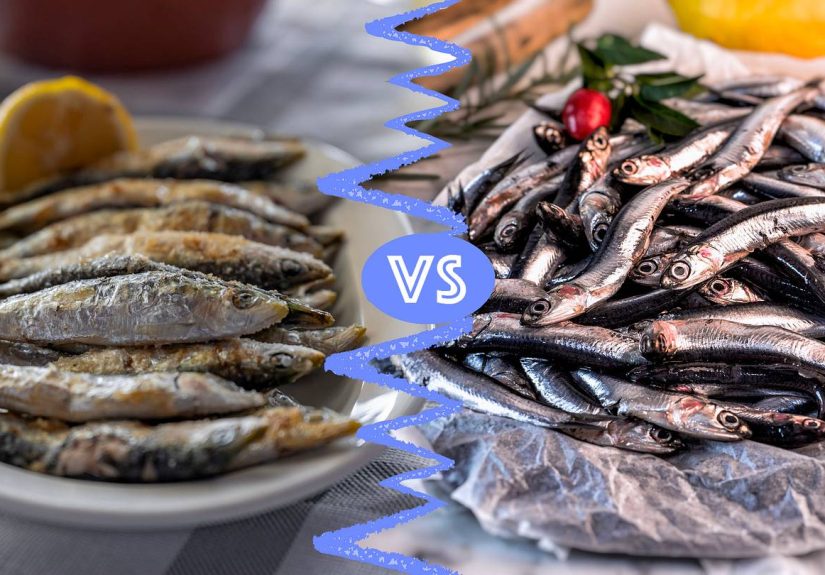
At the seafood counter, sardines generally look broader and more substantial. Anchovies tend to be narrower and more slender. The difference becomes even more dramatic after processing.
Canned sardines are commonly cooked and packed in oil, water, or sauce. The familiar anchovy fillets sold in small tins and jars are typically salt-cured before being cleaned, filleted, and packed in oil. That curing process creates the intense salty, savory personality most Americans associate with anchovies.
In practical kitchen terms, sardines are usually eaten as fish. Anchovies are often used as seasoning. Tiny fish, surprisingly large career differences.
What Are Sardines?
Sardines are small oily fish and an important part of marine food webs. The name does not always describe one single species. Several related small pelagic fish may be sold as sardines, depending on species and labeling standards.
Fresh sardines have silvery skin, a fuller body than anchovies, and delicate flesh. Depending on their size, sardines can have a mild, delicate flavor or a richer, oilier character. Canned versions are generally firm enough to lift from a tin but tender and flaky when broken apart.
How Sardines Are Commonly Sold
American grocery stores typically carry sardines packed in olive oil, other vegetable oils, or water. Flavored versions may include tomato sauce, mustard, lemon, chile peppers, or smoke.
Some products are skinless and boneless. Others include the skin and soft edible bones. Those bones may sound intimidating if your last encounter with a fish skeleton involved a cartoon cat, but canning softens them considerably. Many people barely notice them.
Sardines work particularly well on toast, in sandwiches, over rice, in pasta, with beans, or as the protein in a salad. In other words, they are happy to be visible.
What Are Anchovies?
Anchovies are small, slender oily fish from the Engraulidae family. Fresh anchovies exist and are eaten in many cuisines, but the familiar American supermarket version is usually a cured anchovy fillet.
Traditional salt curing radically changes an anchovy’s flavor and texture. After curing, the fish becomes intensely savory, salty, and concentrated. The flesh also becomes soft enough to mash and dissolve into warm oil or butter.
That is why anchovies have a secret second life as a flavor enhancer.
Anchovies Are Umami Specialists
Add a couple of anchovy fillets to warm olive oil with garlic, and they can practically disappear. What remains is a deeper savory flavor. The finished dish does not necessarily scream, “FISH!” It may simply taste richer and more complete.
This is the magic behind using anchovies in Caesar-style dressings, pasta sauces, compound butters, vinaigrettes, braised vegetables, and meat dishes. Anchovy paste provides a similar shortcut when a recipe calls for a small amount.
Of course, good anchovies can also be eaten whole on toast, pizza, eggs, or salads. Just remember that a whole cured fillet delivers considerably more salt and intensity than a bite of sardine.
Sardines vs. Anchovies: Size and Appearance
Put fresh sardines and anchovies side by side and the physical difference becomes easier to spot.
Sardines are generally fuller and stockier. Their bodies look broader, and larger sardines provide substantial flakes of meat. Anchovies generally appear more delicate and slender.
Once canned or jarred, the contrast becomes even clearer. Sardines may be packed as whole cleaned fish or sizable portions. Cured anchovies are usually presented as narrow fillets layered neatly in oil.
If the tin contains several chunky little fish that could headline a sandwich, you are probably looking at sardines. If it contains thin brownish-pink fillets ready to launch a salt-and-umami missile into your pasta sauce, anchovies have entered the chat.
What Do Sardines Taste Like Compared With Anchovies?
The flavor difference is one of the most important distinctions between sardines and anchovies.
Sardine Flavor
Sardines taste rich, oily, and distinctly like seafood, but quality products should not taste unpleasantly stale or aggressively fishy. Some varieties and preparations are relatively mild. Others are robust and ocean-forward.
Olive oil can emphasize their richness, while tomato, lemon, herbs, and chile provide contrast. The texture is usually tender and flaky, although specific brands and fish sizes vary.
Anchovy Flavor
Salt-cured anchovies are far more concentrated. Expect brininess, pronounced salinity, and a powerful savory quality. Better-quality anchovies can also have surprisingly complex flavors rather than tasting like salt with fins.
Anchovies are an excellent example of why “strong” and “bad” are not synonyms. Espresso is strong. Blue cheese is strong. Your aunt’s opinion about your career is strong. Intensity simply requires appropriate use.
How Processing Creates the Biggest Difference
Many people believe sardines naturally taste mild and anchovies naturally taste extremely salty. Biology is only part of the story. Processing is a major reason canned sardines and cured anchovies taste so different.
Sardines are typically cooked during commercial preparation and sealed in a packing medium such as oil or water. They remain recognizable as tender pieces of fish.
Traditional anchovy fillets are preserved with salt. Curing concentrates flavor and changes the structure of the flesh. After curing, anchovies may be rinsed, filleted, and packed in oil.
This is also why fresh or marinated white anchovies can surprise people. They may taste much gentler than the dark, salt-cured fillets familiar from pizza shops. Saying “I hate anchovies” after trying one heavily cured supermarket fillet is a little like saying you hate cucumbers because pickles are too sour. Related ingredient, dramatically different treatment.
Sardines vs. Anchovies Nutrition
From a nutrition standpoint, both fish offer a lot in a very small package. Exact numbers vary by species, serving size, packing liquid, and brand, so the nutrition label remains the best source for a specific product.
Both Provide Protein and Omega-3 Fatty Acids
Sardines and anchovies are fatty fish that provide protein and the marine omega-3 fatty acids EPA and DHA. The American Heart Association includes both among omega-3-rich fish and recommends eating fish, particularly fatty fish, regularly as part of a heart-healthy dietary pattern.
Both fish also provide micronutrients, including vitamin B12 and selenium. Nutrient content varies, but small oily fish are remarkably efficient foods when you consider how much nutrition can fit into a tin that weighs less than some smartphones.
Sardines Can Be Especially Useful for Calcium
When sardines are canned with their softened edible bones, they can provide significant calcium. Small fish eaten with their bones may also contribute vitamin D and other nutrients relevant to bone health.
Skinless, boneless sardines are convenient and may feel less intimidating, but removing the bones changes the nutritional profile. Anyone specifically buying sardines for calcium should compare labels rather than assuming every can is identical.
Anchovy Sodium Can Be Much Higher
Here is where the nutritional comparison needs context. Cured anchovies are preserved with substantial amounts of salt, so their sodium content can be high.
That does not make anchovies nutritionally useless. It means portion size matters. A sauce may need only one or two fillets to flavor several servings. People who have been advised to restrict sodium should pay particular attention to labels and total meal composition.
Sardines can contain considerable sodium too, especially in brine or flavored sauces. Lower-sodium options are available, and labels can differ significantly among brands.
What About Mercury?
Both anchovies and sardines are small fish that occupy relatively low positions in aquatic food chains. FDA fish advice includes anchovies and sardines among lower-mercury choices.
This is one reason small oily fish are frequently recommended when people want to eat seafood more regularly. Variety still matters, especially for pregnant people, breastfeeding people, and children following specific FDA and EPA seafood guidance.
Can You Substitute Sardines for Anchovies?
Usually, sardines and anchovies are not direct substitutes.
Suppose a pasta sauce calls for three anchovy fillets melted into olive oil. Replacing them with three sardines will change the dish considerably. The sardines will add bulk, flakes of fish, and a milder seafood flavor rather than concentrated salt and umami.
Likewise, replacing sardines in a sandwich with salt-cured anchovies could produce a lunch capable of making your water bottle file for overtime.
There are exceptions. Sardines can be used creatively in Caesar-inspired salads, while anchovies can be the starring ingredient on toast. However, substitutions should be based on the role of the fish in the recipe.
Ask one question: Is this fish supposed to be the main protein or a flavor booster?
For a substantial protein, choose sardines. For concentrated savory seasoning, choose cured anchovies.
Best Ways to Use Sardines
On Toast or Crackers
Place sardines on toasted sourdough with lemon, black pepper, and chopped parsley. Add sliced tomatoes or pickled onions for acidity. This is fast food in the original sense: food, prepared fast.
With Pasta
Sardines pair naturally with pasta, especially when combined with garlic, fennel, breadcrumbs, chile, citrus, or herbs. Break the fish into large flakes so it remains visible.
In Rice Bowls and Salads
Add sardines to warm rice with cucumber and a sharp vinaigrette, or place them over sturdy salad greens. Chickpeas, white beans, potatoes, and tomatoes all make excellent partners.
In Sandwiches
Mash sardines with mustard, lemon juice, herbs, and a little mayonnaise or yogurt. Use the mixture much like tuna salad. Sardines have a stronger personality, but sometimes lunch needs a hobby.
Best Ways to Use Anchovies
Build a Pasta Sauce
Warm olive oil and gently cook garlic. Add one or two anchovy fillets and stir until they break down. Continue with tomatoes, chile flakes, greens, or breadcrumbs. The anchovies create savory depth throughout the sauce.
Improve Salad Dressings
Finely mash anchovies into dressings with lemon, vinegar, mustard, garlic, and olive oil. Their savory intensity works especially well with bitter or sturdy greens.
Add Depth to Roasted Vegetables
Anchovy butter or anchovy vinaigrette can transform broccoli, cauliflower, cabbage, and potatoes. Salty umami provides contrast to sweet, browned vegetables.
Use Them in Unexpected Savory Dishes
A tiny amount of anchovy can deepen meat sauces, stews, and braises. The goal is not necessarily to make the finished dish taste like anchovies. Think of them as an ingredient operating undercover.
How to Buy Better Sardines and Anchovies
For sardines, decide first whether you want a mild or assertive flavor. Boneless, skinless versions are approachable for beginners. Whole canned sardines with soft bones provide a different texture and may offer more calcium.
Check the packing medium. Olive oil adds richness. Water-packed sardines may taste leaner. Tomato sauce and flavored oils can make a tin ready to eat with very little additional work.
For anchovies, consider the intended recipe. Affordable oil-packed fillets work well when they will be dissolved into sauce. When serving anchovies whole on toast or salad, quality and texture become more noticeable.
Salt-packed anchovies may require rinsing and preparation. Anchovy paste is convenient for dressings and sauces, although its flavor and ingredient list can vary by brand.
After opening either product, follow the manufacturer’s storage directions. Transfer leftovers when appropriate, refrigerate them promptly, and keep remaining fish properly covered. Do not assume an opened tin can live in the back of your refrigerator until the next presidential administration.
Which Is More Sustainable: Sardines or Anchovies?
Sardines and anchovies are both small pelagic forage fish, meaning they play an important ecological role as food for larger marine animals. Their short life cycles can allow populations to respond quickly to changing conditions, but abundance can also fluctuate considerably with ocean conditions and fishing pressure.
That means “small fish” does not automatically equal “sustainable in every fishery forever.” Species, location, stock status, and fishing method matter.
For environmentally conscious shopping, check the species and country or fishing area on the package when available, and consult current seafood sustainability guidance. Recommendations can change as fisheries and scientific assessments change.
Sardines vs. Anchovies: Which One Should You Choose?
Choose sardines when you want a substantial, flaky fish that can act as a meal’s main protein. They are excellent for toast, salads, pasta, sandwiches, and grain bowls.
Choose anchovies when you want concentrated saltiness and umami. Use them in sauces, dressings, vegetable dishes, and savory recipes that need more depth.
From a nutrition perspective, both offer protein and omega-3 fatty acids. Sardines with edible bones can be especially useful as a source of calcium, while cured anchovies require more attention to sodium.
The winner depends entirely on the job. Asking whether sardines or anchovies are “better” is like asking whether a hammer is better than a screwdriver. Please do not use either tool to open a tin of fish.
My Experiences With Sardines and Anchovies: Lessons From Opening a Lot of Tiny Tins
My earliest mental picture of sardines was not especially sophisticated. I imagined a cartoon can packed with fish in military formation, each one staring upward as if mildly disappointed in my lunch choices. Anchovies had an even worse reputation. They were the ingredient people dramatically rejected on television pizzas before anyone had even taken a bite.
Actually cooking with the two changed my understanding completely.
The first useful lesson was that sardine quality and preparation matter. Eating a plain sardine directly from a tin can be delicious for committed tinned-fish fans, but it is not always the smartest introduction for a beginner. The flavor can seem rich and assertive when there is nothing else on the plate.
Then I tried sardines on crisp toast with a generous squeeze of lemon, chopped parsley, and thin slices of pickled onion. Suddenly everything made sense. The acid cut through the oil. The onion added crunch. The bread turned the sardines into lunch instead of a seafood examination.
From there, sardines became surprisingly easy to use. I learned to mash them lightly for sandwiches rather than pulverizing them into paste. Leaving small flakes creates a better texture. In pasta, I prefer folding sardines in near the end so the fish remains recognizable. Cook and stir them aggressively for too long and the dish loses that pleasant contrast between pasta and tender fish.
Anchovies taught me the opposite lesson: sometimes disappearing is exactly the point.
The first time I deliberately melted anchovy fillets into olive oil, I expected the kitchen to smell like low tide had applied for permanent residency. Instead, the anchovies softened quickly and blended into the oil. After garlic and tomatoes joined the pan, the sauce tasted deeper and more savory, but identifying the anchovy itself was surprisingly difficult.
That became my favorite anchovy trick. When a tomato sauce tastes flat even though it has enough salt, I think about umami rather than immediately attacking it with the salt shaker. A small anchovy fillet can add a dimension that plain salt cannot.
I also discovered an important rule through a particularly enthusiastic dressing experiment: start small. My reasoning was that two anchovies tasted good, so five anchovies would taste two and a half times better. Mathematics declined to comment. The dressing became so salty that the lettuce seemed personally offended.
Now I add one fillet, taste, and continue only when necessary. The same cautious approach works with anchovy paste because different brands can vary in intensity and saltiness.
Another memorable comparison involved serving both fish on the same snack board. The sardines received lemon and herbs. The anchovies were paired with buttered bread and sliced tomatoes. Guests who insisted they “didn’t eat little canned fish” somehow ate nearly all of them once the tins were treated as ingredients rather than challenges.
That experience reinforced the biggest lesson in the sardines vs. anchovies discussion: context changes perception. Sardines become friendlier with brightness and crunch. Anchovies become less intimidating when used strategically with fat, acid, or sweet vegetables.
I no longer think of sardines and anchovies as substitutes. I think of sardines as a food I build a meal around and anchovies as one of the tools I use to build flavor. Sometimes I want visible flakes of oily fish over rice. Sometimes I want two invisible fillets quietly improving a pan of sauce.
And sometimes, admittedly, I stand in front of the pantry holding both tins while pretending dinner was planned this way all along.
Conclusion: Two Small Fish With Very Different Talents
The difference between sardines and anchovies is much greater than their tiny size and similar grocery-store address suggest. Sardines are generally broader, milder, flaky fish commonly cooked and canned for eating as a primary ingredient. Familiar anchovy fillets are typically salt-cured, intensely savory, and ideal for adding umami to recipes.
Both are oily fish that can contribute protein and omega-3 fatty acids. Sardines with edible bones may provide significant calcium, while salt-cured anchovies tend to demand closer attention to sodium.
So, the next time you face the canned seafood shelf, remember the simplest rule: sardines are often the meal; anchovies are often the magic trick. Open the right tin and let the tiny fish do its surprisingly large job.
Note: Nutrition and sodium values vary by species, product, serving size, and packing method. Check the product’s nutrition label and follow current FDA seafood advice when dietary or health considerations apply.