Table of Contents >> Show >> Hide
- A quick “gum pain decoder”
- Why location matters (your gums don’t hurt “randomly”)
- Causes of sore gums in the back of the mouth
- Causes of sore gums between teeth
- Causes of sore gums over one tooth
- Other causes that can show up anywhere in the mouth
- What you can do today (safe steps that won’t make it worse)
- When to see a dentist (and when to go urgently)
- What your dentist may do (so it’s less mysterious)
- How to prevent sore gums from coming back
- Experience-based notes (what people commonly report in real life)
- Conclusion
Your gums are supposed to be the supportive best friend of your teethquietly holding everything together and not
starting drama. So when they get sore (especially in a very specific spot), it’s usually your mouth’s way of saying,
“Hey. Something is going on down here.” The good news: most gum soreness has a clear cause and a straightforward fix.
The not-so-fun news: the fix sometimes involves seeing a dentist instead of “just rinsing and hoping.”
This guide breaks down the most common reasons gums hurt in the back of your mouth,
between teeth, or over one tooth, plus what you can do today, what not to do
(spoiler: don’t go full DIY-surgery with a toothpick), and when it’s time to get professional help.
A quick “gum pain decoder”
| Where it hurts | Most likely causes | Clues that point to it | How urgent? |
|---|---|---|---|
| Back of mouth (near molars/wisdom teeth) | Wisdom tooth eruption/impaction, pericoronitis, gum disease in hard-to-clean area | Swollen gum flap, bad taste, pain when chewing, jaw stiffness | Moderate to urgent if fever, swelling, or trouble opening mouth |
| Between teeth | Gingivitis, plaque/tartar buildup, flossing trauma, food stuck | Bleeding with flossing, tenderness at the “triangle” of gum, bad breath | Usually non-urgent, but see a dentist if it persists > 1–2 weeks |
| Over one tooth | Abscess (gum or tooth), deep cavity, cracked tooth, localized infection | Pimple-like bump, throbbing, pain with biting, swelling, sensitivity | Often urgentespecially with fever, facial swelling, pus, or severe pain |
Why location matters (your gums don’t hurt “randomly”)
Gum tissue is sensitive, but it’s also pretty logical. Pain location often matches the problem location:
- Back-of-mouth soreness frequently points to wisdom teeth issues or inflammation around the last
molarsareas that trap plaque and food because they’re awkward to brush well. - Between-teeth soreness is commonly about plaque, tartar, or irritation in the tight spaces where
toothbrush bristles can’t fully reach. - One-tooth soreness raises the odds of something localized, like an abscess, a deep cavity, or a
cracked tooth irritating the nearby gum.
Causes of sore gums in the back of the mouth
1) Wisdom tooth eruption or impaction
Wisdom teeth are the late arrivals who show up uninvited and rearrange the furniture. If a wisdom tooth is partially
erupted or impacted, the surrounding gum can become inflamed and tender. Food and debris can get trapped behind or
under the gum tissueleading to irritation and infection risk.
Common clues:
- Pain or pressure near the last molar
- Swollen, red gum in the far back
- Bad taste or bad breath that feels like it’s “coming from the back”
- Pain when chewing on that side
2) Pericoronitis (inflamed gum tissue around a partially erupted tooth)
Pericoronitis is inflammation of the gum tissue around wisdom teethespecially lower wisdom teeth that are only
partially out. The gum flap can trap bacteria and food, turning the area into a tiny “infection pocket.”
Common clues:
- Swollen gum flap over/around a back tooth
- Significant tenderness, sometimes radiating to the jaw or ear
- Bad taste, drainage, or pus
- Jaw stiffness (trismus/“lockjaw”) or discomfort swallowing
- Fever or facial swelling (more serious)
3) Gum disease in the “hard-to-clean” zone
The back molars are plaque magnets. If plaque isn’t removed consistently, gums can become irritated and bleed easily
(gingivitis). Gingivitis is an early stage of gum disease and is often reversible with better daily cleaning and
professional care when needed. Left untreated, it can progress to periodontitis, which can damage the structures that
support teeth.
Common clues:
- Gums look puffy, red, or bleed during brushing/flossing
- Persistent bad breath
- Tenderness along the gumlineoften worse near back molars
4) A bite injury (yes, your teeth can betray you)
Accidentally biting your cheek or gum near the back molars can create soreness and sometimes a small ulcer. This is
especially common if you’re chewing quickly, dealing with new dental work, or wearing a retainer/night guard that
changes your bite slightly.
Causes of sore gums between teeth
1) Gingivitis from plaque (the classic culprit)
Plaque is a sticky film of bacteria and debris that forms on teeth. When plaque collects between teeth, your gums may
become red, swollen, and tenderand they may bleed when you floss or brush. The “between teeth” area is where gum
inflammation often starts because it’s easy to miss during routine brushing.
Common clues:
- Bleeding when flossing (especially if it happens repeatedly)
- Soreness at the gum “papilla” (the small triangle of gum between teeth)
- Breath that gets worse even when you brush
2) Flossing trauma (when enthusiasm meets physics)
If you’ve recently started flossing againor upgraded from “never” to “daily” overnightyour gums may be tender for a
few days. Another common issue is “snap flossing,” where the floss pops down into the gum and irritates it.
Common clues:
- Soreness starts right after flossing
- Small localized bleeding that improves with gentler technique
- Pain is more “raw” than throbbing
Tip: Slide floss gently, curve it around each tooth in a C-shape, and move it up and downwithout sawing at the gums.
3) Food trapped between teeth
A tiny piece of popcorn hull, meat fiber, or a stubborn seed can wedge between teeth and irritate the gum tissue.
Sometimes the gum becomes sore simply from mechanical pressure and inflammationespecially if the area is already
sensitive from mild gingivitis.
Common clues:
- Pain feels sharp or “pinchy,” and it’s very specific to one spot
- Relief after careful flossing or rinsing
- Gum looks slightly swollen right between two teeth
4) Early periodontitis (deeper gum issues)
If inflammation progresses, the gum can pull away from the tooth and form deeper pockets where bacteria thrive. This
can cause ongoing tenderness, bleeding, bad breath, and sometimes pus along the gumline.
Causes of sore gums over one tooth
1) Periodontal abscess (infection in the gum)
A periodontal abscess is an infection that forms in the gum tissue near a tooth, sometimes appearing like a swollen,
pimple-like bump. It can be painful and may come with swelling and tenderness. This is not a “wait and see for a
month” situation.
Common clues:
- A “boil” or pimple-like bump on the gum near one tooth
- Swelling, tenderness, and sometimes drainage
- Bad taste, persistent bad breath
2) Periapical abscess (infection at the tooth root)
A periapical abscess typically starts inside the tooth (often from decay, a crack, or prior dental work) and can lead
to swelling and gum pain near the affected tooth. It may cause throbbing pain and pain when biting.
Common clues:
- Throbbing pain that can radiate
- Pain when chewing or tapping the tooth
- Swelling in gum or face; fever in more serious cases
3) A deep cavity or cracked tooth irritating the gum
Sometimes the gum hurts because the tooth is the real problem. A cavity or crack can trigger inflammation, and you
might feel soreness where the gum meets that toothespecially when chewing.
4) A canker sore near the gumline
Canker sores (aphthous ulcers) can show up at the base of the gums or inside the mouth and are famously painful. They
often look like a small white or yellow sore with a red border. They’re not contagious, but they can absolutely make
you rethink spicy food choices for a week.
Other causes that can show up anywhere in the mouth
Hormonal changes (pregnancy, menstrual cycle, puberty)
Hormonal shifts can increase blood flow to the gums and change how gums respond to plaque, making them more prone to
swelling, tenderness, and bleeding. Pregnancy gingivitis is a well-known example and can appear even if your routine
hasn’t changed muchbecause your gums have changed the rules.
Diabetes and slower healing
Diabetes can increase the risk of gum disease and infections and can make healing slower. If you have diabetes and
notice persistent gum tenderness, bleeding, or swelling, it’s worth addressing earlyboth for oral health and overall
health.
Vitamin deficiencies or medications (less common, but real)
Nutrient deficiencies (including vitamin C or certain B vitamins) can contribute to gum issues. Some medications can
also affect gum tissue or bleeding. If gum soreness is persistent and doesn’t match your oral hygiene habits, a dental
check and a medical review can help connect dots.
What you can do today (safe steps that won’t make it worse)
- Rinse gently with warm salt water (a classic for a reason). This can soothe irritated tissue and
help keep the area clean. - Brush gently with a soft-bristled toothbrush. Aggressive brushing can turn mild irritation into a
longer-lasting problem. - Clean between teeth carefully. If floss hurts, go slow. Consider floss picks or interdental brushes
if recommended for your spacing. - Avoid irritants for a few days: very spicy foods, sharp chips, acidic drinks, and tobacco.
- Use over-the-counter pain relief as directed if needed (follow label instructions and your medical
guidance). - Cold compress outside the cheek can help swelling and discomfort.
What not to do
- Don’t put aspirin directly on gums. It can burn oral tissue.
- Don’t dig under the gums with sharp objects or “DIY dental tools.”
- Don’t ignore swelling + fever. That combo can signal infection that needs care.
When to see a dentist (and when to go urgently)
Gum soreness that improves within a few days with gentler cleaning is often minor irritation or early inflammation.
But some symptoms should move you from “monitoring” to “making the call.”
Call a dentist soon (within 24–48 hours) if you have:
- Severe pain over one tooth
- A pimple-like bump on the gum, drainage, or a foul taste
- Swelling in the gum, cheek, or jaw
- Pain when biting or chewing that persists
- Back-of-mouth pain with jaw stiffness or difficulty opening your mouth
Seek urgent medical care if you have:
- Trouble breathing or swallowing
- Rapidly spreading facial swelling
- High fever or feeling very ill
What your dentist may do (so it’s less mysterious)
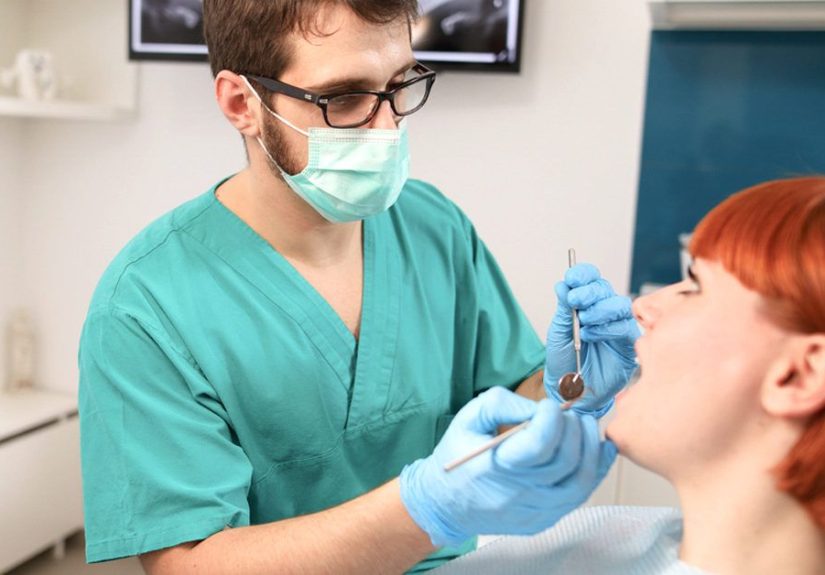
A dental visit for sore gums usually includes a gum and tooth exam, checking for plaque/tartar, and assessing whether
there are gum pockets around teeth. Dentists may measure pocket depth around the tooth-gum groove and look for areas
that suggest gum disease. X-rays may be used if an abscess, crack, or bone involvement is suspected.
Treatment depends on the cause:
- Gingivitis: professional cleaning + improved brushing and interdental cleaning at home.
- Periodontitis: deeper cleaning (scaling and root planing) and possibly referral to a periodontist.
- Abscess: draining the infection, treating the tooth (root canal or extraction if needed), and
antibiotics in cases where infection is spreading or risk is higher. - Pericoronitis/wisdom tooth problems: cleaning under the gum flap, targeted treatment, and sometimes
wisdom tooth removal if recurring or severe.
How to prevent sore gums from coming back
- Brush twice daily with fluoride toothpaste, focusing gently along the gumline.
- Clean between teeth daily (floss or another interdental tool that fits your teeth).
- Get regular dental checkups and cleaningstartar can’t be brushed off at home.
- Don’t smoke. Tobacco increases gum disease risk and slows healing.
- Manage chronic conditions (like diabetes) with your medical team.
- Listen to recurring patterns: if the back gum flares every few months, it’s often a wisdom-tooth
story waiting to be told.
Experience-based notes (what people commonly report in real life)
While every mouth is unique (and some are dramatically unique), the “stories” of sore gums tend to fall into a few
recognizable categories. Here are experiences people commonly describeso you can compare your symptoms without
spiraling into a midnight internet rabbit hole titled “Is my gum pain a rare Victorian disease?”
The “I started flossing and now my gums hate me” phase
A lot of people notice soreness between teeth right after they recommit to flossing. This doesn’t always mean flossing
is bad. Often it means the gums were already inflamed and are now being disturbed (gently) for the first time in a
while. The tenderness usually improves within several days if technique is gentle and consistent. People often say the
bleeding and soreness are worst the first few daysthen gradually drop off as gums become healthier. The key detail:
improving over time. If it’s getting worse, that’s when a dentist visit becomes more important.
The “popcorn kernel betrayal”
Some gum pain is hilariously specific: “It hurts exactly between these two teeth, and I can feel it every time I bite.”
Often, it’s something stucklike a popcorn hullpressing into the gum. People report a sharp, annoying soreness that
feels more like a splinter than a bruise. Gentle flossing and warm rinses sometimes solve it quickly. But when the gum
stays swollen or the spot keeps throbbing, it can be a sign the area got irritated enough to inflameor there may be
an underlying pocket or gum issue that made food trapping more likely in the first place.
The “back-of-mouth gum flap” saga
Back gum soreness can feel like a mystery because it’s hard to see and hard to clean. People often describe it as “a
tender lump behind my last molar” or “a sore flap over a tooth that’s kind of coming in.” Sometimes there’s a bad taste
that shows up out of nowhere, or chewing on that side feels like stepping on a LEGOexcept the LEGO is in your mouth.
Those experiences line up with wisdom tooth irritation and pericoronitis. In mild cases, symptoms calm down with careful
cleaning and professional advice. In recurring cases, many people find the problem keeps returning until the wisdom tooth
is treated or removed.
The “one tooth is throbbing and the gum feels angry” red flag
When soreness is focused around one tooth, people frequently describe throbbing pain, pain when biting, or a sensation
of pressure that doesn’t go away. Some notice a bump that looks like a pimple on the gum, or they get a sudden bad taste
from drainage. Those experiences are commonly associated with abscesses or significant tooth issues. The big takeaway:
this pattern is less likely to resolve with home care alone. Many people report wishing they had gone in soonerbecause
once infection and swelling escalate, it’s harder to eat, sleep, and function like a regular human.
The “everything’s tender during pregnancy (and I didn’t change anything)” surprise
Pregnancy-related gum sensitivity is a common theme: gums feel sore or bleed more easily, even with normal brushing.
People often say, “I’m brushing the samewhy is my mouth acting brand new?” Hormonal changes can make gums more reactive
to plaque, which means the routine may need to be even more gentle and consistent. Many report improvement after a dental
cleaning and small tweakslike a softer brush, extra attention to the gumline, and daily interdental cleaning.
If any of these experiences sound familiar, use them as a cluenot a diagnosis. The most helpful pattern is this:
if symptoms are improving with gentle care, that’s reassuring; if symptoms are persistent, worsening, or paired
with swelling/fever/drainage, it’s time to get checked.
Conclusion
Sore gums usually have a practical explanation: plaque-related inflammation, irritation between teeth, wisdom tooth
trouble in the back of the mouth, or a localized tooth problem like an abscess. The location of the soreness is a
helpful clueback-of-mouth pain often points to wisdom teeth or pericoronitis; between-teeth pain commonly relates to
gingivitis, flossing technique, or food trapping; and pain over one tooth deserves extra attention because infection or
deeper tooth issues are more likely.
Start with gentle cleaning, warm salt-water rinses, and avoiding irritants. Then watch the trend. If things improve in a
few days, you’re probably dealing with irritation or early inflammation. If symptoms persist, worsen, or come with fever,
swelling, drainage, difficulty opening your mouth, or trouble swallowingget professional care promptly. Your gums can
be dramatic, but they’re also honest: when they hurt, they’re asking for a better plan.