Table of Contents >> Show >> Hide
- The quick takeaway (for the exhausted and hungry)
- Why spicy food feels “spicier” when you’re pregnant
- Myths vs. facts about spicy food in pregnancy
- Real facts: when spicy food can be a problem
- Is there any benefit to spicy food during pregnancy?
- How to eat spicy food safely during pregnancy (without suffering)
- 1) Keep spice “normal,” not extreme
- 2) Avoid spicy food right before bed
- 3) Pair spice with reflux-friendly foods
- 4) Eat smaller portions (yes, it matters)
- 5) Watch the real troublemakers: grease + spice + late-night timing
- 6) Be careful with food safety (especially with spicy foods that come from risky sources)
- What to do if spicy food triggers heartburn
- What about spicy cravings during pregnancy?
- Special situations: when you should be extra cautious
- So… should you eat spicy food while pregnant?
- Experiences: what spicy food in pregnancy can feel like (about )
- Conclusion
Pregnancy does funny things to a person. One day you’re crying because a commercial showed a puppy. The next day
you’re standing in front of the fridge at 2 a.m. thinking, “What if I dipped pickles in salsa… and then put hot sauce on it?”
If you’ve heard that spicy food in pregnancy is “forbidden,” “dangerous,” or “will set your baby on fire,” take a breath.
The truth is way less dramatic (sorry, internet). For most people, spicy food is generally safe during pregnancybut it can
be uncomfortable, especially if heartburn and indigestion have entered the chat.
Let’s separate myth from fact, explain what’s actually going on in your digestive system, and give you realistic ways to enjoy heat
without spending the night bargaining with your esophagus.
The quick takeaway (for the exhausted and hungry)
- Spicy foods don’t harm your baby in normal amounts for most pregnancies.
- Spicy foods can worsen heartburn, reflux, or nauseawhich are already common in pregnancy.
- Spicy food won’t reliably induce labor. It may just induce regret.
- Moderation + smart timing (and a little strategy) usually lets you keep your favorite flavors.
- If you have severe symptoms or pregnancy complications, get personalized guidance from your clinician.
Why spicy food feels “spicier” when you’re pregnant
Spicy food doesn’t actually raise the temperature of your body. The “burn” comes from compounds like
capsaicin (in chili peppers) that trigger heat-sensing nerves in your mouth and digestive tract. In other words,
your body is reacting to a chemical signal, not literal flames.
During pregnancy, two big things can make spicy meals feel like a bigger deal:
1) Hormones relax the “lid” between your stomach and esophagus
Progesterone helps pregnancy thrive, but it also relaxes smooth muscleincluding the lower esophageal sphincter,
the valve that normally helps keep stomach acid where it belongs. When that valve relaxes, reflux is more likely,
and spicy foods can be a trigger for symptoms.
2) Your growing uterus adds pressure
As your pregnancy progresses, abdominal pressure increases. That pressure can push stomach contents upward,
making heartburn easier to provokeespecially after big meals, late meals, or rich/spicy foods.
Myths vs. facts about spicy food in pregnancy
Myth #1: “Spicy food will hurt the baby.”
Fact: For most pregnancies, normal spicy food intake is not linked to fetal harm. Your baby isn’t “tasting”
the heat the way you do, and spicy food does not “burn the baby.” What’s much more common is that
you may feel heartburn, reflux, or digestive upset.
Myth #2: “Spicy food causes miscarriage.”
Fact: There’s no good evidence that eating spicy foods in typical dietary amounts causes miscarriage.
Miscarriage is common and usually related to chromosomal or medical factorsnot whether you ate a spicy burrito.
If you’ve been told to avoid certain foods for a specific medical reason (like severe reflux, hyperemesis, or other complications),
follow your clinician’s advice.
Myth #3: “If you eat spicy food, your baby will be bald / have a bad temper / come out spicy.”
Fact: Baby hair and temperament aren’t decided by hot sauce. (If they were, some of us would be raising tiny dragons.)
These are classic old wives’ talesfun at baby showers, not useful for medical decisions.
Myth #4: “Spicy food causes labor.”
Fact: Spicy food is not a reliable method to induce labor. Some clinicians explain that very spicy food can cause
gastrointestinal distress, which may irritate the uterus and create crampy contractionsbut that’s not the same as true labor.
Translation: you may end up uncomfortable and still pregnant.
Myth #5: “Spicy food always causes heartburn in pregnancy.”
Fact: Spicy foods are a common trigger, but not a universal one. Some people can handle salsa like a champ;
others get heartburn from a single pepper flake. Pregnancy is not the time for moral judgment about your spice tolerance.
It’s the time for data: eat, observe, adjust.
Real facts: when spicy food can be a problem
While spicy food itself isn’t “dangerous” for most pregnancies, it can amplify symptoms you may already be dealing with.
The main culprits:
Heartburn and acid reflux
Heartburn is common in pregnancy, especially later on. Spicy foods can trigger symptoms in some people, and pregnancy
increases baseline risk. If your chest feels like it’s auditioning for a dragon role after dinner, spicy food may be part of the story.
Nausea, vomiting, and food aversions
Early pregnancy nausea is often helped by bland, low-fat foods eaten in small, frequent meals. If spicy foods worsen nausea,
that’s a valid reason to take a breakno one gets a prize for powering through chili oil while queasy.
Diarrhea or digestive upset
A spicy meal can speed things up for some people, especially if it’s also greasy, rich, or eaten quickly. If you’re already dealing
with pregnancy digestive unpredictability, spicy food may add chaos.
Hemorrhoids and “exit strategy discomfort”
Let’s be grown-ups: pregnancy hemorrhoids are common, and spicy foods can make bowel movements feel more intense.
If it stings twiceonce going in and once going outdial back the heat and focus on hydration and fiber.
Is there any benefit to spicy food during pregnancy?
Spicy food isn’t a magic prenatal supplement, but it can have practical advantages:
- Flavor without extra sugar: Heat can make food satisfying without relying on sweets.
- Appetite support: If you’re dealing with bland-food fatigue, spice can help meals feel appealing again.
- Cultural and comfort connection: If spicy cuisine is part of your normal diet, keeping it (when tolerated) can support well-being.
One important caveat: “benefit” doesn’t mean “more is better.” Extreme spice challenges and mega-dose capsaicin supplements are
not the same thing as enjoying your usual spicy noodles.
How to eat spicy food safely during pregnancy (without suffering)
1) Keep spice “normal,” not extreme
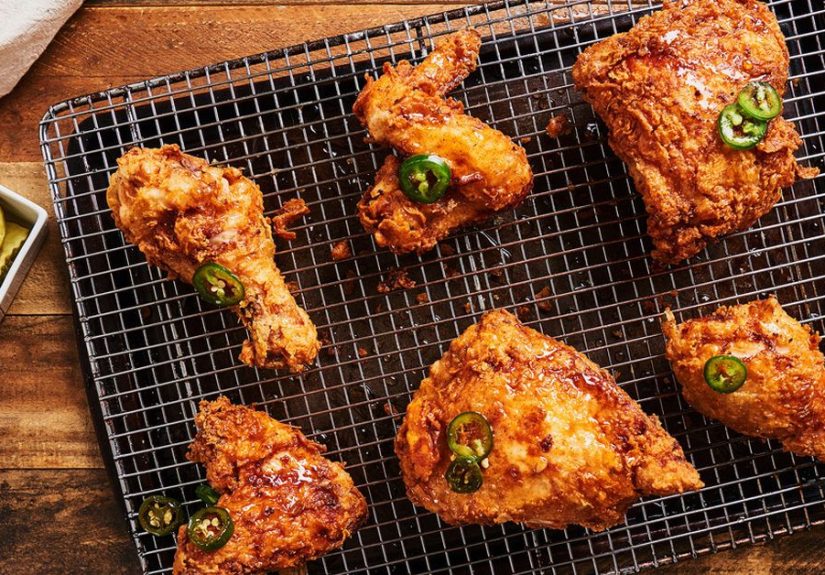
If your idea of spicy is “extra jalapeños,” you’re probably fine. If your idea of spicy is “I signed a waiver and the menu item has a skull on it,”
pregnancy is a great time to retire from competitive heat.
2) Avoid spicy food right before bed
Reflux tends to worsen when you lie down, especially after eating. If heartburn is your enemy, schedule spicy meals earlier in the day and
aim to finish eating a couple of hours before bedtime.
3) Pair spice with reflux-friendly foods
- Choose grilled/baked proteins instead of fried.
- Go lighter on tomato-heavy sauces if those trigger reflux.
- Add non-acidic sides (rice, oatmeal, potatoes, steamed veggies) to dilute the “burn.”
- Consider dairy or yogurt if you tolerate it (it can soothe the sensation for some people).
4) Eat smaller portions (yes, it matters)
Pregnancy heartburn often responds to meal size. Smaller, more frequent meals can reduce stomach pressure and reflux.
You can still eat spicy foodjust don’t make it a spicy buffet event.
5) Watch the real troublemakers: grease + spice + late-night timing
Many people blame “spice,” but the worst symptoms come from the combo: a large, fatty meal with heatthen lying down.
Try changing one variable at a time so you know what actually triggers you.
6) Be careful with food safety (especially with spicy foods that come from risky sources)
Spicy food doesn’t prevent foodborne illness. During pregnancy, you’re at higher risk from certain germs (like Listeria),
so focus on safe food handling and safer choices:
- Make sure meats, eggs, and seafood are fully cooked.
- Avoid unpasteurized dairy (including some soft cheeses and queso fresco-type products unless you know it’s pasteurized).
- Wash produce thoroughly.
- Be cautious with refrigerated ready-to-eat foods, deli items, and foods linked to recalls or outbreaks.
What to do if spicy food triggers heartburn
If you love spicy food but your esophagus has filed a complaint, try these comfort-first tactics:
- Eat smaller meals and avoid lying down right after eating.
- Elevate your upper body during sleep (gravity is your friend).
- Keep a simple food-and-symptom log for a week to spot patterns.
- Talk to your clinician if you need medication guidancesome over-the-counter options are commonly recommended in pregnancy, but you should confirm what’s right for you.
Call your healthcare provider promptly if you have severe symptoms like difficulty swallowing, vomiting blood, black/tarry stools,
significant unintentional weight loss, or persistent vomiting and dehydration. Pregnancy is not the time to tough it out.
What about spicy cravings during pregnancy?
Cravings are common, and spicy cravings can show up even in people who were previously “mild salsa only.” Hormones, smell sensitivity,
and appetite changes can all play a role. The best approach is boringbut effective:
- If spicy foods make you feel good and don’t cause symptoms, enjoy them in moderation.
- If they cause reflux or nausea, scale back, change timing, or choose milder heat (think: poblano instead of habanero).
- If cravings feel extreme or you’re struggling to eat enough overall, check in with your prenatal care team.
Special situations: when you should be extra cautious
If you have hyperemesis gravidarum or severe nausea/vomiting
When nausea is severe, clinicians often recommend a bland, low-fat, small-meals approach. Spicy food may be a direct trigger.
Your goal is hydration and caloriesnot bravery.
If you have GERD, ulcers, IBS, or a history of reflux
Pregnancy can worsen reflux even in people who were previously fine. If you already have a digestive condition, you may need a stricter
plan for managing spicy foods.
If you’re trying to “use spicy food to induce labor”
If you’re at the “get this baby out of me” stage, it’s understandable to try folk remedies. But spicy food is not reliable for inducing labor.
If you’re considering induction methods, the safest path is a conversation with your clinician about what’s appropriate and when.
So… should you eat spicy food while pregnant?
For most people: yes, if you tolerate it. Spicy food in pregnancy is less about “safety” and more about
“Do I want to feel like this afterward?”
Think of spice like a volume knob. You don’t have to turn it off. You just might not want it on maximum at midnight
after a greasy meal when your third-trimester stomach has the structural integrity of a trampoline.
Experiences: what spicy food in pregnancy can feel like (about )
People’s experiences with spicy food during pregnancy are all over the mapwhich is comforting, because if your cravings make no sense,
you’re in excellent company. A common story goes like this: before pregnancy, you liked a little heat. Then the first trimester arrives and suddenly
even the idea of chili flakes feels like a personal attack. You don’t just avoid spicy foodyou avoid the aisle where spicy food lives.
Meanwhile, your partner opens a bag of chips and you can smell the seasoning from three rooms away like you’ve been trained by the CIA.
Then, somewhere in the second trimester, things can flip. Nausea often eases for many people, appetite returns, and suddenly spicy food sounds
oddly comforting. Some describe it as wanting “real flavor” againlike your taste buds woke up from a long nap and demanded entertainment.
You might find yourself happily eating tacos with hot sauce at lunch, thinking, “See? I’m thriving.” And you are… until you learn the difference between
lunch-spicy and bedtime-spicy.
The third trimester is where spicy food becomes a negotiation. Many people report they can still eat it, but they need a strategy: smaller portions,
earlier timing, and a willingness to admit that the world’s spiciest wings are not a personality trait. One very real experience is the “delayed heartburn.”
You eat the spicy meal and feel finethen two hours later, you’re propped up in bed like a Victorian novel character whispering, “Tell my story.”
It’s not that spicy food suddenly became evil; it’s that pregnancy physiology makes reflux easier, and spicy foods can be a trigger.
Another common experience is the “spice tolerance illusion.” You may think you can handle heat because your mouth is fine, but your stomach has other plans.
Or you may find the opposite: mild spice goes down great, and you’re shocked by how much you enjoy it. That’s why a practical approach works best:
test your tolerance gently, keep the heat at a level that feels good, and don’t treat every craving like a dare.
Finally, some people try spicy food as a labor-induction trick near the end of pregnancy. The shared takeaway tends to be:
it may lead to bathroom drama, but it rarely leads to a baby. If you want to keep spicy food as a comfort food, it’s usually better to enjoy it because
you love itnot because you’re hoping it will kickstart contractions.
Bottom line from lived experience: spicy food in pregnancy is often safe, sometimes glorious, and occasionally a trap. If it makes you feel good, enjoy it.
If it makes you miserable, change the plan. Your body gives feedback. Pregnancy is basically nine months of learning to listen to it.
Conclusion
Spicy food in pregnancy comes with a lot of folklore and not a lot of proof. The facts are refreshingly simple: spicy foods don’t typically harm the baby,
but they can absolutely annoy your digestive systemespecially when pregnancy hormones and pressure make heartburn easier. If you tolerate spice, enjoy it.
If it triggers reflux or nausea, adjust the heat, timing, and portion size. And if symptoms are severe or persistent, bring your clinician into the loop.