Table of Contents >> Show >> Hide
- What Is Squamous Cell Lung Carcinoma?
- Common Symptoms of Squamous Cell Lung Carcinoma
- Risk Factors: Why Does It Happen?
- How Squamous Cell Lung Carcinoma Is Diagnosed
- Staging: What Stage Means and Why It Matters
- Treatment Options for Squamous Cell Lung Carcinoma
- Life After Diagnosis: Practical Steps That Help
- Screening and Early Detection
- Prognosis: What Affects Outlook?
- Experiences and Real-Life Lessons Around Squamous Cell Lung Carcinoma
- Conclusion
Note: This article is for educational purposes only and should not replace medical advice from a licensed healthcare professional. Anyone with possible lung cancer symptoms, a new diagnosis, or treatment questions should speak with an oncology care team.
Squamous cell lung carcinoma is one of those medical terms that sounds like it was assembled by a committee of people who enjoy long words. But the meaning is more straightforward than the name: it is a type of non-small cell lung cancer that begins in squamous cells, the thin, flat cells that line parts of the airways inside the lungs.
This cancer is strongly linked with cigarette smoking, though it can also occur in people who have never smoked. It often starts near the central airways, which means symptoms may include coughing, wheezing, shortness of breath, chest discomfort, or coughing up blood. Sometimes, however, it stays quiet for a whilelike a bad roommate who does not announce itself until the fridge is empty.
Understanding squamous cell lung carcinoma matters because staging and treatment have changed dramatically. Surgery, radiation therapy, chemotherapy, immunotherapy, and biomarker testing can all play a role. The best plan depends on where the tumor is, whether it has spread, the person’s overall health, lung function, and the molecular features of the cancer.
What Is Squamous Cell Lung Carcinoma?
Squamous cell lung carcinoma, also called lung squamous cell carcinoma or squamous non-small cell lung cancer, is a subtype of non-small cell lung cancer. Non-small cell lung cancer is the most common broad category of lung cancer, and its main subtypes include adenocarcinoma, squamous cell carcinoma, and large cell carcinoma.
Squamous cell lung carcinoma usually develops in the cells lining the bronchial tubes, the air passages that carry air in and out of the lungs. Because it often grows near these larger airways, it may cause symptoms related to airway blockage earlier than some tumors that begin farther out in the lung. Still, “earlier” does not always mean “early,” which is why screening and timely evaluation are so important for people at higher risk.
Common Symptoms of Squamous Cell Lung Carcinoma
Symptoms can vary from person to person. Some people notice several changes, while others have no obvious symptoms until imaging finds a suspicious lung nodule. The most common symptoms include:
- A cough that does not go away or keeps getting worse
- Coughing up blood or rust-colored mucus
- Shortness of breath during normal activities
- Wheezing or noisy breathing
- Chest pain that may worsen with deep breathing, coughing, or laughing
- Hoarseness or voice changes
- Repeated lung infections, such as pneumonia or bronchitis
- Unexplained weight loss, fatigue, or loss of appetite
These symptoms do not automatically mean cancer. A lingering cough can come from asthma, infection, allergies, reflux, or a dozen other less dramatic suspects. But symptoms that persist, worsen, or include blood deserve medical attention. Your lungs are not supposed to send mystery messages in red ink.
Symptoms When Cancer Spreads
If squamous cell lung carcinoma spreads beyond the lung, symptoms may depend on the affected area. Bone spread may cause pain. Brain involvement may cause headaches, weakness, balance problems, or vision changes. Liver involvement may cause abdominal discomfort, appetite changes, or yellowing of the skin and eyes. Again, these symptoms can have many causes, but they should never be ignored.
Risk Factors: Why Does It Happen?
The biggest risk factor for squamous cell lung carcinoma is smoking. Tobacco smoke contains carcinogens that damage DNA in airway cells. Over time, repeated injury can cause abnormal cells to grow out of control. The risk increases with the number of years smoked and the number of cigarettes smoked per day.
Other risk factors include secondhand smoke, radon exposure, workplace exposure to asbestos or certain chemicals, air pollution, previous radiation therapy to the chest, and a family history of lung cancer. People with chronic lung diseases may also have increased vulnerability. Quitting smoking at any age can reduce risk, improve lung function, and help the body tolerate treatment better if cancer is diagnosed.
How Squamous Cell Lung Carcinoma Is Diagnosed
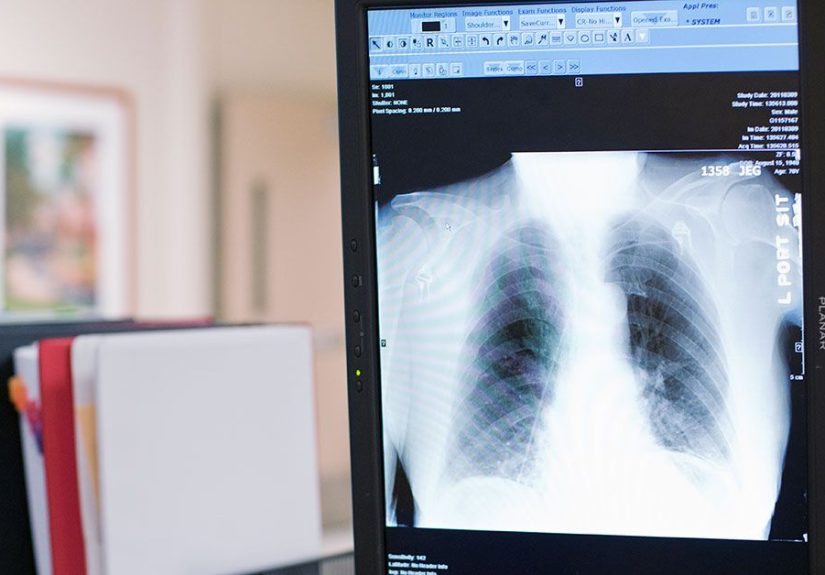
Diagnosis usually begins with a medical history, physical exam, and imaging tests. A chest X-ray may show an abnormal spot, but a CT scan gives more detailed information about the size and location of a tumor. If cancer is suspected, doctors need tissue confirmation. That means a biopsy.
A biopsy may be done through bronchoscopy, where a thin tube is passed into the airways, or with a needle guided by imaging. In some cases, surgery is needed to obtain enough tissue. A pathologist then examines the sample under a microscope to identify the cancer type.
Biomarker Testing
Biomarker testing looks for specific features that may guide treatment. In squamous cell lung carcinoma, targetable mutations are generally less common than in lung adenocarcinoma, but testing can still matter, especially in advanced disease or in people with little or no smoking history. PD-L1 testing is often used to help determine whether immunotherapy may be useful.
Staging: What Stage Means and Why It Matters
Staging describes how far the cancer has grown or spread. Doctors commonly use the TNM system:
- T describes the size and local extent of the main tumor.
- N describes whether nearby lymph nodes contain cancer.
- M describes whether the cancer has metastasized to distant parts of the body.
Staging helps the oncology team decide whether the goal is cure, long-term control, symptom relief, or a combination of these. It also helps patients understand why one person may be offered surgery while another receives chemotherapy, radiation, and immunotherapy.
Stage 0
Stage 0 means abnormal cancer cells are found only in the lining of the airway and have not invaded deeper tissue. This is sometimes called carcinoma in situ. It is uncommon but may be treated with local therapies in carefully selected cases.
Stage I
Stage I squamous cell lung carcinoma is usually limited to the lung and has not spread to lymph nodes. Surgery is often considered if the person is healthy enough and has adequate lung function. Stereotactic body radiation therapy may be an option for people who cannot have surgery.
Stage II
Stage II cancer may be larger or may involve nearby lymph nodes. Treatment often includes surgery when possible, sometimes followed by chemotherapy or immunotherapy depending on the tumor features and overall risk of recurrence.
Stage III
Stage III disease has usually spread to lymph nodes in the chest or nearby structures. Some cases may still be treated with surgery as part of a larger plan, but many require combined therapy such as chemotherapy and radiation, followed by immunotherapy when appropriate.
Stage IV
Stage IV means the cancer has spread to distant areas, such as the other lung, bones, brain, liver, or adrenal glands. Treatment usually focuses on systemic therapy, which travels throughout the body. This may include immunotherapy, chemotherapy, targeted therapy when a target is found, radiation for symptom control, or clinical trials.
Treatment Options for Squamous Cell Lung Carcinoma
Treatment is not one-size-fits-all. It is more like tailoring a suit, except the suit is made of scans, lab reports, lung function tests, and several specialists who speak fluent acronym. The main treatment options include surgery, radiation therapy, chemotherapy, immunotherapy, targeted therapy, and supportive care.
Surgery
Surgery may be recommended for early-stage squamous cell lung carcinoma when the tumor can be removed safely. Procedures may include wedge resection, segmentectomy, lobectomy, or pneumonectomy. A lobectomy, which removes one lobe of the lung, is common when the person’s lung function allows it. Nearby lymph nodes are often removed or sampled to check for spread.
Radiation Therapy
Radiation therapy uses high-energy beams to damage cancer cells. It may be used when surgery is not possible, after surgery to lower recurrence risk, with chemotherapy for stage III disease, or to relieve symptoms from cancer that has spread. Stereotactic body radiation therapy delivers focused radiation in fewer sessions and may be used for small tumors in people who cannot undergo surgery.
Chemotherapy
Chemotherapy uses drugs that attack fast-growing cells. For squamous non-small cell lung cancer, platinum-based chemotherapy combinations are commonly used. Chemotherapy may be given before surgery, after surgery, with radiation, or for advanced disease. Side effects vary but may include fatigue, nausea, lower blood counts, hair thinning, and increased infection risk.
Immunotherapy
Immunotherapy helps the immune system recognize and attack cancer cells. Immune checkpoint inhibitors have become important in treating non-small cell lung cancer, including squamous cell lung carcinoma. They may be used alone or with chemotherapy depending on stage, PD-L1 expression, prior treatment, and overall health.
Targeted Therapy
Targeted therapy attacks specific cancer-related changes. Squamous cell lung carcinoma has fewer classic targetable driver mutations than some other lung cancers, but testing may still reveal actionable alterations in select patients. This is one reason patients should ask whether biomarker testing is appropriate for their case.
Palliative and Supportive Care
Palliative care is not “giving up.” It is specialized care focused on symptoms, comfort, emotional support, and quality of life. It can be used at any stage and alongside active cancer treatment. Supportive care may help manage pain, shortness of breath, fatigue, appetite changes, anxiety, sleep problems, and treatment side effects.
Life After Diagnosis: Practical Steps That Help
A diagnosis of squamous cell lung carcinoma can feel overwhelming. The first appointment may come with a parade of new words: biopsy, staging, PD-L1, mediastinum, metastasis, resection. It is a lot. Bringing a notebook, recording questions, and having a trusted person attend appointments can make the process less chaotic.
Helpful questions include:
- What stage is the cancer, and how was that determined?
- Has the tumor been tested for biomarkers?
- Is surgery possible?
- What are the goals of treatment?
- What side effects should I expect?
- Are clinical trials available?
- Who should I call if symptoms suddenly worsen?
Screening and Early Detection
Lung cancer screening with low-dose CT is recommended for certain adults at high risk because of age and smoking history. Screening is meant for people without symptoms. If symptoms are already present, the situation is no longer routine screeningit becomes diagnostic evaluation. That distinction matters because symptoms require prompt medical attention, not a “let’s check next year” approach.
Early detection can change treatment options. A small, localized tumor may be removable. A more advanced cancer may require combined therapy. Either way, earlier information usually gives patients and doctors more choices.
Prognosis: What Affects Outlook?
Prognosis depends on stage, tumor biology, treatment response, general health, lung function, age, smoking status, and other medical conditions. Early-stage disease generally has a better outlook than advanced disease. However, statistics describe groups, not individuals. A survival number is not a personal expiration date stamped by a gloomy office printer.
Modern treatment has improved outcomes for many people with non-small cell lung cancer. Immunotherapy, better imaging, improved radiation techniques, minimally invasive surgery, biomarker testing, and clinical trials have all changed the landscape. The most useful conversation is not “What does the internet say?” but “What does my oncology team know about my exact case?”
Experiences and Real-Life Lessons Around Squamous Cell Lung Carcinoma
Many people first encounter squamous cell lung carcinoma through a symptom that seems ordinary. A cough lingers after a cold. A person gets winded walking up stairs. Another notices repeated bronchitis. At first, these symptoms may be blamed on aging, allergies, smoking history, stress, or “probably nothing.” That is understandable. Most coughs are not cancer. But one of the most common experiences patients describe is wishing they had taken persistent symptoms seriously sooner.
A practical lesson is to track changes. Write down when a cough began, whether mucus changed color, whether there was blood, whether shortness of breath is new, and whether weight loss is intentional. Doctors can work faster when the story is clear. A vague “I feel off” is valid, but “I have had a worsening cough for eight weeks and lost ten pounds without trying” gives the clinician sharper tools.
Another common experience is confusion after diagnosis. Patients may hear “squamous,” “non-small cell,” and “stage III” in the same visit, then go home and search online until every tab looks like a medical haunted house. A better approach is to ask the care team for the written pathology report, imaging report, and treatment plan. Understanding the basicstype, stage, biomarkers, and treatment goalcan make the situation feel less like fog and more like a map.
Family members often want to help but do not know how. The most useful help is usually practical: driving to appointments, organizing medications, preparing easy meals, handling insurance calls, or sitting quietly during treatment days. Not every supportive moment needs a motivational speech. Sometimes the best cancer support is soup, clean laundry, and someone who does not say, “Everything happens for a reason.”
People receiving chemotherapy, immunotherapy, or radiation may also learn that side effects are not always predictable. One person may feel tired for days; another may continue many normal activities. Some symptoms need urgent attention, including fever, severe shortness of breath, chest pain, sudden weakness, confusion, or signs of an allergic reaction. Patients should receive clear instructions about when to call the clinic and when to seek emergency care.
Emotionally, the diagnosis can create fear, anger, guilt, and uncertainty. People with a smoking history may feel judged, but blame does not treat cancer. Compassion helps. So does smoking cessation support when relevant, because quitting can improve treatment tolerance, wound healing, breathing, and overall health. The goal is not to rewrite the past; it is to give the body the best possible support now.
Finally, many patients discover that cancer care is a team sport. Pulmonologists, thoracic surgeons, medical oncologists, radiation oncologists, nurses, dietitians, respiratory therapists, social workers, and palliative care specialists may all contribute. The patient is not a passenger in this process. Asking questions, reporting symptoms early, and speaking up about personal priorities can shape care in meaningful ways.
Conclusion
Squamous cell lung carcinoma is a serious form of non-small cell lung cancer, but it is not a single, simple story. Symptoms may include cough, shortness of breath, chest pain, wheezing, fatigue, or coughing up blood. Staging helps determine whether treatment may involve surgery, radiation, chemotherapy, immunotherapy, targeted therapy, supportive care, or a combination of approaches.
The most important takeaway is this: persistent lung symptoms deserve attention, and a diagnosis deserves a clear, personalized treatment plan. Medicine has moved beyond the days when lung cancer care was a narrow road. Today, testing, staging, and treatment choices are more precise, and patients have more opportunities to ask informed questions and participate in decisions.