Table of Contents >> Show >> Hide
- What Is Steam Inhalation?
- How Steam Inhalation May Help
- What Steam Inhalation Does Not Do
- Steam Inhalation Procedure: How to Do It Safely
- How Often Should You Do Steam Inhalation?
- Main Risks of Steam Inhalation
- Who Should Be Extra Careful?
- Safer Alternatives to Steam Inhalation
- When to See a Doctor Instead of Relying on Steam
- Common Questions About Steam Inhalation
- The Bottom Line
- Common Experiences With Steam Inhalation: What People Often Notice
- SEO Tags
When your nose feels like it has been packed with wet cement and your sinuses are staging a tiny rebellion, steam inhalation can sound like a beautiful idea. It is cheap, simple, and has strong “grandma knew what she was doing” energy. But before you throw a towel over your head and turn your bathroom into a low-budget spa, it helps to know what steam inhalation can actually do, what it cannot do, and where the real risks begin.
Steam inhalation is a home remedy people use to ease nasal congestion, sinus pressure, and irritated airways. The basic idea is straightforward: warm, moist air may help loosen mucus, moisten dry nasal passages, and make breathing feel a little easier for a short time. That said, steam is not a cure for a cold, flu, sinus infection, or allergies. It does not magically vaporize viruses. It does not bully bacteria into moving out. What it may do is help you feel more comfortable while your body does the heavy lifting.
This matters because steam inhalation sits in that tricky zone between “helpful comfort measure” and “please do not spill a bowl of hot water in your lap.” Many people find it soothing. Many pediatric experts also warn that hot steam and hot-water vaporizers can cause serious burns, especially in children. So the smart approach is not blind devotion or dramatic rejection. It is learning how to use steam carefully, when it makes sense, and when a safer option may be better.
What Is Steam Inhalation?
Steam inhalation is the practice of breathing in warm, moist air to temporarily relieve upper respiratory symptoms. People usually try it when they have:
- a stuffy or runny nose
- sinus pressure
- dry nasal passages
- mild throat irritation
- cold-related congestion
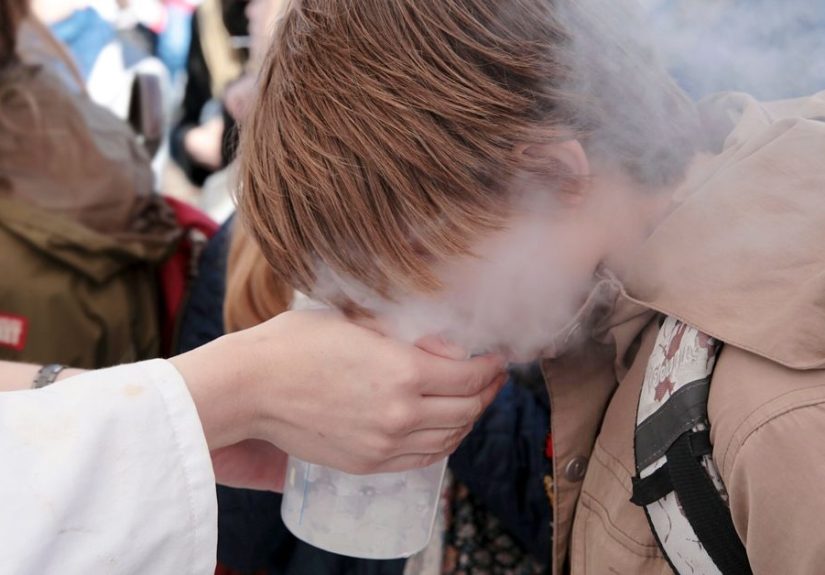
Some use steam from a hot shower. Others sit in a steamy bathroom. Some adults use a bowl of hot water with a towel draped over the head. The goal is the same in each case: expose the nose and upper airways to moisture and warmth.
That warmth may help thin mucus and make swollen nasal passages feel more open. The keyword here is feel. Relief is often temporary, and the scientific evidence on whether steam meaningfully improves cold symptoms is mixed. In other words, steam inhalation may help you feel less miserable, but it is not the superhero cape of respiratory care.
How Steam Inhalation May Help
1. It can temporarily ease nasal congestion
One of the main reasons people try steam inhalation is to get relief from a blocked nose. Warm moisture can make thick mucus feel looser and help nasal passages feel less dry and irritated. For someone dealing with a garden-variety cold or mild sinus pressure, that short-term comfort can be enough to make sleep, talking, and basic existence a little less dramatic.
2. It may soothe dry or irritated nasal passages
Indoor heating, dry winter air, and illness can leave the inside of your nose feeling like sandpaper with opinions. Steam may help restore some moisture to irritated tissues. This does not fix the cause of the irritation, but it can reduce that scratchy, parched feeling that makes every breath annoyingly noticeable.
3. It may help mucus drain more comfortably
Steam is often used when people feel heavy, pressurized, or “full” in the face. Moist air may help mucus move a little more easily, which can reduce that stuffed-up sensation. This is one reason people sometimes feel better after a hot shower during a cold.
4. It can be relaxing
Let us not ignore the emotional science here. Sitting in a warm, steamy space can feel calming. When you are sick, tired, and breathing like a disgruntled accordion, that matters. Steam inhalation may not cure your symptoms, but the comfort and relaxation can still be useful.
What Steam Inhalation Does Not Do
Steam inhalation has limits, and pretending otherwise is how home remedies earn a bad reputation.
- It does not cure a viral infection.
- It does not replace medical treatment for asthma, pneumonia, severe sinusitis, or trouble breathing.
- It does not reliably shorten the length of a cold.
- It does not make antibiotics unnecessary when a true bacterial infection is present.
- It does not “detox” the lungs. Your lungs would like that rumor retired immediately.
Research on steam inhalation for colds and other upper respiratory symptoms has shown mixed results. Some people report relief, but larger reviews and trials have not shown strong or consistent benefits for symptom control. That is why steam works best when framed as a comfort measure, not a treatment miracle.
Steam Inhalation Procedure: How to Do It Safely
If you want to try steam inhalation, safety should be the first step, not the fine print. The safest options usually involve shower steam or a steamy bathroom rather than leaning over a bowl of very hot water.
Option 1: Steam From a Shower
- Run a hot shower until the bathroom gets steamy.
- Turn the water to a comfortable level and sit nearby, not directly under painfully hot water.
- Breathe normally for 5 to 10 minutes.
- Stop if you feel dizzy, overheated, or uncomfortable.
This method avoids handling a bowl of hot water and is often the safest choice for most adults.
Option 2: Steam in a Closed Bathroom
- Close the bathroom door.
- Run a hot shower to fill the room with steam.
- Sit or stand in the room for several minutes while breathing gently.
- Keep sessions short and comfortable.
This is a practical option when you want the moisture without putting your face over hot water.
Option 3: Bowl Steam for Adults Only
This method is the classic one, but it is also the one most associated with spills and burns. If you use it, be extra careful.
- Pour hot water into a sturdy bowl placed on a stable, flat surface.
- Do not use actively boiling water right under your face.
- Sit down comfortably and keep your face several inches away from the bowl.
- Drape a towel loosely over your head if desired, leaving room for fresh air.
- Close your eyes and breathe gently through your nose for 5 to 10 minutes.
- Stop immediately if the steam feels too hot, causes coughing, or makes you lightheaded.
Important: Do not use bowl steam with children. Do not carry a bowl of hot water around. Do not place it on your lap. Do not lean so close that your face feels scorched. That is not therapeutic. That is just a bad decision wearing a towel.
How Often Should You Do Steam Inhalation?
For mild congestion, many people try steam inhalation once or twice a day. More is not always better. If repeated sessions are making your skin feel irritated, leaving you overheated, or not helping at all, take the hint and move on to other supportive care measures such as saline nasal spray, fluids, rest, or a humidifier used correctly.
Steam should feel soothing, not punishing.
Main Risks of Steam Inhalation
1. Burns and scalds
This is the biggest concern by far. Steam can burn skin, and hot water can cause serious scald injuries if spilled. Pediatric hospitals and child health organizations repeatedly warn against hot-water vaporizers and unsupervised steam methods for kids for this exact reason. Burns can happen to the face, chest, thighs, hands, and airway. A home remedy should never end with an urgent care visit and an ice pack the size of a casserole dish.
2. Airway irritation
For some people, very hot steam can irritate the nose, throat, or airways instead of helping. If you start coughing more, feel tightness in the chest, or notice wheezing, stop. People with asthma or sensitive airways should be especially cautious.
3. Dizziness or overheating
Small enclosed bathrooms plus lots of heat can make some people feel woozy. If you become dizzy, flushed, or faint, end the session right away and cool down.
4. Problems from dirty humidifiers or vaporizers
If you use a humidifier instead of direct steam inhalation, the device needs regular cleaning. Dirty units can grow mold and bacteria, which can then get pushed into the air you breathe. That is the opposite of helpful. Fresh water, routine cleaning, and following manufacturer instructions are not optional extras.
5. Essential oil irritation
Some people add menthol, eucalyptus, or peppermint oil to steam. That sounds spa-like and impressive, but it is not automatically safe. Essential oils can irritate the skin and airways, and some are not appropriate for infants or young children. More scent does not equal more medicine.
Who Should Be Extra Careful?
Steam inhalation may not be the best choice, or should be used only with caution, for:
- infants and young children
- people with asthma or reactive airways
- anyone prone to dizziness or fainting
- older adults with balance problems
- people with reduced sensation who may not notice heat quickly
- anyone planning to use essential oils without checking safety first
For children, safer comfort measures usually include saline nose drops, suction for infants when appropriate, fluids, supervised warm shower steam in the room, or a clean cool-mist humidifier. The bowl-over-hot-water approach is not worth the burn risk.
Safer Alternatives to Steam Inhalation
If steam inhalation sounds like more hassle than comfort, you have options.
Cool-mist humidifier
A cool-mist humidifier can add moisture to dry air without the burn risk that comes with hot steam. It must be cleaned properly and used with fresh water.
Saline nasal spray or rinse
Saline can help loosen mucus and relieve nasal dryness. For many people, it is a more practical and better-studied option than steam.
Warm fluids
Tea, broth, and warm water can be soothing, help with hydration, and may make mucus feel easier to manage. Also, soup has excellent emotional range.
Rest and hydration
Classic advice survives for a reason. Fluids and rest help your body recover, even if they are not glamorous enough to trend.
When to See a Doctor Instead of Relying on Steam
Steam inhalation is for mild, temporary symptom relief. It is not the move for red-flag symptoms. Contact a healthcare provider if you have:
- trouble breathing or wheezing that is getting worse
- chest pain
- high fever or fever that lasts several days
- symptoms lasting more than 10 days without improvement
- symptoms that improve and then get worse again
- severe facial pain or swelling
- dehydration
- a cough in an infant younger than 3 months
If steam inhalation seems to trigger more coughing, breathing difficulty, or discomfort, stop using it. Relief should feel like relief.
Common Questions About Steam Inhalation
Can steam inhalation cure a sinus infection?
No. It may temporarily ease congestion or pressure, but it does not treat the underlying cause of a sinus infection.
Is steam inhalation good for a cold?
It may help some people feel more comfortable for a short time, especially when nasal passages feel dry or congested. The evidence for major improvement is mixed.
Can children do steam inhalation?
Children should not lean over bowls of hot water. If steam is used at all, it should be via a supervised warm shower or steamy bathroom, not direct hot-water exposure. A cool-mist humidifier is often the safer choice.
Should I add essential oils?
Not automatically. Essential oils can irritate skin and airways, and some are unsafe for babies and young children. Plain steam is the safer baseline.
The Bottom Line
Steam inhalation is best understood as a comfort strategy, not a cure. It may temporarily relieve nasal congestion, soothe dry passages, and help you feel a bit more human when you are stuffy and miserable. But the benefits are usually short-lived, and the evidence is mixed when it comes to major symptom improvement. The risks, especially burns from hot water and hot steam, are very real.
If you try steam inhalation, go for the safest method possible: a steamy bathroom or hot shower nearby, short sessions, gentle breathing, and zero heroic nonsense with boiling bowls. For children, skip the bowl entirely. For everyone else, remember that supportive care should make life easier, not turn your cold into a cautionary tale.
Common Experiences With Steam Inhalation: What People Often Notice
Many people describe steam inhalation as one of those remedies that feels helpful almost immediately, especially when congestion is at its most dramatic. A common experience is walking into a steamy bathroom with a nose that feels completely blocked, then noticing within a few minutes that breathing through one nostril becomes possible again. It is not always a total transformation, but even partial relief can feel glorious when you have spent the last six hours breathing like a sleepy dragon.
Another frequent experience is that the relief is temporary. People often say they feel looser, clearer, and less pressurized right after steam, but then the congestion slowly creeps back. That does not mean the steam “failed.” It just means its effects are usually short-term. Steam tends to be more like borrowing comfort than owning it. You get a little breathing room, then your sinuses remember they still have opinions.
Some people notice that steam helps most when paired with something else, such as blowing the nose afterward, using saline spray, or drinking warm tea. The moisture seems to make mucus easier to move, so post-steam cleanup can be strangely satisfying. Yes, that is a glamorous sentence, but colds are not glamorous situations.
There are also people who try steam inhalation and feel underwhelmed. They may not notice much difference beyond temporary warmth. This is common too. Steam is not universally effective, and personal responses vary a lot. For some, the main benefit is physical relief. For others, it is the ritual itself: sitting down, slowing down, and doing something that feels caring when they are sick.
Parents often report a different kind of experience entirely: anxiety about safety. That is understandable. Pediatric guidance consistently emphasizes that children can be burned by hot steam, hot-water vaporizers, and spilled bowls. Many families end up choosing a warm shower in a closed bathroom or a cool-mist humidifier instead. In real life, convenience and peace of mind matter. A remedy you can use without worrying that your toddler will sprint into it is usually the better remedy.
People who use essential oils with steam sometimes report a stronger “open” feeling in the nose, but others experience the opposite: stinging eyes, coughing, throat irritation, or a sensation that the air is too harsh. That mixed experience is one reason plain steam is often the better starting point. If your airways are already irritated, adding a strong fragrance can be like inviting a marching band into a library.
One of the most consistent experiences people mention is better comfort before bed. Nighttime congestion often feels worse, and a few minutes in a steamy bathroom can make it easier to settle down and sleep. Even when the effect does not last all night, that small window of comfort can be enough to help someone fall asleep without feeling like they are trying to rest with a brick in each nostril.
Overall, the lived experience of steam inhalation tends to be this: modest relief, brief comfort, and better results when used carefully and with realistic expectations. It can be a helpful part of your cold or sinus routine, but it works best when treated as a supportive tool, not as the main event.