Table of Contents >> Show >> Hide
- What Is a Straight Shaft Trimmer?
- What Is a Curved Shaft Trimmer?
- Straight Shaft Vs. Curved Shaft Trimmer: Quick Comparison
- Which Trimmer Has Better Reach?
- Which Is More Powerful?
- Which Trimmer Is Easier to Control?
- Which Is Better for Tall or Short Users?
- Which Shaft Is Better for Edging?
- Durability and Maintenance
- Attachments and Versatility
- Gas, Battery, or Corded: Does Power Source Change the Choice?
- Who Should Buy a Straight Shaft Trimmer?
- Who Should Buy a Curved Shaft Trimmer?
- Real-World Experiences: What the Difference Feels Like
- Final Verdict: Is a Straight or Curved Shaft Trimmer Better?
A lawn mower handles the broad, respectable middle of the yard. A string trimmer gets every awkward assignment the mower politely refuses: fence lines, flower beds, mailbox posts, tree rings, deck edges, and that mysterious patch of grass growing beneath the kids’ swing set.
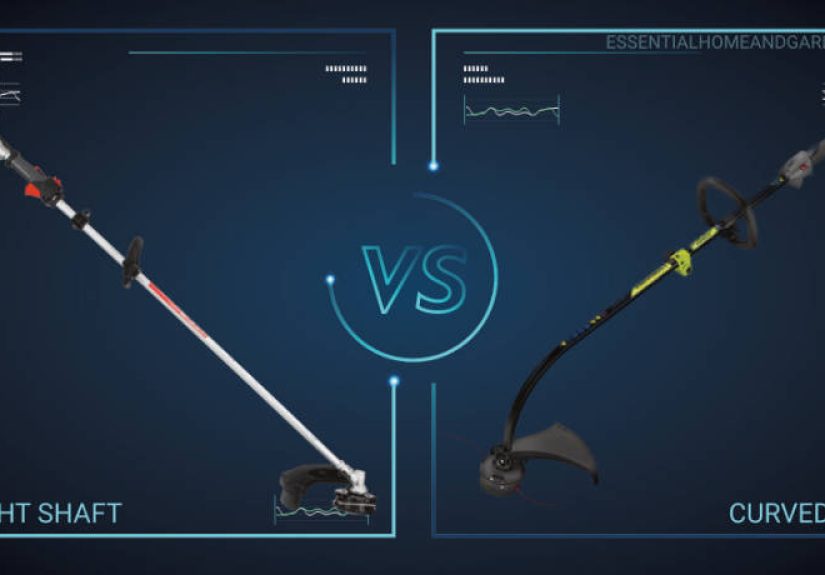
When shopping for a new weed eater, one decision appears almost immediately: straight shaft vs. curved shaft trimmer. Both designs spin cutting line fast enough to make weeds regret their life choices, but they differ in reach, handling, durability, weight, attachment compatibility, and overall comfort.
For most large properties, demanding vegetation, and frequent use, a straight shaft trimmer is generally the better long-term choice. For smaller lawns, light trimming, tight landscaping, and users who prioritize low weight, a curved shaft trimmer may be easier and more affordable.
The best option, however, depends on your height, yard layout, workload, and tolerance for carrying outdoor power equipment in summer humidity. Let’s compare the two designs without turning the discussion into an engineering lecture conducted beside a garden shed.
What Is a Straight Shaft Trimmer?
A straight shaft trimmer has a long, relatively direct tube running from the powerhead to the cutting head. Inside that tube is a drive mechanism that transfers power from the gas engine or electric motor to the spinning trimmer head.
Depending on the model, the internal drive may be a steel cable, a flexible shaft, or a solid steel driveshaft. Commercial-grade machines frequently use rugged components designed for extended operation. A gearbox near the cutting head changes the direction of rotation and delivers power to the spool or approved cutting attachment.
The longer shaft places the cutting head farther from the operator. This added distance improves reach under shrubs, benches, decks, fences, and low branches. It also tends to suit taller users, who can hold the tool without bending forward like they are searching the lawn for a lost contact lens.
Research basis: straight-shaft drive designs, reach, durability, and intended workload.
Common Straight Shaft Trimmer Characteristics
- Longer overall reach
- Better access beneath landscaping obstacles
- Often built for heavier or more frequent work
- More likely to accept attachments or cutting blades
- Usually heavier than comparable curved models
- Often preferred by professional landscapers and taller operators
What Is a Curved Shaft Trimmer?
A curved shaft trimmer bends near the cutting head. Its shorter shape positions the head closer to the operator and often gives the tool a compact, nimble feel. Most curved models use a flexible drive cable that follows the bend in the shaft and transfers power to the cutting head.
This configuration is commonly associated with homeowner-focused, light-duty trimmers. Curved shaft machines are frequently lighter, less expensive, and easier to guide around flower beds, posts, trees, lawn decorations, and other closely spaced obstacles.
The cutting head’s position can also make it easier to see the immediate trimming area. That is useful when working near plants you would prefer to keep, such as roses, hostas, or the one tomato plant that somehow survived your gardening strategy.
Research basis: curved-shaft cable construction, maneuverability, weight, and light-duty positioning.
Common Curved Shaft Trimmer Characteristics
- Shorter, more compact design
- Often lighter and less expensive
- Easy to maneuver in confined areas
- Comfortable for many shorter operators
- Usually intended for grass and light weeds
- Less likely to support blades or multiple attachments
Straight Shaft Vs. Curved Shaft Trimmer: Quick Comparison
| Feature | Straight Shaft Trimmer | Curved Shaft Trimmer |
|---|---|---|
| Reach | Longer; excellent under shrubs and structures | Shorter; better for open, accessible trimming |
| Weight | Usually heavier | Usually lighter |
| Power and durability | Commonly suited to demanding work | Commonly suited to light-duty work |
| Maneuverability | Good, but the long shaft needs more space | Excellent around tight obstacles |
| Operator height | Often more comfortable for taller users | Often more comfortable for shorter users |
| Attachments | More models are attachment-capable | Attachment choices are usually limited |
| Typical price | Often higher | Often lower |
| Best use | Large yards, thick weeds, frequent trimming | Small yards, light grass, detailed trimming |
Which Trimmer Has Better Reach?
The straight shaft wins the reach category. Its longer design allows the trimmer head to extend beneath objects while the operator remains several feet away.
This matters when trimming under:
- Decks and porches
- Low evergreen branches
- Wide shrubs
- Parked trailers or equipment
- Benches and outdoor furniture
- Rail fences and raised structures
A curved shaft can handle ordinary borders and open lawn edges, but its shorter reach may require more bending or stepping into garden beds. That is not a major issue in a simple suburban yard. It becomes much more noticeable on a property filled with hedges, slopes, fences, and mature landscaping.
Longer shafts can also keep the cutting head and flying debris farther from the operator. Regardless of shaft style, eye protection, long pants, sturdy shoes, and appropriate hearing protection should be treated as standard equipment rather than optional fashion accessories.
Research basis: longer-shaft access and safety guidance.
Which Is More Powerful?
Shaft shape alone does not determine a trimmer’s power. Engine displacement, motor output, battery voltage, cutting line, head design, gear ratio, and build quality all matter. A well-designed curved shaft gas trimmer can outperform a weak entry-level straight shaft model.
Nevertheless, straight shaft trimmers are more commonly built for demanding workloads. Their internal drive systems can support durable steel components, and many models are designed to use thicker line, brush-cutting heads, or manufacturer-approved blades.
That makes a straight shaft machine the safer general recommendation for:
- Thick grass along neglected fence lines
- Dense annual weeds
- Large properties
- Frequent trimming sessions
- Rural acreage
- Commercial landscaping
- Jobs requiring a brush cutter attachment
Curved shaft trimmers are usually intended for maintaining grass and light weeds rather than clearing woody growth. Installing an unapproved metal blade on a curved shaft trimmer is unsafe and may damage the machine. Always follow the attachment restrictions in the owner’s manual.
Research basis: light-duty versus aggressive trimming, line capacity, and attachment limitations.
Which Trimmer Is Easier to Control?
A curved shaft trimmer often feels easier to control during light residential work. It is compact, the head is close to the user, and the bend can provide a natural operating angle around flower beds and isolated obstacles.
Imagine trimming around six small trees, a birdbath, two raised beds, and a decorative wagon wheel that nobody remembers purchasing. The shorter curved shaft can make those constant direction changes feel less cumbersome.
A straight shaft provides a wider working radius. This is useful for sweeping through long fence lines and large patches of vegetation, but it may feel less nimble in cramped landscaping. The longer design can also require more careful positioning when moving between shrubs or around patio furniture.
Control depends heavily on balance, handle placement, and fit. A well-balanced straight shaft trimmer may feel easier than a poorly balanced curved model. Before buying, hold the assembled tool in a normal trimming position. Do not judge it only by lifting the box in the store and announcing, “Seems light enough.” Twenty minutes of continuous use can expose ergonomic problems that a five-second test will not.
Which Is Better for Tall or Short Users?
Taller operators generally prefer straight shaft trimmers because the extra length reduces the need to bend at the waist. Repeated stooping can cause fatigue in the lower back, shoulders, and arms, especially during long sessions.
Shorter users may find a traditional curved shaft easier to position. The shorter tube can keep the cutting head at a workable angle without forcing the handles too high.
These are tendencies, not laws of nature. Modern battery trimmers may have telescoping shafts, adjustable handles, pivoting heads, or variable-speed controls. Those features can matter more than the curve itself.
When comparing models, check whether you can maintain all three of the following:
- An upright or nearly upright posture
- Relaxed shoulders and slightly bent elbows
- A cutting head that remains level without constant wrist pressure
If the tool forces you to hunch, lift your shoulder, or twist your wrist, it is the wrong fiteven if every online reviewer has declared it the emperor of weed eaters.
Research basis: shaft length, adjustable shafts, weight, and user fatigue.
Which Shaft Is Better for Edging?
Both designs can edge a lawn, provided the model is approved for that operating position. Edging involves rotating or tilting the head so the line cuts vertically along a driveway, sidewalk, or garden border.
A straight shaft gives the user more distance from the cutting area and often provides a clear sightline down a long edge. This can help when maintaining several hundred feet of driveway or sidewalk.
A curved shaft may feel more responsive for short, detailed borders. Its lighter weight can make it easier to rotate and guide, although the head angle may take practice.
Some electric trimmers include a dedicated edging mode, guide wheel, rotating shaft, or pivoting head. For homeowners who edge frequently, those features are usually more important than whether the shaft is perfectly straight or gently curved.
Durability and Maintenance
Straight shaft trimmers generally have the advantage in long-term durability, particularly in professional or heavy-duty product lines. A solid or robust steel driveshaft can tolerate frequent use, and many straight models have serviceable gearboxes.
Curved shaft trimmers commonly use flexible drive cables. These work well for routine homeowner trimming, but they may not be the ideal choice for daily commercial operation or repeated contact with dense vegetation.
That does not mean every curved trimmer is fragile. Properly used equipment from a reputable manufacturer can last for years. Most premature trimmer problems are helped along by ordinary bad habits, including:
- Using line that is thicker than the manufacturer allows
- Running the head continuously against concrete
- Wrapping long grass around the spool
- Blocking cooling vents with debris
- Ignoring gearbox lubrication requirements
- Leaving old fuel in a gas trimmer
- Storing batteries in extreme heat or cold
Clean the head after use, inspect the guard, use the correct line diameter, and follow the maintenance schedule. A carefully maintained curved shaft trimmer will usually outlive a straight shaft machine treated like a medieval siege weapon.
Attachments and Versatility
Straight shaft trimmers dominate when versatility is a priority. Many split-shaft or attachment-capable powerheads can operate compatible tools such as:
- Edgers
- Brush cutters
- Pole saws
- Hedge trimmers
- Cultivators
- Blowers
- Sweepers
An attachment system can save storage space and reduce the number of engines or batteries you maintain. It can also make the powerhead heavier and more expensive, so it is valuable only when you will actually use the attachments. Buying six accessories to perform one annual task is less of a landscaping strategy and more of a shed-filling hobby.
Curved shaft trimmers tend to have fewer attachment options. Some manufacturers specifically prohibit attachments or metal blades on particular curved models. Compatibility must be verified by model number rather than guessed from the diameter of the tube.
Research basis: split shafts, attachments, and manufacturer restrictions.
Gas, Battery, or Corded: Does Power Source Change the Choice?
Gas Trimmers
Gas-powered straight shaft trimmers remain popular for acreage, thick vegetation, and long operating sessions. Refueling takes minutes, and professional models can handle demanding work. The tradeoffs are noise, exhaust, fuel maintenance, vibration, and more complicated starting procedures.
Gas curved shaft models are usually lighter-duty homeowner machines. They are suitable for regular lawn maintenance but may lack the durability and attachment compatibility of professional straight shaft units.
Battery Trimmers
Modern battery trimmers have blurred the traditional line between homeowner and professional equipment. High-voltage, brushless straight shaft machines can tackle thick grass with strong cutting performance and far less maintenance than gas equipment.
Battery placement affects balance. A large battery can make the rear of the trimmer heavy, while the cutting head pulls the opposite direction. Adjustable handles and shoulder straps can significantly improve comfort.
Corded Electric Trimmers
Corded trimmers are affordable, light, and practical for small yards with convenient outdoor outlets. Most are designed for light trimming rather than heavy clearing. Their greatest natural predator is the extension cord, which has a remarkable ability to wrap around shrubs, patio chairs, and the operator’s ankle.
Research basis: power-source capabilities, yard size, runtime, emissions, and maintenance.
Who Should Buy a Straight Shaft Trimmer?
Choose a straight shaft trimmer when:
- You have a large or complicated property
- You regularly cut thick grass or heavy weeds
- You are tall and want additional shaft length
- You need to reach beneath shrubs, decks, or fences
- You trim for long periods or use the tool professionally
- You want an attachment-capable system
- You may need an approved brush cutter blade
- You value durability more than minimum weight
A straight shaft is the more versatile all-around choice and is usually the better investment for anyone uncertain about future workload.
Who Should Buy a Curved Shaft Trimmer?
Choose a curved shaft trimmer when:
- You maintain a small or medium suburban lawn
- Your trimming consists mainly of grass and soft weeds
- You work around closely spaced flower beds and ornaments
- You prefer a compact, lightweight tool
- You are a shorter operator
- You do not need blades or multiple attachments
- You want to keep the initial purchase price low
For weekly touch-ups around a tidy lawn, a curved shaft may accomplish everything necessary without the size, weight, or cost of a heavier machine.
Real-World Experiences: What the Difference Feels Like
Specifications describe shaft length and cutting width, but the practical difference becomes obvious only when the trimmer meets an actual yard. A useful way to understand the choice is to compare several common mowing-day experiences.
Experience 1: The Small Suburban Yard
Consider a quarter-acre lot with a driveway, two flower beds, three young trees, and about fifteen minutes of trimming after mowing. In this setting, a lightweight curved shaft trimmer can feel almost ideal. It starts quickly, moves easily around the tree trunks, and does not seem like overkill beside a six-foot strip of fence.
The shorter reach is rarely a problem because nearly every area is accessible. The user spends more time making precise turns than attacking thick vegetation. When the job is finished, the lighter tool is easy to carry back to the garage. For this yard, a large commercial straight shaft machine may be excellent equipment but unnecessary equipmentrather like using a snowplow to clear a welcome mat.
Experience 2: The Mature Landscaped Property
Now picture a half-acre property with established shrubs, low branches, a raised deck, split-rail fencing, and grass beneath several benches. The straight shaft begins earning its keep immediately.
Instead of stepping into mulch or kneeling beside bushes, the operator can slide the cutting head beneath obstacles. The additional reach reduces repositioning, and the longer sweep covers fence lines efficiently. A curved shaft may still perform the work, but it can require extra bending and closer contact with branches, spiderwebs, and whatever has been living under the deck since 2019.
Experience 3: The Tall Operator
User height can completely change the verdict. A six-foot-three operator may find a short curved shaft uncomfortable after ten minutes because the cutting head reaches the proper height only when the user leans forward. The trimmer itself may be light, yet the working posture creates fatigue.
A longer straight shaft allows that same user to stand more naturally. Even when the machine weighs more, it can feel easier over a thirty-minute session because the body is not continuously compensating for insufficient reach.
Experience 4: The Detail-Oriented Gardener
A gardener maintaining narrow paths, ornamental grasses, delicate borders, and closely spaced plants may prefer the curved design. The head’s proximity can make small corrections feel intuitive, and the lighter machine is easy to redirect before the line removes something that was not technically a weed.
However, a variable-speed battery straight shaft trimmer can also perform delicate work when used at low speed. Technique matters. Full throttle beside young tree bark is a poor decision no matter which direction the shaft travels.
Experience 5: The Neglected Back Fence
The clearest advantage for a straight shaft appears when vegetation has been ignored. Thick grass, fibrous weeds, and sprawling growth place sustained load on the drive system and cutting line. A sturdy straight shaft trimmer with the correct line can work through the area in controlled passes.
A light curved shaft may bog down, wrap vegetation around the head, or require repeated cuts. It can finish the job, but the experience is slower and harder on both operator and equipment. This is where buying for the worst recurring tasknot the easiest weekly taskusually prevents regret.
Across these scenarios, the most important lesson is that comfort cannot be judged by weight alone. Reach, balance, handle position, vibration, cutting-head angle, and posture combine to determine how tiring a trimmer feels. The best machine is the one that fits the user while handling the most demanding work the yard regularly produces.
Final Verdict: Is a Straight or Curved Shaft Trimmer Better?
For overall capability, the straight shaft trimmer is better. It provides greater reach, supports more demanding cutting, suits taller operators, and is more likely to offer durable components and useful attachments. It is the strongest choice for large yards, heavy weeds, frequent use, and long-term versatility.
The curved shaft trimmer is better for lightweight convenience. It is compact, maneuverable, affordable, and well suited to small lawns with ordinary grass trimming. Shorter users and gardeners working around detailed landscaping may find it especially comfortable.
Do not select a trimmer based on shaft shape alone. Compare the complete machine, including weight with the battery or fuel installed, handle adjustment, cutting width, line-loading system, vibration, power source, attachment support, warranty, and local parts availability.
Whenever possible, hold the trimmer in a normal working position before purchasing it. Your back, shoulders, flower beds, and mysteriously aggressive fence-line weeds will all appreciate the effort.
Note: Product capabilities vary by manufacturer and model. Use only the line sizes, heads, blades, and attachments specifically approved in the trimmer’s owner’s manual.