Table of Contents >> Show >> Hide
- What “Tetralogy of Fallot With Pulmonary Atresia” Really Means
- Why It Happens
- Signs and Symptoms: What Families Might Notice
- How Doctors Diagnose TOF/PA
- Treatment: Stabilize First, Then Build a Better Path to the Lungs
- Recovery and Day-to-Day Life: The Unglamorous (But Important) Details
- Long-Term Outlook: Lifelong Follow-Up Is the Norm
- Questions Families Ask (And Deserve Straight Answers To)
- Experiences: What It Can Feel Like to Live Through TOF/PA Diagnosis and Treatment (About )
- Conclusion
If “Tetralogy of Fallot with pulmonary atresia” sounds like the kind of phrase you’d only hear in a hospital hallway at 2 a.m., you’re not wrong.
It’s a complex congenital heart defect (meaning it’s present at birth) that affects how blood gets oxygenand how it gets to the lungs in the first place.
The good news: this is a diagnosis pediatric heart teams see, plan for, and treat with a well-mapped mix of medicine, imaging, catheter-based procedures,
and surgery. The journey can be long, but it’s not a journey you’re expected to navigate alone.
This guide breaks down what tetralogy of Fallot with pulmonary atresia (often shortened to TOF/PA) is, how it’s diagnosed, what treatment
can look like (including staged repairs and “unifocalization”), and what life after repair often involves. We’ll keep it clear, in-depth, and humanbecause
nobody needs a mystery novel when they’re already living the plot twist.
What “Tetralogy of Fallot With Pulmonary Atresia” Really Means
Classic tetralogy of Fallot (TOF) is a combination of four related heart differences that change blood flow and oxygen levels.
The “pulmonary atresia” version is generally considered one of the more severe ends of the TOF spectrum, because the pathway from the right ventricle
to the lungs is essentially blocked.
The “tetralogy” part (the four features)
- Ventricular septal defect (VSD): a hole between the two lower chambers (ventricles).
- Overriding aorta: the aorta sits over (or partly over) the VSD and can receive mixed blood.
- Right ventricular hypertrophy: the right ventricle muscle thickens because it’s working harder.
- Right ventricular outflow obstruction: in classic TOF, this is often pulmonary stenosis (narrowing).
The “pulmonary atresia” part (what changes)
In pulmonary atresia, the pulmonary valve is not formed in a way that allows normal forward blood flow from the right ventricle into the
pulmonary artery and then into the lungs. If blood can’t get to the lungs, it can’t pick up oxygen. So the body has to rely on alternate routes for
pulmonary blood flow, especially early in life.
How does blood reach the lungs in TOF/PA?
TOF/PA can involve different “plumbing layouts,” and the treatment plan depends heavily on which layout a baby has. Common pathways include:
-
Patent ductus arteriosus (PDA): a normal fetal blood vessel that usually closes after birth. In ductal-dependent heart defects,
keeping it open can temporarily provide blood flow to the lungs. -
MAPCAs: major aortopulmonary collateral arteriesextra vessels that can supply blood to the lungs when normal pulmonary arteries
are small or incomplete. These vessels can be irregular and may narrow over time, which is why careful mapping and surgical planning matter. - Small or “hypoplastic” native pulmonary arteries: sometimes present but underdeveloped, sometimes more robustthis shapes the repair approach.
Why It Happens
TOF/PA forms very early in pregnancy while the heart is developing. Often, there’s no single cause a family can point to (and no, it’s not because someone
looked at a scary movie or forgot prenatal vitamins one Tuesday). Congenital heart defects are usually the result of complex interactions between genes and
developmental timing.
Genetics and associated conditions
Some babies with conotruncal heart defects (including TOF variants) may have genetic syndromes or chromosomal differences. One commonly discussed association
is 22q11.2 deletion syndrome (sometimes known as DiGeorge syndrome), though not every child with TOF/PA has it and not every child with 22q11.2
deletion has TOF/PA. Genetic testing may be offered based on the overall clinical picture.
Risk factors (often general, not personal)
Some factors that can be linked to congenital heart defects broadly include certain maternal illnesses, some medication exposures, and family historybut many
cases occur without any identifiable risk factor. The most useful takeaway is practical: early diagnosis helps teams plan a safer delivery and immediate care.
Signs and Symptoms: What Families Might Notice
Symptoms depend on how much blood is reaching the lungs and how well oxygenated the blood is. Many babies with TOF/PA show signs soon after birth.
- Cyanosis: bluish tint to lips, tongue, or skin due to low oxygen levels.
- Fast breathing or increased work of breathing (especially during feeding).
- Tiring easily with feeds or difficulty gaining weight.
- Irritability or seeming unusually sleepy when oxygen levels are low.
- Heart murmur (often detected by a clinician, though not always obvious to parents).
One key point: cyanosis isn’t always dramatic “blue baby” coloring in every light. Sometimes it’s subtle. That’s why pulse oximetry screening
in newborns (a simple sensor reading oxygen saturation) is such an important safety net.
How Doctors Diagnose TOF/PA
Diagnosis before birth
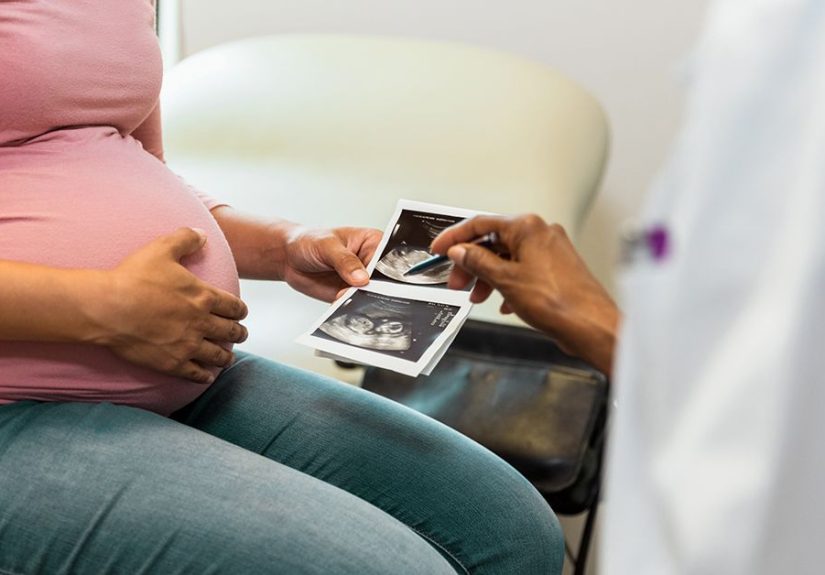
Many cases are suspected during a routine prenatal ultrasound, then confirmed with a fetal echocardiograma specialized ultrasound that
evaluates the baby’s heart structure and blood flow. Prenatal diagnosis gives families time to meet the heart team, plan delivery at a center equipped for
advanced neonatal and cardiac care, and talk through what happens right after birth.
Diagnosis after birth
After birth, diagnosis typically involves:
- Pulse oximetry to measure oxygen saturation.
- Echocardiogram (echo): the primary tool to confirm the anatomyVSD, aortic override, right ventricular outflow obstruction/atresia,
and overall heart function. - Electrocardiogram (ECG) to assess rhythm and electrical patterns.
- Chest X-ray to evaluate heart size, lung blood flow patterns, and other clues.
The “map” matters: defining pulmonary arteries and MAPCAs
TOF/PA care often hinges on the detailed anatomy of the lung blood supply. That can require advanced imaging, such as:
- Cardiac catheterization (angiography): helps define MAPCAs, pressures, and blood flow pathways; sometimes interventions happen during the same procedure.
- CT angiography or cardiac MRI: noninvasive ways to visualize vessels and the pulmonary circulation in high detail.
Think of it like planning a road trip: you can’t choose the best route until you know which roads exist, which are narrow, and which are under construction.
In TOF/PA, that “road map” can be the difference between one surgical stage and several.
Treatment: Stabilize First, Then Build a Better Path to the Lungs
Treatment is individualized. Some babies need urgent support to maintain oxygen levels; others are stable enough to plan interventions more deliberately.
Most treatment plans involve a combination of medical therapy, catheter-based procedures, and surgeryoften in stages.
Immediate newborn care: keeping a lifeline open
If pulmonary blood flow depends on the ductus arteriosus (the PDA), doctors may start an IV medication called prostaglandin E1 (PGE1).
Its job is to keep the ductus open so blood can continue reaching the lungs while the team plans the next steps.
In plain language: PGE1 can “hold the door open” a little longer. It’s not the final fix, but it buys timeoften critical timefor imaging and decision-making.
Because it’s powerful, babies on PGE1 are monitored closely in a NICU or cardiac ICU setting.
Catheter-based procedures: less incision, more precision
Depending on anatomy and the center’s approach, interventional cardiologists may use catheter procedures to improve pulmonary blood flow or reduce reliance
on medications. Examples include:
- Ductal stenting: placing a small stent to keep the PDA open and provide pulmonary blood flow longer-term (in selected cases).
- Stenting or ballooning narrowed vessels (such as certain collaterals or pulmonary artery segments) when appropriate.
- Coiling/occluding vessels in some situations where specific collaterals cause problematic flow patterns (carefully selected scenarios).
Not every baby is a candidate for catheter-based palliation, and these procedures don’t replace surgery when the underlying pathway needs reconstruction.
But they can be important tools in a staged plan.
Surgery: staged repair, unifocalization, and complete repair
Surgery is the cornerstone of long-term treatment. What “the surgery” looks like can vary widely. Many children with TOF/PA require more than one operation
over months or years, especially when MAPCAs are involved.
1) Palliative procedures (early steps)
Early procedures are designed to increase and stabilize blood flow to the lungs and help pulmonary arteries grow. One classic example is a
systemic-to-pulmonary artery shunt (often called a modified Blalock–Taussig shunt), which creates a controlled pathway for blood to reach the lungs.
Other approaches may include RV outflow interventions or PDA-based strategies depending on anatomy.
2) Unifocalization (often for MAPCAs)
When MAPCAs supply the lungs, surgeons may perform unifocalization, a procedure (or series of procedures) that gathers collateral vessels
and native pulmonary artery segments into a more organized, “centralized” pulmonary artery system. The goal is to create a pulmonary circulation that’s
more predictable, less patchwork, and suitable for a durable connection to the right ventricle.
3) Creating a right-ventricle-to-pulmonary-artery connection
Many complete repairs involve placing an RV-to-PA conduit (a tube with a valve or valved material) to connect the right ventricle to the pulmonary arteries,
especially when the native pulmonary valve is absent or unusable.
4) VSD closure (sometimes staged)
Closing the VSD is often part of “complete repair,” but timing depends on pressures and the ability of the reconstructed pulmonary circulation to handle full flow.
In some staged strategies, the VSD may be left open temporarily to avoid excessive right-sided pressures, then closed later after pulmonary circulation is improved.
A concrete example: what a staged pathway can look like
Every child’s plan is unique, but here’s a realistic style of timeline a family might encounter:
- Birth: oxygen saturation is low; PGE1 is started to keep the ductus open; echo confirms TOF/PA.
- Weeks to months: cardiac cath and/or CT/MRI maps MAPCAs and pulmonary arteries; a shunt or ductal stent may be placed to stabilize pulmonary flow.
- Infancy: unifocalization is performed (sometimes one side at a time) to build a unified pulmonary artery system.
- Later infancy/toddler years: RV-to-PA conduit and (when appropriate) VSD closure complete the repair; catheter procedures may refine narrowed segments.
- Childhood and beyond: planned follow-up, imaging, and possible reinterventions as the child grows.
That may sound like a lot because, honestly, it can be. But it’s also structured: teams aren’t “winging it.” They’re building a pathway that can keep up
with growth and changing physiology over time.
Recovery and Day-to-Day Life: The Unglamorous (But Important) Details
Families often discover that heart care isn’t only about the operating roomit’s also about the “small stuff” that keeps kids strong enough for the big stuff.
Common challenges and supports include:
- Feeding and growth support: some babies tire during feeds; high-calorie strategies or feeding support may be needed.
- Medications: depending on the stage, this may include diuretics, antiplatelet therapy after certain shunts/stents, or other tailored meds.
- Respiratory support: temporary oxygen or ventilation support may be needed, especially around procedures.
- Infection prevention: routine vaccinations, careful hand hygiene, and prompt evaluation for fevers are often emphasized.
Practical tip that feels too simple to matter (but does): keep a single “one-page medical summary” in your phone or a folderdiagnosis name, surgeries,
current meds, allergies, cardiologist contact, and the last echo summary. In emergencies, that page is pure gold.
Long-Term Outlook: Lifelong Follow-Up Is the Norm
Outcomes for children with TOF/PA have improved substantially with specialized congenital heart care. Many children go on to attend school, play, and grow into
adulthood. At the same time, TOF/PA is typically not a “one-and-done” repair. Lifelong follow-up with congenital cardiology is standard.
Common long-term issues doctors watch for
- Conduit wear-and-tear: RV-to-PA conduits don’t grow with the child and may narrow or leak over time, often requiring replacement or catheter-based valve therapy later.
- Narrowed pulmonary arteries or vessel segments that may need ballooning or stenting.
- Right ventricular function changes, especially if pressures are high or valves leak significantly.
- Heart rhythm issues (arrhythmias): scarring and chamber changes can increase risk later; monitoring matters.
- Endocarditis risk (infection of the heart lining/valves): some patients need antibiotics before certain dental proceduresyour cardiology team will advise.
Activity, sports, and the “can my kid be a kid?” question
Many children with repaired congenital heart disease can participate in physical activity, and staying active is generally beneficial. The specific limits
(if any) depend on oxygen levels, heart rhythm stability, right ventricular pressures, and the status of the pulmonary circulation. This is a “personalized
prescription” conversation: the cardiologist isn’t trying to ruin funjust to keep the fun sustainable.
Transitioning to adult congenital care
If your child grows up with TOF/PA (and many do), adult congenital heart disease (ACHD) care becomes important. Adult hearts that were repaired in childhood
still need specialized follow-up because the anatomy is different from typical adult cardiology cases.
Questions Families Ask (And Deserve Straight Answers To)
Will my child need more than one surgery?
Often, yesespecially in TOF/PA with MAPCAs or small pulmonary arteries. Some repairs are staged by design to build a safer pulmonary circulation over time.
The exact number and timing depend on vessel anatomy, oxygen needs, and how pulmonary arteries respond and grow.
Is this an emergency at birth?
It can be. Some newborns require immediate stabilization to maintain oxygen levels, including PGE1 to keep the ductus arteriosus open. Others are stable enough
for planned intervention after detailed imaging. Either way, TOF/PA is treated as a serious condition that needs expert evaluation quickly.
What does “unifocalization” actually mean for real life?
In real life, it means surgeons are trying to replace a “cobblestone network of side streets” (collaterals of varying size and quality) with a more structured
pulmonary artery system that can handle predictable blood flow. It may mean more than one procedure, but it’s aimed at a more durable end result.
Can TOF/PA be detected during pregnancy?
Often, yes. A fetal echocardiogram can identify TOF variants and pulmonary outflow issues. Prenatal diagnosis helps coordinate delivery planning and immediate newborn care.
Experiences: What It Can Feel Like to Live Through TOF/PA Diagnosis and Treatment (About )
Medical explanations are necessary, but they don’t capture the lived experiencewhat it feels like to sit in a consult room while someone draws your baby’s heart
with a marker that squeaks too loudly. Families often describe the early days as a crash course in new vocabulary: echo, cath, PDA, MAPCAs, saturations, shunt,
conduit. It can feel like learning a new language while also being expected to make big decisions. If that sounds impossible, that’s because it’s objectively a lot.
When TOF/PA is diagnosed during pregnancy, some parents describe a strange mix of gratitude and grief. Gratitude because the team found it earlybecause planning is possible.
Grief because the “normal newborn story” they pictured suddenly has a different chapter order. Many families say the fetal cardiology visit becomes a turning point:
the moment the diagnosis stops being an abstract fear and becomes a plan with names, dates, and a team.
After birth, the NICU or cardiac ICU experience can be intense and oddly routine at the same time. There are monitors everywhere, yet you’ll quickly learn which
beeps matter and which are just machines being dramatic. Parents often become experts in their child’s “baseline”how their baby looks when comfortable, how feeding
changes when oxygen levels drift, how one kind of cry means “hungry” and another means “I’m done with this whole situation.”
The treatment journey can feel like a series of sprints with long stretches of waiting in between. A catheterization day may bring both relief (“we learned the anatomy”)
and new questions (“so there are how many collaterals?”). After surgery, families often talk about celebrating small wins that other people might not notice:
finishing a bottle, gaining a few ounces, coming off oxygen support, the first time a baby naps without working hard to breathe.
As kids grow, many families find the emotional load changes shape. The fear of the early months may ease, but new challenges arrive: medication schedules,
school forms, explaining scars to curious classmates, deciding which sports feel right, and navigating follow-up appointments that sometimes feel endless.
Some parents describe it as learning to live in two timelines at once: the everyday life of childhood, and the long-view life of congenital heart follow-up.
Many families also describe something unexpectedly positive: the way a child with TOF/PA can become a tiny teacher of resilience. Not because anyone would choose
the hard path, but because kids often adapt with a matter-of-fact courage that adults envy. And community helpsmeeting another family who “gets it,” finding
an adult congenital survivor who can say, “I’m here,” or simply hearing a nurse explain the plan one more time without making you feel silly for asking.
If there’s a theme that shows up again and again, it’s this: TOF/PA is complicated, but support makes it survivableand, for many, livable in a full, joyful way.
Conclusion
Tetralogy of Fallot with pulmonary atresia is a complex form of congenital heart disease, but it’s one with established diagnostic tools and evolving treatment strategies.
From fetal echocardiography to detailed vessel mapping, from prostaglandin support in the newborn period to catheter procedures and surgical reconstruction
(including unifocalization and RV-to-PA conduit repair), the goal is the same: build a stable path for blood to reach the lungs and deliver oxygen to the body.
The “big picture” is hopeful and realistic at the same time: many children do well, and many require ongoing care. Lifelong follow-up isn’t a sign of failureit’s
part of smart, modern congenital heart medicine. If you’re facing this diagnosis, the best next step is also the simplest: stay close to a specialized congenital
heart team, ask questions until answers feel clear, and remember that you don’t need to understand everything today to move forward tomorrow.