Table of Contents >> Show >> Hide
If you were alive for the glossy, overconfident cocktail culture of the late 1990s, you already know the vibe: frosted glassware, dramatic garnishes, and drinks with names that sounded like they had their own publicist. The lychee martini fit right in. It was sweet, floral, a little flashy, and unmistakably of its time. Then, like many icons of the era, it went through an awkward phase. Suddenly it was “too much,” too sugary, too unserious, too linked to a decade that gave us low-rise jeans and way too many silver furniture accents.
And yet, here we are. The lychee martini is back. Not as a syrupy punchline, but as a polished, modern favorite with better balance, better ingredients, and better taste. The biggest twist is that its comeback is not only about cocktails anymore. The flavor profile that made the original famous translates beautifully into zero-proof drinks, which means the lychee martini mood can return without the baggage. In other words, the comeback is not just happening in bars. It is happening on restaurant menus, at dinner parties, in chilled coupes on holiday tables, and in beautifully styled alcohol-free drinks that still feel special.
That is what makes this revival more interesting than simple nostalgia. Today’s version is less about copying the old drink exactly and more about keeping what worked: the glamorous presentation, the tropical perfume of lychee, the citrus snap, and that immediate feeling of, “Well, this is more fun than plain sparkling water.” The modern interpretation is cleaner, brighter, and a whole lot more thoughtful. The lychee martini did not just return. It got a glow-up.
Why the Lychee Martini Worked So Well in the First Place
The original lychee martini became popular for a very obvious reason: it was delicious in a way that felt accessible. You did not need a trained palate to understand it. Lychee has a flavor people tend to remember after the first sip or bite. It is floral, juicy, and fragrant, often described as somewhere between a grape, a pear, and rose water. That makes it feel instantly luxurious, even when the formula is simple.
It also had something that many classic cocktails do not have: personality at first glance. A standard martini can be elegant, sure, but it is visually restrained. A lychee martini arrives with a glossy fruit garnish, a pale jewel-like color, and just enough tropical drama to make the table look more festive. It was made for the era of shiny menus and going out outfits that involved at least one questionable fabric choice.
But its old-school popularity also explains why it later fell out of fashion. Too many versions leaned hard on sweetness and not enough on structure. When the craft cocktail movement swung toward bitter, spirit-forward, historical recipes, fruity ’90s drinks were treated like embarrassing yearbook photos. The lychee martini was not alone there. Plenty of playful “’tinis” got pushed aside while everyone pretended they had always wanted a severe, crystal-clear drink with zero whimsy.
Why It Is Back Now
The answer is part trend cycle, part cultural correction. For a while, drinks had to perform seriousness. Then people got tired. Nostalgia came roaring back across fashion, music, interiors, and food, and beverages followed right behind. Suddenly, pleasure was allowed to be the point again. Fruity martinis stopped being something people ordered apologetically and started becoming something bartenders reworked with pride.
That shift matters. The modern beverage scene has become more comfortable with fun, color, and memory. Instead of mocking old favorites, people are asking what made them appealing and how they can be improved. That is where the lychee martini thrives. It already had a strong visual identity and a beloved flavor. All it needed was a little refinement: fresher fruit notes, better acidity, less syrupy heaviness, and a more deliberate hand with garnish and texture.
There is also a practical reason the drink is resurfacing. Lychee is now a much more familiar flavor to American diners than it once was. It shows up in desserts, sparkling drinks, teas, fruit tonics, and Asian-inspired restaurant menus, so the once-“exotic” appeal has evolved into a more informed appreciation. Consumers know what the fruit tastes like, and that familiarity gives the drink new life.
At the same time, nonalcoholic beverage programs have gotten dramatically better. Restaurants are putting real creativity into zero-proof options instead of treating them as an afterthought. That makes a lychee martini-inspired serve especially timely. Its floral sweetness, citrus-friendly character, and elegant presentation make it perfect for a sophisticated alcohol-free drink that still feels like an occasion.
What Makes Lychee Such a Star Ingredient
Lychee is a born scene-stealer. It has sweetness, yes, but not the heavy, sticky sweetness of some tropical fruits. Its best quality is its aroma. It smells almost decorative, like fruit that got dressed up for the evening. That fragrance is why it works so well in a martini-style glass. A chilled coupe or martini glass puts the scent right at the top of the drinking experience, so the drink feels special before it even hits your lips.
Another reason lychee works is that it plays nicely with balancing flavors. Citrus keeps it from becoming cloying. Floral notes such as rose or elderflower can amplify its perfume. Herbs like mint or basil can freshen it up. Ginger adds edge. A little bitterness from tonic or tea can make the whole thing feel more grown-up and less candy-like. That flexibility is why bartenders and recipe developers keep finding new ways to reinterpret it.
Fresh lychee is wonderful when available, but canned lychee has one big advantage: consistency. It is accessible year-round, already peeled, and packed with syrup that can be used carefully for flavor. The trick, in modern versions, is restraint. You want the fruit to taste perfumed and juicy, not sticky and loud. Today’s best lychee drinks are built around contrast, not sugar overload.
How the Modern Version Improves on the Original
If the old lychee martini was all sparkle and no brakes, the new one knows how to hold a conversation. Modern versions tend to focus on balance. The fruit is often blended or puréed for a fresher taste, and bright acidity is used to sharpen the sweetness. Floral ingredients are layered more intelligently, and the garnish is no longer just a random canned fruit bobbing in a glass like it got lost on the way to dessert.
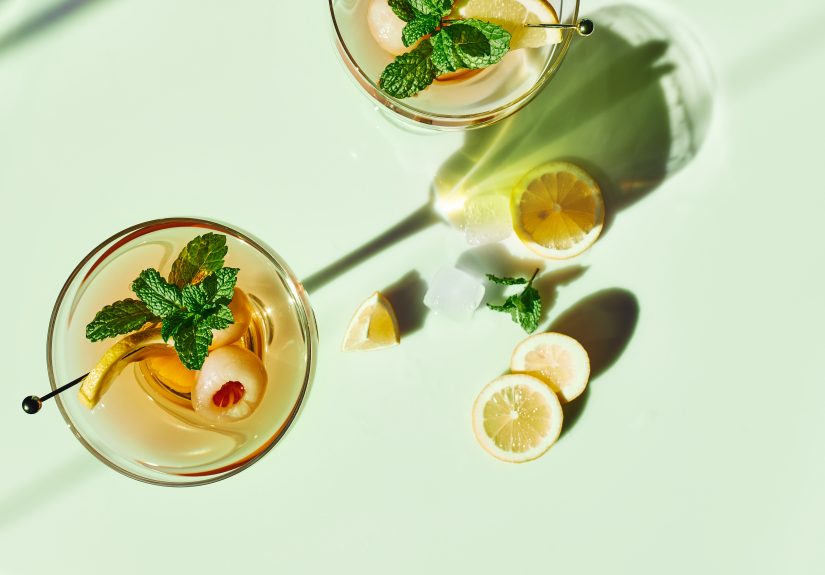
The result is a drink profile that feels both nostalgic and current. You still get the immediate charm of lychee, but the finish is cleaner. The texture is silkier. The aroma is more expressive. Even the presentation has evolved. Instead of over-the-top gimmicks, the modern look leans sleek: chilled stemware, a precise garnish, maybe a twist of citrus, maybe a glossy lychee on a pick, maybe a faint blush tint that catches the light without shouting for attention.
And this is exactly why the zero-proof adaptation works so well. Once you strip the concept down to its essential strengths, you realize the drink was never only about alcohol. It was about contrast: sweet and tart, tropical and polished, playful and elegant. Those qualities survive beautifully in an alcohol-free format.
How to Recreate the Vibe Without the Booze
If you want the lychee martini experience at home without turning it into an alcohol-forward project, focus on structure instead of imitation. Start with lychee in one of its most useful forms: a good-quality purée, a small amount of canned syrup, or blended canned fruit. Then give it brightness with fresh lime or lemon juice. For complexity, add something botanical and dry, such as chilled white tea, jasmine tea, tonic, or a well-made zero-proof spirit alternative.
The goal is not to make a kiddie drink in a fancy glass. The goal is to build something balanced and aromatic. A splash of sparkling water can lighten the texture. A tiny pinch of salt can wake everything up. Rose water should be used like a whisper, not a monologue. Basil or mint can make the fruit feel fresher. If you want the whole thing to feel more “martini” than “punch,” serve it very cold and strain it into a chilled coupe.
Glassware matters more than people admit. Pour the same drink into a paper cup and it feels like a sad errand. Pour it into a cold stemmed glass with one beautiful lychee garnish and suddenly everyone stands up straighter. The ’90s understood that much, and honestly, they were onto something.
Where This Drink Fits in 2026
The lychee martini comeback makes sense in a moment when people want beverages to do more than just taste good. They want personality. They want style. They want something photogenic but still worth sipping. They want a drink that feels celebratory even if it is alcohol-free, and they want a menu choice that does not punish them with plain soda and a lonely lime wedge.
That is why the lychee martini, or at least the lychee martini aesthetic, feels so current. It bridges multiple trends at once. It satisfies nostalgia without feeling stale. It looks glamorous without demanding absurd effort. It works for party culture, dinner culture, and zero-proof culture all at once. In a beverage landscape where many drinks are either aggressively minimalist or absurdly overbuilt, lychee sits in the sweet spot. It is expressive without being exhausting.
It also feels global in a way that reflects where American dining has gone. Lychee is not a novelty ingredient anymore. It connects naturally with Asian and Asian American food culture, modern fruit-forward drinks, and the broader popularity of floral, citrusy flavors. When used thoughtfully, it adds both familiarity and surprise. That is a powerful combination.
Experience: What the Lychee Martini Comeback Feels Like
One of the most interesting things about the return of the lychee martini is how emotional the reaction can be. It is not just, “Oh, that tastes nice.” It is often, “Wait, I remember this,” followed closely by, “Why did we ever stop making things this fun?” The drink has a way of unlocking the mood of an era even for people who were not ordering cocktails in the 1990s. There is something about the perfume of lychee and the theatricality of the glass that instantly reads festive, social, and a little glamorous.
Picture a dinner party where the host does not want the usual lineup of soda cans, flat juice, and a pitcher of something tired. Instead, guests are handed a cold stemmed glass holding a pale pink or crystal-clear lychee drink with one perfect garnish. People do what they always do when something looks elegant: they pause, they smile, they ask what it is, and they take pictures before they sip. That reaction is part of the appeal. The drink becomes a conversation starter before it becomes a beverage.
The experience is just as strong in restaurants. A well-made lychee martini-inspired mocktail does not feel like a compromise order. It feels intentional. That difference matters. Too often, alcohol-free drinks are treated as backup plans. The best lychee versions feel like they belong on the first page of the menu. They have aroma, texture, color, and a sense of occasion. You do not need alcohol for a drink to create atmosphere; you need craft, balance, and presentation.
There is also a seasonal flexibility to the experience. In spring and summer, lychee feels cooling, floral, and bright, especially when paired with citrus or tonic. In fall and winter, it can feel unexpectedly luxurious, especially when served in dim lighting with jewel-toned tableware, tiny bites, or holiday desserts. It is one of those rare flavors that can read refreshing or indulgent depending on the setting.
And then there is the nostalgia factor, which works in a surprisingly generous way. For older guests, the drink can call back to a very specific chapter of going out, dressing up, and ordering something that felt stylish. For younger guests, it does not arrive with baggage. It simply feels new, fragrant, and cool. That mix is what gives the comeback real staying power. It is not trapped in one generation’s memories. It travels well.
At home, the experience can be delightfully low-drama. You chill the glasses, line up the garnishes, shake or stir your zero-proof mix, and suddenly a random Friday feels like an event. The drink asks very little but gives a lot. It brightens the table. It makes snacks feel more thought-out. It has the sort of visual polish that makes people assume you tried harder than you did, which is honestly one of the best kinds of entertaining.
That, ultimately, is the real reason the lychee martini is back and better than ever. The modern version understands that pleasure can be polished, playful, and inclusive at the same time. It can nod to the ’90s without getting stuck there. It can feel chic without becoming stiff. And in zero-proof form, it can invite everybody to the party. Not bad for a drink once dismissed as a relic of an era with too much chrome and not enough restraint.
Conclusion
The lychee martini has returned because it never stopped having star quality. What changed is the way people think about flavor, balance, and fun. Today’s version is fresher, less sugary, and far more versatile than the old stereotype suggests. Better still, its best qualities translate beautifully into alcohol-free drinks that still feel grown-up, celebratory, and stylish. That means the comeback is bigger than one retro recipe. It is a sign that drinks can be elegant without being stiff, nostalgic without being dated, and playful without apology. The ’90s may have introduced the lychee martini, but 2026 is the year it finally learned how to age well.