Table of Contents >> Show >> Hide
- First: What “Cross-Infection” Means in CF (and Why It Matters)
- The “Big 4” Habits That Do Most of the Heavy Lifting
- Hand Hygiene That Actually Works in Real Life
- Respiratory Etiquette: Small Actions, Big Payoff
- Cleaning Your Respiratory Equipment: Where Prevention Gets Serious
- Reducing Risk at Clinic Visits and Hospital Settings
- School and Work: Prevention Without Social Isolation
- Social Life and CF Community: Safe Connection Is Still Connection
- Travel and Public Places: A “Risk-Stacking” Mindset
- Vaccines and Seasonal Respiratory Viruses: Don’t Let Germs Get a Head Start
- Home Strategies: Protecting Yourself Without Turning Your House Into a Laboratory
- What to Do If You Think You’ve Been Exposed (or You’re Starting to Feel Sick)
- Putting It All Together: A Sample “CF-Safe Day”
- Real-World Experiences and “What Helps” (Extra )
Medical note: This article is for general education and planning helpnot personal medical advice. Your CF care team knows your culture history, lung function, and treatment plan, so use their guidance as the “final boss.”
When you live with cystic fibrosis (CF), “germs” aren’t just an abstract science wordthey can be the uninvited guests who show up early, eat all the snacks, and refuse to leave. The good news: you can reduce your risk of cross-infection (passing germs between people with CF) without turning your life into a no-fun bubble. The best strategies are practical, repeatable, and rooted in how infections actually spread: close contact, shared air in tight spaces, contaminated hands/surfaces, and improperly cleaned respiratory equipment.
Below are CF-friendly, real-world tips that help you lower risk at home, in clinics, at school/work, while traveling, and during everyday errandsplus a longer “experience” section at the end with what these tips look like in normal human life.
First: What “Cross-Infection” Means in CF (and Why It Matters)
Cross-infection is when germs move from one person with CF to another person with CFdirectly (close contact) or indirectly (shared objects/surfaces). This matters because people with CF can carry certain bacteria in their airways even when they feel okay. Some CF-related infections can be harder to treat, can cause more frequent exacerbations, or can accelerate lung-function decline. That’s why CF communities take prevention seriouslysometimes more seriously than your friend who wipes down airplane tray tables like it’s a competitive sport.
Cross-infection risk is not about blame. It’s about biology: CF airways can be more vulnerable, certain organisms can linger in mucus, and people with CF may spend time in healthcare settings where infections are more common. Prevention is simply a smart, evidence-based way to protect your future self.
The “Big 4” Habits That Do Most of the Heavy Lifting
If you remember nothing else, remember these four. They’re the CF infection-prevention equivalent of seatbelts.
1) Keep distance from other people with CF who don’t live in your home
A common recommendation is keeping a minimum of about 6 feet (2 meters) apart from other people with CF (outside of your household). Why? Respiratory droplets can travel, and close contact raises the chance of exposure. This doesn’t mean you can’t have CF communityit means you build it differently (more on that later).
2) Avoid close physical contact and shared objects
Handshake? Hug? Sharing a pen, phone, lip balm, water bottle, game controller, or laptop? In CF, those can be sneaky “germ delivery services.” Choose friendly alternatives: a wave, a smile, an elbow bump with non-CF friends when appropriate, or simply saying, “I’m doing the no-handshake thingdoctor’s orders.”
3) Wash hands like it’s your part-time job
Hand hygiene is one of the most effective ways to reduce spread of infections. Use soap and water when you can. When you can’t, use an alcohol-based hand sanitizer (commonly recommended: at least 60% alcohol). The key isn’t perfectionit’s consistency at the moments that matter most (see the checklist below).
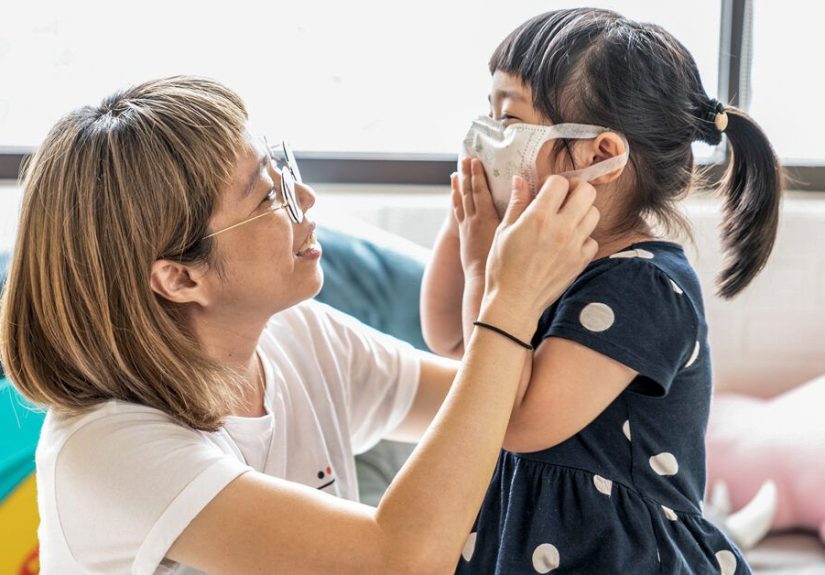
4) Wear a mask in healthcare common areas (and consider high-risk indoor settings)
Many CF centers recommend masking in common areas of healthcare settings (waiting rooms, hallways, elevators). In everyday life, you and your care team can decide what masking makes sense based on local illness activity, your health status, and what you’re doing (e.g., crowded indoor concert vs. outdoor park meet-up).
Hand Hygiene That Actually Works in Real Life
Let’s make this easy, not dramatic. You don’t need to scrub your hands like you’re prepping for surgery every five minutes. You do need to hit the high-impact moments.
The “When to Clean Hands” mini-checklist
- Before and after airway clearance or inhaled treatments
- Before eating or touching your face
- After coughing, sneezing, blowing your nose, or handling tissues
- After using the restroom
- After being in public spaces (stores, public transport, school/work common areas)
- After touching high-touch surfaces (door handles, elevator buttons, shared keyboards)
- Before and after medical appointments
Soap-and-water tips (the gold standard)
- Use friction: rub palms, backs of hands, between fingers, and thumbs.
- Dry thoroughlywet hands can transfer germs more easily than dry hands.
- If your skin gets irritated, ask your care team about gentle soaps and moisturizers (because cracked skin is not the vibe).
Hand sanitizer tips (the “I’m not near a sink” backup plan)
- Pick sanitizer with at least 60% alcohol.
- Use enough to cover all hand surfaces, and rub until fully dry.
- Sanitizer works best on hands that aren’t visibly dirty or greasyif you just handled fries, find a sink.
Respiratory Etiquette: Small Actions, Big Payoff
Respiratory germs love two things: exposed coughs and hands that immediately touch doorknobs afterward. You can ruin their day with a few habits:
- Cover coughs/sneezes with a tissue or your elbow (not your hand), then clean hands.
- Use tissues once and toss themdon’t keep a “tissue museum” in your pocket.
- Keep your hands away from your face as much as possible, especially in public.
Cleaning Your Respiratory Equipment: Where Prevention Gets Serious
If you do nebulized meds or other respiratory therapies, equipment hygiene is a high-impact zone. Germs can grow in moist environments, and devices that aren’t cleaned/disinfected properly can become a source of exposure.
Reusable nebulizer care (a simple, repeatable routine)
- Clean after each use: Wash parts as directed (often with dish soap/detergent and water).
- Disinfect: Follow the method recommended by the manufacturer or your CF team. Common approaches include heat-based methods or approved disinfecting solutions.
- Rinse as directed (some methods require sterile or distilled waterfollow your instructions).
- Air-dry completely on a clean surface. (Moisture is basically a “germ welcome mat.”)
- Store dry equipment in a clean container or area.
Two rules that never change: Don’t share nebulizers or airway clearance equipment, and don’t assume “looks clean” equals clean. If you’re ever unsure, ask your CF center for a one-page routine you can tape near your supplies.
Airway clearance devices and accessories
Whether you use oscillatory devices, vests, masks, tubing, or spacers, follow device-specific cleaning directions. Build a system:
- Keep a “clean” bin and a “used” bin so parts don’t mingle.
- Set a default cleaning time (e.g., right after therapy, before scrolling on your phone).
- Replace parts on the schedule your care team or manufacturer recommends.
Reducing Risk at Clinic Visits and Hospital Settings
CF clinics work hard to prevent patient-to-patient transmission. You can partner with them using a few smart moves:
Before you go
- Ask about logistics: Can you wait in your car until the room is ready? Is there an early/late slot with fewer people?
- Pack a “clinic kit”: mask, hand sanitizer, tissues, a pen you don’t share, and something to do while waiting.
- Use telehealth when appropriate for check-ins that don’t require testing or in-person exams.
While you’re there
- Mask in common areas and keep distance from others with CF (outside of your household).
- Clean hands after touching shared surfaces (check-in tablets, elevator buttons).
- Speak up kindly if you notice crowding. A simple “Could I wait somewhere less crowded?” is completely reasonable.
Pulmonary function testing (PFT/spirometry)
These tests are importantand clinics typically have strict cleaning and infection-control procedures for equipment and spaces. If you’re anxious, ask what their process is. Knowing there’s a plan can be surprisingly calming.
School and Work: Prevention Without Social Isolation
CF safety can coexist with friendships, learning, and career goals. It just takes planning.
If there’s more than one person with CF in the same school or program
Work with staff on a separation plan (different classrooms when possible, staggered schedules, separate waiting areas, different bathrooms if available). The goal is reducing close-contact time and shared air in small spaces.
Everyday school/work strategies
- Choose seating wisely: near good airflow, away from people who are obviously sick.
- Bring your own supplies (pens, headphones, water bottle) and don’t share.
- Clean your hands before eating and after using shared equipment.
- Have a script: “I can’t share drinks or utensilshealth thing.” Most people accept it and move on.
Social Life and CF Community: Safe Connection Is Still Connection
The CF community is powerfulemotionally, practically, and culturally. Infection prevention doesn’t cancel that. It just changes the format.
Ideas that keep connection but reduce risk
- Virtual hangouts: game nights, watch parties, support chats.
- Outdoor meet-ups with non-CF friends where spacing is easy.
- One-on-one plans instead of crowded indoor gatherings during high virus seasons.
- Honest boundaries: “I’m skipping indoor stuff this monthlots going around.”
And yes: it can feel awkward at first. But awkward is temporary. Lung protection is a long game.
Travel and Public Places: A “Risk-Stacking” Mindset
Instead of thinking in all-or-nothing rules, think in layers. Risk tends to stack when you have several factors at once: crowded + indoor + poor ventilation + lots of coughing + no hand hygiene + long duration. You can reduce risk by removing layers.
Lower-risk swaps
- Indoor brunch at peak time → off-peak or outdoor seating
- Busy gym at 6 p.m. → less crowded hours or home workout
- Short errand trip → combine errands to reduce exposures
Practical travel tips
- Bring supplies: sanitizer, wipes, masks, extra equipment parts, and a small trash bag for used tissues.
- Keep equipment clean and dry during travelmoist parts in a sealed bag can become a problem fast.
- Plan your treatments so you’re not doing them in cramped shared spaces.
Vaccines and Seasonal Respiratory Viruses: Don’t Let Germs Get a Head Start
Respiratory viruses can hit harder in people with CF and may trigger exacerbations. A prevention plan often includes staying current with recommended vaccines and using smart habits during “everything is going around” season:
- Avoid close contact with people who are sick.
- Clean hands frequentlyespecially after coughing or sneezing.
- Consider masking in higher-risk indoor settings, especially during spikes in community illness.
- Ask your CF team what prevention options make sense for you (including timing and eligibility questions).
Home Strategies: Protecting Yourself Without Turning Your House Into a Laboratory
Home should be restful. You can keep it safer with a few targeted habits:
- “Sick protocol” for household members: extra hand hygiene, separate towels, avoid close face-to-face contact, and consider masking when someone has respiratory symptoms.
- High-touch cleaning: doorknobs, light switches, remotes, phonesespecially when someone is ill.
- Don’t share personal items that contact the mouth or nose.
- Keep therapy areas tidy so clean parts stay clean.
What to Do If You Think You’ve Been Exposed (or You’re Starting to Feel Sick)
When symptoms start, fast decisions matter. Don’t wait it out in silence.
- Contact your CF care team early if you notice increased cough, sputum changes, shortness of breath, fever, fatigue, or a drop in your usual baseline.
- Follow your action plan (many CF programs provide written steps for flare-ups).
- Don’t self-start leftover antibiotics unless your clinician specifically instructed you to do sowrong meds at the wrong time can complicate treatment.
- Protect others by staying home when you’re sick and practicing cough etiquette and hand hygiene.
Putting It All Together: A Sample “CF-Safe Day”
Here’s what these tips look like when you’re living an actual life:
- Morning therapy → clean/disinfect equipment right away → air-dry while you eat breakfast.
- School/work → carry sanitizer → clean hands before eating → don’t share drinks/utensils.
- Errands → quick in-and-out trip → sanitize after checkout and before getting back in the car.
- Clinic visit → mask in common areas → keep distance → ask to wait somewhere less crowded.
- Evening → wipe phone → prep clean equipment for tomorrow → relax (you earned it).
Real-World Experiences and “What Helps” (Extra )
People with CF and their families often describe infection prevention as a balance between caution and living fullylike holding a cup of coffee on a bumpy train. You can’t stop every jolt, but you can keep the lid on and pay attention to the turns.
Experience #1: The “friendly boundary script” works better than long explanations. Many people find that a simple, repeatable phrase reduces awkwardness. Examples include: “I can’t share drinkshealth rule,” “No hugs today, but I’m happy to see you,” or “I’m doing the distance thing because of my lungs.” The magic is that you don’t debate. You state, smile, and move on. Friends who care will adapt faster than you expect. The ones who don’t? That’s useful information, too.
Experience #2: A home setup beats willpower. Instead of relying on memory after a long day, some families create a “therapy station” with two bins: one labeled CLEAN and one labeled USED. After treatments, everything goes straight into USED. That way, nobody is guessing which parts are safe. Add a small drying rack and a timer reminder on a phone, and suddenly “I forgot” becomes “it’s part of the routine.”
Experience #3: Clinic-day anxiety drops when you have a plan. Waiting rooms can be stressful, even when clinics have strong infection-control practices. People often feel calmer when they bring a small clinic kit (mask, sanitizer, tissues, water, a snack, headphones), ask if they can wait in the car until called, and request less-crowded appointment times. Feeling prepared turns clinic day from “I hope this goes okay” into “I know what I’m doing.”
Experience #4: CF community is still communityjust redesigned. Many people with CF say they miss in-person meetups, but they also describe meaningful alternatives: virtual game nights, online support groups, group chats, and “same-time” activities (everyone does airway clearance while on a call, cameras optional). The connection is real, even if the room is digital. Some people even prefer itno travel, less fatigue, and you can mute yourself if you start coughing like a cartoon character.
Experience #5: Seasonal illness “rules” are easier when you decide them ahead of time. Instead of negotiating every invitation when viruses are circulating, some people set a seasonal plan with their household: fewer crowded indoor events, more outdoor meetups, extra attention to hand hygiene, and clear sick-house protocols. It reduces decision fatigue and helps everyone in the home feel aligned. The goal isn’t zero risk (not realistic), it’s lower riskconsistently.
Experience #6: Don’t underestimate the emotional side. A lot of people describe feeling torn between protecting their lungs and not wanting to feel “different.” If that’s you, you’re not overreactingyou’re being human. What helps is reframing: these habits aren’t a personality trait, they’re a health tool. You can be spontaneous, funny, social, and adventurous and still protect yourself. Your boundaries are not rudeness. They’re maintenance.
Bottom line: cross-infection prevention is less about fear and more about smart systems. Keep distance from other people with CF outside your household, clean your hands at key moments, handle respiratory equipment carefully, and use practical strategies in clinics and public spaces. Small, repeated actions add upquietly, daily, and powerfully.