Table of Contents >> Show >> Hide
- Measles 101: Why This Old Virus Still Matters
- Vitamin A 101: The “Anti-Infective” Vitamin
- What We Know: Evidence That Vitamin A Can Help in Measles
- What We Don’t Know (and Where the Evidence Is Mixed)
- Who Might Benefit Most From Vitamin A in Measles?
- How Vitamin A for Measles Is Given (In Medical Settings)
- Practical Takeaways for Parents and Patients
- Real-World Experiences With Vitamin A and Measles
- Bottom Line: Vitamin A Has a Role, But It’s Not Magic
In the middle of worrying headlines about measles outbreaks, another word keeps sneaking into the conversation: vitamin A. Some people talk about it like it’s a secret weapon; others warn that it’s being oversold. So what’s the real story? Does vitamin A for measles actually help, and if so, how much? And what are the very real limits we shouldn’t ignore?
Let’s walk through what the research shows, what major health organizations recommend, and where the evidence is still fuzzy. Spoiler: vitamin A can be helpful in the right situation, but it’s definitely not a magic cure (and absolutely not a replacement for vaccination).
Measles 101: Why This Old Virus Still Matters
Measles is not just “a bad rash.” It’s a highly contagious viral infection that spreads through tiny droplets when an infected person coughs, sneezes, or even just breathes nearby. Once it gets into a community with low vaccination rates, it spreads fast.
Complications can include:
- Pneumonia (a leading cause of measles-related deaths in children)
- Severe diarrhea and dehydration
- Ear infections and hearing loss
- Encephalitis (swelling of the brain)
In the United States, measles was declared eliminated in 2000. But declining vaccination rates have allowed outbreaks to return, with hundreds of cases and measles-related deaths reported again in recent years.
The safest and most effective way to prevent measles is still the MMR vaccine, which is about 97% effective after two doses. Vitamin A doesn’t change that fact, and it doesn’t prevent infection. But in people who already have measlesespecially childrenvitamin A may play an important supportive role.
Vitamin A 101: The “Anti-Infective” Vitamin
Vitamin A is a fat-soluble vitamin that your body uses for:
- Healthy vision (especially night vision)
- Keeping skin and the lining of the lungs and gut healthy
- Immune function, including antibody production and T-cell responses
- Growth and development in children
It’s sometimes called an “anti-infective” vitamin because deficiency makes infections like measles, diarrhea, and pneumonia more severe and more deadly.
You get vitamin A from:
- Animal foods: liver, eggs, dairy products, fortified milk
- Plant foods rich in beta-carotene: carrots, sweet potatoes, spinach, kale, mangoes
In many low- and middle-income countries, vitamin A deficiency is common in young children. In the U.S., true deficiency is much less common overall, but it can still occur in certain groupssuch as children with malnutrition, chronic gut disease, or poor access to nutritious food.
What We Know: Evidence That Vitamin A Can Help in Measles
The classic trials in hospitalized children
The interest in vitamin A for measles isn’t new. Several randomized controlled trials in the late 20th century looked at high-dose vitamin A in children hospitalized with measles, mostly in settings where malnutrition and deficiency were common.
One landmark trial in South Africa found that two high doses of vitamin A, given 24 hours apart, significantly reduced measles-related complications and deaths in hospitalized children with severe measles. Similar trials in young African children also showed fewer complications like pneumonia and shorter hospital stays with vitamin A treatment.
These early studies are a big part of why vitamin A became standard in measles protocols worldwide, especially in countries where children are at high risk of deficiency.
Meta-analyses and global guidance
Later, researchers combined data from multiple studies. One analysis found that when children received at least two doses of vitamin A, measles mortality dropped by around 60% in some high-risk populations.
The World Health Organization (WHO) now recommends vitamin A for all children with acute measles to reduce the risk of severe complications, especially in areas where vitamin A deficiency is common. The idea is simple: measles uses up vitamin A stores quickly, and if you’re already starting low, that can be dangerous. Supplementation helps restore levels and support the immune system.
CDC and AAP: Where U.S. guidelines stand
In the U.S., vitamin A deficiency is much less commonbut major organizations still see a role for vitamin A in measles care.
The Centers for Disease Control and Prevention (CDC) notes that vitamin A supplementation has reduced measles mortality and pneumonia-related deaths in children living in areas with high rates of deficiency. While deficiency is rare in the U.S., the CDC indicates vitamin A may be administered to infants and children with measles, using age-specific dosing over two days.
The American Academy of Pediatrics (AAP) and related expert groups support giving vitamin A to children with measles and recommend a third age-specific dose two to six weeks later if the child shows clinical signs of deficiency (like eye changes or night blindness).
A U.S.-focused “call to action” from pediatric infectious disease experts also emphasizes vitamin A as part of best-practice measles carebut always under medical supervision and always alongside strong vaccination efforts.
What We Don’t Know (and Where the Evidence Is Mixed)
Does vitamin A help well-nourished children in high-income countries?
Not all studies tell the same story. A more recent study of children hospitalized with measles in a high-income country found that vitamin A did not significantly change the clinical course or rates of complications in that specific setting.
On the other hand, newer analyses and trials in severe measles cases still show that high-dose vitamin A can reduce complications, deaths, and hospital stay in children with severe disease, particularly in places where malnutrition and deficiency remain an issue.
Put simply:
- Strongest evidence of benefit: young, undernourished children, especially in areas where vitamin A deficiency is common
- More uncertain benefit: well-nourished children in high-income settings where deficiency is rare
That’s why guidelines are sometimes cautious in countries like the U.S.they allow or encourage vitamin A use in measles, but don’t claim it’s a game-changer for every child in every scenario.
Is more vitamin A always better?
Definitely not. Vitamin A is fat-soluble, which means your body stores it. Mega-doses taken repeatedly without supervision can cause toxicity, including nausea, headache, liver damage, bone problems, and in pregnant people, birth defects.
Short-term high doses used to treat measles have been studied and are considered safe when given in the recommended age-specific amounts and spaced correctly, under professional supervision. WHO and pediatric experts stress sticking to established dosing schedules and minimum intervals between high-dose courses.
Bottom line: vitamin A for measles is not a DIY supplement project. It’s a medical treatment that should be prescribed and monitored by a healthcare professional.
Vitamin A is not a vaccine (and never will be)
Recent public debates in the U.S. have highlighted vitamin A as a possible tool against measles, sometimes in ways that overshadow vaccination. Health experts have pushed back strongly against any suggestion that vitamins can “replace” the MMR shot.
Here’s the key distinction:
- MMR vaccine: Prevents measles infection in the first place
- Vitamin A: May reduce the severity and complications of measles after a person is already infected, especially in higher-risk children
No amount of vitamin A supplementation can match the protective power of vaccination. The two are not interchangeable.
Who Might Benefit Most From Vitamin A in Measles?
Based on current evidence and guidelines, vitamin A is primarily aimed at:
- Children 6–59 months of age with measles
- Children with signs of vitamin A deficiency (eye problems, night blindness)
- Children who are malnourished or living in areas where deficiency is common
- Children with severe measles complications, such as pneumonia or severe diarrhea
WHO recommends vitamin A for all children with acute measles, regardless of where they live. U.S. experts and the CDC support considering vitamin A in infants and children with measles, and pediatric bodies like the AAP emphasize its use as part of comprehensive care.
Adults with measles are not usually the focus of vitamin A protocols, but individual clinicians may still consider supplementation in certain high-risk situations. That’s a case-by-case decision, not a one-size-fits-all rule.
If someone in your family has measles, the right move is always to talk with their healthcare team about whether vitamin A is appropriatenot to guess your way through pharmacy shelves.
How Vitamin A for Measles Is Given (In Medical Settings)
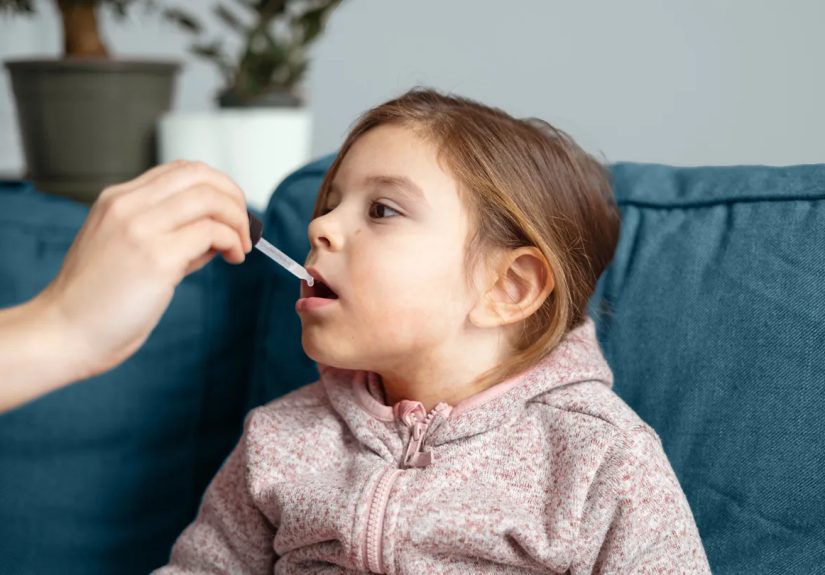
When vitamin A is used for measles, it’s typically a short, high-dose course, given by mouth under supervision. The CDC and WHO list similar age-based dosing, usually repeated once 24 hours later:
- Infants < 6 months: 50,000 IU once daily for 2 days
- Infants 6–11 months: 100,000 IU once daily for 2 days
- Children ≥ 12 months: 200,000 IU once daily for 2 days
A third age-specific dose may be given 2–6 weeks later to children with clinical signs of vitamin A deficiency.
A few important points:
- These are treatment doses, not everyday supplement doses.
- Dosing must account for other sources of vitamin A to avoid toxicity.
- Children are monitored for short-term side effects like vomiting or irritability, which can happen but are usually brief.
This is why guidelines stress medical supervisionespecially in very young children, pregnant people, and anyone with liver disease.
Practical Takeaways for Parents and Patients
- Vaccination is non-negotiable. Vitamin A does not prevent measles. Getting the full MMR series is the best way to protect yourself and your community.
- Call your clinician early. If you suspect measlesfever, cough, runny nose, red eyes, followed by a spreading rashcontact a healthcare provider. Don’t just walk into a crowded waiting room without warning; clinics often have special protocols to prevent spread.
- Ask, don’t self-prescribe. If your child is diagnosed with measles, you can absolutely ask the medical team, “Is vitamin A appropriate in this case?” Then follow their advice.
- Focus on overall care. Hydration, fever control, nutrition (including vitamin-A-rich foods), rest, and monitoring for complications all matter.
- Be careful with supplements. Mega-dosing vitamin A on your own can do more harm than goodespecially in kids and during pregnancy.
And of course, this article is meant for general information, not personalized medical advice. For decisions about your own health or your child’s health, your care team is the boss.
Real-World Experiences With Vitamin A and Measles
Data and guidelines are important, but it can also be helpful to think about how vitamin A for measles looks in real life. Here are a few composite, experience-based scenarios that reflect what clinicians and families often report.
A pediatric ward in a low-resource setting
In a busy pediatric hospital in a low-income country, measles often arrives in clusters. Many of the children are under five, undernourished, and have limited access to routine healthcare. Some have never seen a vaccine card.
When a measles outbreak hits, the ward fills quickly. Kids arrive with high fevers, racking coughs, and the telltale rash. Some are already dehydrated from diarrhea; others are struggling to breathe because of pneumonia. The medical team focuses on the basicsoxygen, fluids, antibiotics if bacterial infection is suspected, nutrition supportand, as part of standard care, they give high-dose vitamin A to every child with measles who meets age criteria.
Over the course of the outbreak, clinicians notice something that matches what the classic studies describe: the children who receive vitamin A early, especially the more severely ill and undernourished, seem less likely to develop the worst complications and are more likely to go home. Not every child improves, and not every outcome is perfectmeasles is still a dangerous diseasebut vitamin A feels like one more important tool in a setting where kids are starting with low reserves.
A measles case in a well-nourished U.S. child
Now picture a very different setting: a well-nourished 4-year-old in the U.S. who missed vaccines because of misinformation. The child catches measles during a local outbreak and ends up in the hospital with high fever and pneumonia.
The hospital team checks current guidelines. They know vitamin A deficiency is uncommon in the U.S., but expert groups say vitamin A may be considered for infants and children with measles, particularly if they’re very sick. After talking with the family, they decide to give the recommended two doses of vitamin A, along with oxygen, careful monitoring, and good supportive care.
The parents, who have heard confusing messages online, are surprised by how matter-of-fact the doctors are: vitamin A is one supportive therapy, not a cure, and certainly not a substitute for the vaccine their child didn’t receive. When the child recovers and goes home, the family’s biggest takeaway isn’t that “vitamins fixed it”it’s that they never want to face measles again and plan to catch up on vaccinations.
A public health nurse during an outbreak
Public health nurses often work at the intersection of science and community fears. During a measles outbreak, one nurse might spend part of the day reassuring worried parents, part of the day tracing contacts, and part of the day answering questions like, “Can I just give my kids vitamin A instead of the shot?”
The nurse explains that vitamin A can help after infection in certain children, especially in places where deficiency is commonbut it cannot stop measles from spreading the way the MMR vaccine can. Vitamin A is not a shield; it’s more like an extra support rail for the immune system once the virus is already there.
In communities where trust in the healthcare system is shaky, that nuance matters. When people hear “vitamin A helps,” some may assume, incorrectly, that it’s all they need. Nurses, doctors, and public health workers spend a lot of time gently but firmly correcting that misunderstanding, emphasizing that vaccination and supportive care work together, and vitamin A is only one piece of that larger picture.
Across all these experiences, a pattern emerges: vitamin A for measles can be valuablesometimes very valuableespecially for young, undernourished children. But its role is supportive, not magical, and it makes the most sense when used in the context of strong vaccination programs, good nutrition, and prompt medical care.
Bottom Line: Vitamin A Has a Role, But It’s Not Magic
So where do we land?
- Vitamin A can reduce measles complications and mortality in certain high-risk children, especially where deficiency is common.
- Guidelines from WHO, CDC, and pediatric experts support short-course, high-dose vitamin A for children with measles, under medical supervision.
- The benefit in well-nourished children in high-income settings is less clear, but many experts still consider vitamin A reasonable for hospitalized or severe cases.
- Vitamin A is not a replacement for the MMR vaccine and should not be self-prescribed in mega-doses.
In other words: vitamin A is a helpful supporting actor in the measles storybut the star of prevention is still vaccination, and the director is your healthcare team.