Table of Contents >> Show >> Hide
- Understanding the Basics: Why Do You Gain Weight During Pregnancy?
- How Much Weight Gain Is Normal?
- The First Trimester: Weight Gain Is Minimal
- The Second Trimester: A Steady Increase in Weight
- The Third Trimester: Final Growth Spurt
- Tips for Managing Healthy Weight Gain During Pregnancy
- Conclusion: Embracing the Journey
Pregnancy is a beautiful and transformative time, but it can also bring about many questions and concerns. One of the most common questions expectant mothers have is, “How much weight gain during pregnancy is normal?” While every pregnancy is different, understanding the general guidelines for weight gain can help alleviate some anxiety. In this article, we will explore the factors that influence pregnancy weight gain, the typical range for weight gain, and tips for maintaining a healthy weight during this exciting journey.
Understanding the Basics: Why Do You Gain Weight During Pregnancy?
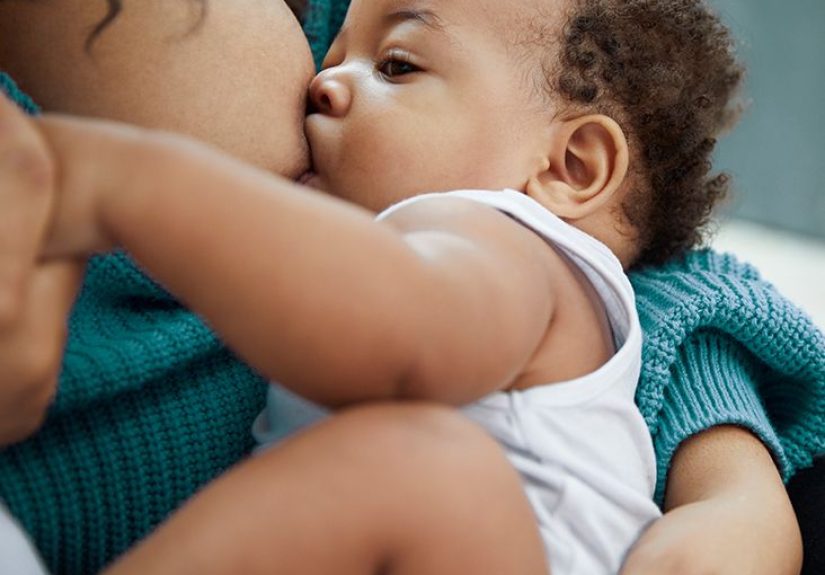
Weight gain during pregnancy is completely normal and necessary for the health of both the mother and the baby. The body undergoes significant changes during pregnancy to accommodate a growing baby. These changes include the development of the placenta, the growth of the baby, an increase in blood volume, and the expansion of breast tissue. Additionally, the body stores extra fat to help with breastfeeding after delivery.
While weight gain is a sign of a healthy pregnancy, it’s essential to keep in mind that not all weight gained is from the baby. The weight is distributed across several areas, including:
- The baby: The average weight of a newborn is around 7-8 pounds.
- The placenta: The organ that nourishes the baby can weigh about 1.5 pounds.
- Increased blood volume: The volume of blood in the body increases by 1.5 to 2 quarts, which can contribute around 4 pounds.
- Breast tissue: As the breasts prepare for breastfeeding, they can increase in size, contributing about 2 pounds.
- Amniotic fluid: The fluid surrounding the baby can add up to 2 pounds.
- Fat stores: The body stores fat in preparation for breastfeeding, which can contribute a significant amount to weight gain.
How Much Weight Gain Is Normal?
According to the American College of Obstetricians and Gynecologists (ACOG), the recommended weight gain during pregnancy varies based on a woman’s pre-pregnancy weight. Here are the general guidelines for women with different body mass indexes (BMI):
- Underweight (BMI less than 18.5): 28-40 pounds
- Normal weight (BMI 18.5-24.9): 25-35 pounds
- Overweight (BMI 25-29.9): 15-25 pounds
- Obese (BMI over 30): 11-20 pounds
These guidelines are not one-size-fits-all. It’s essential to work with a healthcare provider to monitor your weight gain and adjust based on individual health needs. Additionally, women carrying multiples, such as twins, may need to gain more weight to support the growth of both babies.
The First Trimester: Weight Gain Is Minimal
During the first trimester, most women will only gain a few pounds. In fact, some women may not gain any weight at all during the first 12 weeks due to morning sickness and a loss of appetite. It’s essential to focus on getting adequate nutrition, even if weight gain is not immediately noticeable.
While the amount of weight gained may be minimal, your body is already beginning to undergo significant changes, such as increased blood volume, breast development, and hormonal shifts. It’s essential to maintain a balanced diet to nourish both yourself and your developing baby.
The Second Trimester: A Steady Increase in Weight
By the second trimester, weight gain typically becomes more noticeable. On average, women gain around 1-2 pounds per week during this time. During this phase, the baby grows rapidly, and so does the uterus. Many women start to feel their appetite return after the initial discomforts of the first trimester subside.
Maintaining a healthy weight gain in the second trimester is crucial. While it’s essential to eat nutritious, balanced meals, it’s also important to avoid excessive weight gain. Focus on eating nutrient-dense foods, such as fruits, vegetables, lean proteins, and whole grains. While you may feel hungrier, listen to your body and avoid unnecessary snacking.
The Third Trimester: Final Growth Spurt
During the third trimester, the baby grows quickly, which can lead to the most significant weight gain. On average, women gain about 1 pound per week during this period. The majority of this weight is attributed to the growth of the baby, amniotic fluid, and an increase in body fat for breastfeeding.
At this stage, it’s important to focus on maintaining a healthy weight gain and preparing for labor. Many women may experience swelling in their feet, legs, and hands, especially towards the end of pregnancy. This is normal and typically resolves after delivery.
Tips for Managing Healthy Weight Gain During Pregnancy
While gaining weight during pregnancy is inevitable, there are steps you can take to ensure you’re gaining a healthy amount:
1. Prioritize Nutrient-Dense Foods
Focus on consuming foods that provide the vitamins, minerals, and nutrients your body needs to support both your health and the development of your baby. This includes:
- Fruits and vegetables
- Whole grains
- Lean proteins (chicken, fish, tofu, beans)
- Healthy fats (avocados, nuts, seeds, olive oil)
2. Stay Active
Regular physical activity, such as walking, swimming, or prenatal yoga, can help manage weight gain and improve overall health. Always consult your healthcare provider before starting any new exercise routine to ensure it’s safe for you and your pregnancy.
3. Stay Hydrated
Drinking plenty of water throughout the day is essential for maintaining hydration and reducing unnecessary bloating. Avoid sugary drinks and sodas, which can contribute to excessive weight gain.
4. Listen to Your Body
Pregnancy can make you feel hungrier than usual. It’s important to listen to your body and eat when you’re hungry, but also to focus on portion control and mindful eating. Choose healthy snacks when you feel the need to munch between meals.
Conclusion: Embracing the Journey
Weight gain during pregnancy is a natural and necessary part of the process. While the amount of weight gained varies from woman to woman, it’s crucial to focus on overall health, proper nutrition, and staying active to ensure the best possible outcome for both mother and baby. If you have concerns about your weight gain during pregnancy, don’t hesitate to speak with your healthcare provider. They can provide personalized guidance based on your specific needs and circumstances.
Additional Experiences with Weight Gain During Pregnancy
Throughout my pregnancy, I had moments of anxiety when I stepped on the scale. The number wasn’t always what I expected, and the body changes sometimes felt overwhelming. But after chatting with my doctor and reading up on weight gain during pregnancy, I felt much more at ease. What helped me the most was focusing on the positives like my baby’s growth and feeling stronger as I reached each trimester milestone.
One thing I did notice was how much more weight I gained during my second trimester compared to the first. At first, I thought I was eating too much, but my doctor reassured me that this was perfectly normal. As my baby grew, so did my appetite. By the third trimester, I had more energy to stay active, and I found that light exercise helped me feel more comfortable as my body continued to change. It was important to focus on nourishing my body with healthy foods, like fruits, vegetables, and lean proteins, to make sure I was giving my baby everything he needed.
Through this experience, I learned that every pregnancy is unique, and there’s no one-size-fits-all answer to weight gain. The most important thing is to take care of yourself and your baby, and trust that your body knows exactly what it needs.
SEO Tags
sapo: Weight gain during pregnancy is normal, but how much is too much? Discover the healthy weight gain ranges, tips, and experiences during each trimester.