Table of Contents >> Show >> Hide
- What “Westward Ho” Really Means Here
- Start at the Beginning: Alki Beach and the West Seattle Waterfront
- The Ferry Is the Attraction: Seattle to Bainbridge Island
- Downtown’s West Edge: Waterfront Walks, Public Art, and Sea-Level Joy
- The Working Water: Ballard Locks and the Salmon Show
- Lake Union’s Westward Moment: Oysters, Fire Pits, and Arriving by Kayak
- Discovery Park: Seattle’s “Wait, This Is Still the City?” Wilderness
- Build Your Own “Westward Ho” Itinerary
- Conclusion: Seattle Rewards the Westward Wanderer
- Extra: of Westward Experiences (So You Can Steal the Feeling, Not Just the Plan)
Seattle has a personality trait: it can’t stop staring west. Not in a “daydreaming at your desk” waymore like a
full-on, cinematic gaze across salt water toward mountains that look Photoshopped. If you’ve ever wondered why
locals will happily debate the best sunset bench like it’s a fantasy football draft, the answer is simple:
the horizon here is doing the most.
So consider this your cheerful battle plan for going “westward” in a city built on waterfront edgeswhere ferries
are public transit with a view, parks come with bald-eagle cameo potential, and seafood is less a menu category
than a civic love language. We’ll chase the light from West Seattle to the downtown shoreline, detour through
boat-nerd heaven at the locks, and end with oysters beside Lake Unionbecause nothing says “I’m embracing Seattle”
like eating something that was alive earlier today.
What “Westward Ho” Really Means Here
In most places, “westward ho” is an old rallying crygo west, seek your fortune, try not to lose your hat in the
process. In Seattle, it’s more practical: go west to find the water, the breeze, the widest skies, and the kind of
sunset that convinces even skeptical adults to say, out loud, “Okay, wow.”
Seattle’s westward pull is baked into its origin story. The city’s earliest settler landmark moments happened on
the sandy edge of what we now call West Seattle, before the “main” Seattle we picture today settled into its
downtown footprint. The result is a city that feels like it grew up facing the Soundone eye on trade, one eye on
the weather, and both eyes on the view.
Start at the Beginning: Alki Beach and the West Seattle Waterfront
Alki Beach: where history and flip-flops coexist
Alki Beach is the easiest way to feel like you’ve “escaped” Seattle without actually escaping Seattle. On one side:
a long ribbon of beach and a path made for strolling, biking, skating, and walking a dog that suddenly believes it’s
the mayor. On the other: that skylineSpace Needle and downtown towers lined up like they posed for your camera.
The fun twist is that Alki isn’t just scenic; it’s foundational. It’s widely recognized as the landing area of the
city’s first settlers in the mid-1800s, which makes your sunset picnic a little more epic by association.
(You, too, are here to “establish a settlement,” except yours is a beach towel and a tote bag of snacks.)
Little landmarks with big “only in Seattle” energy
Keep your eyes peeled for the small Statue of Liberty replica near the beachan unexpectedly charming photo stop
that feels like a postcard prank (in the best way). And if you’re a “tell me a weird fact” person, Alki’s shoreline
history includes a long-gone amusement park era and a past so watery it occasionally reveals its secrets at very low
tides.
How to get here like a local: take the Water Taxi
Driving is fine. But the Seattle move is to arrive by boat on purpose. The King County Water Taxi runs between
downtown (Pier 50) and West Seattle (Seacrest Dock), with the ride typically taking about 10–15 minutes. Translation:
it’s basically a commute-length cruise. Once you land, it’s easy to connect onward toward Alki.
Pro tip: even if you’re not trying to be “efficient,” the Water Taxi is a scenic reset button. You’ll step off the
boat feeling like you just did something much fancier than “transportation.”
The Ferry Is the Attraction: Seattle to Bainbridge Island
A 35-minute mini-vacation with skyline views
If Seattle had a cheat code for instant perspective, it would be the ferry. The Seattle-to-Bainbridge route crosses
in about 35 minutes, and it delivers that classic moment: the city behind you, the water all around you, and the
feeling that your to-do list has politely backed away.
Walk-on passengers keep it simpleno car required for a great day trip. Stand on deck, breathe in that salt air,
and pretend you’re in a moody indie film where the main character’s big breakthrough is… finally relaxing.
Winslow: small-town charm, big “I could live here” vibes
On Bainbridge, the ferry drops you close to the island’s main village area. Coffee, bookstores, galleries, and
waterfront wandering are the default setting. If you like art with your stroll, the Bainbridge Island Museum of Art
is a standout stop that’s known for being free to visitan excellent deal in an economy where even parking can feel
like a subscription service.
Downtown’s West Edge: Waterfront Walks, Public Art, and Sea-Level Joy
Olympic Sculpture Park: free art, big views, zero intimidation
You don’t have to “know art” to love Olympic Sculpture Park. It’s outdoors, it’s free, and it’s designed for
wandering at your own pacestrolling past monumental sculptures with the water and mountains as your backdrop.
It’s open year-round, and its hours track daylight: open 30 minutes before sunrise and close 30 minutes after sunset.
The best part is how it connects: you can roll right from the park into a longer waterfront walk through nearby
green spaces. Bring a friend, bring a podcast, or bring that one person who insists they “don’t like museums” and
watch them immediately change their mind because, technically, this is outside.
Myrtle Edwards Park: the “keep walking, it gets better” path
If your ideal Seattle moment is “moving but not suffering,” Myrtle Edwards Park delivers. The park’s waterfront path
runs about 1.25 miles along Elliott Bay, and the views do a nice rotation: Olympic Mountains, Puget Sound,
occasional Mount Rainier appearances when the weather decides to be generous.
Seattle’s waterfront is in its glow-up era
Seattle’s central waterfront has been evolving fast in recent years, with pedestrian-friendly improvements and new
public spaces changing how downtown connects to the water. Even if you don’t follow the details, you’ll feel the
difference on foot: more room to stroll, more places to pause, and more reasons to say “Wait, we should take a
picture here.”
Seattle Aquarium: Puget Sound, up close
For a deeper dive into what’s actually living in (and around) those waters you’ve been admiring, the Seattle Aquarium
is a reliable crowd-pleaser. It’s both fun and quietly educationallike learning, but with otters and dramatic fish
who look like they’re plotting something.
The Working Water: Ballard Locks and the Salmon Show
Engineering theater, starring boats
The Hiram M. Chittenden Locks (often just called the Ballard Locks) are one of those places that turn casual
visitors into temporary engineers. You watch boats line up, gates open, water levels shift, and vessels rise or fall
like they’re taking an elevator between worldssalt water on one side, freshwater ship canal on the other.
Historically, the locks opened in the 1910s and have been a defining piece of Seattle’s maritime infrastructure ever
since. In warmer months, tours are sometimes available through the visitor centeran easy way to add context to all
the satisfying clanks and whooshes.
Don’t miss the fish ladder
The other headliner is the fish ladder. When salmon runs are active, you can sometimes see fish navigating their way
past the barriersan impressive reminder that Seattle’s “nature” isn’t just scenery; it’s an ongoing, determined
system doing its thing. It’s also the only time you’ll find a crowd silently cheering for a fish like it’s the final
seconds of a playoff game.
Golden Gardens: classic sunset territory
To keep the “westward ho” theme going, aim for Golden Gardens Park later in the day. It’s one of Seattle’s signature
sunset spotsbeach, driftwood, wide-open Sound views. Park hours shift seasonally, and in summer the closing time is
earlier (so plan your final “one more photo” accordingly).
Lake Union’s Westward Moment: Oysters, Fire Pits, and Arriving by Kayak
Westward: the restaurant that turned “nautical” into a personality
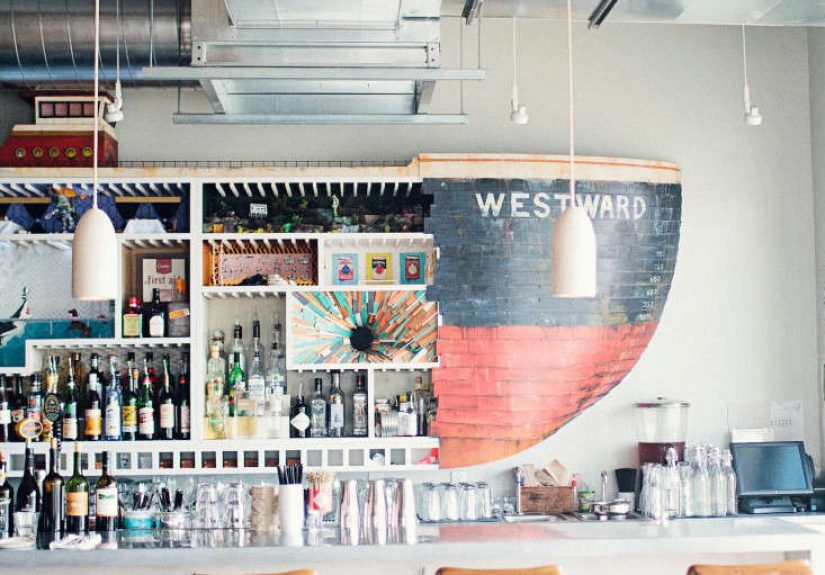
Yes, Seattle has a restaurant called Westward, and yes, it is extremely on-theme for this article.
It sits on the north shore of Lake Union with water views and that particular Seattle magic: you can be minutes from
a dense city and still feel like you’re at a waterfront lodge.
The menu leans into the Pacific Coast with local oysters and seafood, and the setting is built for lingeringAdirondack
chairs by the shore, an outdoor fire pit, and the option to arrive by boat, kayak, or whatever floating device makes
you feel like the protagonist. If you want a “Seattle night” that isn’t loud or complicated, this is a strong play.
A design nerd’s delight (even if you don’t think you’re a design nerd)
The space has a deliberate maritime vibemore “stylish yacht club daydream” than “theme restaurant.” Details like
sailcloth-style lighting, rope accents, and playful nods to sea captains create an atmosphere that’s fun without
trying too hard. It’s the rare place where you can eat oysters and feel like you should also be handed a map and a
mildly suspicious treasure chest.
Bonus stop: Center for Wooden Boats
Nearby, the Center for Wooden Boats adds a wholesome, hands-on layer to the Lake Union experience. Admission is
generally free, and their programs and public events make it easy to get close to the water without owning a boat
(because, in this economy?). If your “westward” goal is to feel more connected to Seattle’s maritime soul, this is
one of the easiest wins.
Discovery Park: Seattle’s “Wait, This Is Still the City?” Wilderness
Biggest park energy
Discovery Park is the place you go when you want to replace city noise with wind-in-the-trees silence and the
occasional gull commentary. It’s huge by Seattle standards, with forest, meadow, and bluff-to-beach trails that can
make you forget you’re still in city limits.
One important planning note: the park’s Environmental Learning and Visitor Center has had extended closures due to
major damage in recent years, so check expectations before you arrive. The good news is the park itself remains the
main eventtrail time, views over the Salish Sea, and that “deep breath” feeling you didn’t realize you needed.
Build Your Own “Westward Ho” Itinerary
One-day version: the greatest hits
- Morning: Walk the Olympic Sculpture Park and continue onto Myrtle Edwards Park for waterfront views.
- Lunch: Pike Place Market for something quick and iconic (and maybe a snack you “accidentally” eat twice).
- Afternoon: Ballard Locks for boats + fish ladder, then drift to Golden Gardens for pre-sunset beach time.
- Evening: Dinner on the wateraim for Lake Union if you want that “city lights over water” glow.
Two-day version: add the ferry and West Seattle
- Day 1: Water Taxi to Alki → walk the beach path → skyline photos → relaxed dinner back in the city.
- Day 2: Bainbridge ferry day trip → island stroll + art museum → return for sunset at Olympic Sculpture Park.
Micro-tips that save the day
- Dress in layers. The view is free; the wind is included.
- For ferries and Water Taxi rides, show up a bit earlyespecially during peak seasons.
- Sunset is a team sport here. If you see a bench, claim it politely and defend it with snacks.
Conclusion: Seattle Rewards the Westward Wanderer
“Westward ho” in Seattle isn’t about rushing toward the edge of the map. It’s about letting the city’s best features
find you: salt air, ferry horns, soft evening light, and neighborhoods that turn into entirely different worlds when
you approach them from the water. The west side of Seattle is where the city feels most like itselfpractical and
playful, rugged and artsy, grounded and constantly daydreaming at the horizon.
Plan a route, sure. But leave room for the good stuff: lingering at a park longer than you meant to, taking the
long way because the view is too good, and ordering “one more” oyster becausewellthis is Seattle. You’re allowed.
Extra: of Westward Experiences (So You Can Steal the Feeling, Not Just the Plan)
The first time you do “westward ho” in Seattle on purpose, it sneaks up on you. You think you’re just going to take
a quick ridemaybe the Water Taxi, maybe a ferryand then suddenly you’re that person standing on deck, leaning on
the rail like you’re in a music video about personal growth. The city behind you looks crisp and confident; the water
looks like it’s been ironed. And your phone, which normally buzzes like a caffeinated bee, seems to lose interest.
One of my favorite sequences starts downtown when the day is still young and your legs haven’t started negotiating
for “just one Uber.” I’ll walk the Olympic Sculpture Park slowly, not because I’m trying to be profound, but because
every few minutes the angle changes and the skyline rearranges itself. The sculptures do their jobbig, bold, and
impossible to ignorebut the real surprise is how the Sound keeps pulling your attention like a friendly distraction.
You’ll see runners, dog walkers, tourists, locals with coffee, locals with dogs, and dogs with the confidence of
locals. It’s a strangely democratic place: everyone is equally impressed by the view.
Then comes the “Seattle chooses kindness” moment: you realize you can keep walking along the waterfront without
needing a grand plan. Myrtle Edwards feels like a ribbon of calm stitched to the city. On a clear day, the Olympics
look close enough to poke, and Mount Rainier shows up like a celebrity cameo. The trick is to build in time for
pauses. If you treat the path like a commute, you’ll miss the point. If you treat it like a slow, moving lookout,
Seattle pays you back.
Later, I like to pivot to something that’s pure Seattle nerd joy: Ballard Locks. The first time you watch the gates
close and the water level shift, you’ll feel your brain make a small, satisfied click. Boats glide through like
they’ve done it a thousand times (they have), and you start silently rooting for random vessels. “Go, little sailboat,
live your dreams.” If salmon are running, the fish ladder becomes its own kind of theaterpeople leaning forward,
pointing, whisper-cheering when a fish makes progress. It’s wholesome in the most unexpected way.
For sunset, you can’t really lose, but your mood matters. If you want the full postcard skyline, Alki Beach is the
moveespecially when the city lights begin to blink on and the water turns metallic. It’s the kind of view that makes
everyone behave like photographers, even the people who swear they “don’t take pictures.” If you want something more
beachy and spread out, Golden Gardens gives you that wide-open Sound feeling, where the sky seems bigger than your
whole schedule.
And when you finish the day at the water’s edgemaybe with oysters near Lake Union, maybe with a warm drink and a
jacket you finally admit you neededyou’ll notice the real “westward ho” souvenir: your sense of time resets. Seattle,
at its best, doesn’t just show you pretty scenery. It teaches you to linger. And honestly? That might be the most
Pacific Northwest thing of all.